Surge Protection in Oak Ridge, NC
Stop Power Surges Before They Cost You Thousands
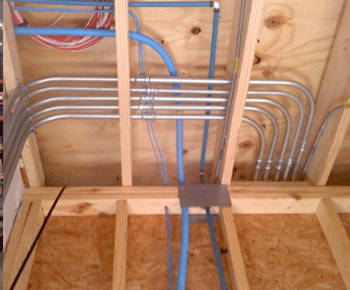
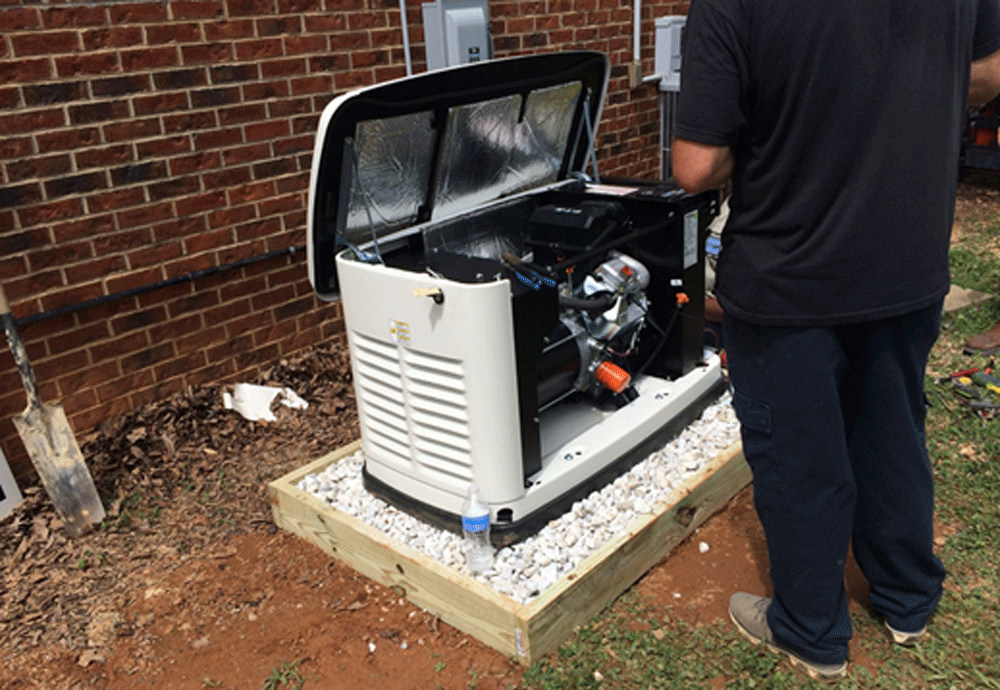
Whole Home Surge Protector Installation
You’re not constantly replacing appliances that mysteriously stop working. Your HVAC system doesn’t fail prematurely. That expensive smart refrigerator keeps running for its full lifespan instead of dying years early from voltage damage you never saw coming.
Most Oak Ridge homeowners don’t realize their homes experience dozens of small power surges every day. Every time your air conditioner kicks on, every time there’s a storm in the area, every time the utility company switches loads on the grid. These surges don’t announce themselves. They just quietly degrade your equipment until something fails.
A whole house surge protector installs directly at your electrical panel and stops voltage spikes before they reach anything in your home. It protects the things power strips can’t touch—your heating and cooling system, hardwired appliances, your electrical panel itself. One device. Full coverage. No more wondering if you’ve done enough.
Oak Ridge Electrical Surge Protection Experts
We’ve served Oak Ridge and the surrounding Piedmont Triad area for over two decades. We started with new construction wiring, then expanded because homeowners needed reliable electrical service they could actually count on.
You’ll talk to a real person when you call, not a recording. Our technicians show up in uniform, in fully stocked trucks, with flat-rate pricing you’ll know before we start. We’re not interested in surprises or upselling. We’re interested in doing the work right and leaving your property cleaner than we found it.
Oak Ridge homes face the same electrical challenges as the rest of North Carolina—summer thunderstorms, aging infrastructure, power grid fluctuations. We install surge protection that’s sized correctly for your home and your panel. That matters more than most people realize.
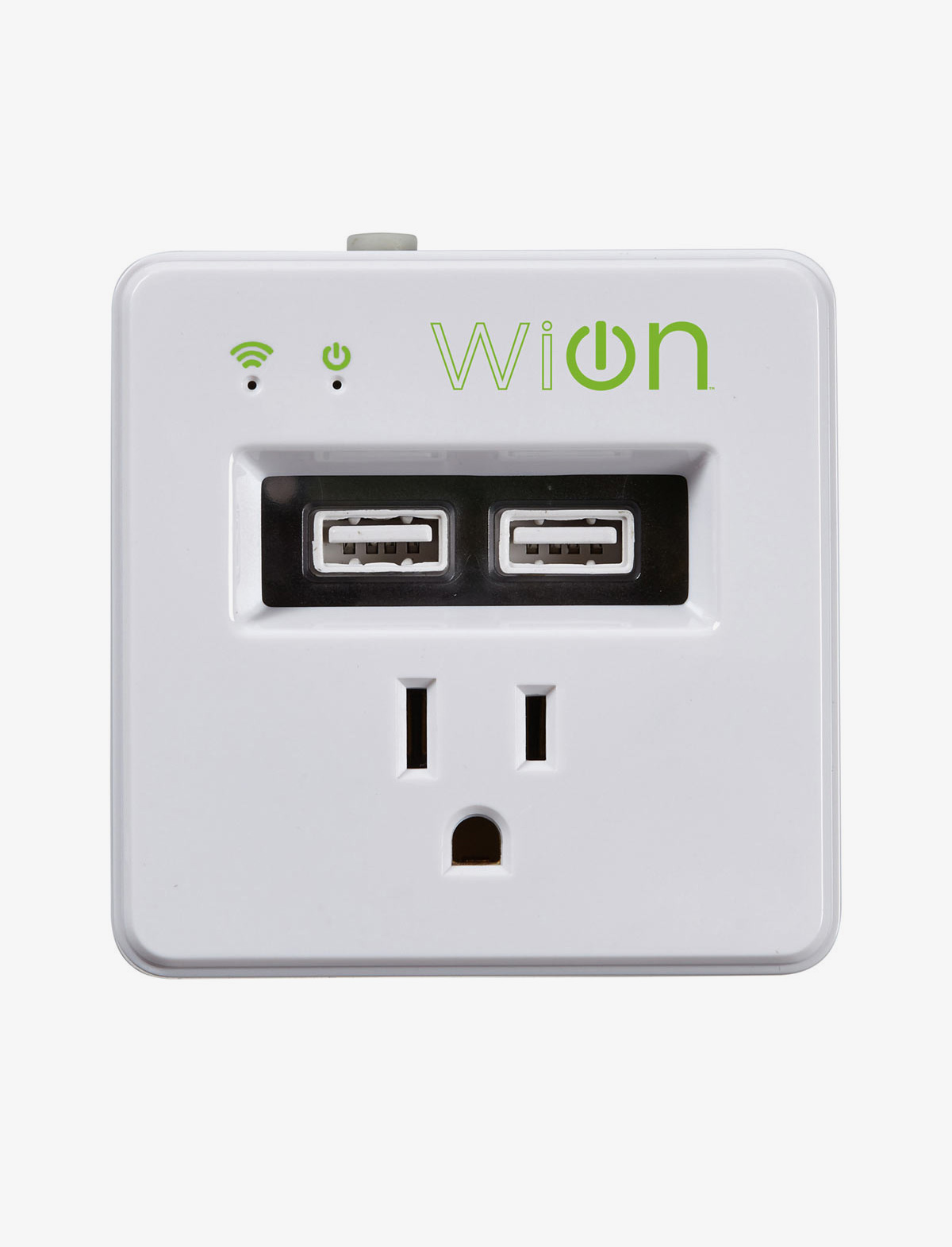
Surge Protection Device Installation Process
First, we assess your electrical panel to confirm it can accommodate a surge protection device and that your home’s grounding system is adequate. If your grounding needs work, we’ll tell you. Poor grounding means the surge protector can’t do its job.
The device itself mounts directly into or next to your main electrical panel. It connects to your panel’s bus bars and ties into the grounding system. When it detects voltage above normal operating levels—anything significantly above 169 volts—it diverts that excess electricity safely into the ground before it can reach your home’s circuits.
Installation typically takes one to four hours depending on your panel’s configuration and whether any upgrades are needed. We make sure the device is compatible with your specific panel, properly rated for your home’s electrical load, and installed to code. You’ll see an indicator light that shows the unit is functioning. Most quality devices also have an alert system that tells you if the unit needs replacement after absorbing a major surge.
The result is protection for every outlet, every hardwired appliance, every piece of equipment connected to your electrical system. Not just the things you remembered to plug into a power strip.
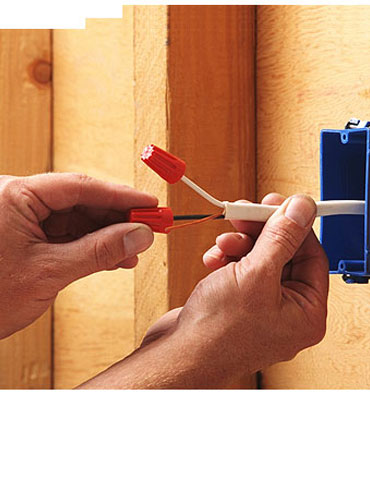
Residential Surge Protection in Oak Ridge
Whole house surge protection means a Type 1 or Type 2 surge protective device installed at your main electrical panel. Type 2 devices are more common for residential applications—they install inside the panel and typically offer protection ratings between 20,000 and 80,000 amps. That’s more than enough to handle the surges your home will face.
In Oak Ridge, where summer storms are routine and the electrical grid serves a mix of residential and light commercial areas, you’re dealing with both external surges from weather and utility fluctuations, plus internal surges from your own high-draw appliances. Your air conditioner cycling on and off creates small voltage spikes. So does your refrigerator, your water heater, any motor-driven equipment.
Quality surge protection devices come with connected equipment warranties—often $50,000 to $100,000 in coverage if the device fails and your equipment gets damaged. They’re UL 1449 certified, which is the safety standard that matters. And they include visual indicators so you know the unit is working.
This isn’t a maintenance item. Once it’s installed, it works continuously without you thinking about it. The only time you’ll need service is if the indicator shows the device has absorbed a major surge and needs replacement, or if you’re doing other electrical panel work.
How much does whole home surge protection cost to install in Oak Ridge?
The device itself typically runs between $100 and $400 depending on the protection rating and features. Professional installation adds another $100 to $300, sometimes more if your panel needs upgrades or your grounding system needs work.
Total cost for most residential installations falls in the $300 to $700 range. That’s a fraction of what you’d pay to replace a fried HVAC system, let alone multiple damaged appliances and electronics after a major surge event.
We provide flat-rate pricing before we start, so you’ll know the exact cost upfront. If we find issues during the assessment—like inadequate grounding or a panel that needs upgrading—we’ll explain what’s needed and why before moving forward.
Will a whole house surge protector protect against lightning strikes?
It provides significant protection, but there are limits. A quality whole-home surge protector rated for 40,000 to 80,000 amps can handle most lightning-induced surges. The average lightning strike carries about 30,000 amps, but the surge that reaches your home through power lines is usually much less.
The bigger issue is that lightning doesn’t have to hit your house to cause damage. A strike within a mile can send voltage spikes through overhead power lines, underground service cables, or even phone and cable lines. Your surge protector intercepts those spikes at the panel before they reach your equipment.
That said, no surge protector is 100% effective against a direct lightning strike to your home. For that level of protection, you’d need a dedicated lightning protection system. But for the vast majority of surge events—including lightning strikes in the area—a whole house surge protector does the job.
Do I still need power strips if I have whole house surge protection?
Whole house protection handles the heavy lifting, but using quality point-of-use surge protectors for sensitive electronics adds a second layer of defense. Think of it as a two-stage approach—the whole house device stops major surges at the panel, and the power strip catches anything that gets through.
For most appliances and general outlets, the whole house protection is sufficient. But for expensive or particularly sensitive equipment—like high-end computers, home theater systems, or medical devices—the extra protection doesn’t hurt.
The key advantage of whole house protection is that it covers everything, including the things you can’t plug into a strip. Your HVAC system, hardwired appliances, your electrical panel itself, built-in smart home devices—all of that gets protected whether you remember to plug it in somewhere or not.
How long does a surge protection device last before it needs replacing?
It depends entirely on how many surges the device absorbs and how severe they are. Manufacturers typically claim 5 to 10 years of life expectancy, but a single major surge event can sacrifice the device to protect your home—which is exactly what it’s designed to do.
Quality surge protectors have indicator lights or audible alarms that tell you when the device is no longer providing protection. If the light goes out or changes color, the device needs replacement. After a significant storm or known power event, it’s worth checking the indicator.
The internal components—metal oxide varistors—degrade each time they absorb a surge. Small, frequent surges wear them down gradually. One massive surge can exhaust them all at once. Either way, the indicator system lets you know when protection has been compromised.
What causes most power surges in homes—is it really lightning?
Lightning gets the attention, but it’s not the most common cause. Most power surges come from inside your home or from utility grid operations. Every time a high-draw appliance like your air conditioner, refrigerator, or water heater kicks on, it creates a small voltage spike as it pulls power from the system.
Outside your home, utility companies switching loads on the grid, transformer malfunctions, downed power lines, and even maintenance work can all cause surges. When power gets restored after an outage, the sudden rush of electricity often creates a surge as systems come back online.
According to the National Institute of Standards and Technology, most homes experience dozens of small surges daily. You don’t notice them, but they’re there, slowly degrading your electronics and appliances. That’s why whole house surge protection matters—it’s not just about the rare lightning strike. It’s about protecting your equipment from the constant low-level voltage fluctuations that shorten its lifespan.
Can I install a whole house surge protector myself or does it require an electrician?
This isn’t a DIY project. Surge protectors install directly into your main electrical panel, which means working with live electrical components if not done correctly. You need a licensed electrician who knows how to safely integrate the device with your panel, verify your grounding system is adequate, and ensure the installation meets code.
Improper installation can mean the device doesn’t work at all, or worse, creates a safety hazard. The surge protector needs to be properly sized for your electrical service, compatible with your specific panel manufacturer, and correctly wired to the grounding system. If your grounding is inadequate, the excess voltage has nowhere to go and the device is useless.
Professional installation also typically comes with warranty protection and the peace of mind that the work was done right. Most installations take a few hours, and you’ll have documentation that the work meets North Carolina electrical code requirements.
About Us

Electrical Service Providers (ESP) has been in business since 2002. ESP started out performing wiring services to new construction, remodeling projects and residential homes. Our company’s president identified a market for electrical services to be performed in homes and businesses independent of new construction. Read More about Electrical Service Providers>>
All Rights Reserved.Organic Marketing LLC
Business Listings


Product Brands Used
Allied, Broan, Cutler Hammer, General Electric, Ideal, Juno, Kohler, Leviton, Lutron, Siemens, Square D
Contact
- Office Address: 3254 S Anthony Ct.
Burlington, NC 27215 - Mailing Address: PO Box 25
Alamance, NC 27201 - Phone: 336-228-3300
- E-mail: [email protected], [email protected]
Service Areas
Chapel Hill, Burlington, Carrboro, Durham, Gibsonville, Hillsborough, Graham, Pittsboro, Morrisville, Cary
About Us
Electrical Service Providers (ESP) has been in business since 2002. ESP started out performing wiring services to new construction, remodeling projects and residential homes. Our company’s president identified a market for electrical services to be performed in homes and businesses independent of new construction. Read More about Electrical Service Providers>>
All Rights Reserved.Organic Marketing LLC