Surge Protection in Pittsboro, NC
Stop Power Surges Before They Strike
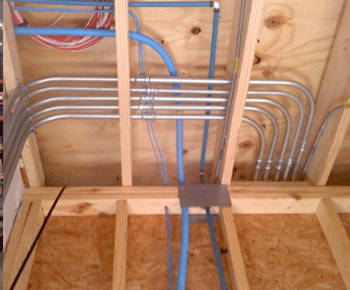
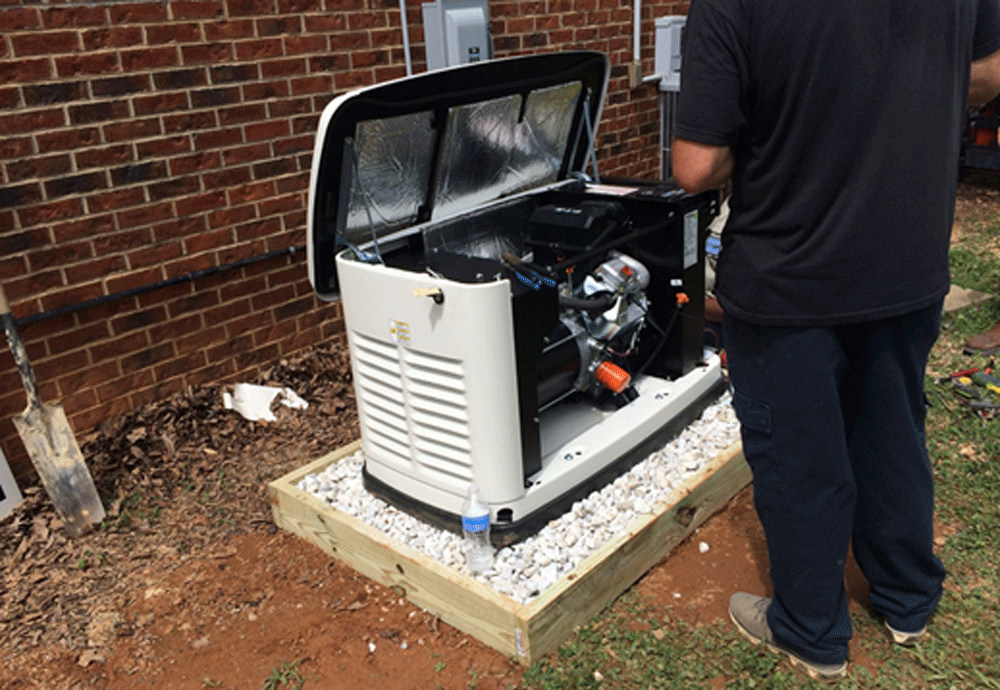
Whole Home Surge Protection Pittsboro
You’ve invested thousands in your home’s electronics and appliances. Your smart TV, HVAC system, refrigerator, and computer equipment all depend on steady electrical flow to function properly.
Power surges happen more often than you think. Most come from inside your own home when large appliances cycle on and off. Others arrive from lightning strikes, power outages, and grid fluctuations that send voltage spikes through your wiring.
Without protection, these surges slowly damage your equipment over time. You might not notice it at first, but your appliances wear out faster, your electronics glitch more often, and eventually, something expensive stops working entirely. Most homeowner’s insurance won’t cover surge damage, leaving you to replace everything out of pocket.
Licensed Surge Protection Electricians Pittsboro
We’ve been serving Pittsboro and Chatham County since 2002. Master Electrician Andy Helton brings over 35 years of electrical experience to every installation.
We’ve seen how power surges affect homes in our area. Pittsboro’s mix of older homes and newer construction creates unique electrical challenges. Summer storms bring lightning strikes that can overwhelm standard electrical systems. Winter ice storms cause power outages followed by surges when electricity returns.
That’s why we focus on whole-home surge protection that actually works. We use professional-grade equipment, provide upfront pricing, and back our work with a lifetime labor warranty up to 25 years.
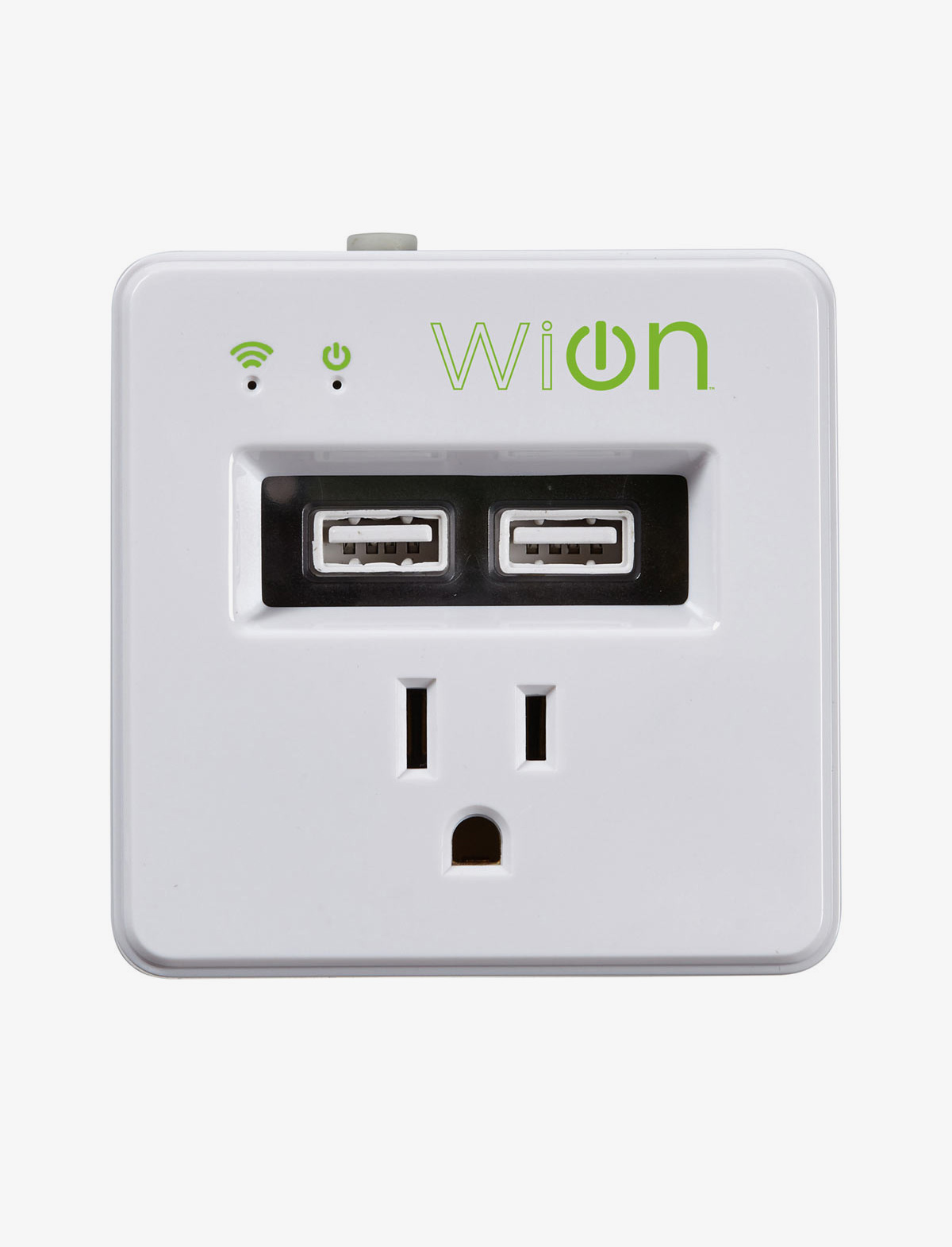
Surge Protector Installation Process Pittsboro
Our surge protection installation starts with inspecting your electrical panel. We check your home’s grounding system and determine the right type of surge protector for your specific setup.
The surge protector mounts directly to your main electrical panel, where it monitors incoming electricity. When it detects voltage spikes above normal levels, it instantly diverts that excess power to your home’s grounding system instead of letting it reach your outlets and appliances.
Installation typically takes about an hour. Our technicians arrive in uniform with fully stocked trucks, so we have everything needed to complete the job in one visit. We test the system before we leave and explain how the indicator lights work so you know your protection is active.
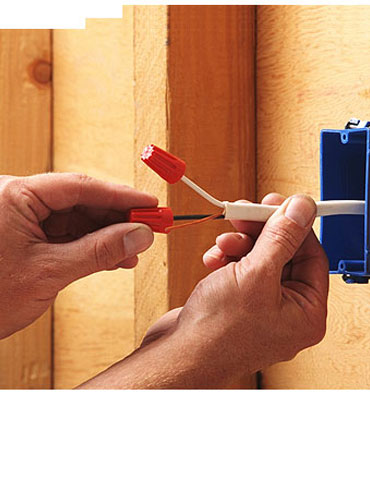
Whole House Surge Protection Benefits
Whole-home surge protection covers every outlet, appliance, and device in your house. Unlike power strips that only protect what’s plugged into them, our system guards everything connected to your electrical panel.
This includes your HVAC system, refrigerator, washer and dryer, water heater, and other hardwired appliances that can’t use individual surge protectors. It also protects sensitive electronics like computers, televisions, and smart home devices that power surges can damage gradually over time.
In Pittsboro’s climate, we see surge damage from summer thunderstorms and winter weather that affects power lines. The 2020 National Electric Code now requires surge protection for new construction because of how much sensitive electronic equipment modern homes contain. Installing surge protection isn’t just smart—it’s becoming the standard for electrical safety.
How much does whole home surge protection cost in Pittsboro?
Whole home surge protection typically costs between $300 to $700 for most Pittsboro homes, including installation. The exact price depends on your electrical panel type and the surge protector’s capacity rating.
We provide flat-rate pricing, so you’ll know the total cost before we start work. Most installations take about an hour to complete. When you consider that replacing damaged electronics and appliances can cost thousands of dollars, surge protection pays for itself the first time it prevents damage.
Many homeowners also qualify for insurance discounts after installing surge protection, which helps offset the initial investment over time.
What's the difference between whole home and power strip surge protection?
Power strips only protect devices plugged directly into them and can’t handle large surges from lightning or major electrical events. They’re designed for small electronics at individual outlets.
Whole home surge protection installs at your main electrical panel and protects every outlet, appliance, and device in your house. This includes hardwired equipment like your HVAC system, water heater, and refrigerator that can’t plug into power strips.
Whole home systems also handle much larger surges and provide the first line of defense before surges reach your individual outlets. For complete protection, many homeowners use both whole home surge protection and individual power strips for sensitive electronics.
How often do power surges happen in Pittsboro homes?
Power surges happen more frequently than most homeowners realize. About 60-80% of surges actually come from inside your own home when large appliances like air conditioners, refrigerators, or water heaters turn on and off.
External surges from lightning strikes, power outages, and utility grid switching also affect Pittsboro homes, especially during summer storm season. Even small surges that don’t cause immediate damage can gradually wear down electronics and appliances over time.
Most surges are brief and barely noticeable, but they add up. Your equipment might seem fine today, but repeated small surges can shorten lifespans and cause unexpected failures months or years later.
Will surge protection work during a direct lightning strike?
Whole home surge protectors are designed to handle most lightning-related surges, but a direct strike to your home can overwhelm any protection system. However, direct strikes are extremely rare compared to nearby lightning that sends surges through power lines.
Most lightning damage comes from strikes within a mile of your home that create surges in the electrical grid. Quality surge protectors rated for at least 30kA can handle these indirect lightning surges effectively.
For maximum protection in areas with frequent storms, some homeowners install multiple surge protectors at different points in their electrical system. This layered approach provides backup protection if one unit gets overwhelmed.
How long do whole home surge protectors last?
Most whole home surge protectors last 2-3 years under normal conditions, though this varies based on how many surges they absorb. Each time the unit diverts a surge, it uses up some of its protective capacity.
Many modern surge protectors have indicator lights that show when they’re working properly and when they need replacement. Some units also provide connected equipment warranties that cover appliance damage if the surge protector fails.
Regular electrical inspections can help monitor your surge protector’s condition. We recommend checking the status lights periodically and replacing the unit after major electrical events like nearby lightning strikes.
Can I install a whole home surge protector myself?
Whole home surge protectors must be installed by licensed electricians for safety and warranty reasons. The installation involves working directly with your main electrical panel, which carries high voltage that can cause serious injury or death.
Professional installation also ensures the surge protector is properly sized for your electrical system and meets local code requirements. Most manufacturer warranties only cover connected equipment damage if the unit was installed by a licensed electrician.
DIY installation can also invalidate your homeowner’s insurance coverage if surge-related damage occurs later. The installation cost is a small fraction of what you’d pay to replace damaged electronics and appliances, making professional installation the smart choice.
About Us

Electrical Service Providers (ESP) has been in business since 2002. ESP started out performing wiring services to new construction, remodeling projects and residential homes. Our company’s president identified a market for electrical services to be performed in homes and businesses independent of new construction. Read More about Electrical Service Providers>>
All Rights Reserved.Organic Marketing LLC
Business Listings


Product Brands Used
Allied, Broan, Cutler Hammer, General Electric, Ideal, Juno, Kohler, Leviton, Lutron, Siemens, Square D
Contact
- Office Address: 3254 S Anthony Ct.
Burlington, NC 27215 - Mailing Address: PO Box 25
Alamance, NC 27201 - Phone: 336-228-3300
- E-mail: [email protected], [email protected]
Service Areas
Chapel Hill, Burlington, Carrboro, Durham, Gibsonville, Hillsborough, Graham, Pittsboro, Morrisville, Cary
About Us
Electrical Service Providers (ESP) has been in business since 2002. ESP started out performing wiring services to new construction, remodeling projects and residential homes. Our company’s president identified a market for electrical services to be performed in homes and businesses independent of new construction. Read More about Electrical Service Providers>>
All Rights Reserved.Organic Marketing LLC