Surge Protection in Rougemont, NC
Stop Power Surges Before They Cost You Thousands
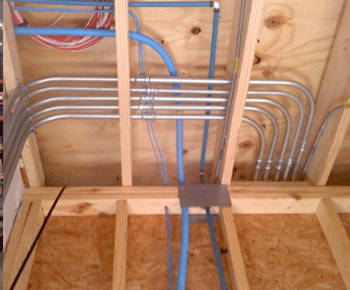
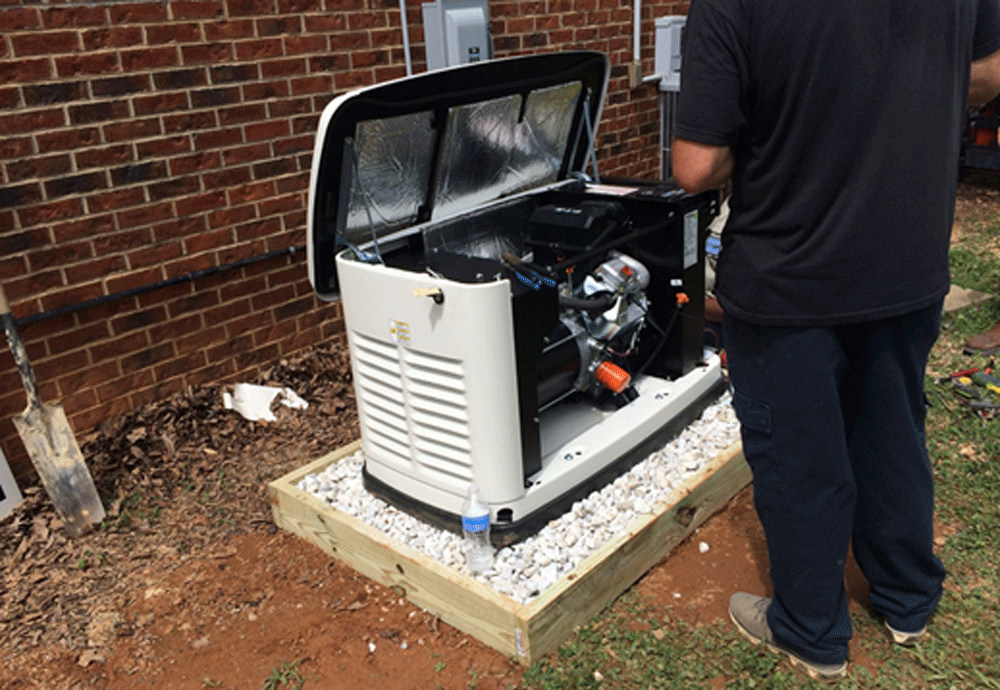
Whole Home Surge Protection Rougemont
The average home in Rougemont has over $15,000 worth of electronics and appliances at risk. Your refrigerator, HVAC system, computers, smart devices—all of it is vulnerable every time a storm rolls through or the grid hiccups.
North Carolina gets hit with frequent thunderstorms, especially in spring and summer. When lightning strikes nearby or the power company switches circuits, voltage spikes travel straight into your home. And it’s not just the big electrical surges you need to worry about.
Most homes experience up to 100 small power surges every month from appliances turning on and off. Your air conditioner kicks on. Your dryer cycles. Each time, a small spike runs through your system, slowly wearing down circuit boards and shortening the life of everything plugged in. A whole home surge protector stops that damage at the electrical panel before it reaches your equipment.
Surge Protection Installation Rougemont NC
ESP Electrical Service Providers has been serving Rougemont and the surrounding counties since 2002. We work throughout Durham, Orange, Alamance, and Chatham counties, so we understand the local power grid, storm patterns, and what homes in this area actually need.
We’re not a national chain. We’re a local team that shows up in fully stocked trucks, gives you flat-rate pricing before any work starts, and backs our labor with a warranty that lasts up to 25 years. When you call, you talk to a person, not a recording. When we finish a job, we clean up and make sure everything works before we leave.
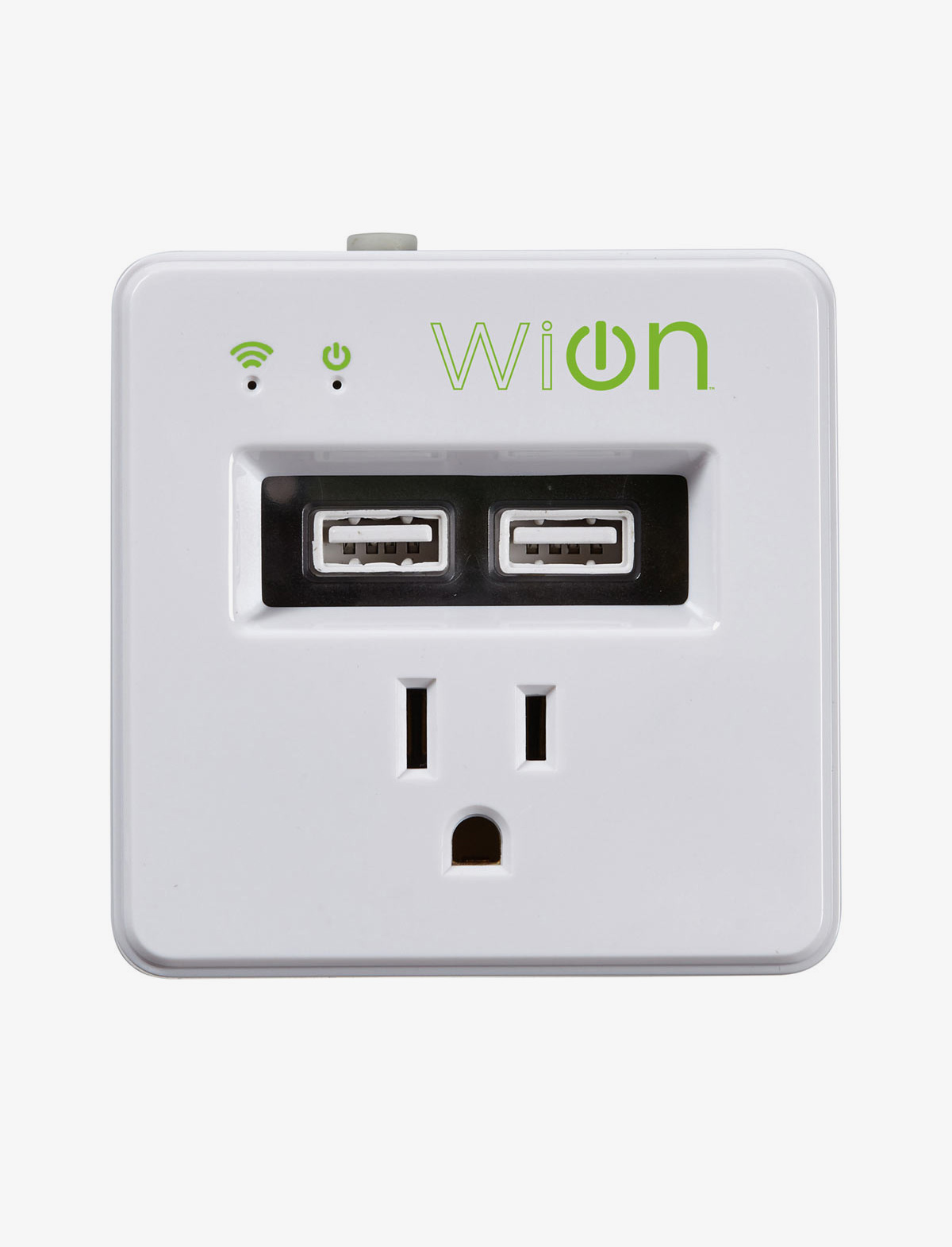
Residential Surge Protection Rougemont
First, an electrician evaluates your electrical panel and grounding system. Surge protectors only work if your home’s grounding is solid, so that gets checked before anything else.
Next, the surge protection device gets installed at your main electrical panel. It mounts directly onto the panel or nearby, with short, direct wiring to minimize resistance. The shorter the wires, the better the device performs when voltage spikes hit.
Once it’s wired in, the device connects to a dedicated circuit breaker. This gives it a direct line to divert excess voltage safely into the ground. The electrician tests everything, confirms the indicator lights are working, and walks you through what to watch for over time.
The whole process typically takes one to two hours. You’re left with a device that monitors your electrical system 24/7, ready to redirect voltage spikes before they damage anything in your home.
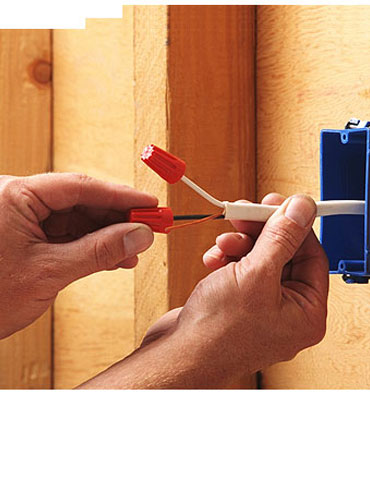
Power Surge Protection Rougemont NC
A whole home surge protector defends your entire electrical system—not just the outlets with power strips. It protects hardwired appliances like your HVAC, electric stove, water heater, and washer and dryer. These are the expensive systems that can’t be plugged into a power strip, and they’re often the first to fail after a major electrical surge.
In Rougemont and the surrounding Durham County area, homes face surge risks from multiple sources. Lightning is the obvious one, but power outages and grid switching cause surges too. The region has experienced power disruptions from severe weather, and when power comes back on after an outage, the sudden rush of electricity can spike voltage throughout your home. Internal surges happen constantly—every time your refrigerator compressor kicks on or your HVAC cycles, a small surge ripples through the system.
Over time, those small surges add up. Circuit boards degrade. Motors wear out faster. Equipment fails earlier than it should. A residential surge protection device stops that wear before it starts, extending the life of everything connected to your electrical panel and circuit breaker. It’s a one-time investment that protects tens of thousands of dollars in equipment, and in many cases, it can lower your homeowner’s insurance premiums.
How much does it cost to install a whole home surge protector in Rougemont?
Professional installation typically runs between $300 and $800, depending on your electrical panel setup and the specific surge protection device being installed. That includes both the device and the labor to install it properly at your circuit breaker panel.
Some homes have two electrical panels, which can increase the cost. But when you compare that to the price of replacing a fried HVAC system (which can run $5,000 to $10,000 or more), the investment makes sense. You’re protecting equipment worth far more than the cost of the device itself.
We use flat-rate pricing, so you’ll know the exact cost before any work begins. No surprises, no hidden fees.
Will a whole home surge protector protect everything in my house?
A whole home surge protector installed at your main electrical panel protects everything connected to your electrical system. That includes hardwired appliances like your HVAC, water heater, electric range, and washer and dryer—things you can’t plug into a power strip.
It also protects all the outlets in your home, which means anything plugged in gets a baseline level of protection. For sensitive electronics like computers, TVs, and home theater equipment, it’s still smart to use a point-of-use surge protector (a quality power strip with surge protection) as a second layer of defense.
The whole home device handles the big voltage spikes from lightning and grid issues. The point-of-use devices handle smaller, localized surges. Together, they give you complete coverage.
How long does a surge protector last before it needs to be replaced?
Whole home surge protectors typically last between three and ten years, depending on how many surges they absorb and how severe those electrical surges are. Every time the device diverts a power surge, it uses up a bit of its capacity. Eventually, it wears out and needs replacement.
Most modern devices have indicator lights that show when they’re working properly. If the light changes color or goes out, that’s your signal to replace the unit. Some devices also have audible alarms to let you know when they’ve reached the end of their lifespan.
If you experience a major surge event—like a direct lightning strike nearby—it’s worth having an electrician inspect the device afterward. A single large surge can deplete its capacity even if the indicator light still looks normal.
Can I install a surge protector myself, or do I need an electrician?
You need a licensed electrician to install a whole home surge protector. The device gets wired directly into your main electrical panel and circuit breaker, which means working with live voltage and making connections that have to meet local electrical codes.
Improper installation can result in electrical shock, fire hazards, or damage to your electrical system. It can also void the manufacturer’s warranty on the surge protection device. Many surge protector warranties are only valid if the unit was installed by a licensed professional.
An electrician will also check your home’s grounding system before installation. If your grounding isn’t adequate, the surge protector won’t work properly. We make sure everything is up to code and functioning correctly before we finish the job.
Do power strips provide the same protection as a whole home surge protector?
No. Power strips with surge protection only protect the devices plugged into them, and many only offer low-level surge suppression. They’re not designed to handle the high-energy voltage spikes that come from lightning strikes or major grid issues.
A whole home surge protector installed at your electrical panel provides protection for your entire home, including hardwired systems like your HVAC, water heater, and electric stove. Those systems can’t be plugged into a power strip, so without whole home protection, they’re completely exposed.
Power strips also wear out faster than whole home devices. If you’re relying solely on power strips, you’re gambling that they’re still functional and that every vulnerable device in your home is plugged into one. A whole home surge protector eliminates that guesswork.
What causes power surges in Rougemont and the surrounding area?
Power surges in Rougemont and the broader Durham County area come from multiple sources. Lightning is the most obvious—North Carolina gets frequent thunderstorms, especially in the warmer months. Even if lightning doesn’t strike your home directly, a nearby strike can send an electrical surge through the power lines.
Power outages and grid switching also cause surges. The region has dealt with storm-related outages and grid disruptions over the years. When the power company restores electricity after an outage, the sudden rush of power can spike voltage throughout the system. Internal surges happen constantly inside your home—every time a large appliance like your air conditioner, refrigerator, or dryer turns on or off, it creates a small voltage spike.
These internal surges are smaller, but they happen dozens of times every month. Over time, they degrade electronics and shorten the lifespan of your appliances. A residential surge protection device stops both external and internal surges before they cause damage.
About Us

Electrical Service Providers (ESP) has been in business since 2002. ESP started out performing wiring services to new construction, remodeling projects and residential homes. Our company’s president identified a market for electrical services to be performed in homes and businesses independent of new construction. Read More about Electrical Service Providers>>
All Rights Reserved.Organic Marketing LLC
Business Listings


Product Brands Used
Allied, Broan, Cutler Hammer, General Electric, Ideal, Juno, Kohler, Leviton, Lutron, Siemens, Square D
Contact
- Office Address: 3254 S Anthony Ct.
Burlington, NC 27215 - Mailing Address: PO Box 25
Alamance, NC 27201 - Phone: 336-228-3300
- E-mail: [email protected], [email protected]
Service Areas
Chapel Hill, Burlington, Carrboro, Durham, Gibsonville, Hillsborough, Graham, Pittsboro, Morrisville, Cary
About Us
Electrical Service Providers (ESP) has been in business since 2002. ESP started out performing wiring services to new construction, remodeling projects and residential homes. Our company’s president identified a market for electrical services to be performed in homes and businesses independent of new construction. Read More about Electrical Service Providers>>
All Rights Reserved.Organic Marketing LLC