Surge Protection in Stokesdale, NC
Your Electronics Are Under Daily Attack
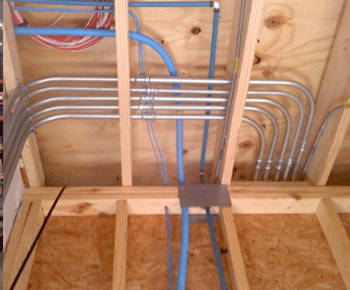
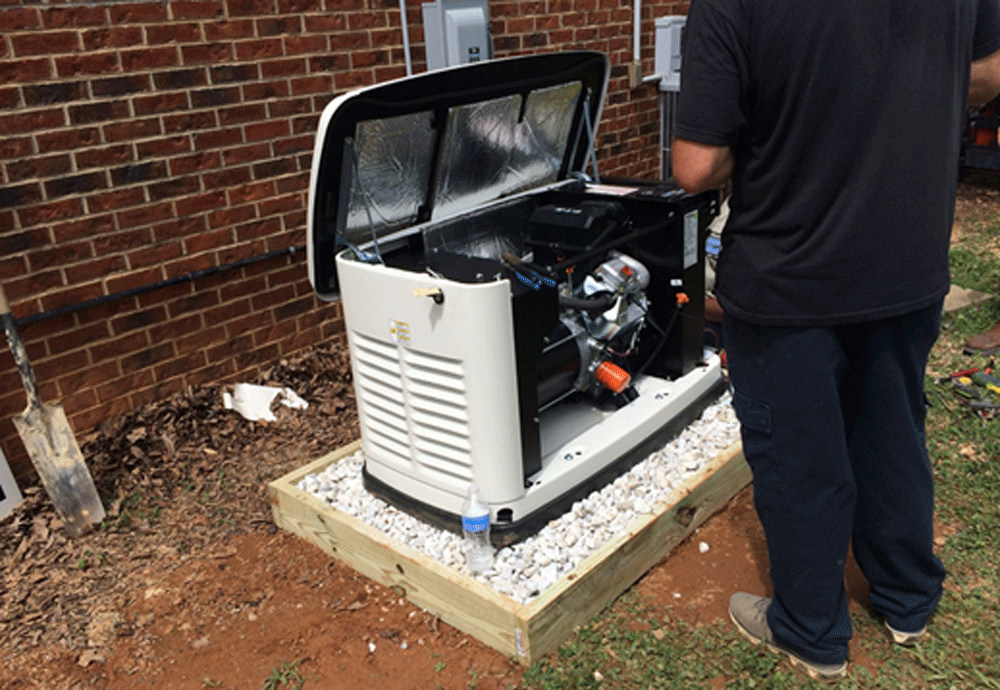
Whole House Surge Protector Stokesdale
You’re not just protecting devices—you’re protecting thousands of dollars that insurance won’t cover when power surges strike. Most homeowners don’t realize that 80% of damaging surges actually start inside their own home every time the air conditioner, refrigerator, or other major appliances cycle on and off.
A whole home surge protector installed at your electrical panel stops these surges before they reach your expensive electronics. Your smart TV, computer, refrigerator, HVAC system, and every other device gets comprehensive protection instead of hoping those $20 power strips will save your $3,000 appliances.
When the next storm rolls through Stokesdale, NC or your AC kicks on during a hot summer afternoon, you’ll have real peace of mind knowing everything is protected.
Surge Protection Device Installation Stokesdale
We’ve been installing surge protection systems in Stokesdale, NC and surrounding areas since 2002. Our Master Electrician Andy Helton brings over 35 years of hands-on electrical experience to every installation, and we’re members of the National Electrical Contractors Association.
We understand North Carolina’s unique electrical challenges. The summer thunderstorms that light up the sky, aging utility infrastructure, and high cooling loads that stress electrical systems. That’s exactly why we focus on whole home solutions that protect everything under your roof, not just a few outlets.
You work directly with local professionals who know Stokesdale homes inside and out, and we back our work with warranties up to 25 years because we believe in doing the job right the first time.
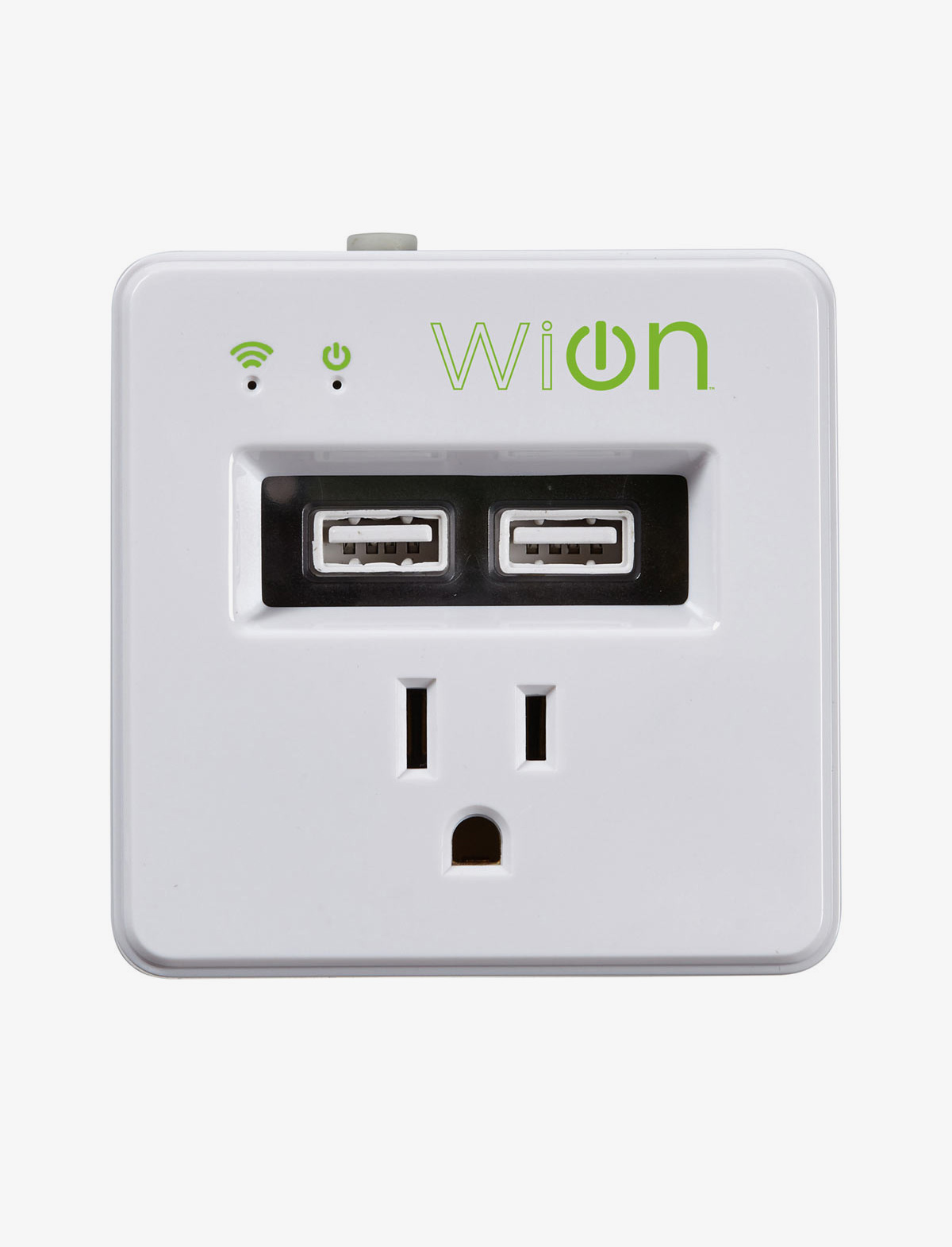
Residential Surge Protection Installation Stokesdale
We start by evaluating your electrical panel and grounding system to determine exactly what type of surge protection device your home needs. Every house is different, and the age of your electrical system, panel capacity, and existing grounding all factor into choosing the right protection level.
Next, we install the whole house surge protector directly at your main electrical panel where it becomes your first line of defense. The device connects to your home’s grounding system, instantly diverting dangerous voltage spikes away from your circuits the moment they’re detected.
After installation, we test everything thoroughly and show you the status indicators so you know your protection is working. The entire process typically takes about two hours, we clean up completely, and you’ll have flat-rate pricing so there are no surprises on your bill.
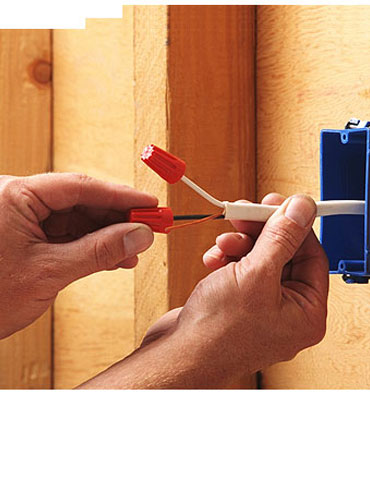
Power Surge Protection Stokesdale NC
Your whole home surge protection system responds in nanoseconds when voltage spikes occur, clamping down on surges before they can travel through your wiring and damage electronics. Unlike individual surge protectors that only protect what’s plugged into them, this system safeguards every outlet, light switch, and hardwired appliance in your house.
Here in Stokesdale, NC, where summer storms and utility grid switching create frequent surge conditions, comprehensive protection makes financial sense. Your HVAC system, water heater, garage door opener, dishwasher, and built-in appliances get the same level of protection as your computers and entertainment systems.
We install professional-grade surge protection devices from trusted manufacturers like Siemens, Square D, and General Electric that are specifically designed to handle North Carolina’s electrical conditions and provide years of reliable service.
What does whole house surge protection cost in Stokesdale, NC?
A quality whole home surge protector typically runs $300-600 for the device itself, plus $150-250 for professional installation. Your total investment usually ranges from $450-850 depending on your electrical panel setup and the protection level you choose.
That might sound like a lot until you consider what you’re protecting. Replacing a damaged HVAC system ($5,000-8,000), refrigerator ($1,500-3,000), and a few electronics after a major surge can easily cost $10,000 or more. Most homeowner’s insurance policies specifically exclude surge damage, so you’re paying those replacement costs entirely out of pocket.
The protection system pays for itself the very first time it prevents damage to your expensive appliances and electronics.
Aren't power strips enough protection for my electronics?
Power strips only protect whatever’s plugged directly into them, and they’re not designed to handle the large surges that whole home systems are built for. More importantly, they do absolutely nothing for your hardwired appliances like HVAC systems, water heaters, garage door openers, or built-in kitchen appliances.
These hardwired systems often represent the most expensive equipment in your home—thousands of dollars worth of appliances that are completely exposed to power surges without whole home protection. A single surge can fry your air conditioner’s control board, requiring an $800-1,500 repair that whole home protection would have prevented.
Power strips also degrade over time and stop working without giving you any warning that they’re no longer protecting anything. A whole home system gives you comprehensive coverage with status monitoring so you always know it’s working.
How often do homes in North Carolina actually experience power surges?
You experience small power surges multiple times every single day, mostly from appliances inside your own home. Every time your air conditioner starts up, your refrigerator compressor kicks in, or you turn on a power tool, it creates voltage spikes that affect other circuits throughout your house.
North Carolina’s frequent thunderstorms add another layer of surge activity, especially during our active summer storm season. Our utility grid switching and transformer operations create additional surges that most homeowners never notice until equipment starts failing prematurely.
These repeated small surges cause what electricians call “electronic rust”—gradual damage that slowly degrades your electronics and shortens their lifespan. Most people don’t connect premature appliance failures to surge damage, but that’s often exactly what’s happening.
Can surge protection actually reduce my electric bills?
Yes, whole home surge protection can lower your electric bills by helping appliances and electronics operate more efficiently. When electrical devices constantly deal with voltage fluctuations and small surges, they have to work harder to maintain normal operation, which increases their power consumption.
Surge protection ensures your appliances receive clean, steady electricity, allowing them to operate at their designed efficiency levels. This is especially noticeable with motor-driven equipment like your HVAC system, refrigerator, and washing machine that consume significant electricity.
The energy savings aren’t dramatic, but they do add up over time. More importantly, your appliances last longer when they’re not constantly battling voltage irregularities, which saves you much more money in replacement costs than you’ll ever save on utility bills.
How long do whole house surge protectors last before replacement?
Quality whole home surge protectors typically last 3-5 years, though their lifespan depends on how many surges they absorb and the severity of those surges. The internal components that do the actual surge suppression gradually wear out as they protect your home.
Most modern units include status indicators that show when they’re functioning properly and alert you when replacement is needed. Some newer models even offer remote monitoring capabilities that can send notifications to your smartphone when service is required.
Regular inspection by a qualified electrician helps ensure your surge protector is still providing protection. A worn-out surge protector that’s no longer working leaves your home just as vulnerable as having no protection at all, which is why monitoring and timely replacement are crucial.
Why can't I just install a whole house surge protector myself?
Whole house surge protectors must be installed by a licensed electrician because the work involves your main electrical panel with live electrical circuits—extremely dangerous without proper training, tools, and safety equipment. One mistake can result in electrocution, house fires, or serious damage to your electrical system.
Proper installation requires understanding electrical codes, sizing the protection device correctly for your specific panel, and ensuring all connections meet safety standards. DIY installation voids manufacturer warranties and can create liability issues with your homeowner’s insurance if problems occur.
Professional installation typically takes about 2 hours and includes system testing to verify everything works correctly. You get peace of mind knowing the job was done safely and correctly, plus you maintain all warranties and insurance coverage.
About Us

Electrical Service Providers (ESP) has been in business since 2002. ESP started out performing wiring services to new construction, remodeling projects and residential homes. Our company’s president identified a market for electrical services to be performed in homes and businesses independent of new construction. Read More about Electrical Service Providers>>
All Rights Reserved.Organic Marketing LLC
Business Listings


Product Brands Used
Allied, Broan, Cutler Hammer, General Electric, Ideal, Juno, Kohler, Leviton, Lutron, Siemens, Square D
Contact
- Office Address: 3254 S Anthony Ct.
Burlington, NC 27215 - Mailing Address: PO Box 25
Alamance, NC 27201 - Phone: 336-228-3300
- E-mail: [email protected], [email protected]
Service Areas
Chapel Hill, Burlington, Carrboro, Durham, Gibsonville, Hillsborough, Graham, Pittsboro, Morrisville, Cary
About Us
Electrical Service Providers (ESP) has been in business since 2002. ESP started out performing wiring services to new construction, remodeling projects and residential homes. Our company’s president identified a market for electrical services to be performed in homes and businesses independent of new construction. Read More about Electrical Service Providers>>
All Rights Reserved.Organic Marketing LLC