Generator Repair in Bells, NC
Your Generator Quit When You Needed It Most
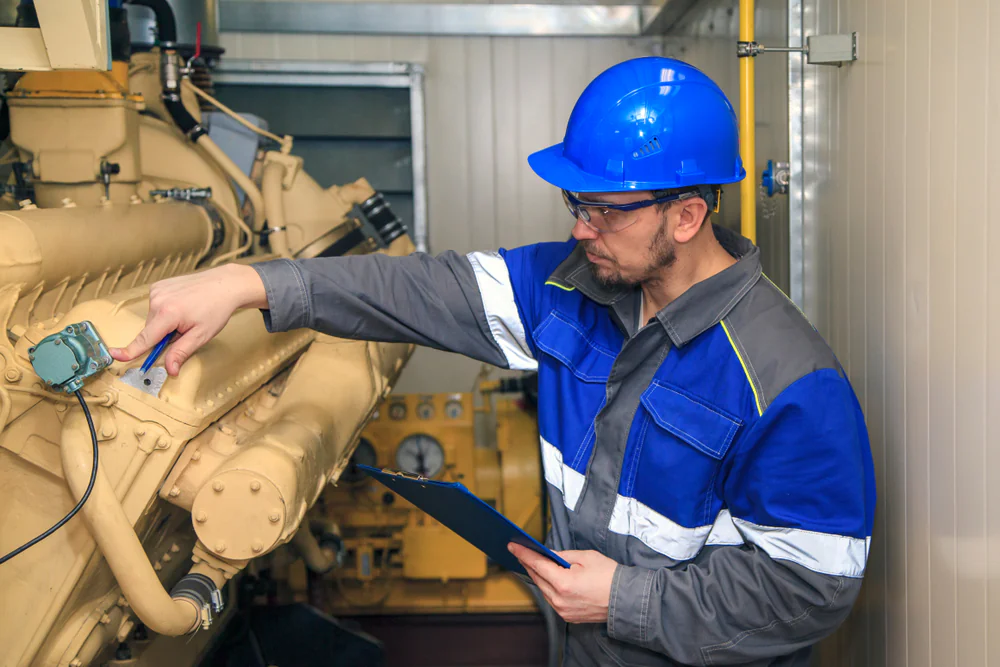
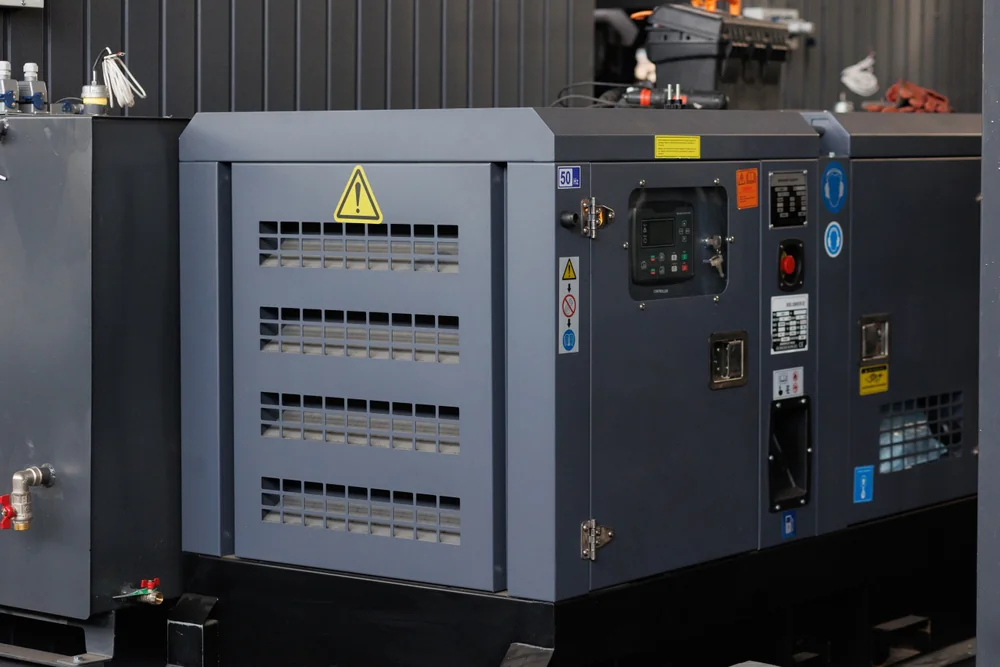
Backup Generator Repair Bells NC
When your generator works the way it should, you don’t think about it. The power goes out, and fifteen seconds later, your lights are back on. Your fridge keeps running. Your heat stays on. Life continues.
That’s what you paid for. And when your generator doesn’t start – or starts but won’t carry the load – you’re stuck with spoiled food, a cold house, and the sinking feeling that your backup plan just became your biggest problem.
We repair generators so they work when it matters. That means diagnosing the real issue, not guessing. Fixing it completely, not temporarily. And making sure it fires up the next time the power drops – whether that’s next week or next year.
Generator Service Bells NC
ESP Electrical Service Providers has been serving Bells, NC and the surrounding Iredell County area since 2002. We’re locally owned and operated by Andy Helton, a Master Electrician with over 35 years of electrical experience.
Our team includes a Senior Field Service Technician who’s been a licensed electrical contractor since 1989. That’s more than two decades focused specifically on service and maintenance work – the kind of experience that matters when you’re troubleshooting a generator that won’t start at 10 PM during an ice storm.
We work on all major generator brands. We use flat-rate pricing, so there’s no surprise when the bill comes. And we show up in fully stocked trucks, which means we can usually complete repairs the same day instead of ordering parts and coming back later.
Home Generator Repair Process
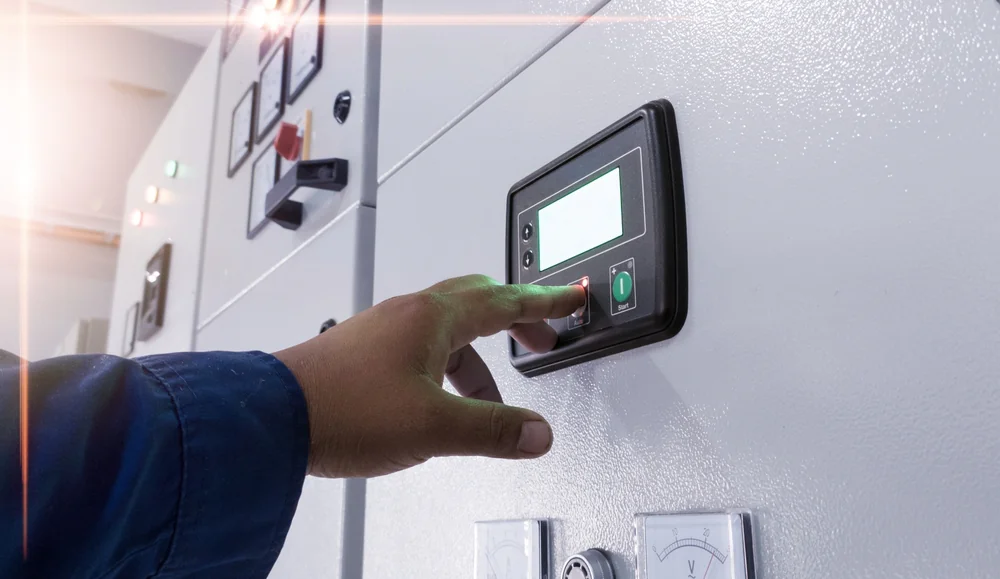
First, we figure out what’s wrong. Not what we think might be wrong – what’s actually broken or failing. That starts with listening to what happened when it didn’t work, then running diagnostics to confirm the problem.
Most generator issues fall into a few categories: fuel system problems, battery failures, starter malfunctions, or control board issues. Sometimes it’s something simple like low oil triggering a safety shutoff. Other times it’s more complex – a bad transfer switch, worn alternator, or clogged fuel line.
Once we’ve identified the issue, we give you a flat-rate price before we start the repair. No hourly guessing games. Then we fix it using the right parts – not universal substitutes that might work for a while.
After the repair, we test the generator under load to make sure it’s actually producing the power it should. We check the transfer switch to confirm it’s switching properly. And we walk you through what we found and what we fixed, so you understand what happened and why.
Generator Repair Services Bells
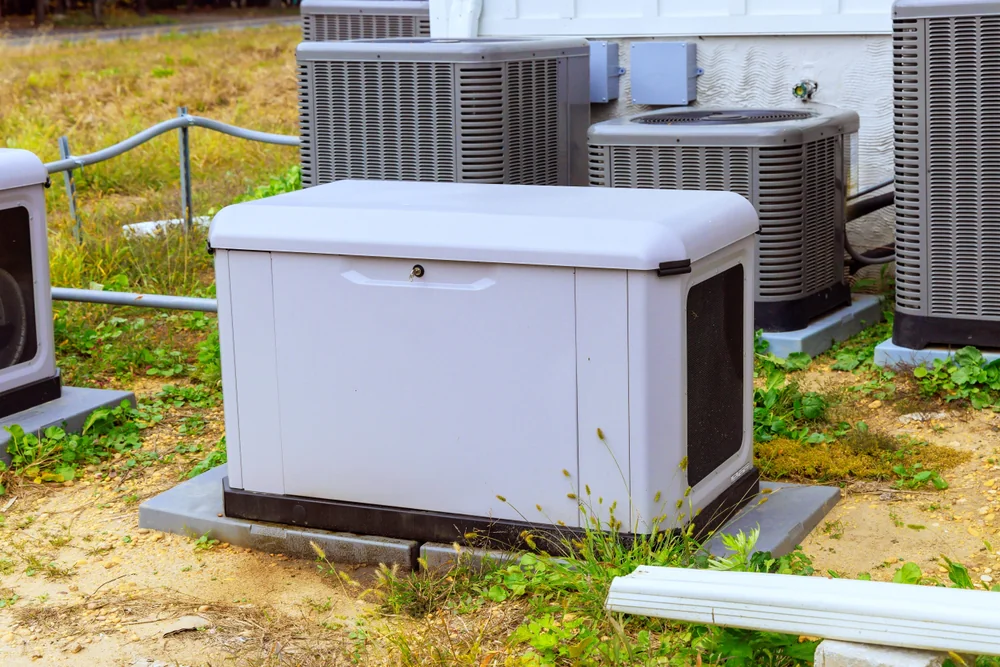
Generator repair in Bells, NC isn’t just about fixing what broke today. It’s about making sure your backup power system is ready for the next outage – and in this part of North Carolina, that next outage could come any time.
Iredell County sits in the Triad region, where weather hits from multiple directions. Ice storms roll through in winter – like the February 2021 storms that knocked out power to over 80,000 Triad homes for days. Summer brings thunderstorms and remnants of tropical systems pushing inland from the coast. North Carolina currently ranks third in the nation for power outages, which means your generator isn’t a luxury – it’s the difference between riding out a storm comfortably and scrambling to find a hotel room.
When we repair your home generator, the service includes complete diagnostics, the actual repair work, parts replacement as needed, load testing to verify output, and a final check of your transfer switch operation. If we find other issues during the repair – things that aren’t broken yet but will be soon – we’ll let you know so you can decide whether to address them now or wait.
The goal is simple: when we leave, your generator should be ready to carry your house through the next power outage, whether that’s tomorrow or three months from now.

How much does generator repair cost in Bells, NC?
Generator repair costs depend entirely on what’s broken. A simple fix like replacing a dead battery or changing dirty oil might run a few hundred dollars. More complex repairs – replacing a transfer switch, rebuilding a carburetor, or fixing control board issues – can cost more.
We use flat-rate pricing, which means you’ll know the cost before any work starts. That’s different from hourly billing, where the final price depends on how long the job takes. With flat-rate pricing, if the repair takes longer than expected, that’s on us – your price doesn’t change.
The bigger cost isn’t the repair itself – it’s what happens when your generator doesn’t work during an outage. A refrigerator and freezer full of spoiled food can easily cost $500 or more to replace. If frozen pipes burst because your heat went out, you’re looking at thousands in water damage. Most generator repairs cost less than the problems they prevent.
What are the most common reasons a generator won't start?
Dead batteries are the number one reason generators fail to start. Generators don’t run often, which means their batteries sit idle for weeks or months at a time. If the battery isn’t being maintained properly, it loses its charge and can’t turn the starter motor when the power goes out.
Low oil is another common culprit. Most modern generators have a low-oil shutoff sensor that prevents the engine from starting if oil levels drop too low. It’s a safety feature designed to protect the engine, but it means your generator won’t start even if everything else is working fine.
Fuel system issues cause a lot of start failures too. Stale fuel, clogged fuel filters, or problems with the fuel pump can all prevent the engine from getting the fuel it needs to fire up. Natural gas and propane systems can have valve issues or pressure problems that keep fuel from reaching the engine. And sometimes the issue is electrical – a faulty starter, bad ignition coil, or failed control board that prevents the starting sequence from completing.
How often should I have my backup generator serviced?
Most generator manufacturers recommend annual maintenance at minimum. If your generator runs frequently – either because you test it weekly or because you’ve had multiple power outages – you should have it serviced twice a year.
Regular maintenance isn’t just about changing the oil, though that’s part of it. A proper service includes checking and replacing the oil and oil filter, inspecting and replacing the air filter, checking the battery and charging system, testing the transfer switch operation, inspecting fuel lines and connections, checking coolant levels, and running the generator under load to verify it’s producing the correct power output.
Here’s why that matters: generators sit idle most of the time, which creates its own set of problems. Seals can dry out. Fuel can go stale. Batteries lose their charge. Rodents sometimes nest in the housing and chew through wiring. Regular maintenance catches these issues before they turn into failures. It’s a lot cheaper to replace a worn belt during a service visit than to have your generator quit halfway through a three-day outage because that belt snapped under load.
Can you repair all generator brands or just certain ones?
We work on all major generator brands, including Generac, Kohler, Briggs & Stratton, and others. The fundamentals of how generators work are similar across brands – they all have an engine, an alternator, a transfer switch, and a control system. What changes are the specific parts, the control logic, and the diagnostic procedures.
That said, some brands are more common in residential installations than others. Generac is the most widely installed whole-house generator brand in North Carolina, which means parts are readily available and we see them frequently. Kohler is another popular choice, especially in higher-end installations. Both are solid systems when properly maintained.
The brand matters less than the quality of the installation and the consistency of the maintenance. A well-installed and regularly serviced generator from any reputable manufacturer will outlast a premium unit that was installed incorrectly or never maintained. If your generator is having problems, the first step is diagnosing what’s actually wrong – and that process is the same regardless of what name is on the housing.
What happens if my generator fails during a power outage?
If your generator fails during an active power outage, call us immediately. We offer emergency generator repair service because we understand that generator failures don’t wait for convenient timing – they happen when you’re actually using the unit, which means during storms, ice events, or other situations that caused the outage in the first place.
Emergency repairs focus on getting your power back on as quickly as possible. That might mean a temporary fix to restore function now, with a more permanent repair scheduled once the outage is over and conditions are safer. Or it might mean a complete repair on the spot if the problem is straightforward and parts are available.
The key is calling as soon as you realize there’s a problem. The longer a generator sits broken during an outage, the more damage you risk to your home – frozen pipes, spoiled food, loss of heat or cooling, security system failures. Even if the repair can’t happen immediately, at least you’ll know what’s wrong and what your options are, which is better than sitting in the dark wondering whether to keep waiting or start looking for a hotel.
Should I repair my old generator or replace it with a new one?
It depends on what’s wrong, how old the unit is, and how much a replacement would cost. As a general rule, if the repair costs more than half the price of a new generator, replacement usually makes more sense – especially if the generator is more than ten years old.
Age matters because generator technology has improved significantly over the past decade. Newer units are more fuel-efficient, quieter, and easier to monitor remotely. They also have better load management systems, which means a smaller generator can often power more of your house than an older, larger unit could. And if your current generator is old enough that parts are becoming hard to find, you’re setting yourself up for longer repair times and higher costs every time something breaks.
That said, if your generator is relatively new and the problem is straightforward – a failed battery, a clogged fuel filter, a worn belt – repair makes perfect sense. These are normal maintenance items that don’t indicate the generator is at the end of its life. We’ll be honest about whether a repair is worth making or whether you’re throwing money at a unit that’s going to keep having problems. If you’re unsure, ask us for a straight assessment: is this repair going to solve the problem for the next few years, or are we just buying time until the next failure?
Other Services we provide in Bells
About Us

Electrical Service Providers (ESP) has been in business since 2002. ESP started out performing wiring services to new construction, remodeling projects and residential homes. Our company’s president identified a market for electrical services to be performed in homes and businesses independent of new construction. Read More about Electrical Service Providers>>
All Rights Reserved.Organic Marketing LLC
Business Listings


Product Brands Used
Allied, Broan, Cutler Hammer, General Electric, Ideal, Juno, Kohler, Leviton, Lutron, Siemens, Square D
Contact
-
Office Address:
3254 S Anthony Ct.
Burlington, NC 27215 -
Mailing Address:
PO Box 25
Alamance, NC 27201 - Phone: 336-228-3300
- E-mail: an**@****nc.com, jo**@****nc.com
Service Areas
Chapel Hill, Burlington, Carrboro, Durham, Gibsonville, Hillsborough, Graham, Pittsboro, Morrisville, Cary
About Us
Electrical Service Providers (ESP) has been in business since 2002. ESP started out performing wiring services to new construction, remodeling projects and residential homes. Our company’s president identified a market for electrical services to be performed in homes and businesses independent of new construction. Read More about Electrical Service Providers>>
All Rights Reserved.Organic Marketing LLC