Generator Repair in Farmville, NC
Your Generator Works When You Need It
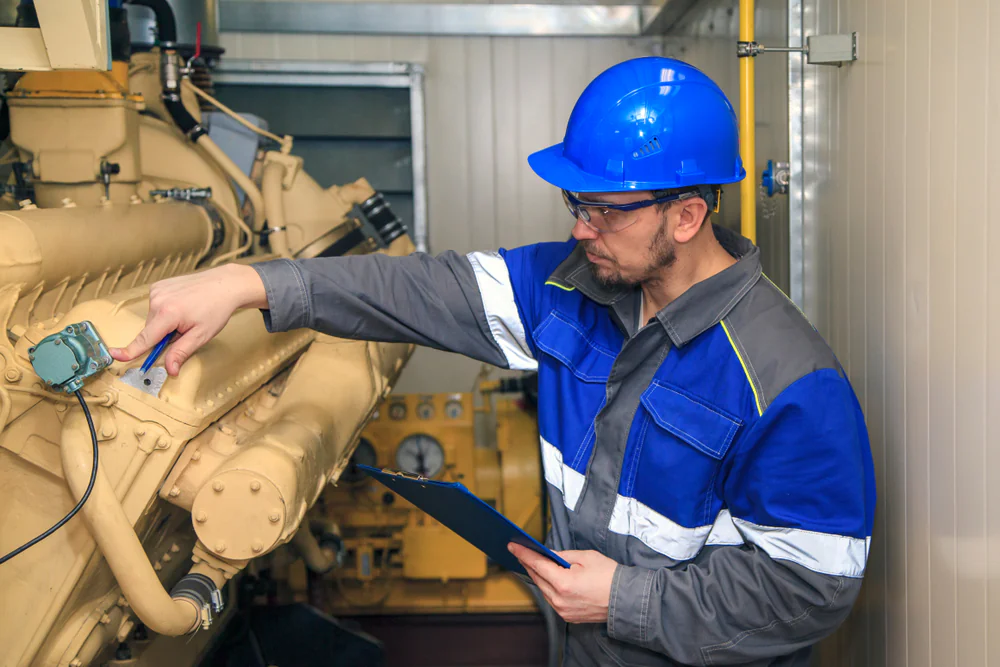
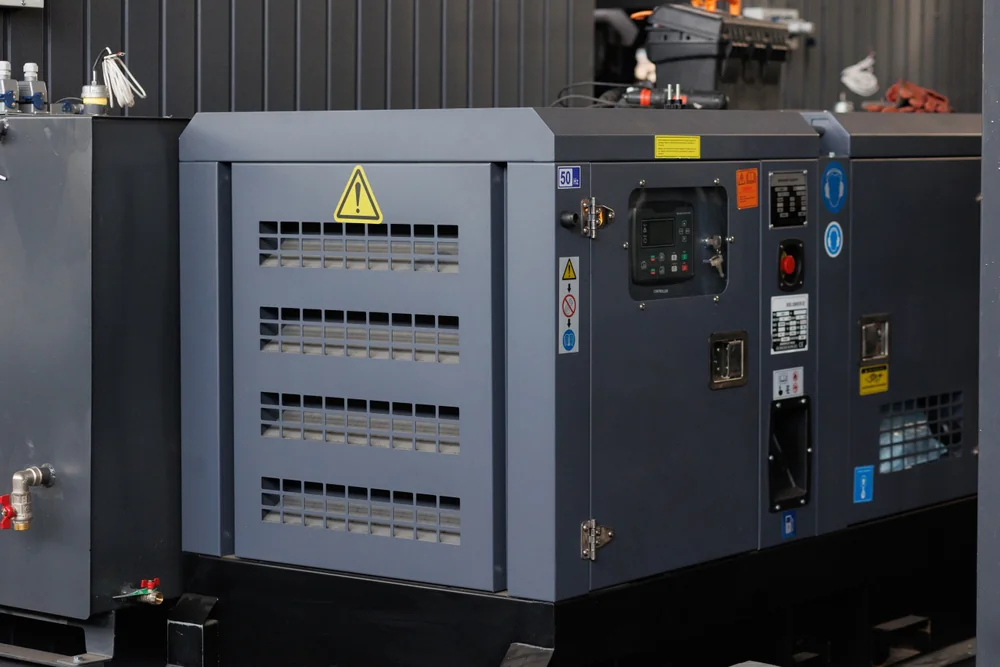
Backup Generator Repair Farmville
You bought a backup generator for home for a reason. To keep your family safe when severe weather knocks out power across Pitt County. To protect hundreds of dollars of food in your freezer. To make sure your heat stays on during winter ice storms and your AC keeps running through summer outages.
But a home generator that doesn’t start when you need it is just an expensive lawn ornament. That’s where generator repair comes in. Regular maintenance catches the small problems before they become big ones. A dead battery, clogged fuel filter, or faulty transfer switch can all prevent your system from kicking on during an outage.
When we repair your backup generator in Farmville, you get a licensed electrician who knows how these systems work. Not someone guessing. We diagnose the actual problem, fix it right, and test the system to make sure it’ll run when the power goes out. Whether it’s a Generac whole house generator installation, Kohler, or another brand, we work on most makes and models.
Generator Installers Farmville NC
ESP Electrical Service Providers has been handling electrical work and generator installation in North Carolina since 2002. We’re locally owned and operated by Andy Helton, a Master Electrician with more than 35 years of experience. We serve Farmville and the surrounding eastern NC communities with the same approach we’ve used for over two decades: show up when scheduled, do the work right, and charge what was quoted.
Farmville sits in an area that gets hit hard by weather. Tropical storms roll through in summer and fall. Ice storms knock out power in winter. When outages happen in rural areas, they can last for days. That’s why backup generators for home matter here, and why keeping them maintained matters even more. Our generator installers are fully licensed and insured to work on home generator systems throughout the region.
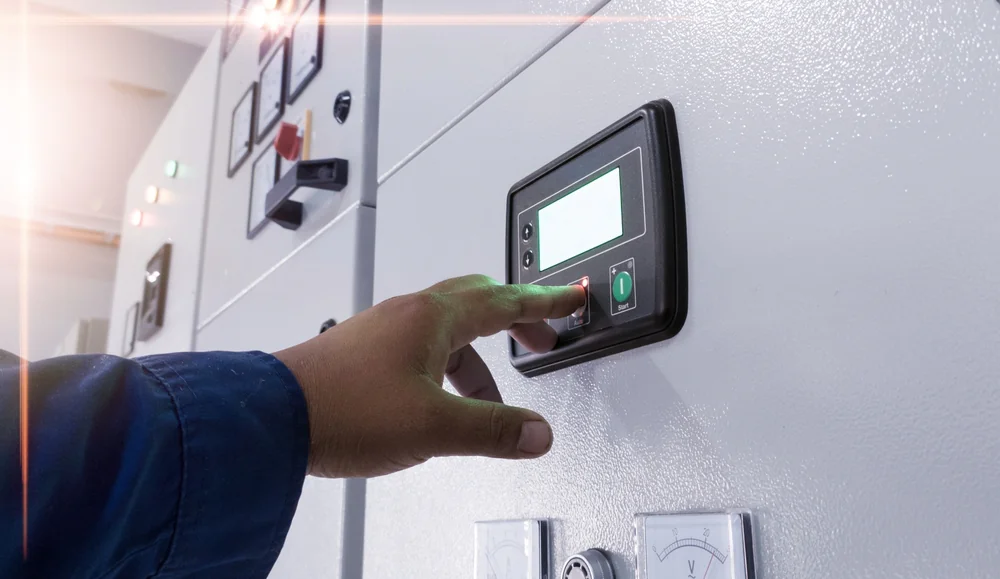
Home Generator Service Farmville
Generator repair starts with figuring out what’s actually wrong. Our electricians inspect the entire system, not just the obvious parts. We check the battery, fuel lines, transfer switch, control panel, and engine components. We test the system under load to see how it performs when it’s actually working.
Once we identify the problem, you get a clear explanation of what needs to be fixed and how much it’ll cost. Flat-rate pricing means you know the cost before work starts. No surprises when the job’s done.
Repairs might involve replacing a worn battery, cleaning fuel injectors, fixing wiring connections, or replacing a faulty transfer switch. For more complex issues with your in home generator, we source the right parts and get your system back online. After repairs, we run the generator through a full test cycle to confirm everything works properly. You’ll see it start, transfer power, and run smoothly before we leave.
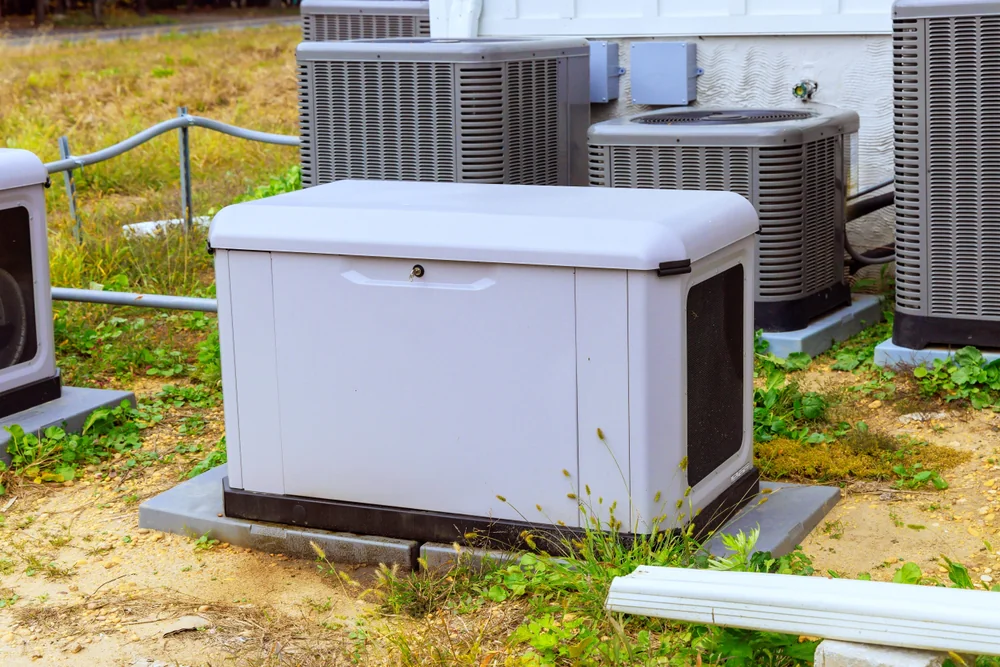
Whole House Generator Installation Farmville
Generator repair in Farmville covers more than just fixing what’s broken. It includes the maintenance that prevents breakdowns in the first place. Most home generators need service every six months to stay in good shape. That means oil and filter changes, battery checks, fuel system inspection, and testing the automatic transfer switch.
Eastern North Carolina’s climate is tough on generators. High humidity, temperature swings, and long periods of sitting idle between uses can all cause problems. Regular service catches issues like corroded connections, fuel degradation, or battery drain before they leave you without power during the next outage.
We work on generators throughout Farmville and Pitt County. Whether you need emergency repair after a storm, routine maintenance on your whole house generator installation, or diagnostics on a system that’s not running right, the process is straightforward. You call, we schedule a time that works, and a licensed electrician shows up in a fully stocked truck. Most repairs happen on the first visit because the truck carries common parts and tools. If your backup generator for home needs specialized components, we’ll source them and get back to finish the job quickly.

How often does my backup generator need maintenance in Farmville?
Most whole house generators need professional maintenance every six months. That schedule keeps the system ready to run when you actually need it. During a maintenance visit, the electrician changes the oil and filter, inspects the battery and charging system, checks fuel lines and connections, tests the transfer switch, and runs the generator under load to verify performance.
If you run your generator frequently or if it kicks on during multiple outages throughout the year, you might need service more often. Generators that sit unused for long periods can develop problems too. Fuel can degrade, batteries can lose charge, and seals can dry out. Regular maintenance catches these issues before they prevent your backup generator for home from starting during a power outage.
Skipping maintenance might save money in the short term, but it usually costs more in the long run. A generator that fails during an outage means spoiled food, uncomfortable temperatures, and potentially serious problems if you rely on powered medical equipment. Routine service is cheaper than emergency repairs and a lot less stressful than dealing with a dead generator when the power’s out across Pitt County.
What are the most common generator problems in eastern NC?
Battery failure is the number one reason home generators don’t start when the power goes out. Generator batteries charge from the unit itself, but if the charging system fails or the battery ages out, you won’t get that automatic startup you’re counting on. Most generator batteries need replacement every three to four years.
Fuel system problems come in second. Natural gas generators can have issues with gas valve operation or pressure regulation. Propane systems can develop problems with tank pressure, especially in cold weather, or with fuel line connections. Both types can have clogged fuel filters or injectors that prevent proper engine operation.
Transfer switch failures also happen, though less frequently. The transfer switch is what detects a power outage and signals your in home generator to start. If the switch malfunctions, your generator might not know it needs to kick on. Electrical connections can corrode over time, especially in eastern North Carolina’s humid climate. Control board issues can also prevent proper operation. Regular testing catches most of these problems before they leave you without backup power when you need it most.
Can you repair generators you didn't install?
Yes. We service and repair most generator makes and models regardless of who installed them. Whether you bought your generator from another company, moved into a home that already had a whole house generator installation, or installed it yourself, our licensed electricians can diagnose and fix the problems.
The repair process is the same. An electrician inspects the system, identifies what’s wrong, provides clear pricing for the fix, and completes the work. Having the model number and any maintenance records helps, but isn’t required. Most generator issues involve common components like batteries, fuel systems, or transfer switches that work similarly across different brands.
Some repairs might require manufacturer-specific parts, especially for newer or specialized models. In those cases, we source the correct components and complete the repair. The goal is getting your backup power system working properly, not worrying about who installed it originally. If you’re in Farmville or the surrounding area and your home generator isn’t working right, we can help get it fixed.
How long does generator repair usually take?
Simple repairs often happen during the first service call, usually within an hour or two. Replacing a battery, cleaning fuel components, or fixing loose wiring connections are straightforward jobs that don’t require multiple visits. Our service trucks carry common parts and tools, which means most routine repairs get done on the spot.
More complex problems take longer. If your backup generator for home needs a new transfer switch, control board, or major engine components, the repair might require ordering parts and scheduling a follow-up visit. Transfer switch replacement typically takes three to four hours once the part arrives. Control board issues can take similar time depending on the specific problem.
Emergency repairs after storms sometimes take longer because of high demand and parts availability. When severe weather knocks out power across eastern NC, generator service requests spike. We prioritize emergency calls, but response times can be longer than normal. That’s another reason preventive maintenance matters. A generator that’s been serviced regularly is less likely to fail during a storm when you need it most and when getting service is hardest.
What's the difference between generator repair and generator replacement?
Repair makes sense when your generator has a specific fixable problem and the unit still has useful life left. If your home generator is relatively new, under warranty, or just needs routine maintenance and minor repairs, fixing it is usually the smart choice. Most generators last 15 to 20 years with proper maintenance, so a five or ten-year-old unit with a dead battery or fuel system issue is worth repairing.
Replacement makes more sense when repair costs approach or exceed the cost of a new unit. If your generator is old, has had multiple major repairs, or the manufacturer no longer supports the model with parts, replacement might be the better investment. Generators that can’t produce enough power for your current needs also warrant replacement rather than repair.
We can help you make that decision. During a service call, we’ll assess the generator’s overall condition, not just the immediate problem. If the unit shows signs of widespread wear, has outdated technology, or would require expensive repairs that only buy a few more years of operation, a new whole house generator installation might make more financial sense. On the other hand, if the generator is in good shape overall and just needs a specific repair, fixing it is usually the right call.
Do you offer emergency generator repair in Farmville?
Yes. We provide emergency electrical service including generator repair. When your backup power system fails during or after a storm, you need help fast. Emergency service means getting an electrician out to diagnose and fix the problem as quickly as possible, even outside normal business hours.
Keep in mind that emergency repairs during active weather events or widespread outages can have longer response times than usual. When severe weather hits Farmville and the surrounding area, service calls increase dramatically. We prioritize calls based on urgency and safety, but response times during major storms may be longer than during normal conditions.
The best way to avoid needing emergency generator repair is regular preventive maintenance. Home generators that receive routine service every six months are far less likely to fail when you need them. Catching small problems during scheduled maintenance prevents them from becoming emergency situations during power outages. If you haven’t had your backup generator for home serviced recently, scheduling maintenance now means it’ll be ready when the next storm rolls through eastern North Carolina.
About Us

Electrical Service Providers (ESP) has been in business since 2002. ESP started out performing wiring services to new construction, remodeling projects and residential homes. Our company’s president identified a market for electrical services to be performed in homes and businesses independent of new construction. Read More about Electrical Service Providers>>
All Rights Reserved.Organic Marketing LLC
Business Listings


Product Brands Used
Allied, Broan, Cutler Hammer, General Electric, Ideal, Juno, Kohler, Leviton, Lutron, Siemens, Square D
Contact
-
Office Address:
3254 S Anthony Ct.
Burlington, NC 27215 -
Mailing Address:
PO Box 25
Alamance, NC 27201 - Phone: 336-228-3300
- E-mail: an**@****nc.com, jo**@****nc.com
Service Areas
Chapel Hill, Burlington, Carrboro, Durham, Gibsonville, Hillsborough, Graham, Pittsboro, Morrisville, Cary
About Us
Electrical Service Providers (ESP) has been in business since 2002. ESP started out performing wiring services to new construction, remodeling projects and residential homes. Our company’s president identified a market for electrical services to be performed in homes and businesses independent of new construction. Read More about Electrical Service Providers>>
All Rights Reserved.Organic Marketing LLC