Generator Repair in Green Level
Your Generator Fixed Right the First Time
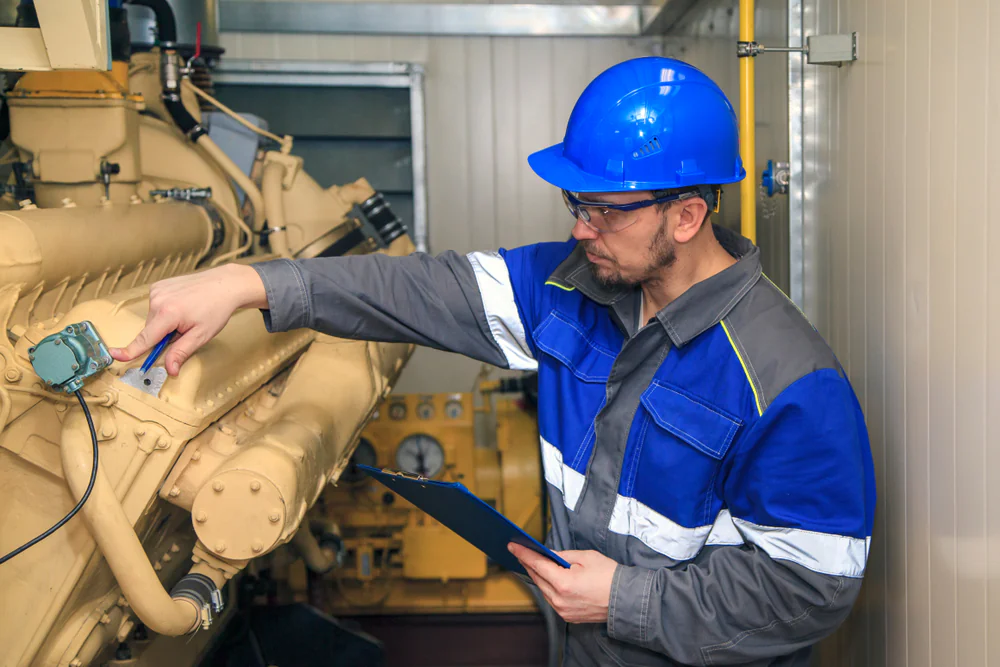
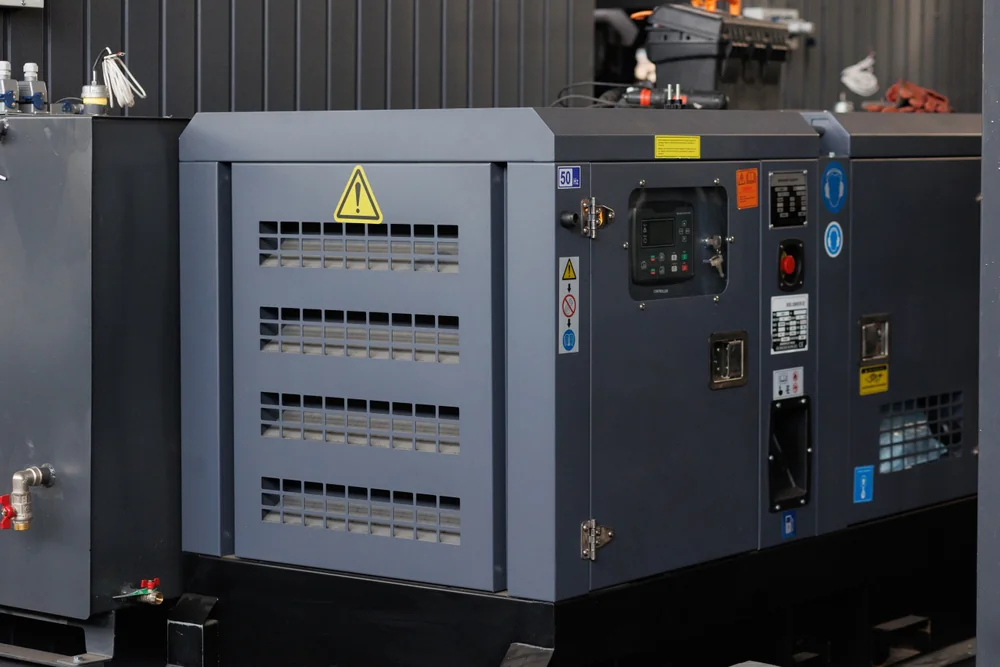
Professional Generator Service Green Level
Your generator was supposed to be your safety net. Now it’s sitting there, useless, while you’re wondering if your food will spoil and your family will stay comfortable during the next outage.
Here’s what changes when your generator actually works: You sleep better knowing your backup power will kick in automatically. Your refrigerator keeps running, your HVAC system maintains comfortable temperatures, and essential medical equipment stays powered. No more scrambling for candles or worrying about spoiled groceries.
The difference isn’t just convenience—it’s peace of mind. When storms hit Green Level and the power goes out, your properly functioning generator becomes the barrier between chaos and normalcy.
Generator Repair Experts Green Level
We’ve been serving Green Level and surrounding North Carolina communities for over two decades. Our Master Electrician, Andy Helton, brings 35+ years of hands-on electrical experience to every generator repair.
We were one of the first Level III service providers for Eaton/Cutler-Hammer generators in North Carolina. That’s not just a credential—it’s proof that we understand these systems at a level most contractors never reach.
Green Level homeowners choose us because we show up when we say we will, fix what needs fixing, and don’t leave until your generator runs properly. We’ve seen how unpredictable North Carolina weather can knock out power for days, which is why we take generator reliability seriously.
Generator Repair Process Green Level
First, we diagnose the actual problem—not just the symptoms. Our fully stocked trucks carry the parts most generators need, so we can often complete repairs the same day.
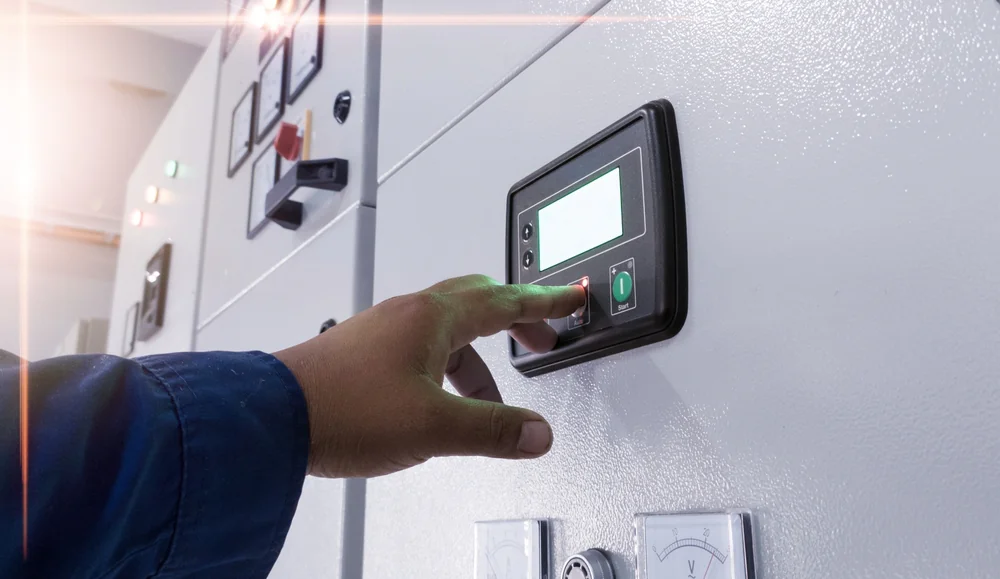
We start with a comprehensive system check. Is it a fuel delivery issue? Control panel malfunction? Transfer switch problem? We test each component systematically because guessing costs you time and money.
Once we identify the issue, we explain what’s wrong and what it’ll cost to fix—before we start any work. No surprises, no hidden fees. Our flat-rate pricing means you know exactly what you’re paying upfront.
After the repair, we test your generator under load to make sure it’s actually ready for the next outage. We don’t consider the job done until your system runs through its full cycle properly.
Generator Repair Services Green Level
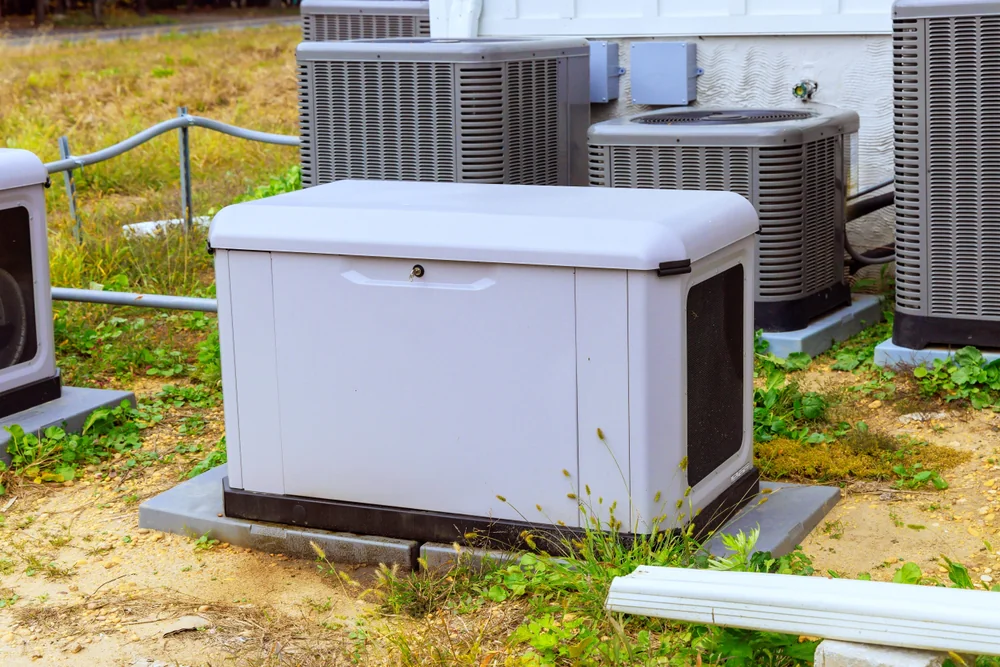
Every generator repair includes complete system diagnostics, not just fixing the obvious problem. We check fuel lines, electrical connections, control panels, and transfer switches because one failing component often stresses others.
Green Level’s climate puts unique demands on backup generators. High humidity can cause corrosion, while temperature swings affect fuel systems and electrical components. We account for these local factors in every repair, using parts and techniques that hold up in North Carolina weather.
You get flat-rate pricing, which means no hourly charges that pile up while we work. Our technicians arrive in uniform with fully stocked trucks, so most repairs happen the same day. We clean up completely before we leave—your property should look better than when we arrived.
The repair comes with our work guarantee. If something goes wrong with what we fixed, we come back and make it right at no additional cost.

How much does generator repair typically cost in Green Level, NC?
Generator repair costs vary depending on what’s actually broken, but our flat-rate pricing means you’ll know the exact cost before we start any work. Simple fixes like replacing filters or spark plugs typically cost less than major component repairs like control panel or transfer switch replacement.
We’ve found that most Green Level homeowners spend more money on repairs when they wait too long to address problems. A minor fuel system issue that costs a few hundred dollars to fix can turn into a complete engine rebuild if ignored. That’s why we always recommend addressing generator problems as soon as you notice them.
The real cost isn’t just the repair—it’s what happens when your generator fails during the next power outage. Spoiled food, uncomfortable temperatures, and the stress of being without power often cost more than preventive repairs would have.
What are the most common generator problems in Green Level?
In Green Level’s climate, we see fuel system issues more than anything else. Humidity causes condensation in fuel tanks, while ethanol in gasoline can gum up carburetors and fuel lines. These problems are especially common in generators that sit unused for months between power outages.
Transfer switch problems are also frequent. These switches detect power outages and automatically start your generator, but they can fail due to corrosion or electrical issues. When your transfer switch malfunctions, your generator might run but not actually power your home.
Control panel failures happen more often with older units. Circuit boards don’t age gracefully, and power surges during storms can damage electronic components. The good news is that most control panel problems are repairable if caught early, but they can be expensive if the entire board needs replacement.
How quickly can you repair my generator in Green Level?
Most generator repairs in Green Level happen the same day, assuming we have the necessary parts in stock—which we usually do. Our trucks carry common replacement parts for major generator brands, so we’re not making multiple trips or ordering parts that take days to arrive.
Emergency repairs get priority scheduling. If your generator failed during a power outage or severe weather is approaching, we’ll work to get your backup power restored as quickly as possible. We understand that generator problems never happen at convenient times.
Complex repairs involving major component replacement might take longer, but we’ll give you a realistic timeline upfront. We’d rather tell you it’ll take two days and finish in one than promise same-day service and leave you hanging.
Do you service all generator brands in Green Level?
We service all major generator brands, including Generac, Kohler, Briggs & Stratton, Champion, and others. Our experience as one of North Carolina’s first Level III service providers for Eaton/Cutler-Hammer generators means we understand complex systems, not just basic maintenance.
Different brands have different quirks and common failure points. Generac generators might develop specific control panel issues, while Kohler units could have different fuel system problems. We stock parts for the most common brands and know where to source harder-to-find components quickly.
Even if you have an older or less common generator brand, we can usually help. Our 35+ years of electrical experience means we understand how these systems work fundamentally, regardless of who manufactured them.
Should I repair my old generator or buy a new one?
If repair costs exceed 50% of what a new generator would cost, replacement usually makes more sense financially. But the decision isn’t just about money—it’s about reliability when you need backup power most.
Generators older than 15 years often need frequent repairs because parts wear out and manufacturers discontinue support. You might fix one problem only to have another component fail months later. Newer generators are also more fuel-efficient and have better automatic features.
We’ll give you an honest assessment of your generator’s condition and remaining lifespan. Sometimes a well-maintained 10-year-old generator just needs a minor repair and will run reliably for years. Other times, an older unit with multiple problems is better replaced before it leaves you without power during the next outage.
What maintenance does my generator need to avoid repairs?
Annual professional maintenance prevents most generator problems we see in Green Level. This includes oil changes, filter replacement, spark plug inspection, and fuel system cleaning. Think of it like car maintenance—small investments in upkeep prevent expensive repairs later.
Between professional services, check your generator monthly. Make sure nothing is blocking air vents, fuel levels are adequate, and there are no obvious leaks or damage. Run your generator for 15-20 minutes monthly to keep internal components lubricated and prevent fuel from going stale.
North Carolina’s humidity makes fuel stabilizers especially important. If your generator sits unused for months, stale fuel can clog carburetors and fuel injectors. Adding fuel stabilizer and running the generator regularly prevents these expensive fuel system repairs.
About Us

Electrical Service Providers (ESP) has been in business since 2002. ESP started out performing wiring services to new construction, remodeling projects and residential homes. Our company’s president identified a market for electrical services to be performed in homes and businesses independent of new construction. Read More about Electrical Service Providers>>
All Rights Reserved.Organic Marketing LLC
Business Listings


Product Brands Used
Allied, Broan, Cutler Hammer, General Electric, Ideal, Juno, Kohler, Leviton, Lutron, Siemens, Square D
Contact
-
Office Address:
3254 S Anthony Ct.
Burlington, NC 27215 -
Mailing Address:
PO Box 25
Alamance, NC 27201 - Phone: 336-228-3300
- E-mail: an**@****nc.com, jo**@****nc.com
Service Areas
Chapel Hill, Burlington, Carrboro, Durham, Gibsonville, Hillsborough, Graham, Pittsboro, Morrisville, Cary
About Us
Electrical Service Providers (ESP) has been in business since 2002. ESP started out performing wiring services to new construction, remodeling projects and residential homes. Our company’s president identified a market for electrical services to be performed in homes and businesses independent of new construction. Read More about Electrical Service Providers>>
All Rights Reserved.Organic Marketing LLC