Generator Repair in Moncure, NC
Your Generator Failed. We'll Get It Running.
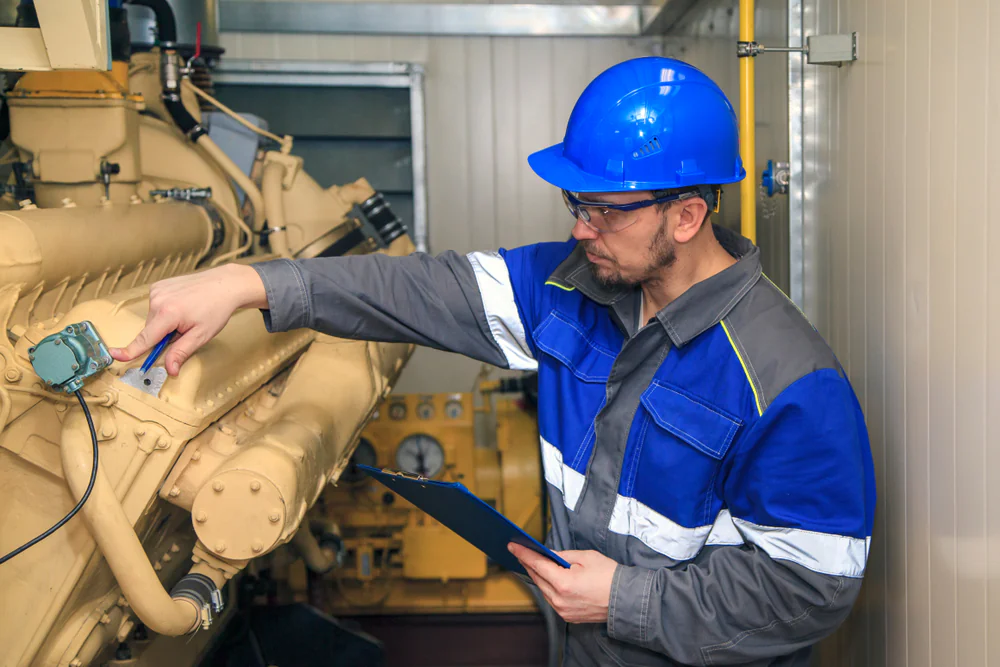
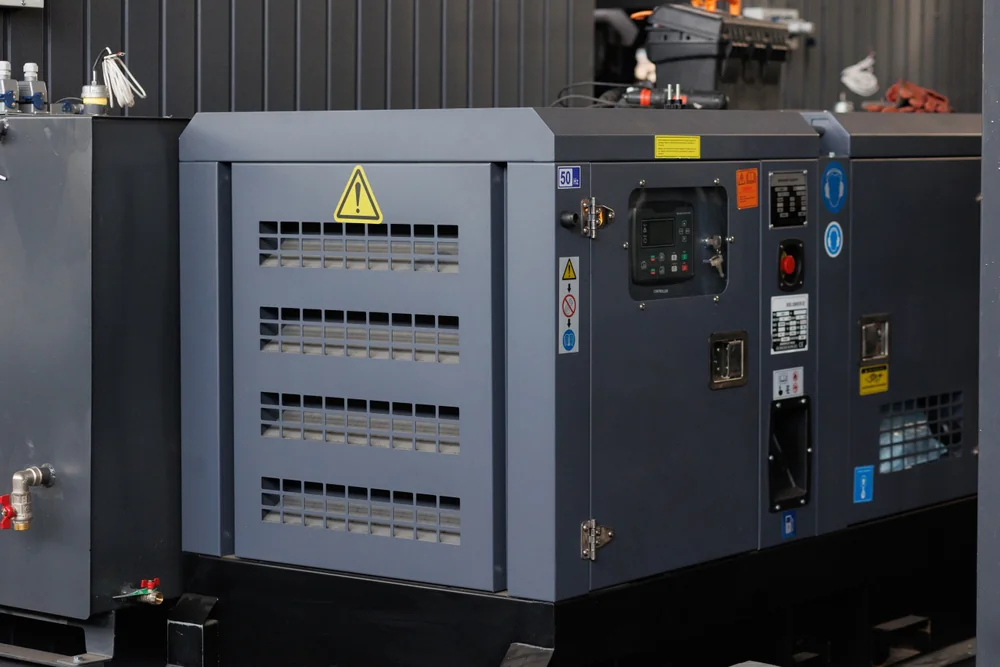
Backup Generator Repair Moncure
You’re not looking for a Band-Aid fix. You need your backup generator working reliably, especially with North Carolina ranking 5th nationwide for power outages. That means finding the actual cause—whether it’s a dead battery, clogged fuel filter, faulty transfer switch, or something deeper.
A proper repair means you’re not dealing with the same breakdown next storm season. It means your food stays cold, your heat stays on, and you’re not scrambling in the dark. It means one less thing to worry about when severe weather rolls through Chatham County.
The difference between a quick patch and a real fix comes down to diagnosis. We don’t guess. We test, we verify, and we explain what’s wrong before we touch anything.
Generator Installers Moncure NC
We’ve been handling electrical and generator work in Chatham County since 2002. That’s over two decades of service calls, storm seasons, and emergency repairs across Moncure and the surrounding area.
Our company is run by Andy Helton, a Master Electrician with more than 35 years of experience. When you call, you talk to a real person—not an answering machine. When our truck shows up, it’s fully stocked with parts, tools, and the equipment needed to handle most repairs on the spot.
Moncure sits near the Shearon Harris Nuclear Power Plant and heavy industry, but that doesn’t mean your power is bulletproof. Storms, grid stress, and aging infrastructure still cause outages. Having a generator is smart. Making sure it actually works when you need it? That’s where local knowledge matters.
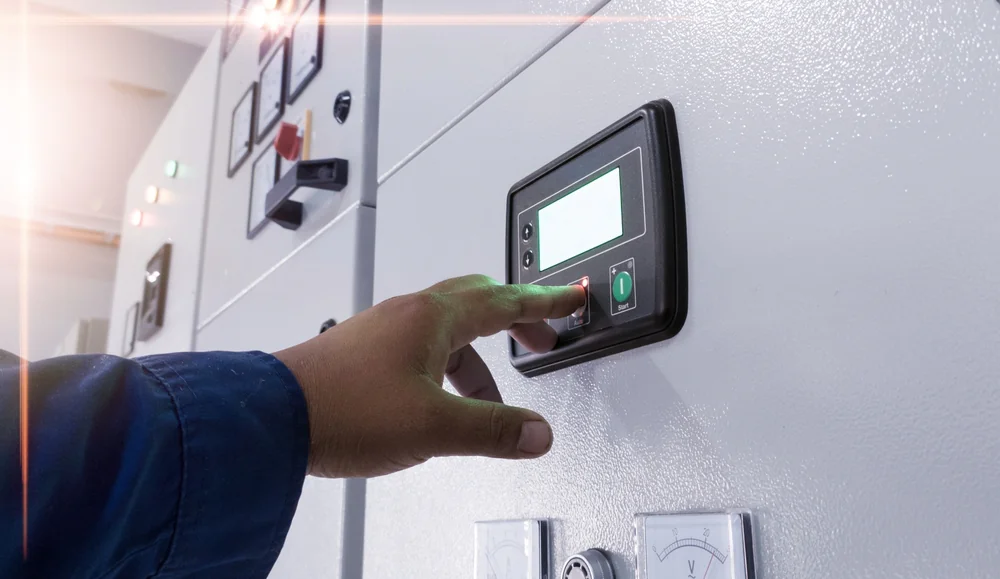
Home Generator Repair Process
First, you call or contact us and describe what’s happening with your generator. Did it fail to start during an outage? Is it running rough? Making strange noises? We’ll ask a few questions to get a sense of the issue.
Next, we schedule a time that works for you. Our technicians arrive in uniform, in a fully stocked truck, ready to diagnose the problem. We’ll inspect the battery, fuel system, transfer switch, sensors, coolant levels, oil, filters, and electrical connections. We’re looking for the root cause, not just the symptom.
Once we identify the issue, we explain it in plain terms and give you a flat-rate price before any work starts. No surprises. If you approve, we handle the repair right then if possible. After the work is done, we test the system to make sure everything’s running properly. You’ll know the cost upfront, and you’ll know your generator is ready for the next outage.
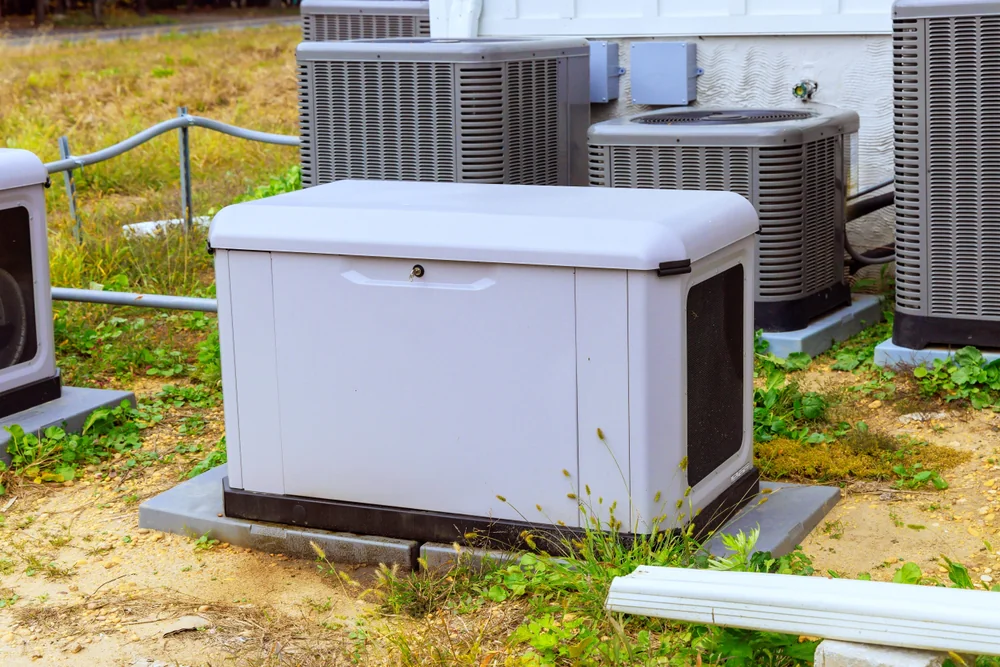
Whole House Generator Installation Moncure
Every generator repair starts with a full diagnostic. That includes checking the battery charge and connections, inspecting the fuel supply and fuel lines for clogs or contamination, testing the transfer switch operation, examining sensors and safety mechanisms, and verifying coolant and oil levels. We also check spark plugs, air filters, and wiring for wear or corrosion.
In Moncure and Chatham County, power outages are a regular occurrence. North Carolina currently has the third most power outages in the U.S., and the state ranks fifth for the percentage of customers affected. That makes generator reliability critical, especially during hurricane season when outages can last for days.
Common repairs include replacing dead or weak batteries, clearing clogged fuel filters, fixing faulty transfer switches, recalibrating sensors, repairing coolant leaks, replacing worn spark plugs, and addressing wiring issues. Some repairs are simple. Others require more involved troubleshooting. Either way, you’ll know what’s needed and what it costs before work begins. Proper repairs extend your generator’s lifespan—most units last 20 to 30 years with regular maintenance and timely fixes.

How do I know if my generator is worth repairing or if I should replace it?
It depends on the age of your unit, the cost of the repair, and how often it’s breaking down. If your generator is less than 15 years old and the repair is a few hundred dollars, it’s almost always worth fixing. Most home generators last 20 to 30 years with proper care, so a mid-life repair is normal and expected.
If your generator is over 20 years old and needs expensive repairs—like a full engine rebuild or major electrical overhaul—you might be better off replacing it. Same goes if you’re dealing with repeat breakdowns every few months. At that point, you’re throwing money at a failing system.
We’ll give you an honest assessment. If a repair doesn’t make sense, we’ll tell you. If it does, we’ll explain why and what you can expect moving forward. The goal is to help you make the right call for your situation, not just sell you something.
What are the most common reasons a backup generator won't start?
The most common culprit is a dead or weak battery. Generator batteries wear out over time, just like car batteries. If the battery doesn’t have enough charge to crank the engine, the generator won’t start. This is especially common if the unit hasn’t been tested or maintained regularly.
Fuel issues are another frequent cause. Stale fuel, clogged fuel filters, or contaminated fuel lines can starve the engine and prevent startup. If your generator has been sitting unused for months, the fuel may have degraded. Fuel filters can also clog with debris or sludge, blocking flow to the engine.
Transfer switch problems, faulty sensors, low oil levels, and worn spark plugs can also prevent your generator from starting. Sometimes it’s a simple fix. Other times it requires more digging. A proper diagnostic will pinpoint the exact issue so you’re not guessing or replacing parts that don’t need replacing.
How often should I have my home generator serviced or maintained?
You should have your generator professionally serviced at least once a year. Annual maintenance typically costs between $300 and $600 and includes oil changes, filter replacements, battery testing, coolant checks, and a full system inspection. This keeps your unit running reliably and catches small problems before they turn into expensive repairs.
In addition to annual service, you should test your generator monthly. Most modern units have automatic weekly test cycles, but you should also manually run it under load occasionally to make sure it’s ready for a real outage. Check oil and coolant levels between service visits, and keep the area around the generator clear of debris.
If you live in Moncure or anywhere in Chatham County, regular maintenance is especially important given how often severe weather and power outages occur. A generator that hasn’t been maintained is far more likely to fail when you actually need it. Routine care extends the life of your equipment and gives you confidence that it’ll work when the power goes out.
Can you repair generators from brands other than the ones you install?
Yes. We repair generators from all major brands, including Generac, Kohler, Briggs & Stratton, Cummins, Honda, and others. Even if we didn’t install your unit, we can diagnose and fix it. Our technicians are trained to work on a wide range of makes and models.
Some repairs are brand-specific and require certain parts or tools, but we keep a well-stocked inventory and can source what’s needed quickly. If your generator is older or uses obsolete parts, we’ll let you know upfront if replacement is a better option than repair.
The key is having someone who understands how standby generators work—the fuel systems, electrical components, transfer switches, and control boards. Brand doesn’t matter as much as experience. We’ve been doing this work in Chatham County since 2002, so we’ve seen just about every issue that can come up.
How long does a typical generator repair take?
It depends on the problem. Simple repairs like replacing a battery, changing filters, or fixing a loose connection can often be done in an hour or two. If we have the parts on our truck and the issue is straightforward, we can usually handle it the same day.
More complex repairs—like fixing a faulty transfer switch, repairing a coolant leak, or diagnosing sensor problems—can take longer. Some issues require ordering specific parts, which adds time. We’ll give you a realistic timeline once we’ve diagnosed the problem.
Emergency repairs during or after a storm are prioritized, but response times can vary depending on call volume. If your generator is down and you’re in the middle of an outage, let us know when you call. We do our best to get you back up and running as quickly as possible.
What happens if my generator breaks down again after you repair it?
If the same issue comes back shortly after a repair, contact us right away. We stand behind our work. If something we fixed fails again due to our error or a defective part, we’ll make it right. That’s part of doing business the right way.
Sometimes a new issue can pop up that’s unrelated to the original repair. Generators are complex systems, and wear happens over time. If that’s the case, we’ll explain what’s different and what needs to be done. You won’t be left guessing.
Regular maintenance is the best way to prevent repeat breakdowns. Generators that are serviced annually and tested regularly have far fewer problems than units that are neglected. We offer maintenance plans to keep your system in good shape year-round, so you’re not dealing with surprise failures during the next power outage.
Other Services we provide in Moncure
About Us

Electrical Service Providers (ESP) has been in business since 2002. ESP started out performing wiring services to new construction, remodeling projects and residential homes. Our company’s president identified a market for electrical services to be performed in homes and businesses independent of new construction. Read More about Electrical Service Providers>>
All Rights Reserved.Organic Marketing LLC
Business Listings


Product Brands Used
Allied, Broan, Cutler Hammer, General Electric, Ideal, Juno, Kohler, Leviton, Lutron, Siemens, Square D
Contact
-
Office Address:
3254 S Anthony Ct.
Burlington, NC 27215 -
Mailing Address:
PO Box 25
Alamance, NC 27201 - Phone: 336-228-3300
- E-mail: an**@****nc.com, jo**@****nc.com
Service Areas
Chapel Hill, Burlington, Carrboro, Durham, Gibsonville, Hillsborough, Graham, Pittsboro, Morrisville, Cary
About Us
Electrical Service Providers (ESP) has been in business since 2002. ESP started out performing wiring services to new construction, remodeling projects and residential homes. Our company’s president identified a market for electrical services to be performed in homes and businesses independent of new construction. Read More about Electrical Service Providers>>
All Rights Reserved.Organic Marketing LLC