Generator Repair in Siler City, NC
Reliable Backup Power When Chatham County Goes Dark
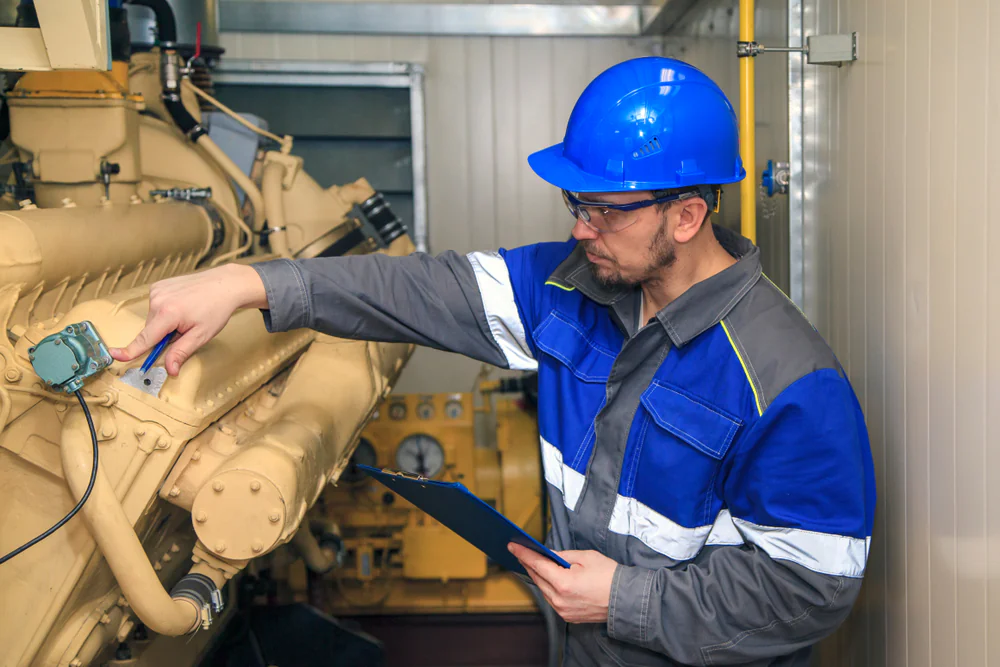
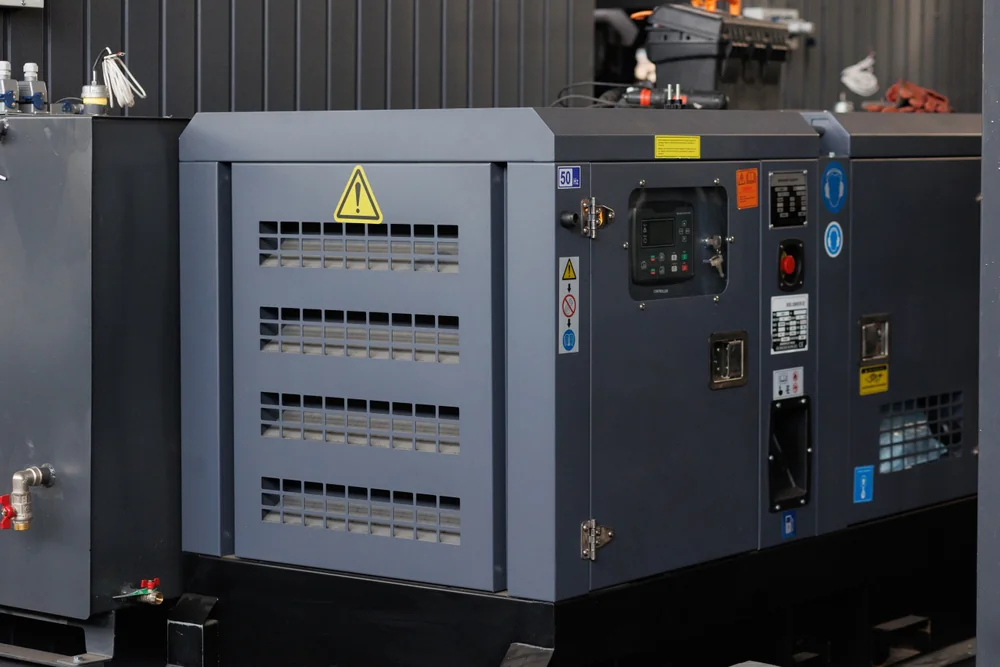
Backup Generator Repair Siler City
A generator that doesn’t work isn’t backup power. It’s an expensive lawn ornament taking up space in your yard.
You bought your whole house generator for a reason. Maybe it’s the medical equipment your family depends on. Maybe it’s keeping food from spoiling during multi-day outages. Or maybe you just refuse to sit in the dark, sweating through another summer storm while your neighbors wonder when Duke Energy will restore service.
Whatever your reason, generator repair in Siler City isn’t about fixing a machine. It’s about making sure that when the next ice storm hits or wind gusts knock trees onto power lines along Piney Grove Church Road, your lights stay on. Your fridge keeps running. Your family stays safe and comfortable while everyone else scrambles for candles and coolers.
Generator Installers Siler City NC
We’ve been serving Chatham County since 2002. We started with residential electrical work and grew into one of the area’s go-to teams for generator installation and repair because homeowners needed someone local who actually knows what they’re doing.
We’re not a national franchise. We’re licensed electrical contractors based right here in Central North Carolina, which means we understand exactly what Siler City weather does to backup generators. We’ve seen the aftermath of every ice storm, tropical system, and summer thunderstorm that’s rolled through here in the last two decades.
When your generator won’t start or isn’t running right, you need someone who can diagnose the real problem fast, explain what’s wrong in plain language, and fix it without dragging things out. That’s what we do.
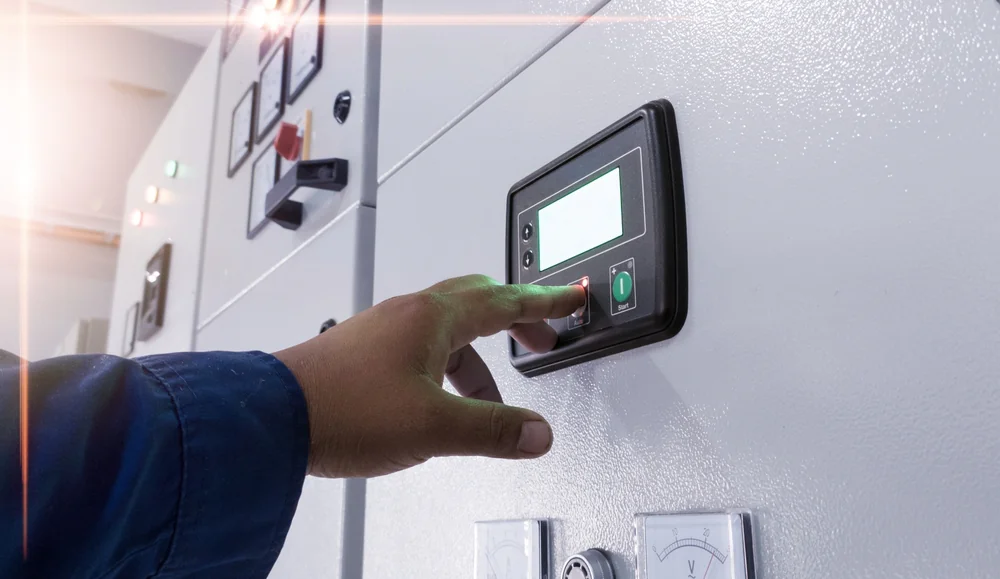
Home Generator Repair Process
First, we show up. Sounds basic, but you’d be surprised how many companies make promises they don’t keep.
We run a full diagnostic to figure out what’s actually wrong. Could be a dead battery, clogged fuel line, bad starter motor, or something with the transfer switch. We don’t guess. We test, inspect, and identify the issue so you know exactly what you’re paying for.
Once we’ve pinpointed the problem, we walk you through what needs to happen. If it’s a quick fix, we handle it right there. If parts need ordering or the repair is more involved, we give you a clear timeline and upfront cost. No surprises, no runaround.
After the repair, we test the system to make sure everything’s running the way it should. Your generator gets a full startup cycle, and we verify that it’s transferring power correctly when utility power cuts off. You don’t just get a repaired generator. You get confirmation that it actually works.
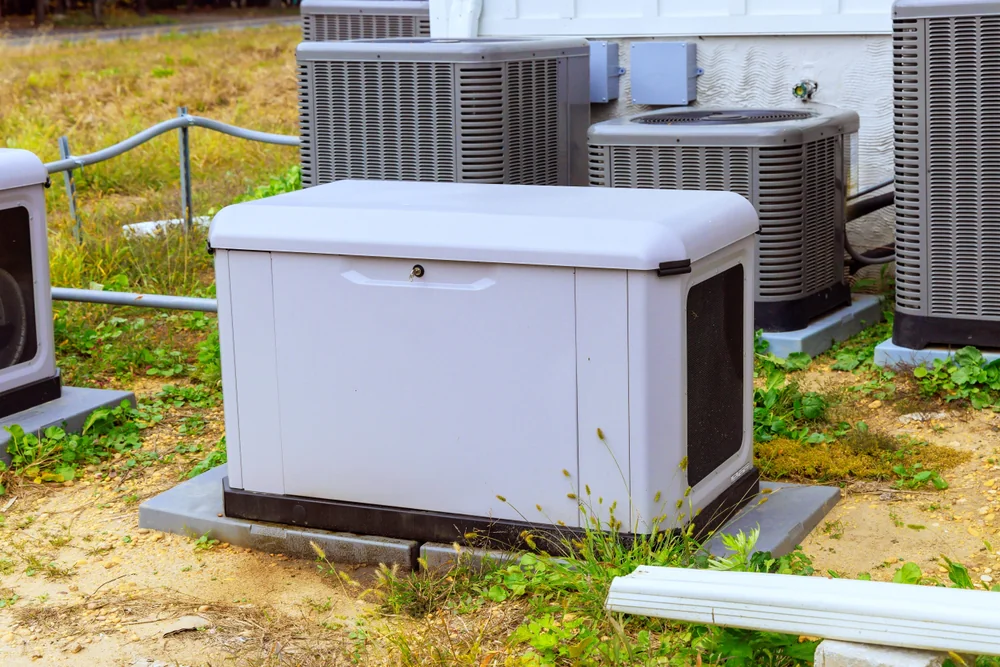
Generator Maintenance Siler City NC
Generator repair isn’t one-size-fits-all. What your system needs depends on what’s failing and how long it’s been since someone looked at it.
Common repairs include battery replacement, which typically needs doing every three to five years. Fuel line repairs or replacements when there’s a clog or leak. Starter motor work if the generator won’t turn over. Voltage regulator replacement when power output isn’t steady. Spark plug replacement, oil changes, filter swaps, and transfer switch troubleshooting.
In Chatham County, we also see a lot of weather-related damage. High winds and falling trees don’t just knock out power lines around Old US 421 and Seaforth Road. They can damage generator enclosures, wiring, and exhaust systems. If your unit took a hit during the last storm, we’ll assess the damage and let you know whether it’s worth repairing or if you’re better off with a replacement.
Siler City’s weather patterns put real stress on backup generators. Between ice storms in winter and tropical storm remnants in late summer, your in home generator sits outside through conditions that test every component. Regular maintenance catches small problems before they turn into full system failures, but if you’ve skipped service or your generator is showing signs of trouble, repair work gets you back to reliable backup power without starting from scratch.

How much does it cost to repair a home generator in Siler City?
Generator repair costs in Siler City typically run between $150 and $600, depending on what’s broken and what parts you need. Simple fixes like battery replacement usually cost $100 to $300. Fuel line repairs run $150 to $450. More involved work like starter motor replacement can hit $250 to $500.
The final price depends on your generator’s brand, model, age, and what failed. Older units sometimes need harder-to-find parts, which can increase costs. If you’ve kept up with annual maintenance, repairs tend to be smaller and cheaper because problems get caught early before they cascade into bigger failures.
We give you an upfront estimate after diagnosing the issue. You’ll know what the repair costs before we start work, so there’s no sticker shock when the job’s done. That’s just basic respect for your time and budget.
What are the most common reasons a generator won't start?
Dead batteries are the number one culprit. Generator batteries typically last three to five years, and if yours is older than that, it’s probably time for replacement. A dead battery means your generator can’t turn over when the power goes out, which defeats the entire purpose of having backup power.
Fuel problems are next. Clogged fuel lines, stale fuel, or issues with the fuel delivery system will keep your generator from starting or cause it to run rough and stall out. If your generator sits unused for long stretches between Siler City’s storm seasons, fuel can degrade and gum up the works.
Transfer switch issues, bad spark plugs, low oil levels, and tripped breakers also prevent startup. Sometimes it’s something simple like a tripped circuit breaker on the unit itself. Other times it’s a more complex electrical or mechanical failure that needs professional diagnosis. The only way to know for sure is to have someone who knows generators take a look and run proper diagnostics.
How often should I have my generator serviced to avoid repairs?
At minimum, your generator needs professional service once a year. If you run it frequently or it operates in harsh conditions, twice a year is better. Annual maintenance typically costs $200 to $600 and includes oil changes, filter replacements, battery checks, and full system diagnostics.
Regular service catches problems before they become expensive repairs. A technician can spot a battery that’s starting to fail, a fuel filter that’s getting clogged, or belts that are wearing out. Replacing these during scheduled maintenance costs a fraction of what you’d pay for emergency repairs when your generator quits during a storm and you’re scrambling to find someone available.
Generators that get proper maintenance can last 20 to 30 years. Units that don’t get serviced regularly often fail much sooner, sometimes within just a few years. If you’re trying to decide whether maintenance is worth it, consider this: the cost of one major repair usually exceeds several years of routine service. You’re either paying for prevention or paying more for fixes later.
Can you repair all generator brands, or just certain ones?
We service and repair all major generator brands including Generac, Briggs & Stratton, Kohler, Cummins, and others. Each brand has its quirks, but the fundamentals are the same, and we’ve worked on enough units over the years to know what commonly fails and how to fix it.
If you bought your generator from a big box store or had it installed by another company, that’s fine. We’ll still work on it. You don’t need to go back to whoever sold it to you for repairs or service. Your generator doesn’t care who installed it—it just needs someone who knows what they’re doing to keep it running.
Some brands are easier to get parts for than others, which can affect repair timelines. Generac and Kohler parts are usually available quickly. Less common brands might take a few extra days for parts to arrive. We’ll let you know upfront if there’s a wait so you can plan accordingly.
What happens if my generator is too old or damaged to repair?
Sometimes a generator reaches the point where repair doesn’t make financial sense. If repair costs approach or exceed the price of a new installation, replacement is the smarter move. We’ll be straight with you about whether your unit is worth fixing or if you’re throwing good money after bad.
Age is a factor. If your generator is 15 to 20 years old and needs major engine work or expensive component replacement, you’re often better off installing a new system. Newer generators are more efficient, more reliable, and come with warranties that cover parts and labor for several years. You’re not just getting a working generator—you’re getting peace of mind.
Severe damage from storms, flooding, or neglect can also make replacement the right call. If the enclosure is rusted through, the wiring is corroded, or the engine has major internal damage, trying to salvage it usually costs more than starting fresh. When replacement makes more sense than repair, we’ll walk you through your options for whole house generator installation and help you choose a system that fits your home’s power needs and your budget.
Do you offer emergency generator repair during power outages?
Yes. When storms knock out power across Siler City and your generator isn’t working, that’s an emergency. We prioritize those calls because we know you’re not just inconvenienced—you’re without heat, air conditioning, refrigeration, and possibly critical medical equipment.
Response times during major outages depend on how many people are affected and how severe the damage is across the area. We can’t always get to you within an hour during a widespread event like the ice storms that hit Chatham County, but we move as fast as we can and keep you updated on when to expect us. You won’t be left wondering if anyone’s coming.
The best way to avoid needing emergency repair is to schedule annual maintenance before storm season. A generator that’s been inspected and serviced recently is far less likely to fail when you need it. But if you’re already in the middle of an outage and your backup power isn’t working, call us. We’ll get there.
About Us

Electrical Service Providers (ESP) has been in business since 2002. ESP started out performing wiring services to new construction, remodeling projects and residential homes. Our company’s president identified a market for electrical services to be performed in homes and businesses independent of new construction. Read More about Electrical Service Providers>>
All Rights Reserved.Organic Marketing LLC
Business Listings


Product Brands Used
Allied, Broan, Cutler Hammer, General Electric, Ideal, Juno, Kohler, Leviton, Lutron, Siemens, Square D
Contact
-
Office Address:
3254 S Anthony Ct.
Burlington, NC 27215 -
Mailing Address:
PO Box 25
Alamance, NC 27201 - Phone: 336-228-3300
- E-mail: an**@****nc.com, jo**@****nc.com
Service Areas
Chapel Hill, Burlington, Carrboro, Durham, Gibsonville, Hillsborough, Graham, Pittsboro, Morrisville, Cary
About Us
Electrical Service Providers (ESP) has been in business since 2002. ESP started out performing wiring services to new construction, remodeling projects and residential homes. Our company’s president identified a market for electrical services to be performed in homes and businesses independent of new construction. Read More about Electrical Service Providers>>
All Rights Reserved.Organic Marketing LLC