Generator Repair in Silk Hope, NC
Your Generator Works When the Power Doesn't
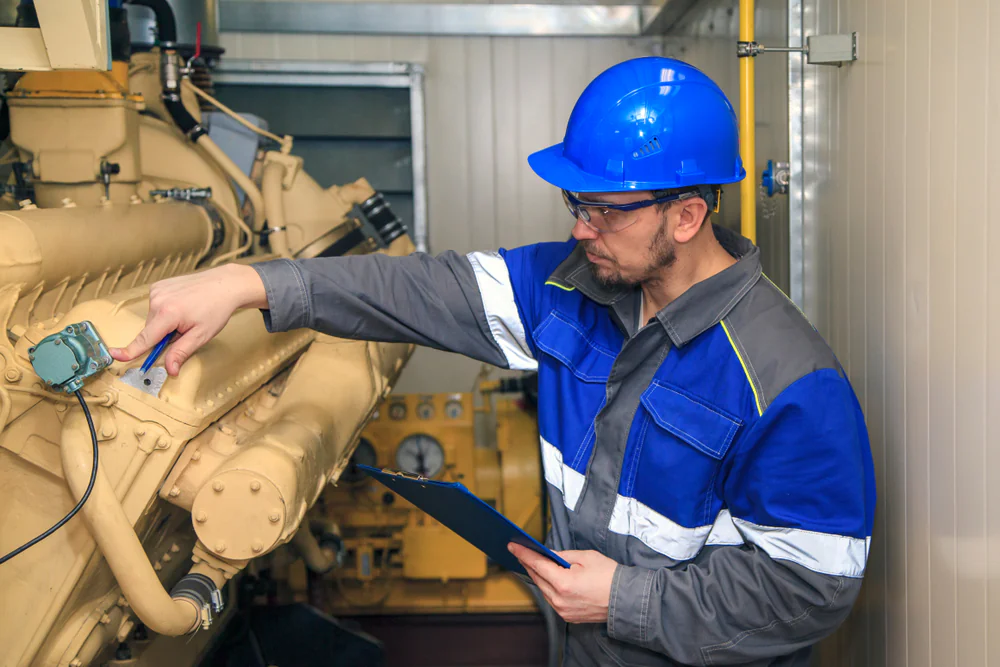
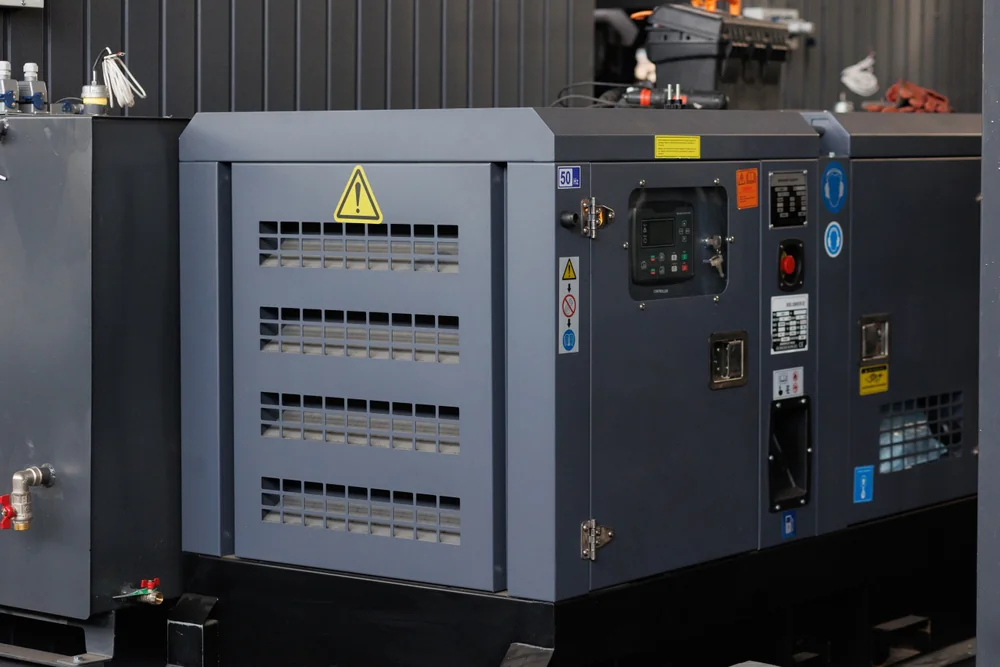
Generator Repair Services Silk Hope
You don’t think about your generator until the lights go out. Then it either starts, or it doesn’t. And if it doesn’t, you’re dealing with spoiled food, no heat, dead phones, and a house that feels less like home and more like a problem you can’t solve in the dark.
Generator repair isn’t about fixing machines. It’s about making sure the next storm doesn’t leave you scrambling for flashlights or wondering if your sump pump is going to flood the basement while you’re asleep.
When your backup generator for home is running right, you don’t lose medication that needs refrigeration. Your well pump keeps water flowing. Your family stays comfortable. That’s the outcome that matters. Everything else is just talking.
Generator Installers Silk Hope NC
We work with homeowners and businesses throughout Silk Hope and Chatham County. We’re local, licensed electrical contractors who’ve seen what happens when generators fail during ice storms, summer thunderstorms, and those multi-day outages that hit rural areas harder than anywhere else.
We repair all major brands—Generac, Kohler, Briggs & Stratton, Cummins—and we don’t overcomplicate things. You call because something’s wrong. We diagnose it, explain what’s broken, tell you what it costs, and fix it right.
Silk Hope isn’t Chapel Hill. You’re not ten minutes from three different service companies. When your generator goes down out here, you need someone who shows up, knows what they’re doing, and doesn’t waste your time or your money.
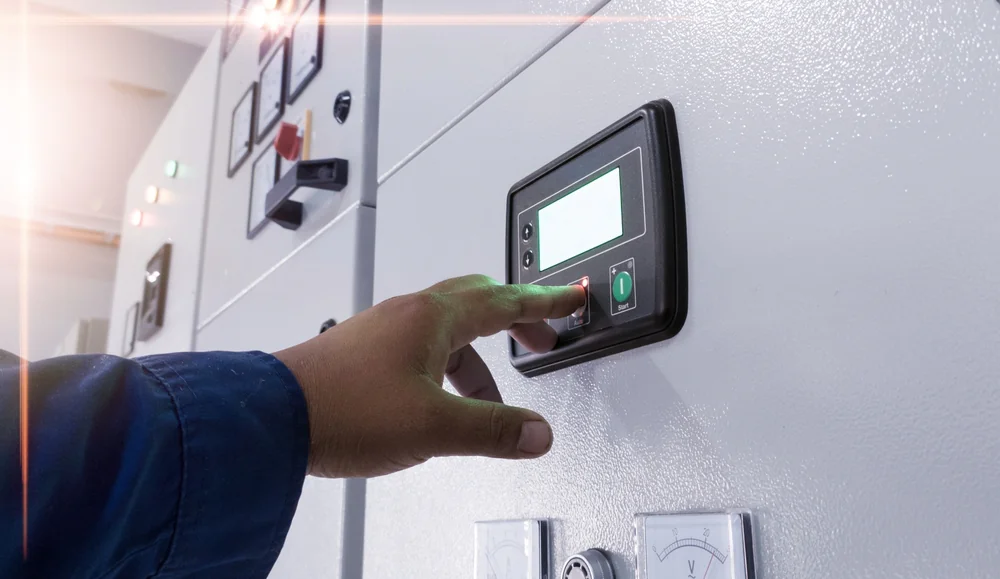
Home Generator Repair Process
First, we come to your property and run a full diagnostic. That means checking your battery, fuel system, transfer switch, oil levels, filters, electrical connections, and control board. Most failures come from a handful of common issues—dead batteries, clogged fuel lines, worn-out spark plugs, or control failures—but we don’t guess. We test.
Once we know what’s wrong, we walk you through it. You’ll know what failed, why it failed, and what it takes to fix it. If it’s a simple repair, we handle it on the spot. If we need parts, we source them fast and schedule a return visit that works with your schedule.
After the repair, we test the system under load to make sure it’s actually going to perform when the power cuts out. We’re not just fixing the part that broke. We’re making sure the whole system works the way it’s supposed to, so you’re not calling us back two weeks later when the next storm rolls through.
You’ll also get a straight answer about whether the repair makes sense or if you’re better off replacing the unit. We’re not here to sell you things you don’t need, but we’re also not going to patch up a fifteen-year-old generator that’s going to cost you more in repairs than it’s worth.
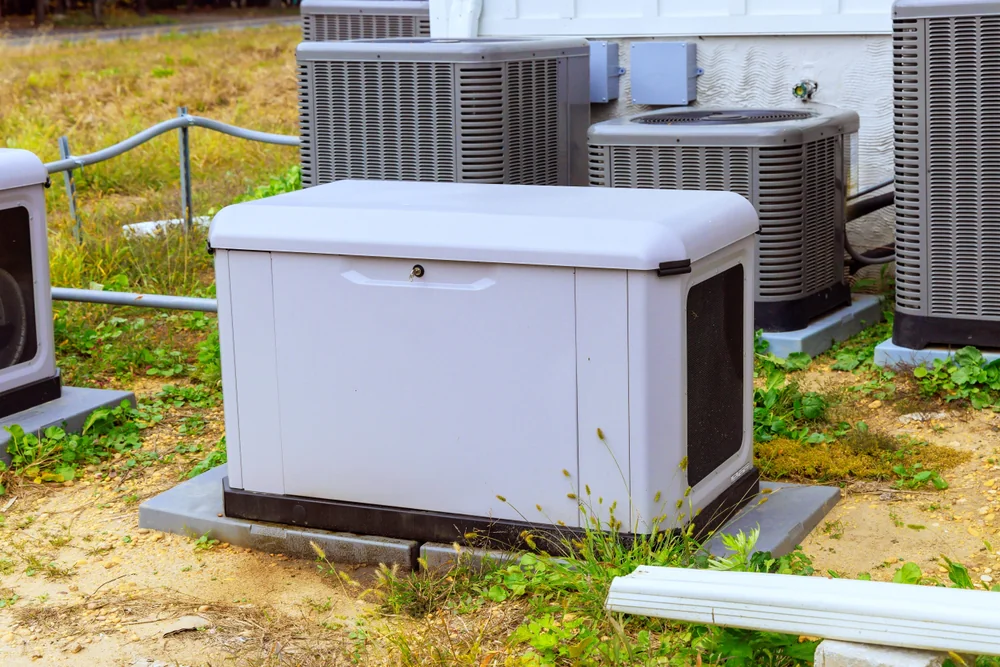
Whole House Generator Installation Silk Hope
Every generator repair starts with a complete system evaluation. We’re checking everything that could cause a failure, not just the obvious stuff. That includes battery health and connections, fuel quality and delivery, air and oil filters, spark plugs, coolant levels, voltage output, transfer switch operation, and error code diagnostics.
If your generator needs parts, we use manufacturer-approved components that keep your warranty intact. Aftermarket parts might be cheaper, but they’re also a gamble. We don’t take shortcuts that come back to bite you six months from now.
Here in Silk Hope, we know what the weather does to equipment. Humidity causes corrosion. Storms knock debris into vents. Rodents chew through wiring in the off-season. We’ve seen it all, and we check for it all, because a generator that sits outside year-round in rural North Carolina takes a beating.
We also offer maintenance plans that keep your generator in shape between emergencies. Most whole house generator failures happen because of neglected upkeep—not because the equipment is bad. A generator that gets serviced twice a year will outlast one that sits untouched for five years and then gets asked to run for three days straight during an ice storm.
You’re not just getting a repair. You’re getting a system that works when it has to, from a company that understands what’s at stake when the power goes out in a place like Silk Hope.

How much does it cost to repair a whole house generator in Silk Hope?
Repair costs depend on what’s broken. A battery replacement or filter change might run you a couple hundred dollars. A fuel system cleaning, control board replacement, or transfer switch repair can cost more—anywhere from $300 to $1,000 depending on parts and labor.
We give you a clear estimate before we do the work. No surprises, no padding the bill. If the repair cost is creeping close to what a new unit would cost, we’ll tell you that too.
Most homeowners spend between $150 and $400 per year on generator maintenance and minor repairs. That’s a lot cheaper than replacing a failed unit or dealing with thousands of dollars in damage from a power outage that could’ve been prevented.
Why won't my backup generator start when the power goes out?
Dead batteries are the number one reason generators fail to start. If the battery doesn’t have enough charge to crank the engine, nothing else matters. Corrosion on the terminals, loose connections, or an old battery that’s lost its capacity will all stop your generator before it even tries to run.
Fuel problems are the second most common issue. If your generator sits unused for months, fuel can degrade, gum up the carburetor, or clog the fuel lines. Natural gas and propane systems are more reliable than gasoline or diesel for this reason, but they’re not immune to problems either.
Transfer switch malfunctions, tripped breakers, low oil shutoffs, clogged air filters, and bad spark plugs can all prevent startup too. The only way to know for sure is to run a proper diagnostic. Guessing just wastes time and money.
How often should I get my home generator serviced in Silk Hope, NC?
Twice a year is the standard recommendation—once before storm season and once after. That keeps your generator ready for the times you’re most likely to need it, and it catches small problems before they turn into expensive failures.
If your generator runs during an outage, you should schedule a post-run service as well. Running under load for hours or days puts stress on the engine, burns through oil, and can expose issues that weren’t obvious during the weekly self-test cycle.
Skipping maintenance is one of the fastest ways to shorten your generator’s lifespan. A well-maintained unit can last 20 to 30 years. A neglected one might not make it past ten, and it’ll cost you more in emergency repairs along the way.
Can I repair my own generator or should I hire a professional?
You can handle basic tasks like keeping the area around the generator clear, checking oil levels, and doing a visual inspection for leaks or damage. Beyond that, you’re better off calling someone who knows what they’re doing.
Generator repairs involve electrical systems, fuel lines, and engine components that can be dangerous if you don’t have the right training or tools. A mistake can cause serious injury, void your warranty, or create a bigger problem than the one you started with.
DIY fixes might seem cheaper upfront, but they often lead to repeat failures, additional damage, or safety hazards. Professional repairs cost more in the moment, but they’re done right the first time, and they keep your warranty coverage intact.
What are the most common generator problems homeowners face in Silk Hope?
Battery failure tops the list. Batteries lose charge over time, especially in extreme temperatures. Corrosion, loose connections, and sulfate buildup all contribute to startup failures.
Fuel system issues are right behind that—stale fuel, clogged lines, contaminated tanks, and carburetor problems. If your generator runs on gasoline or diesel, fuel degradation is almost guaranteed if the unit sits unused for months.
You’ll also see oil and filter neglect, which leads to engine damage. Worn-out spark plugs that prevent ignition. Transfer switches that don’t activate when the power cuts. Coolant leaks on liquid-cooled units. Rodent damage to wiring and hoses.
Most of these problems are preventable with regular maintenance. The ones that aren’t—like storm damage or component wear after years of use—are a lot easier to fix if you catch them early.
Do you service all brands of home generators in Silk Hope?
Yes. We work on Generac, Kohler, Briggs & Stratton, Cummins, and most other major brands. Each manufacturer has its quirks, but the fundamentals are the same—fuel, spark, air, and electricity. If it’s a standby generator or in home generator, we can diagnose and repair it.
We’re also warranty-authorized for most brands, which means repairs are done to manufacturer specifications and won’t void your coverage. That matters more than most people realize, especially if your unit is still under warranty and a major component fails.
If you’ve got an older or less common brand, give us a call. Chances are we’ve worked on it before, or we can source the parts and technical documentation needed to get it running again.
About Us

Electrical Service Providers (ESP) has been in business since 2002. ESP started out performing wiring services to new construction, remodeling projects and residential homes. Our company’s president identified a market for electrical services to be performed in homes and businesses independent of new construction. Read More about Electrical Service Providers>>
All Rights Reserved.Organic Marketing LLC
Business Listings


Product Brands Used
Allied, Broan, Cutler Hammer, General Electric, Ideal, Juno, Kohler, Leviton, Lutron, Siemens, Square D
Contact
-
Office Address:
3254 S Anthony Ct.
Burlington, NC 27215 -
Mailing Address:
PO Box 25
Alamance, NC 27201 - Phone: 336-228-3300
- E-mail: an**@****nc.com, jo**@****nc.com
Service Areas
Chapel Hill, Burlington, Carrboro, Durham, Gibsonville, Hillsborough, Graham, Pittsboro, Morrisville, Cary
About Us
Electrical Service Providers (ESP) has been in business since 2002. ESP started out performing wiring services to new construction, remodeling projects and residential homes. Our company’s president identified a market for electrical services to be performed in homes and businesses independent of new construction. Read More about Electrical Service Providers>>
All Rights Reserved.Organic Marketing LLC