Hot Tub Electrical Installation: Alamance County NC Code Requirements
Buying a hot tub in Alamance County? Here's what NC electrical code actually requires before anyone runs a single wire.
Share:
Summary:
You bought the hot tub. Maybe it’s already been delivered, or maybe you’re a few weeks out. Either way, you’re now realizing that the electrical side of this project is more involved than you expected — and you’re not sure where to start.
That’s a normal place to be. Most people don’t think about the wiring until the tub is on order. And most of what shows up in a Google search is either written for a national audience or skips the details that actually matter here in Alamance County.
We’ve put together this guide to cover what NC electrical code requires, what the installation process actually looks like, and what to watch out for before you hire anyone to do the work.
A full-size hot tub isn’t a plug-in appliance. Most models require a dedicated 240-volt circuit with a 50-amp GFCI breaker — hardwired, not connected to an outlet, and not shared with anything else in your home. That’s the baseline, and it applies whether you’re in Burlington, Mebane, Graham, or anywhere else in Alamance County.
The governing standard is NEC Article 680, which covers all electrical installations for pools, spas, and hot tubs. North Carolina adopts the NEC with state amendments, and all hot tub electrical work here has to comply. That means specific requirements for wire sizing, GFCI protection, a disconnect switch, underground conduit, and bonding of all metal components — not just some of them.
The electrical permit is also mandatory. This isn’t optional or a gray area. In Alamance County, the permit is required before any work begins, and the installation has to pass inspection before the tub can be used.
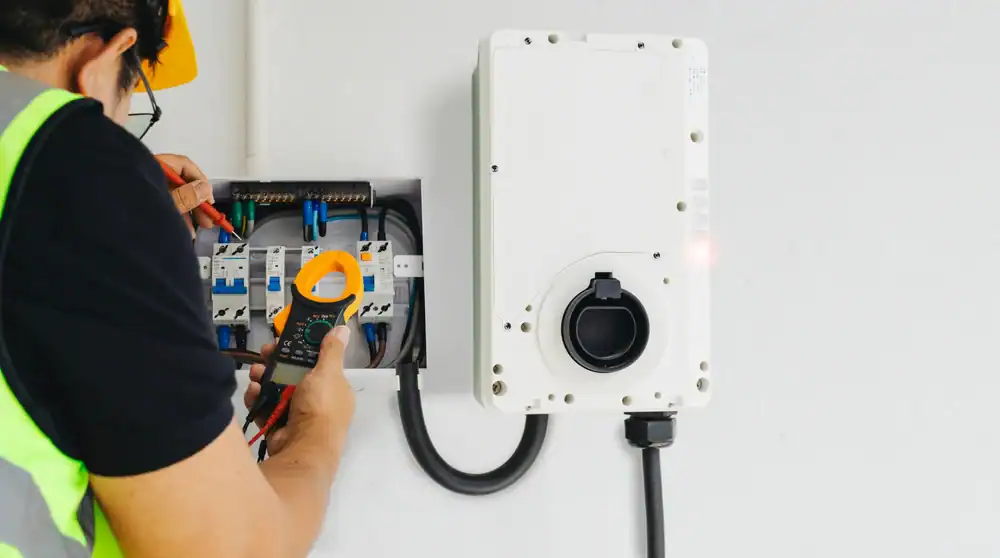
The scope of a proper hot tub installation is wider than most people expect. It starts before any wire is run — with an assessment of your existing electrical panel to confirm it can support a new 50-amp dedicated circuit. This step matters more than most contractors let on, and we’ll come back to it.
Once the panel is confirmed, the work involves running the correct wire gauge from the panel to the tub location. For a 50-amp circuit, that’s 6 AWG copper wire. For a 40-amp circuit, it’s 8 AWG. Using undersized wire isn’t just a code violation — it’s a fire hazard that can develop slowly and without any obvious warning signs.
The wiring runs through conduit, typically underground between the panel and the tub. The type of conduit matters here. Not every conduit type is approved for direct burial, and the wrong choice creates long-term problems with moisture intrusion and corrosion.
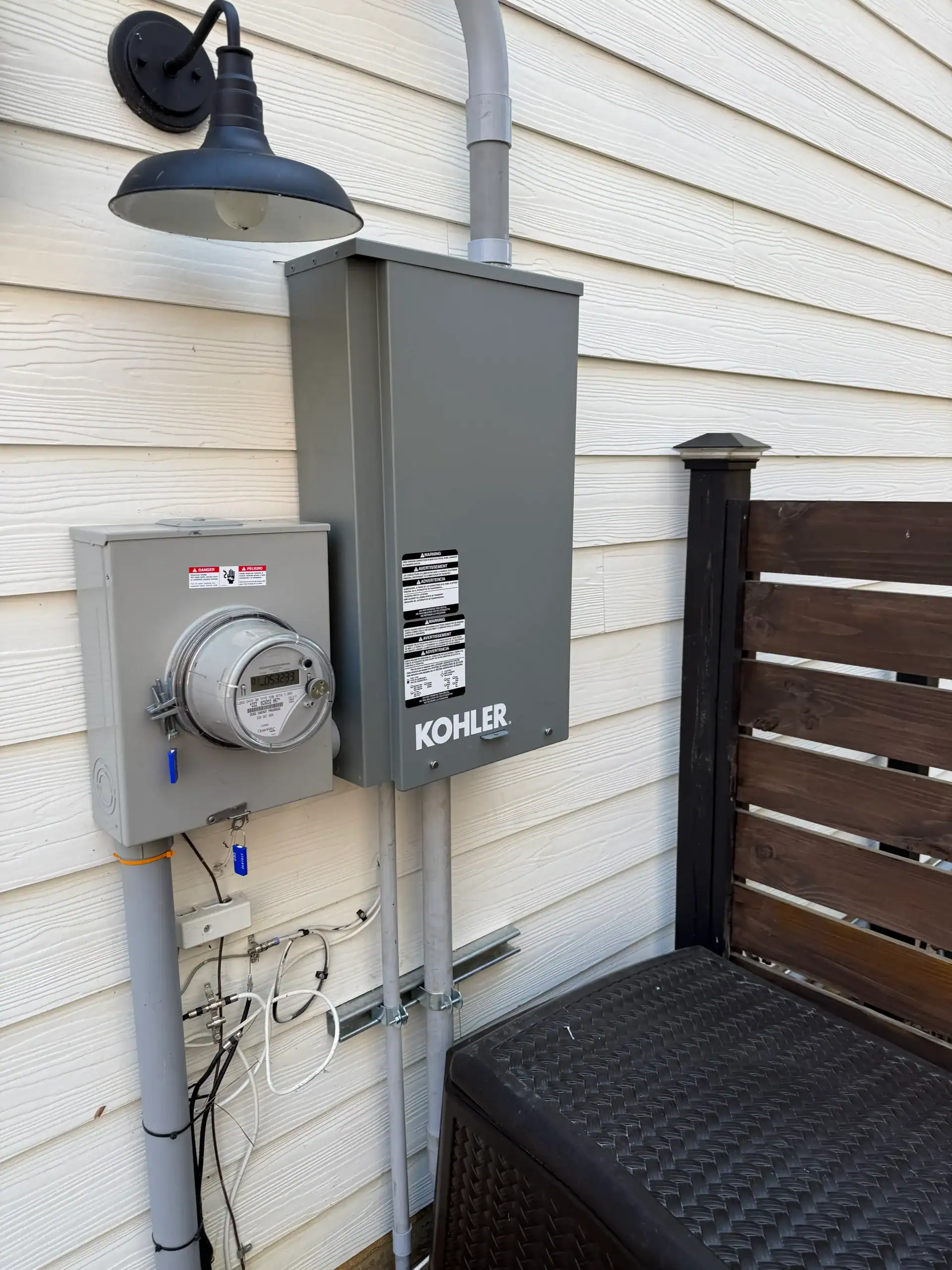
At the tub end, a GFCI disconnect box — sometimes called a spa panel — has to be mounted within sight of the hot tub, typically between five and ten feet away. This is the manual shutoff that allows power to the tub to be cut quickly in an emergency. Its placement isn’t a suggestion; NEC Article 680 specifies it, and inspectors check it.
There also has to be at least one GFCI-protected convenience outlet located between six and ten feet from the inside wall of the tub. That’s the outlet you’d use for a phone charger or outdoor speaker — and yes, its distance from the water is a code requirement, not a preference.
Finally, all metal components of the hot tub — the shell, frame, equipment, and water — have to be bonded together and connected to a common bonding grid. Bonding is separate from grounding, and it’s one of the most commonly skipped steps in bad installations. What it does is equalize the electrical potential across every metal surface near the water, which eliminates the stray current that causes shock hazards in and around the tub. A tub can look and function completely normally with missing or improper bonding — right up until it doesn’t.
This is the question most homeowners don’t think to ask until it becomes a problem. And in Alamance County, it’s a very common problem.
A significant portion of homes in Burlington, Graham, and the older neighborhoods throughout the county were built during the 1950s through the 1980s — when 100-amp electrical panels were standard. A 100-amp panel that’s already supporting your HVAC system, water heater, kitchen appliances, and everything else in the house often doesn’t have the available capacity to add a new 50-amp dedicated circuit. Adding one anyway isn’t just a code issue; it creates a real risk of overloading the panel.
The right move is to assess the panel before the tub is purchased or delivered — not after. If an upgrade is needed, that work should be scoped and scheduled as part of the overall project. Newer homes in Mebane and along the I-40 corridor are more likely to have 200-amp panels, but even those can run out of available breaker slots. Available amperage and available physical space in the panel are two different things, and both matter.
We evaluate panel capacity as the first step in every hot tub installation we do. If the panel can support the new circuit, we move forward. If it can’t, we tell you that upfront and give you a clear picture of what an upgrade involves before any work begins. The goal is no surprises — not after the tub arrives, not after the permit is pulled, and not after the inspector shows up.
This is also where flat-rate pricing makes a real difference. When you know the total cost before work starts — including any panel work that’s needed — you’re not managing an open-ended bill while the job is in progress. You know what you’re agreeing to.
Want live answers?
Connect with a Electrical Service Providers expert for fast, friendly support.
The electrical permit for a hot tub installation in NC is pulled by the licensed electrical contractor — not the homeowner. That’s how it works by law, and it’s one of the clearest ways to tell whether the person you’re hiring is actually licensed.
An unlicensed handyman or general contractor cannot legally pull an electrical permit in North Carolina. If someone offers to do your hot tub wiring without mentioning a permit, that’s the answer to whether they’re licensed to do the work.
Once the permit is pulled and the installation is complete, an inspector from the local inspections office reviews the work. In Alamance County, that means the county inspections department for properties outside city limits, and the applicable city inspections office for properties within Burlington, Graham, Mebane, or Elon. We handle the permit application and coordinate the inspection as part of every job — that’s not something you need to manage.
This is where the “I’ll just have my guy do it” decision gets expensive. Unpermitted electrical work doesn’t disappear — it follows the house.
When you sell your home, the buyer’s inspector or attorney will look for permits on significant electrical work. A hot tub installation without a corresponding electrical permit is a red flag that can delay or kill a sale, require the work to be torn out and redone with a permit, or result in a price reduction to account for the liability. None of those outcomes are hypothetical — they happen regularly in active real estate markets like Alamance County’s.
The insurance angle is equally serious. If a fire, flood, or injury occurs and it’s connected to unpermitted electrical work, your homeowner’s insurance has grounds to deny the claim. The policy covers your home as it was legally permitted and built — not modifications that bypassed the inspection process.
There’s also the warranty on the hot tub itself to consider. Most major manufacturers require licensed electrician installation to keep the warranty valid. If the wiring was done by someone who isn’t licensed and the tub’s control board fails or the heater malfunctions, the manufacturer can — and often will — deny the warranty claim based on improper installation.
The permit isn’t a formality. It’s the legal record that the work was done correctly, by someone authorized to do it, and verified by an independent inspector. For a permanent electrical installation that’s going to be in place for decades, that record has real value.
Not every electrician has hands-on experience with NEC Article 680. Hot tub wiring involves specific requirements — bonding, GFCI breaker types, disconnect placement, underground conduit specs — that don’t come up in standard residential wiring work. A general electrician who mostly does lighting and outlet work may be licensed but still unfamiliar with the specifics that govern hot tub installations.
A few things worth asking before you hire anyone: Are you licensed by the NC State Board of Examiners of Electrical Contractors? Will you pull the permit, or is that on me? Have you done hot tub installations in Alamance County before? What’s your process if the panel doesn’t have capacity?
The answers tell you a lot. A licensed contractor will know exactly what the permit process involves and will handle it without hesitation. Someone who hedges on the permit question — or suggests you can “take care of that yourself” — is telling you something important.
Andy Helton, our Master Electrician, has been licensed since 1989. That’s more than 35 years of electrical work, all of it in existing homes and businesses — not new construction. We’ve been doing this in Alamance County since 2002, which means we know the local permit process, we know the inspectors, and we know the specific challenges that come up in the county’s older housing stock. When the work is done, it passes inspection. That’s not a marketing line — it’s the standard we hold ourselves to on every job.
We also show up with fully stocked trucks, which means most hot tub installations are completed in a single visit. No waiting on parts, no second trip scheduled a week out. You get a flat-rate price before we start, and that’s the price you pay.
Hot tub electrical installation isn’t complicated when it’s done by someone who actually knows what they’re doing. The requirements are specific, the permit process is straightforward, and a qualified electrician handles all of it without putting the burden on you.
What makes it go wrong is shortcuts — skipped permits, undersized wire, missing bonding, a disconnect mounted in the wrong place. Those mistakes don’t always show up immediately, but they do show up eventually. And by then, they’re significantly more expensive to fix than they would have been to do correctly the first time.
If you’re planning a hot tub installation in Burlington, Mebane, Graham, or anywhere else in Alamance County, reach out to ESP Electrical Service Providers. We’ll start with a panel assessment, give you a flat-rate quote, pull the permit, and get the work done so it passes inspection on the first visit.
Article details:
Share:
Continue learning: