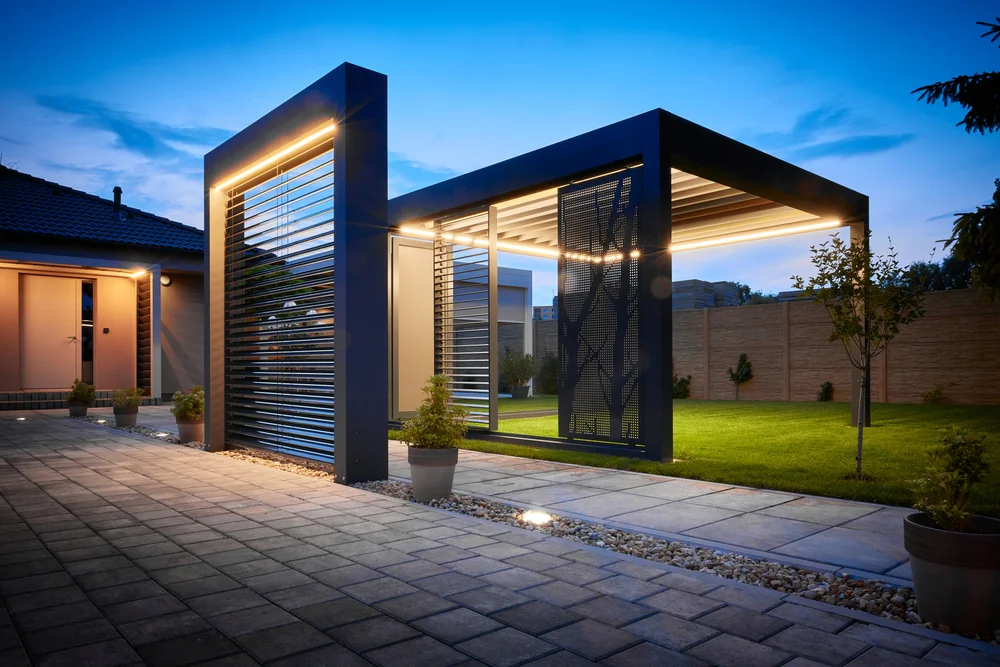
The purpose of the outdoor lighting is to increase the efficiency of human activities during the time when it is dark and to make production, transportation, construction, city beautification, etc. in the outdoor areas efficient, safe, secure and comfortable.
Security lighting provides a level of illumination to clearly identify persons or objects and creates a psychological deterrent to criminal activity in the area being protected.
CONTINUOUS LIGHTING
Continuous lighting, the most familiar type of outdoor security lighting, can be designed to provide either of two specific results: greater projection or controlled lighting. The glare method of continuous lighting originated in prisons and correctional institutes. It is still used today.
It is described by some security experts as a “barrier light” and is particularly effective for lighting boundaries around a facility and approaches to a site. This technique is normally used when the glare of lights directed across an area does not annoy or interfere with neighboring or adjacent properties.
The controlled lighting method is generally employed in situations where, due to surrounding property, nearby highways, or other limitations, it is necessary to more precisely focus the light. For example, the controlled lighting method is used when the width of the lighted strip outside an area must be controlled and adjusted to fit a particular need, such as illuminating a wide strip inside a fence and a narrow strip outside, or lighting a wall or roof.
One of the most popular methods of controlled lighting for industrial and commercial use is the “surface method”. This method provides for the complete illumination of a particular area or structure within a defined site; not only are the perimeters of the property lighted, but also the various parking areas, storage lots, and other locations that require improved security.
STAND-BY LIGHTING
A second type of outside security lighting is stand-by lighting. Stand-by lighting systems generally consist of continuous systems, but are designed for reserve or stand-by use or to supplement continuous systems. These systems are engaged either automatically or manually when the continuous system is inoperative or when there is a need for additional light. A stand-by system is most useful to selectively light a particular portion of a site if an intruder is suspected or to light an area for occasional use.
MOVEABLE OR PORTABLE LIGHTING
A third system uses moveable lighting hardware. This system is manually operated and usually is made up of moveable search or flood lights that are located in selected places, which require temporary lighting. The moveable system is also used to supplement continuous or stand-by lighting. This system is particularly useful at construction sites.
EMERGENCY LIGHTING
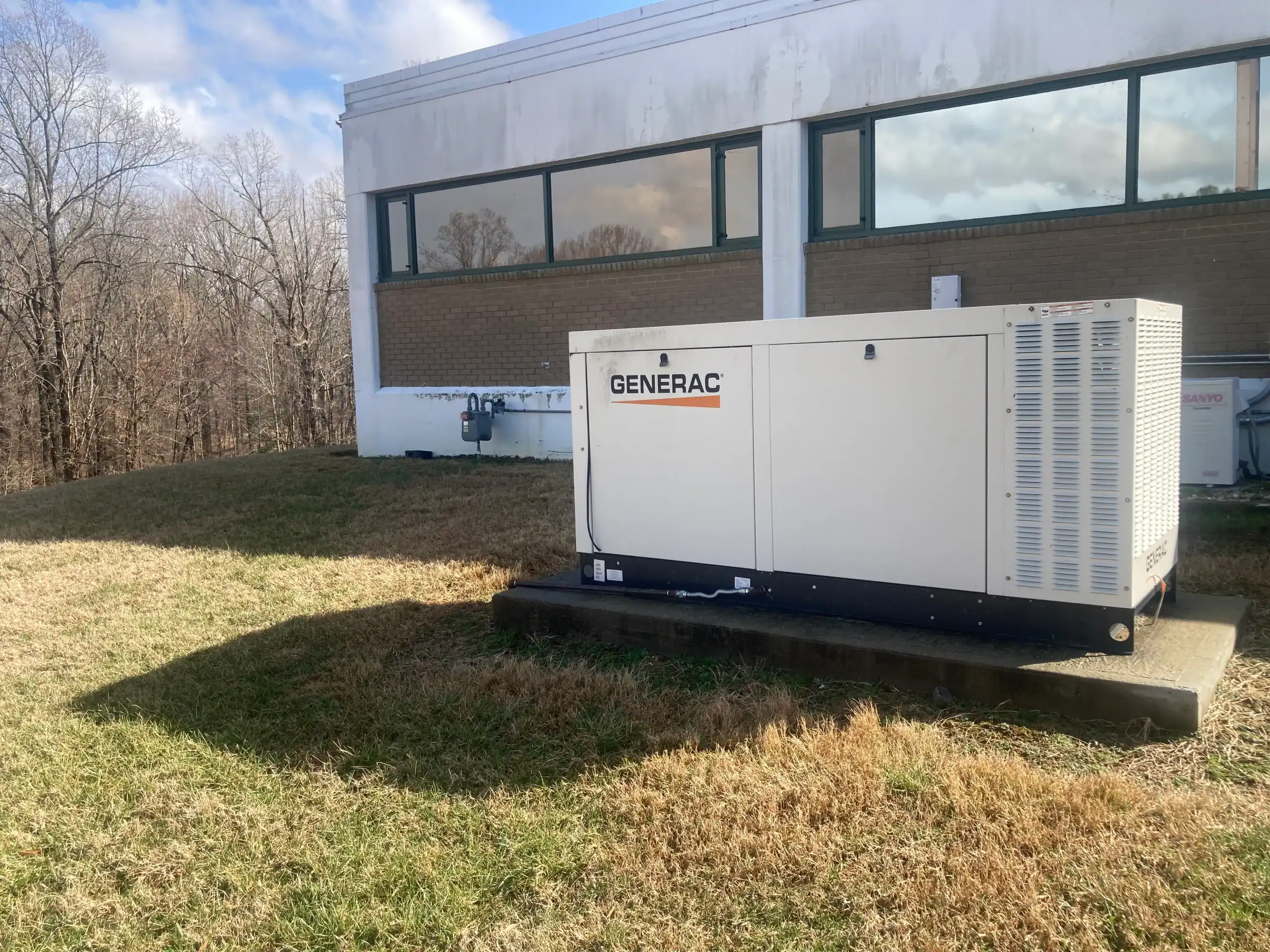
The fourth system is emergency lighting. Emergency lights may duplicate any or all of the other three types of lighting. Generally, the emergency lighting system is used in times of power failure or other emergencies when other systems are inoperative. The unique feature of the emergency system is that it is based on alternate power sources such as a gas powered generator or batteries.
Lighting is a very important aspect of Crime Prevention that often goes overlooked or misused. Take the time to survey your property during the night time. Check for dark areas, these are places that unwanted persons can hide undetected. Check for areas that may have blind spots because of the misdirection of the lighting sources.
On occasion the lighting choice and positioning may be too much for the area. Misdirection of lighting can cause a “wall of light”. This “wall of light” could create a hiding place for a criminal out in the open. While looking at your property, look for these “walls of light”, which would be an area that, because of the light, you can’t see past or through it.
We all like to be safe, too, and to keep our house, our family, our pets, and our guests safe – even if those guests are only staying long enough to pick up some candy or sing a carol. That means that we want the lights, power cords, controls, and everything else associated with our outdoor lighting to be done with safety in mind.
Thus, if a person were to stand out in the open behind the light source, you still could not detect that they were standing there. If this is the case all you need to do is reposition the light source.
Poor lighting can be a safety hazard – misjudgment of the position, shape or speed of an object can lead to incidents and injury. Poor lighting can affect the quality of work, specifically in situations where precision is required, and overall productivity.
Poor lighting can be a health hazard – too much or too little light strains eyes and may cause eye discomfort and headaches.
Exterior lighting is equally important as the interior lighting. It should be properly and functional, to provide a relaxing atmosphere, and at the same time safety and fun. The lighting has a big impact on the whole look of your garden and patio, and that’s why you need to pay attention where you will set the lights, and what kind of lighting you will use to light up your yard.