Storm season in North Carolina brings power outages that last days or weeks. A standby generator keeps your family safe, comfortable, and protected—automatically, every time.
Share:
Summary:
You’ve been through it before. The power flickers, then dies completely. Within hours, your refrigerator is warming up, the house is too hot or too cold, and you’re left wondering how long this one will last. In Alamance County, NC, Durham County, NC, Chatham County, NC, and Orange County, NC, power outages aren’t a question of if—they’re a question of when. Hurricanes, ice storms, and severe thunderstorms knock out power for hours, days, or even weeks. Standby generator installation eliminates that uncertainty. It powers your home automatically the moment the grid fails, keeping your family safe and comfortable while your neighbors sit in the dark. Here’s what you need to know about in-home generator installation and why waiting until the next storm warning is too late.
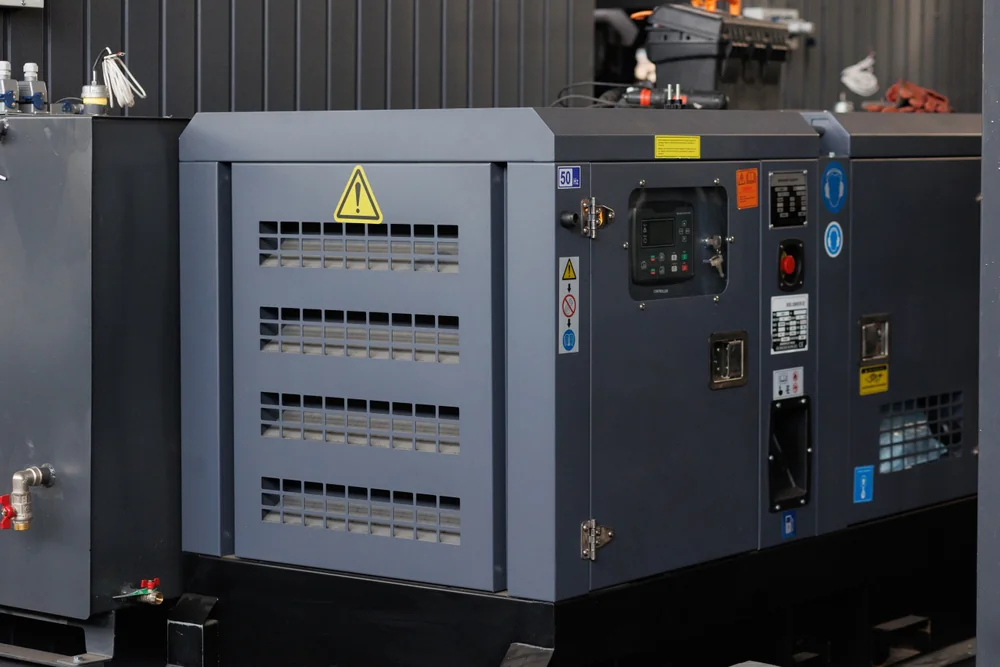
A standby generator is a permanent backup power system installed outside your home, similar to a central air conditioning unit. Unlike portable generators that require you to haul them out, fuel them up, and manually connect them, a standby system does everything automatically.
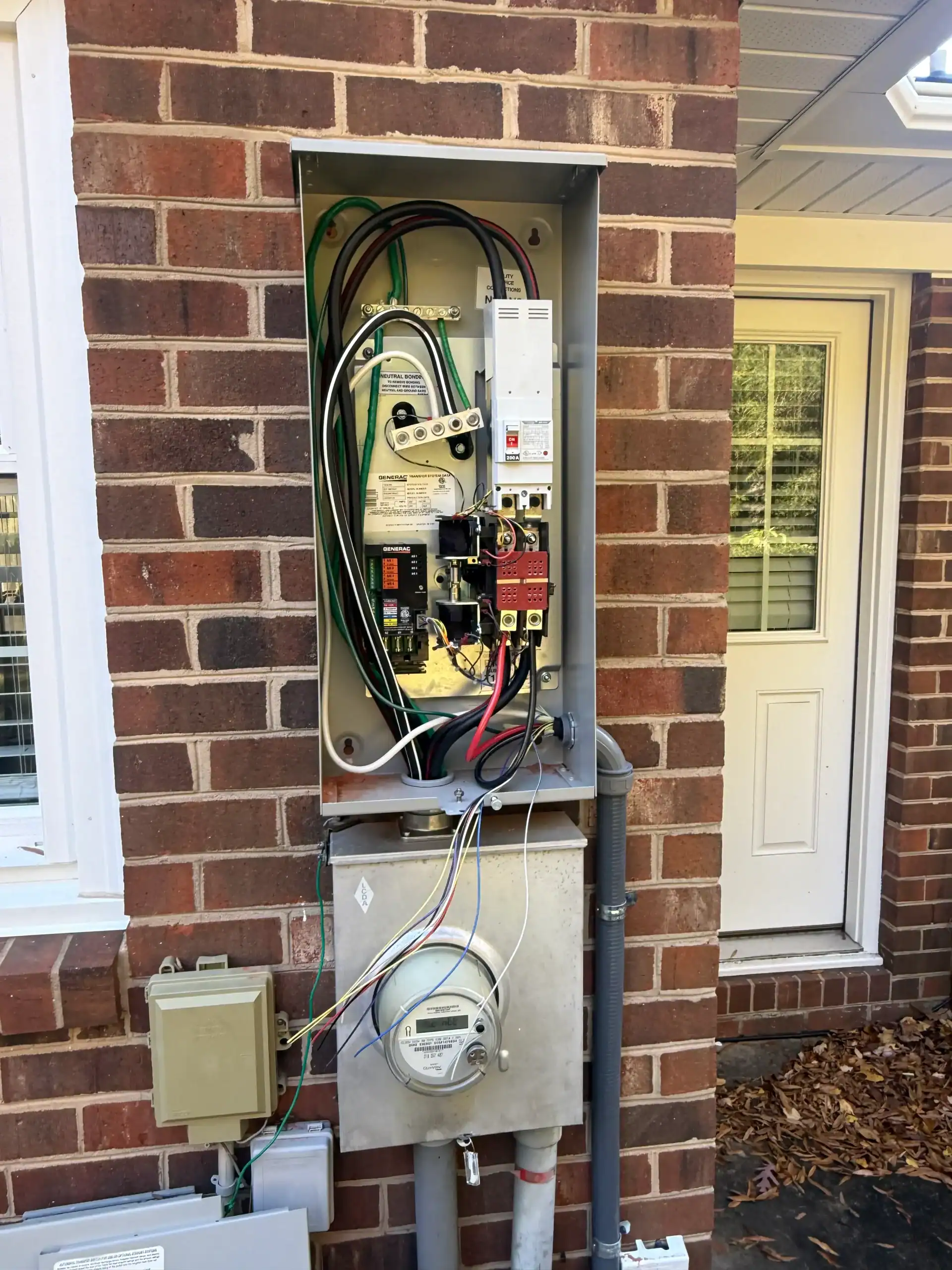
Here’s how it works. The generator connects directly to your home’s electrical panel through an automatic transfer switch. This switch constantly monitors the power coming from your utility company. The moment it detects an outage, it signals the generator to start. Within 10 to 30 seconds, your generator is running and supplying electricity to your home. You might notice a brief flicker—that’s it.
The system runs on natural gas or propane, so there’s no refueling in the middle of a storm. As long as you have fuel, the generator keeps running. When utility power returns, the transfer switch detects it, shifts your home back to grid power, and shuts the generator down. The whole process happens whether you’re home or not.
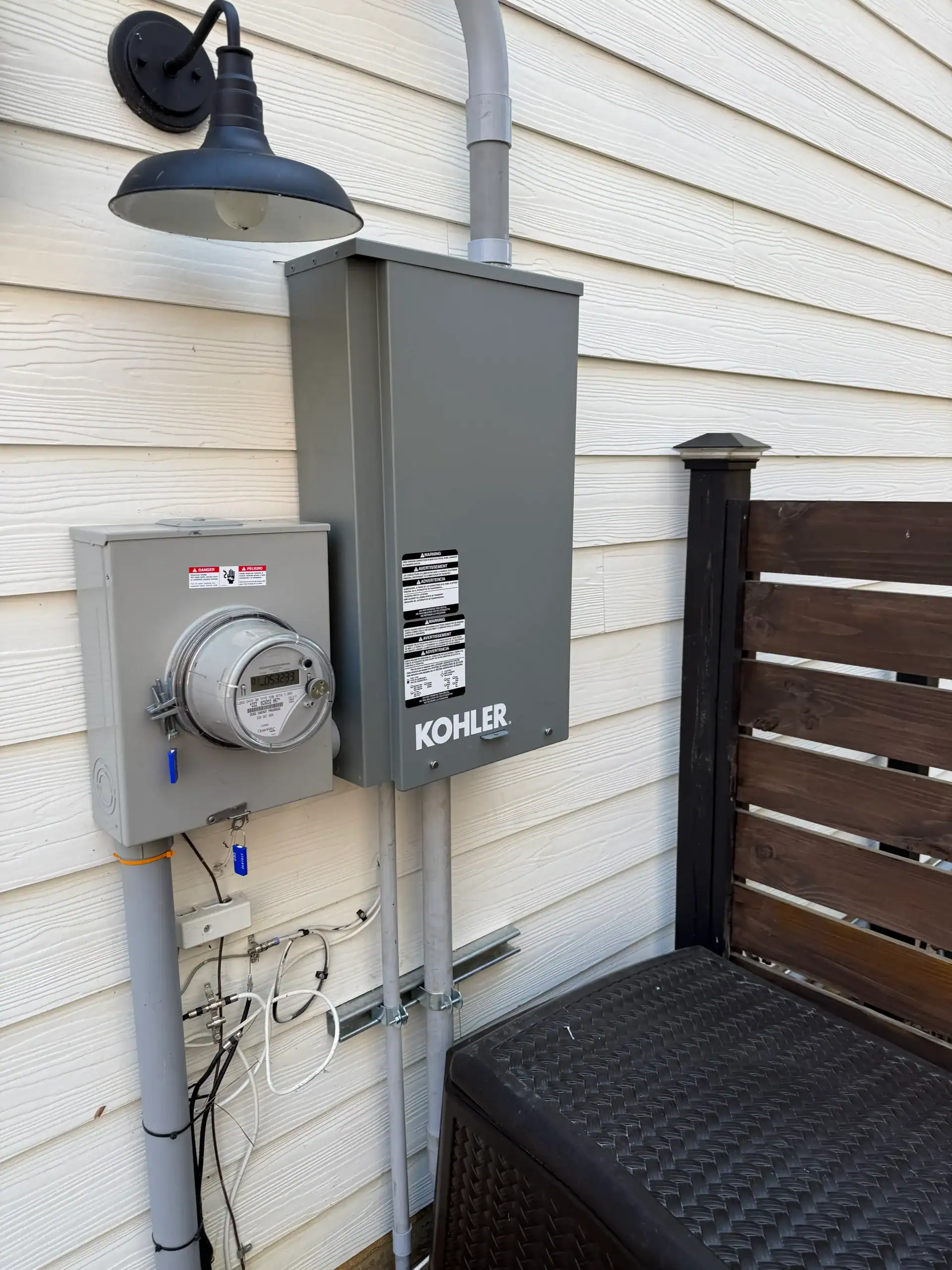
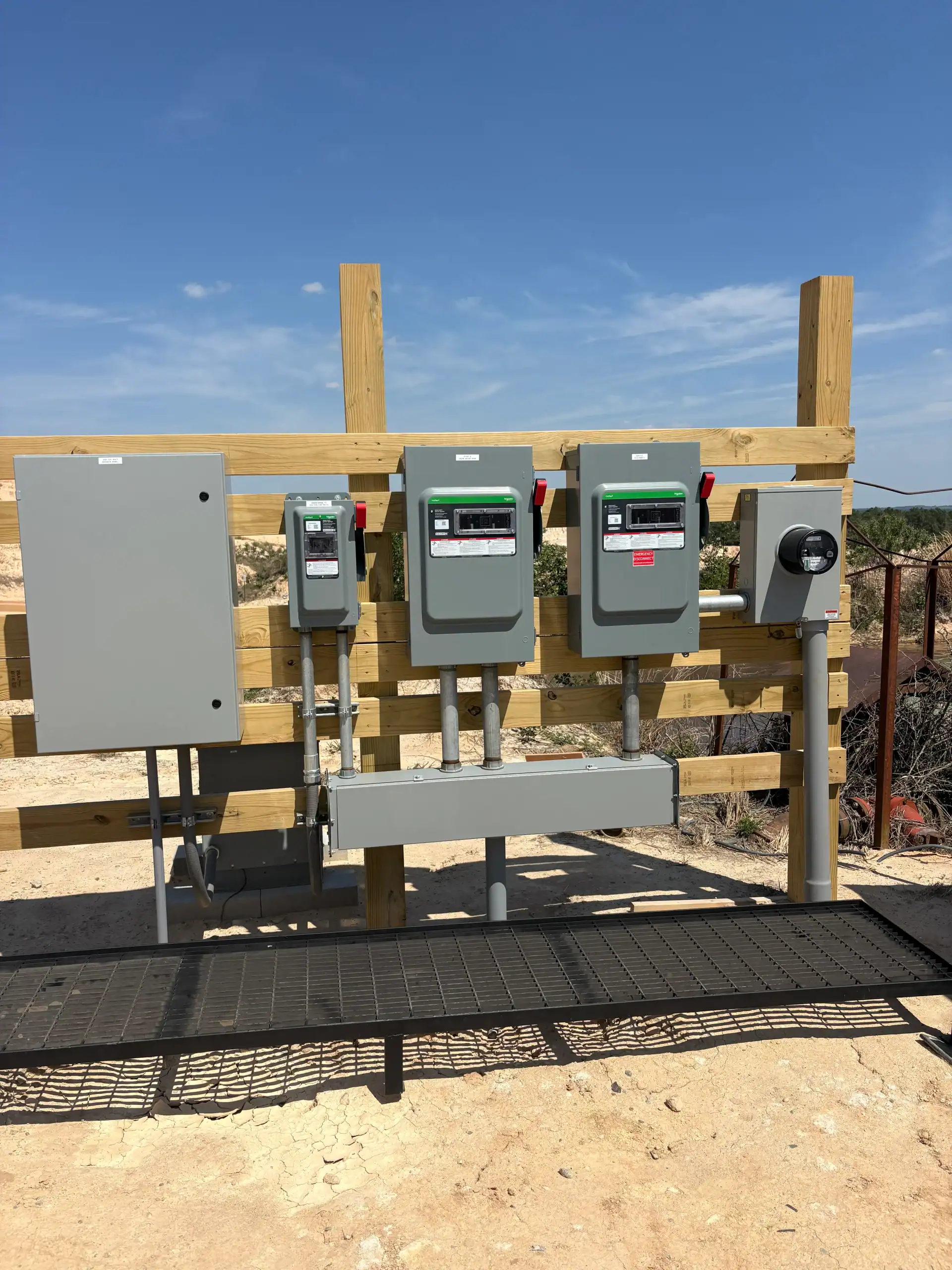
The automatic transfer switch is what makes standby generator installation worth the investment. Without it, you’d need to manually switch your home from utility power to generator power every time the lights go out. That’s not just inconvenient—it’s dangerous.
The transfer switch does three critical things. First, it isolates your home from the utility grid the moment your generator kicks on. This prevents your generator from backfeeding electricity into power lines, which could electrocute utility workers trying to restore service. Second, it ensures a seamless transition between power sources without damaging your appliances or electronics. Third, it monitors both your utility power and your generator’s output to make sure everything is operating safely.
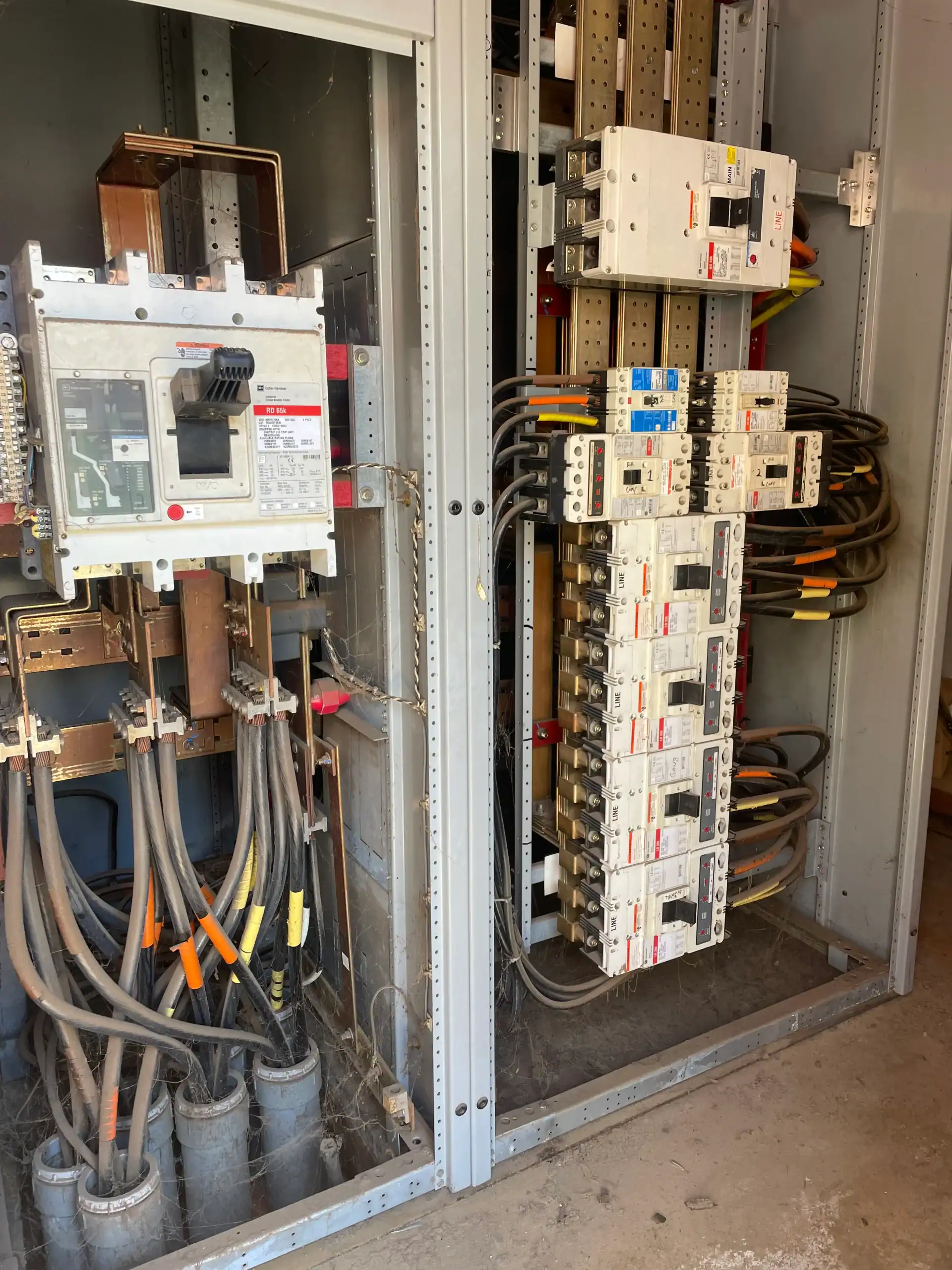
There are different types of transfer switches depending on your needs. A whole-house transfer switch powers your entire electrical panel, meaning every outlet, light, and appliance stays on during an outage. A sub-panel transfer switch powers only select circuits—things like your refrigerator, heating system, lights, and a few outlets. This option works well if you want to keep costs down while still protecting the essentials.
Service-rated transfer switches replace your main electrical panel and include the primary disconnect for your home. This is required in some installations depending on your current setup. We’ll evaluate your home’s electrical system and recommend the right configuration. The key is that the switch must be installed by a licensed professional to meet electrical codes and ensure your system operates safely.
Most homeowners don’t think about the transfer switch until they need it. But it’s the brain of your backup power system. It’s what allows you to sleep soundly knowing that if the power goes out at 2 a.m., your home will keep running without you waking up to flip a switch.
Sizing a generator isn’t about guessing. It’s about calculating your actual power needs so you’re not stuck with a system that’s too small to run your essentials or so oversized that you’re paying for capacity you’ll never use.
Generators are measured in kilowatts. One kilowatt equals 1,000 watts of power. A 10kW generator produces 10,000 watts. For most homes, a 15kW to 24kW generator provides enough power to run essential circuits or the whole house, depending on your electrical load.
Start by listing what you need to keep running during an outage. Refrigerator and freezer, heating or air conditioning, water heater, sump pump, a few lights, and outlets for charging devices—that’s the baseline. If you want to run your whole house, including things like your electric range, dryer, or multiple HVAC zones, you’ll need a larger unit.
High-draw appliances make a big difference. An electric dryer can pull 5,000 watts. A central air conditioner might use 3,500 watts. A well pump typically needs 1,500 to 2,000 watts just to start. These numbers add up fast, which is why professional sizing matters.
We’ll perform a load calculation based on your home’s electrical panel, the appliances you want to power, and whether you’re looking for whole-house coverage or essential circuits only. We’ll also account for starting wattage versus running wattage. Some appliances, like motors in air conditioners and sump pumps, require a surge of power to start up before settling into a lower running wattage.
The goal is to match your generator to your actual needs without overspending. A 20kW generator is a popular choice for most homes because it balances power output with cost. Smaller homes or those only powering essentials might do fine with a 14kW unit. Larger homes with multiple HVAC systems, electric appliances, and high power demands may need 26kW or more.
Don’t try to size this yourself. We’ll make sure your system is properly matched to your home, your budget, and your expectations. Getting it right the first time means you won’t be left in the dark when you need backup power most.
Want live answers?
Connect with a Electrical Service Providers expert for fast, friendly support.
Storm season in North Carolina isn’t a minor inconvenience. It’s a recurring reality that can leave you without power for days or weeks. Hurricane Helene in 2024 left over 900,000 customers without power across the Carolinas, with some areas in western North Carolina waiting weeks for restoration. Ice storms, like the one in December 2002, knocked out power for two million customers across 40 counties. Severe thunderstorms roll through regularly, downing trees and power lines without warning.
When the power goes out, the consequences pile up fast. Your refrigerator stops cooling. Frozen food starts thawing. If it’s summer, your home becomes unbearably hot. If it’s winter, you’re dealing with freezing temperatures and the risk of frozen pipes. Sump pumps stop working, which can lead to basement flooding. Security systems go offline. You can’t charge your phone to get emergency updates.
Emergency backup power eliminates all of that. A standby generator keeps your home running as if nothing happened. Your HVAC system stays on. Your food stays cold. Your sump pump keeps your basement dry. Your family stays safe and comfortable while the rest of the neighborhood waits for utility crews to finish repairs.
Most people don’t realize how quickly things fall apart without electricity. In the first few hours, it’s an inconvenience. By day two, it’s a crisis.
Your refrigerator will keep food cold for about four hours if you don’t open it. Your freezer will hold temperature for about 48 hours if it’s full, less if it’s half-empty. After that, you’re throwing out hundreds of dollars’ worth of groceries. If you have medications that require refrigeration, you’re scrambling to find alternatives.
Temperature control becomes a serious issue. In summer, indoor temperatures can climb into the 90s or higher, creating dangerous conditions for young children, elderly family members, or anyone with health conditions. In winter, your home gets cold fast. Pipes can freeze and burst, causing thousands of dollars in water damage. Your heating system won’t run without power, even if it’s gas-fired, because the blower and controls require electricity.
Sump pumps are another critical failure point. If you have a basement and it rains during an outage, water will accumulate with nowhere to go. A flooded basement means ruined belongings, potential mold growth, and expensive repairs. Whole house generator benefits include keeping that sump pump running so you never have to worry about it.
Security systems go dark during outages. If your system is hardwired and doesn’t have battery backup, your home is unprotected. Garage door openers stop working, which means you’re manually lifting a heavy door to get your car out. Well pumps stop, so if you’re on well water, you have no running water for drinking, cooking, or flushing toilets.
These aren’t hypothetical problems. They happen every time the power goes out for more than a few hours. Power outage solutions like a standby generator prevent all of them. Your home keeps functioning exactly as it should, and you avoid the stress, expense, and danger that come with extended outages.
Portable generators are cheaper upfront, and that’s their main selling point. You can buy a decent portable unit for $500 to $2,500. But the cost savings come with serious trade-offs that most people don’t think about until they’re dealing with an outage.
Portable generators require manual setup every single time the power goes out. You have to wheel the unit out of storage, position it at least 20 feet from your home to avoid carbon monoxide poisoning, connect it to your transfer switch or run extension cords, and start it up. If the outage happens at night, in a storm, or while you’re not home, you’re out of luck.
They also require constant refueling. Portable generators run on gasoline, burning through 12 to 20 gallons per day depending on the load. That means storing large quantities of fuel, which is a fire hazard and degrades over time. You’ll also need to shut the generator off to refuel it safely, which means your power goes out every few hours. During a multi-day outage, finding gas stations that are open and have fuel is a challenge.
Portable units are loud. Most run at 80 to 100 decibels, which is louder than a lawnmower. Your neighbors won’t appreciate it, and neither will you if you’re trying to sleep. They also can’t power hardwired appliances like your furnace, central air conditioner, or well pump unless you install a transfer switch, which adds to the cost.
Standby generators eliminate all of those problems. They’re permanently installed, so there’s no setup. They run on natural gas or propane, so there’s no refueling. They start automatically within seconds of an outage, whether you’re home or not. They’re quieter, typically operating at 60 to 70 decibels, which is about the same as a conversation or an air conditioner. And they can power your entire home, including hardwired systems, without any manual intervention.
The upfront cost is higher—standby generator installation typically runs between $6,000 and $15,000 depending on size and complexity. But when you factor in the convenience, safety, and long-term reliability, the investment makes sense. You’re not just buying a piece of equipment. You’re buying peace of mind and protection for your family and your home.
If you experience frequent outages, have medical equipment that requires power, or simply want the confidence that your home will stay running no matter what, a standby generator is the right choice. Portable generators work for occasional, short outages where you’re willing to do the manual work. For everything else, automatic backup power is the answer.
Storm season doesn’t wait. Neither should you. Every year, homeowners across Alamance County, NC, Durham County, NC, Chatham County, NC, and Orange County, NC deal with power outages that could have been avoided with the right preparation. Standby generator installation gives you automatic protection, keeping your home powered and your family safe no matter what the weather throws at you.
The process is straightforward. We’ll evaluate your home’s electrical system, calculate your power needs, and recommend the right generator size. Installation typically takes a day, and once it’s done, you’re covered. The system tests itself weekly to make sure it’s ready when you need it. From there, annual maintenance keeps everything running smoothly for decades.
If you’re ready to stop worrying about the next outage, now is the time to act. Reach out to us to schedule a consultation and get a custom quote for your home. Don’t wait until the storm warning comes—get your backup power in place now.
Article details:
Share:
Continue learning: