Fall in NC brings new demands on your electrical system. Here's what to check before the season shifts — and what the warning signs actually mean.
Share:

Summary:
Fall in Alamance County doesn’t ease in slowly. One week you’re running the AC, the next you’re turning on the heat, plugging in space heaters, and stringing lights across the front porch. Your electrical system absorbs all of that — usually without complaint. But “usually” is doing a lot of work in that sentence.
The homes in Burlington, Graham, Haw River, and the surrounding communities carry decades of electrical history. Some of it holds up fine. Some of it was already close to its limit before you added a single space heater. This checklist is for the homeowner who wants to know what to actually look for — and what it means if they find it.
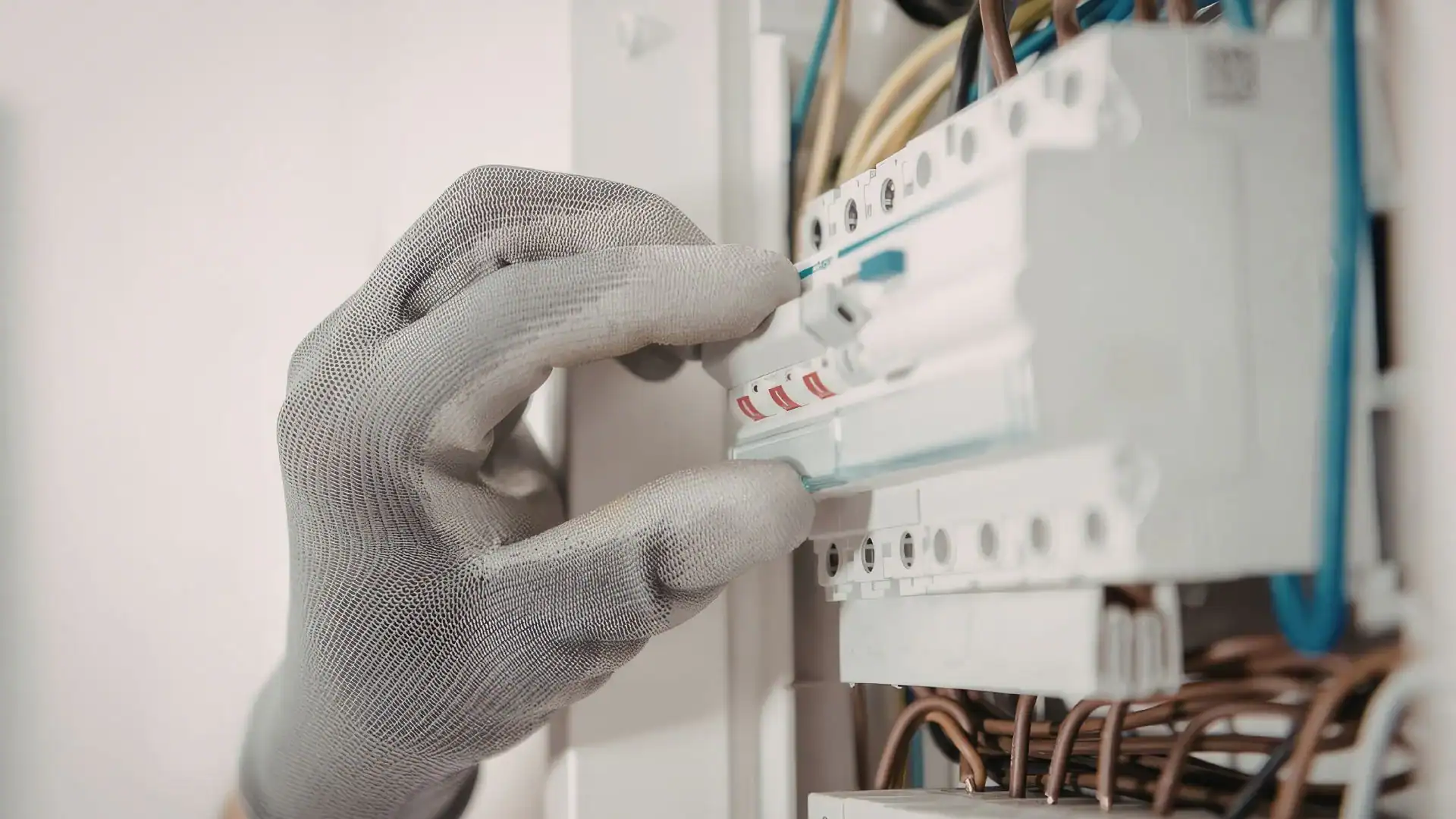
Your electrical panel is the starting point for everything. It’s where the power coming into your home gets divided and controlled, and it’s also where problems tend to hide in plain sight. A panel that worked fine through the summer may be a different story once heating loads, holiday lighting, and additional appliances all come online at the same time.
If your home was built before 1990 — and a lot of homes in Alamance County were — there’s a reasonable chance your panel was sized for a world that looked very different electrically. A 100-amp service that was standard in 1965 was not designed to handle a modern HVAC system, a home office, an EV charger, and a string of outdoor holiday lights running simultaneously.
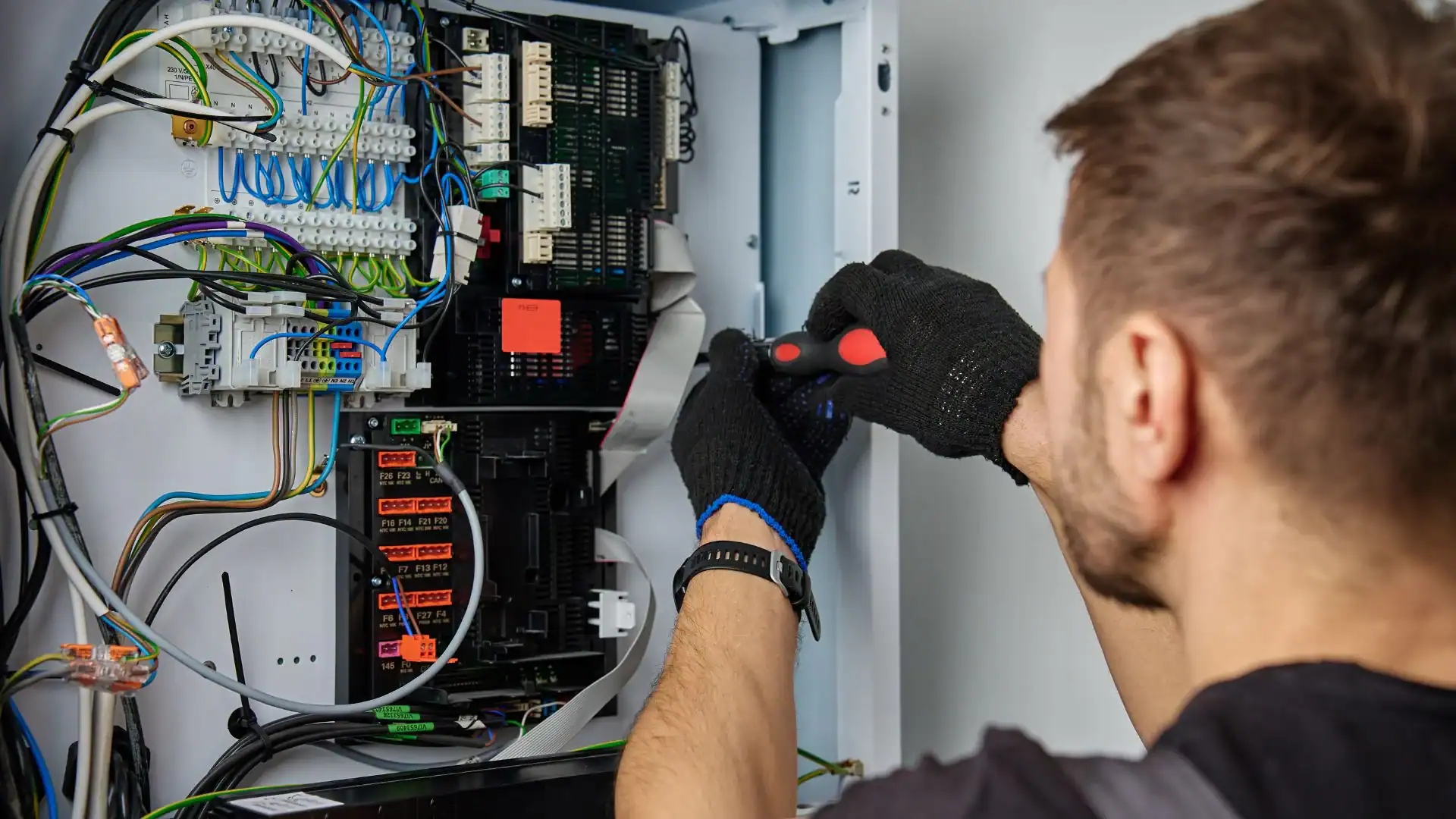
The panel itself will often tell you something is wrong if you know what you’re looking at. Breakers that trip repeatedly — not just once after an overload, but regularly, under normal use — are one of the clearest signals. A breaker that trips is doing its job, but one that trips often is telling you the circuit is consistently being pushed past its rated capacity. That’s not a nuisance. That’s a structural problem.
Scorch marks or a burning smell near the panel are more urgent. So is a panel that feels warm to the touch. Heat inside an electrical panel points to resistance in connections that should be tight — and resistance generates heat, and heat generates fire risk. These are not situations to monitor and revisit later.
There are also two panel brands that come up frequently in home inspections of older Alamance County properties: Federal Pacific and Zinsco. Both have documented reliability concerns that have been flagged for decades. If your home has one of these panels and you’ve never had it evaluated, fall — before the heaviest electrical loads of the year arrive — is the right time to do it.
A panel inspection isn’t just about whether breakers are tripping. We can also identify double-tapped breakers (two wires connected to a single breaker that was only designed for one), missing knockouts, and connections that have loosened over time. None of these are visible from the outside. That’s exactly why thermal imaging exists — it detects heat signatures inside the panel that indicate a problem developing before it becomes a failure. We use thermal imaging as part of our inspection process, and it’s not something most electricians in the area offer.
If your panel is original to a home built in the 1950s, 1960s, or 1970s, the honest answer is that it has been doing its job for a long time under conditions it wasn’t designed for. Getting it looked at isn’t an overreaction — it’s just overdue.
Electrical fire prevention isn’t a once-a-year task, but fall creates a specific set of conditions that raise the risk in ways that other seasons don’t. The combination of increased electrical load, seasonal weather, and outdoor hazards that come with falling leaves makes October and November a genuinely higher-risk period — particularly for homes in older neighborhoods across Burlington, Graham, and Haw River.
Space heaters are one of the most common culprits. They draw significant current, and plugging one into an outlet that’s already serving a lamp, a TV, and a phone charger pushes that circuit closer to its limit. Extension cords make this worse. An extension cord is rated for temporary use — it is not a permanent wiring solution, and running a space heater through one is a documented fire hazard. If you find yourself relying on extension cords for anything that runs regularly, that’s a signal that you need more circuits, not more cords.
Outdoors, dry leaves accumulating near exterior outlets, landscape lighting, or power cords are a fire risk that’s easy to overlook. A spark from a damaged cord or a failing outdoor fixture can catch dry leaf litter faster than most people expect. Clearing debris away from outdoor electrical components takes five minutes and removes a real hazard.
Fall is also when NC’s hurricane season is still technically active — through the end of November. Inland Alamance County doesn’t take direct hits the way the coast does, but wind events, extended outages, and the power surges that happen when the grid comes back online after a storm are all real risks here. A whole-home surge protector doesn’t just protect your electronics from a nearby lightning strike — it protects everything connected to your panel when utility power is restored after an outage, which is often when the most damaging surges occur. If you don’t have one, fall is a logical time to add it.
GFCI outlets — the ones with the test and reset buttons — are required by code in bathrooms, kitchens, garages, and outdoor locations because those areas are where water and electricity are most likely to meet. In older homes throughout Alamance County, these protections often weren’t installed originally and were never added. Testing the ones you have (press the test button — the outlet should lose power; press reset — it should come back) takes less than a minute per outlet. If any fail the test, or if your older home has unprotected outlets in these areas, that’s worth addressing before winter.
Want live answers?
Connect with a Electrical Service Providers expert for fast, friendly support.
Beyond the panel and fire prevention basics, there are a handful of practical electrical safety tips that apply specifically to the fall transition in Alamance County. Some of these you can handle yourself. Others are worth having a professional look at — not because every item on a checklist requires a service call, but because some things genuinely aren’t safe to assess without training and equipment.
The goal here isn’t to alarm anyone. It’s to give you a clear picture of what your system is actually doing before the coldest, most electrically demanding months of the year arrive. Most homes pass without major issues. But when something does need attention, finding it in October is a much better outcome than finding it in January.
There’s a reasonable amount you can assess on your own without any tools or technical background. Start with your smoke detectors. Test each one by pressing the test button — it should sound immediately. If it doesn’t, replace the battery and test again. If it still doesn’t respond, replace the detector. Smoke detectors have a manufacturer-recommended lifespan of roughly ten years; if yours are older than that, replace them regardless of whether they pass the test.
Carbon monoxide detectors follow the same logic and are just as important, particularly once gas heating systems come back online for the season.
Walk through your home and look at the cords on appliances and lamps. Frayed insulation, cracked jackets, or cords that run under rugs or through doorways are worth replacing. A damaged cord is a direct path to a short circuit or a fire. This is one of the simplest hazards to eliminate and one of the most consistently overlooked.
Check your outdoor outlets and lighting. Weatherproof covers on exterior outlets should close fully and seal tightly — if they’re cracked or missing, moisture can reach the outlet during fall rain. Outdoor light fixtures should be checked for water intrusion, which can corrode connections and create arc fault conditions over time.
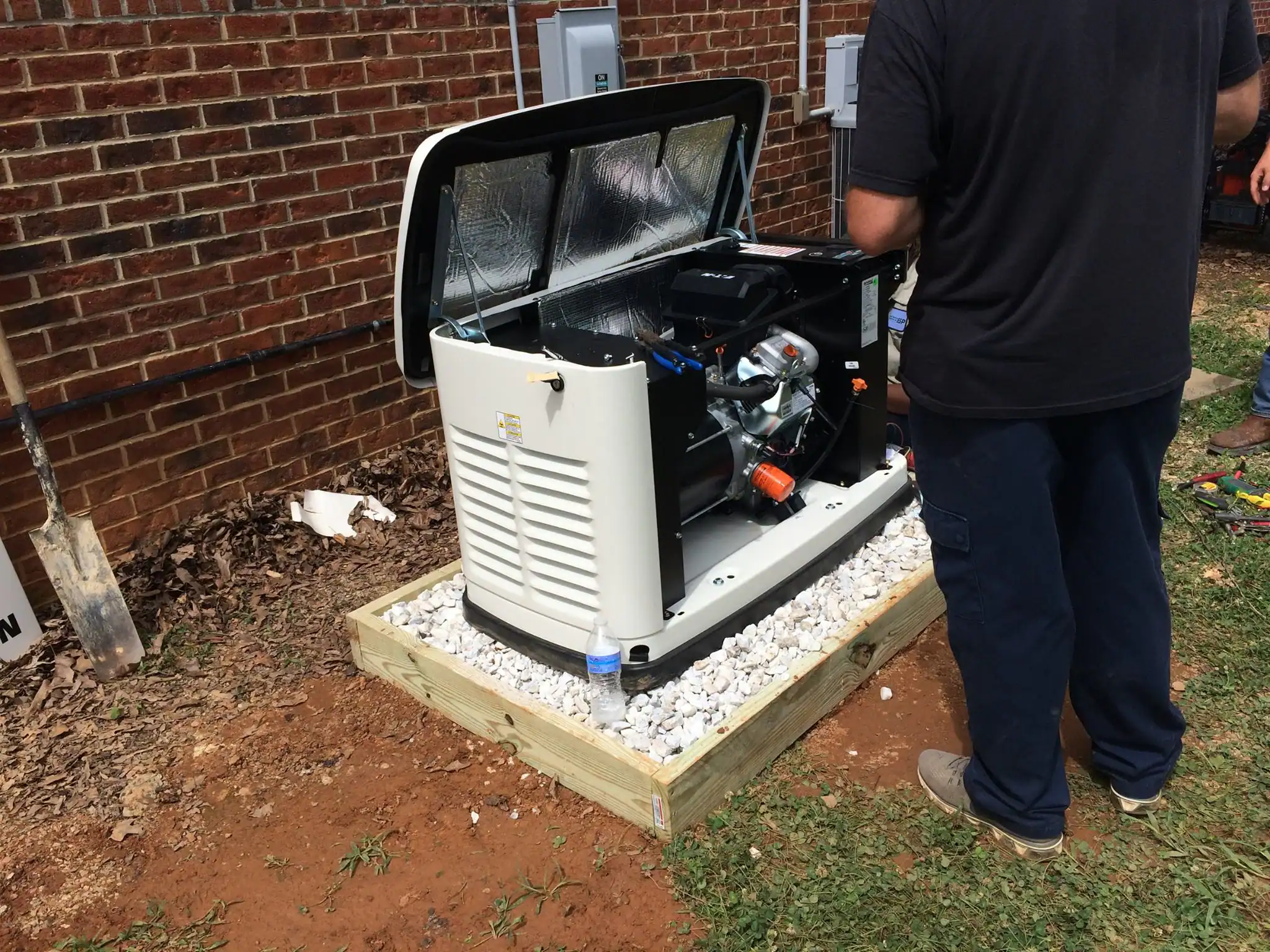
If you have a generator, now is the time to run it under load and confirm it starts and transfers correctly. Generators that sit unused through the summer sometimes develop fuel or battery issues that only show up when you actually need them. Running a brief test cycle before the first storm of the season is much better than discovering a problem during one.
Pay attention to anything your system has been telling you that you’ve been attributing to something else. Lights that dim when the HVAC kicks on. Outlets that feel warm. Breakers that trip occasionally and then reset without issue. These aren’t necessarily catastrophic on their own, but they’re your system communicating that something is worth looking at. Summer load patterns can mask these symptoms — fall, when the load profile changes, is often when they become more visible.
Some of what you’ll find on a fall walkthrough is straightforward to address yourself. But there’s a category of issues where the right move is to call a licensed electrician — not because the problem is necessarily an emergency, but because the risk of getting it wrong is real, and because NC law requires licensed contractors for electrical work that goes beyond basic bulb and battery replacement.
Any time you’re dealing with the panel itself — investigating a tripping breaker, adding a circuit, or evaluating whether your service capacity is adequate — that’s licensed-electrician territory. The same applies to wiring work inside walls, replacing outlets in GFCI-required locations, and anything involving your home’s main service entrance. This isn’t overcautious advice. Improper electrical work can void your homeowner’s insurance and create hazards that aren’t visible until something fails.
In Alamance County specifically, the homes that need the most attention are often the ones that have changed hands a few times without a full electrical review. Older Burlington neighborhoods, mill-era housing in Haw River, and the ranch homes that were built across Graham and Alamance in the postwar decades frequently have combinations of aging panels, aluminum wiring, and original outlets that were never updated for modern use. We’ve worked on all of it — since 2002, this has been our focus. Not new construction, not large commercial builds, but existing homes and businesses that need someone who actually knows what they’re looking at.
When you call us, a real person answers. We use flat-rate pricing, which means you’ll know the cost before we start — no hourly billing that climbs while we’re in your crawlspace. Most jobs are completed in one visit because our trucks are stocked for the work we do most often. Our work passes inspection the first time, which matters if you’re adding a circuit, upgrading a panel, or installing a generator before hurricane season closes out.
Andy Helton has been a licensed Master Electrician since 1989. That’s over 35 years of licensed experience, and it predates the founding of ESP Electrical Service Providers by more than a decade. When we say we know what we’re doing with older homes in Alamance County, that’s not a marketing line — it’s just the record.
The October and November window is when electrical issues in Alamance County homes tend to surface — not because fall is uniquely dangerous, but because it’s when everything comes back online at once after months of running a single, steady load. Panels get stressed. Hidden problems become visible. And the homes that were already close to their limits don’t have much margin left.
The checklist items covered here aren’t complicated, but they do require actually doing them. Test your detectors. Look at your cords. Check your outdoor outlets. Run your generator. And if your panel is original to a home built before 1990, get it looked at by someone who can tell you what’s actually there.
If you’re in Burlington, Graham, Mebane, Elon, Haw River, or anywhere else in Alamance County and you want a straight answer about your electrical system before winter, ESP Electrical Service Providers is the call to make.
Article details:
Share:
Continue learning: