If your home was built before 1990, your electrical panel may already be past its prime. Here's what Alamance County homeowners need to know before upgrading.
Share:
Summary:
Most homeowners don’t think about their electrical panel until something goes wrong. A breaker trips and won’t reset. The lights flicker when the AC kicks on. An electrician flags the panel during a home inspection and suddenly the closing is in jeopardy. Whatever brought you here, you’re in the right place.
This page is for people who want to understand what an electrical panel upgrade actually involves — the process, the cost, the permits, and what to expect on the day of the job. Just a clear picture of what’s ahead so you can make a confident decision.
Burlington’s median home was built in 1978. That’s not a guess — it’s a data point, and it matters here because homes from that era were typically wired for 60 to 100 amps of electrical service. At the time, that was plenty. Central air conditioning was less common, nobody owned an EV, and the average kitchen had a fraction of the appliances it does today.
Fast forward to now. If your home still has its original panel, it’s been asked to do far more than it was designed for. That’s often why breakers trip repeatedly, why you can’t run the dryer and the microwave at the same time, or why we’re recommending an upgrade before you add anything new to the system. The panel isn’t failing because something is broken — it’s reaching the limit of what it was built to handle.
This is especially true in the older neighborhoods of Burlington, Graham, and the mill villages throughout Alamance County where homes date back to the 1920s and 1930s. Those panels have been working overtime for decades.
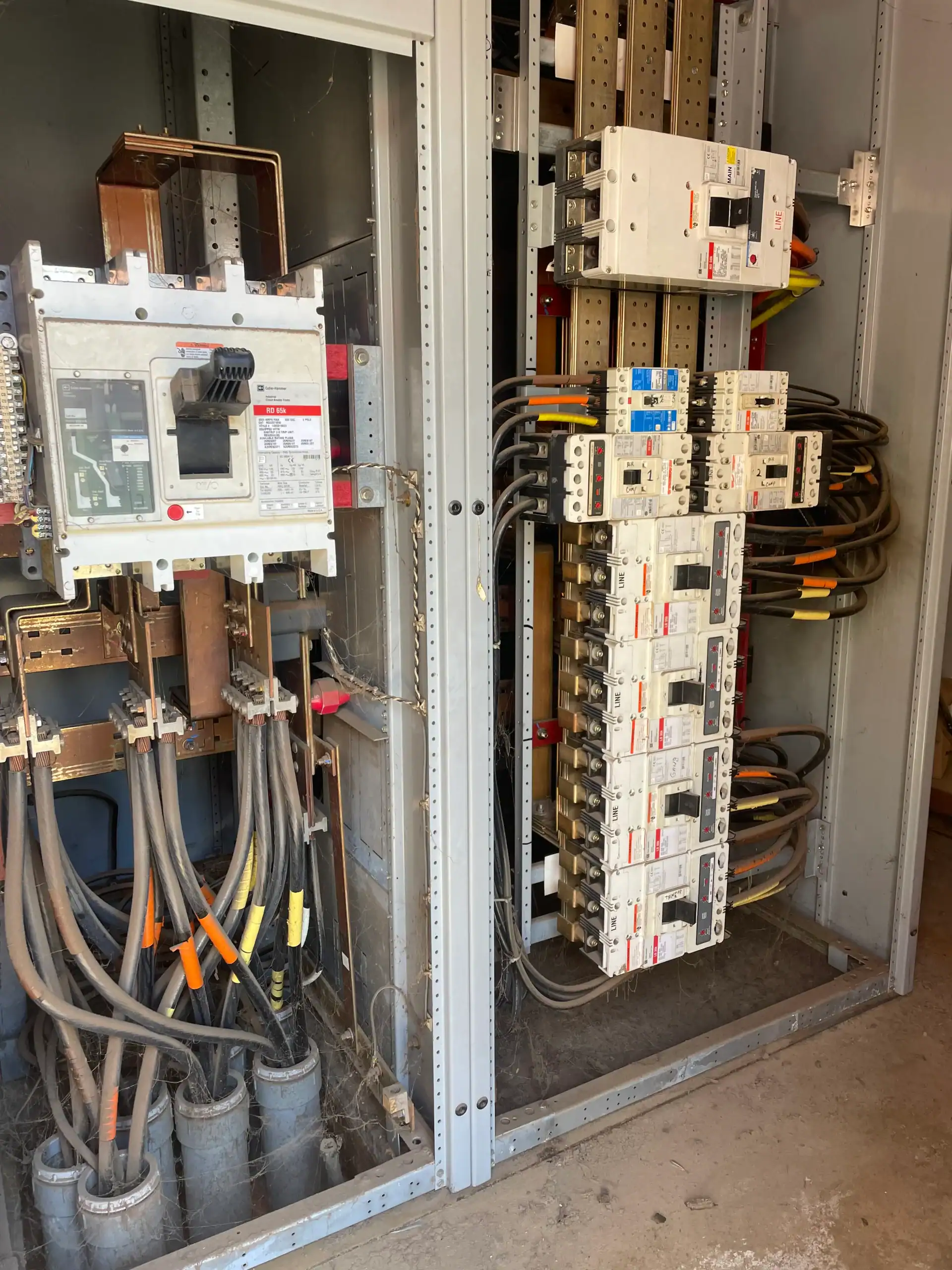
A panel upgrade is more involved than swapping one box for another. Done correctly, it’s a coordinated process that starts well before anyone picks up a screwdriver.
It begins with a load calculation — an assessment of how much electrical capacity your home currently uses and how much it will need going forward. This isn’t guesswork. We look at your existing circuits, your appliances, your HVAC system, and any planned additions like an EV charger or a standby generator. That calculation determines whether a 200-amp panel is sufficient or whether your situation calls for something larger.
Before any work begins, a permit has to be pulled. In North Carolina, that’s not optional — it’s the law. The permit triggers a formal inspection process that protects you, your home, and your insurance coverage. We’ll cover that in more detail below, but the short version is this: unpermitted panel work can void your homeowner’s insurance and create serious complications if you ever sell the home.
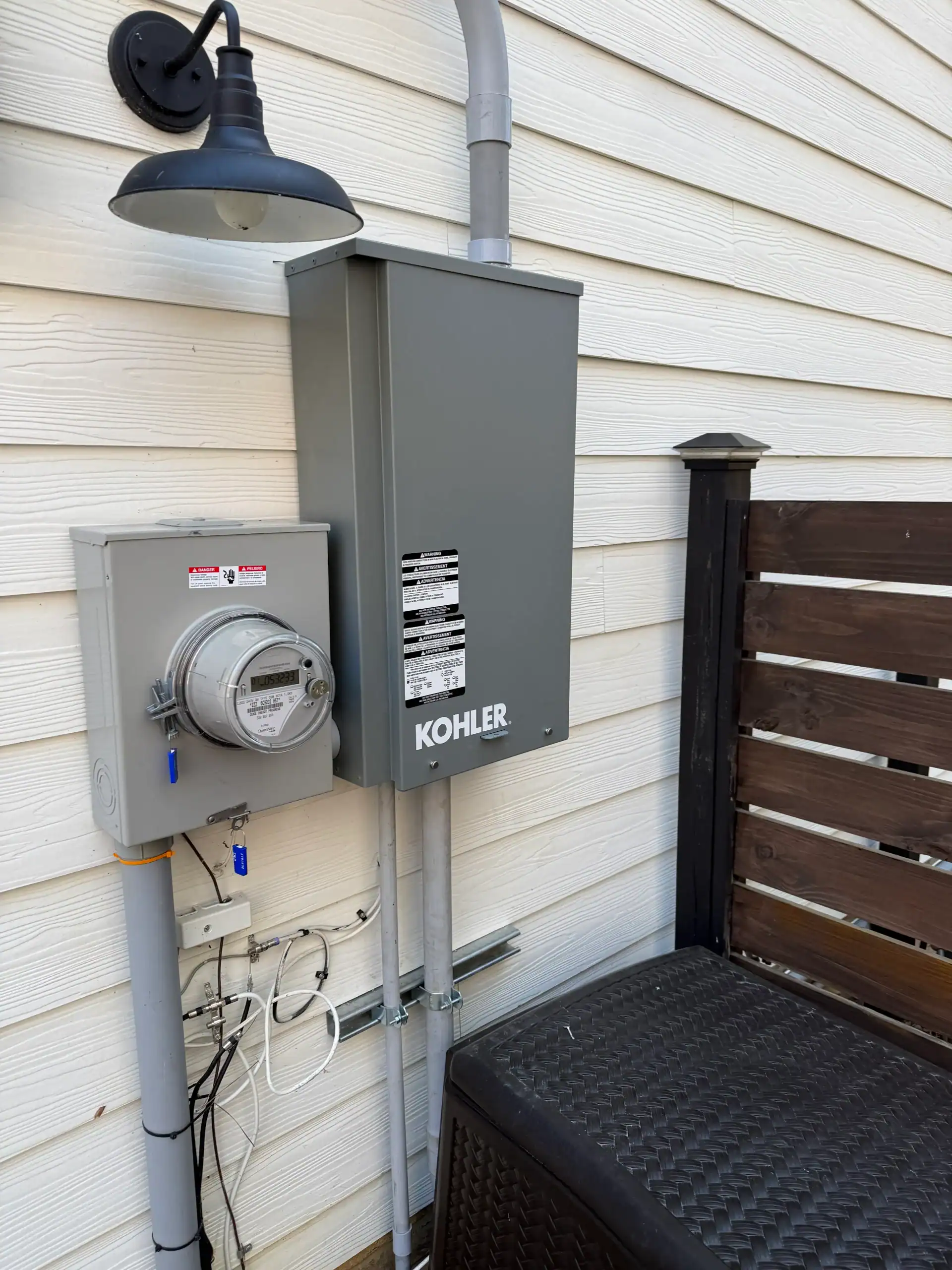
On the day of the job, the utility has to disconnect power at the meter before the old panel comes out. In Alamance County, that means coordinating with Duke Energy Progress. Once the disconnect is confirmed, the old panel is removed, the new one is installed, every circuit is reconnected and labeled, and the grounding system is brought up to current code — which requires two ground rods driven eight feet into the earth, plus a connection to the home’s cold water pipe. After the work is complete, the municipal inspector comes out to verify everything meets NC code. Once it passes, Duke Energy restores power and you receive a Certificate of Electrical Compliance.
The whole process, from permit to final inspection, typically takes one to two days for a standard job. Most straightforward panel upgrades — where the panel location isn’t changing and no major rewiring is needed — are completed in a single day.
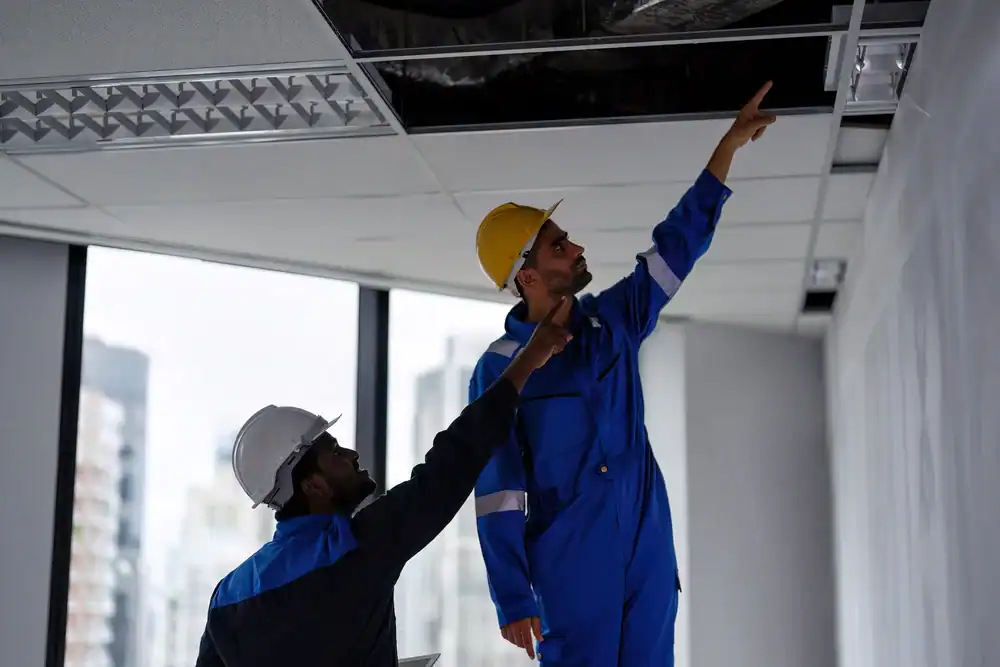
One of the most useful tools in the planning phase is one most homeowners have never heard of: thermal imaging. Before recommending a specific panel size or scope of work, we use thermal imaging equipment to scan your existing electrical system for hotspots, overloaded circuits, and loose connections that are invisible to the naked eye.
This matters because a visual inspection alone can miss problems that are already developing inside your walls or behind your panel cover. A connection that looks fine can be running dangerously hot. A circuit that isn’t tripping may have a breaker that’s no longer functioning properly — which is actually more dangerous than one that trips, because a failed breaker won’t cut power when it should.
Thermal imaging gives us a data-driven starting point. Instead of making assumptions about what your home needs, we can show you exactly what’s happening and explain why we’re recommending what we’re recommending. It also means we’re less likely to encounter surprises mid-job, which keeps the project on schedule and on budget.
For older homes in Alamance County — particularly those in the downtown neighborhoods of Burlington, the West Burlington areas, and the mill village sections of town — this kind of thorough assessment isn’t just useful. It’s essential. Homes that age have electrical histories. Knowing what you’re working with before the job starts is the difference between a clean one-day upgrade and a project that keeps expanding.
Want live answers?
Connect with a Electrical Service Providers expert for fast, friendly support.
This is the part of the conversation that makes a lot of homeowners nervous, and understandably so. Permits feel like bureaucracy. They feel like something that might slow things down, cost extra, or reveal problems you’d rather not deal with right now.
Here’s the reality: in North Carolina, a permit is required for every panel upgrade, no exceptions. And the permit process isn’t something you have to navigate on your own. When you work with us, we handle the entire permit application, coordinate the inspection, and manage the Duke Energy disconnect and reconnect. You don’t have to call the city or figure out the paperwork. That’s our job.
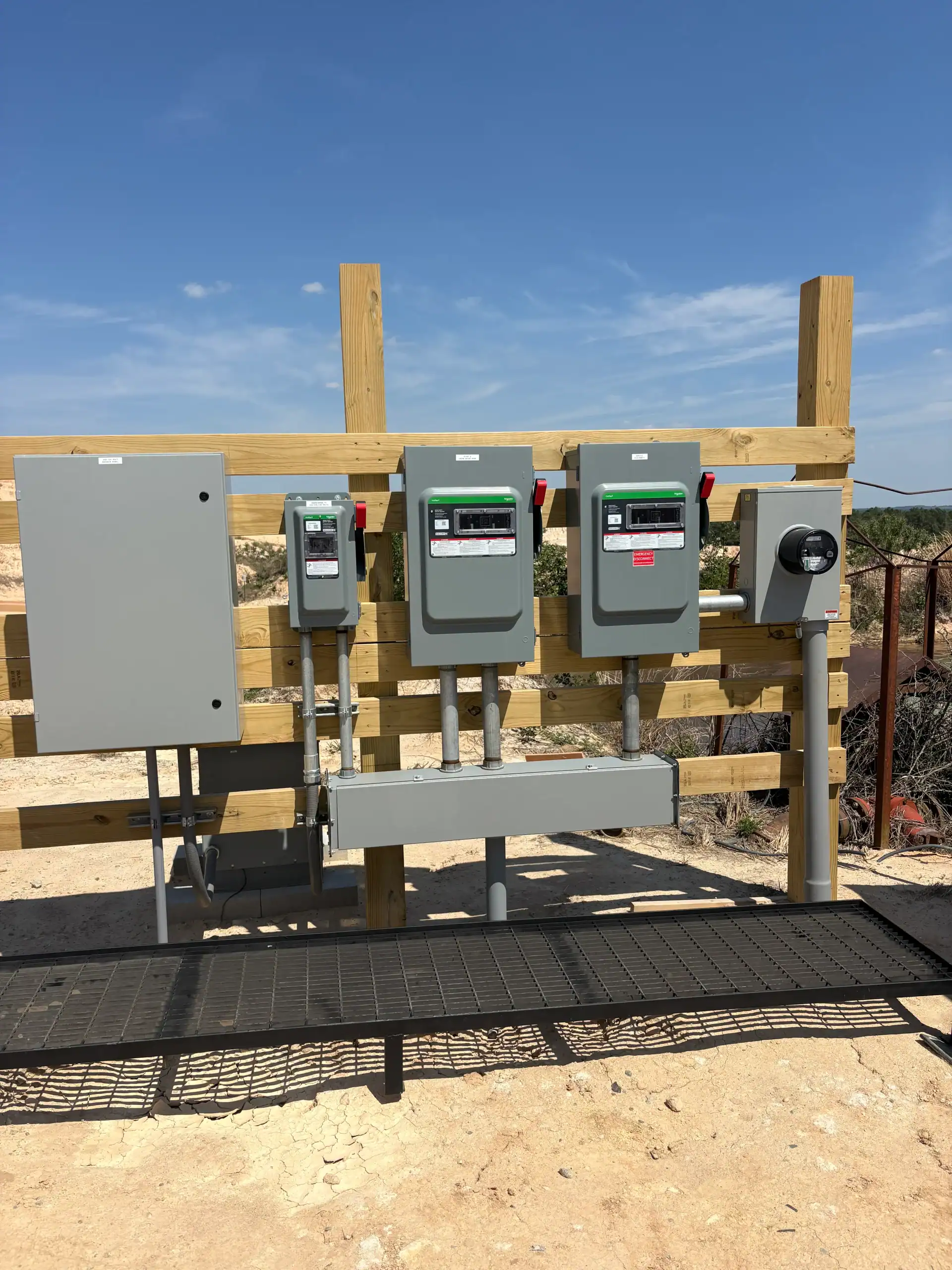
It’s worth being direct about this because the question comes up often. Some homeowners have had work done in the past without a permit — maybe a previous owner, maybe a contractor who didn’t mention it. And if nothing went wrong, it can be easy to assume the permit wasn’t necessary.
But the consequences of unpermitted electrical work are real and they tend to surface at the worst possible times. If there’s a fire and the cause is traced to an unpermitted panel, your insurance company can deny the claim. Not reduce it — deny it entirely. That’s not a hypothetical. It’s written into most standard homeowner’s policies.
The other moment unpermitted work tends to surface is during a home sale. Lenders, buyers, and title companies routinely request permit records for major work during escrow. An unpermitted panel replacement can become a negotiating issue, a closing delay, or a deal-breaker. In Alamance County, where home values have been rising — particularly in Burlington — protecting that equity matters.
There’s also the safety dimension, which is the most straightforward argument of all. The inspection process exists because even well-intentioned work can have errors. An inspector catching a grounding issue or an improper connection before power is restored is the system working exactly as it’s supposed to. It’s not an obstacle. It’s a safeguard.
North Carolina currently operates under the 2020 NEC with state amendments for residential work. Code requirements include proper grounding, AFCI and GFCI protection in specified areas of the home, clear circuit labeling, and a Certificate of Electrical Compliance issued before utility power is restored. We know these requirements inside and out — and we know what Alamance County’s inspectors look for, because we’ve been doing this work here since 2002.
One of the most common reasons homeowners in Alamance County are calling about panel upgrades right now isn’t a failing breaker — it’s a planned addition. They’ve bought an electric vehicle and discovered that Level 2 charging requires a 30 to 60 amp dedicated circuit, which can consume more than half the capacity of a 100-amp panel. Or they want a whole-home generator and need a transfer switch or interlock installed. Or they’re replacing a gas appliance with an electric alternative and the panel can’t support the load.
This is where the planning conversation really starts to open up. A panel upgrade isn’t just about fixing a problem that exists today. It’s about making sure your home’s electrical infrastructure can handle where things are going. A properly sized 200-amp panel — installed correctly, permitted, and inspected — gives you room to add circuits without starting this process over in five years.
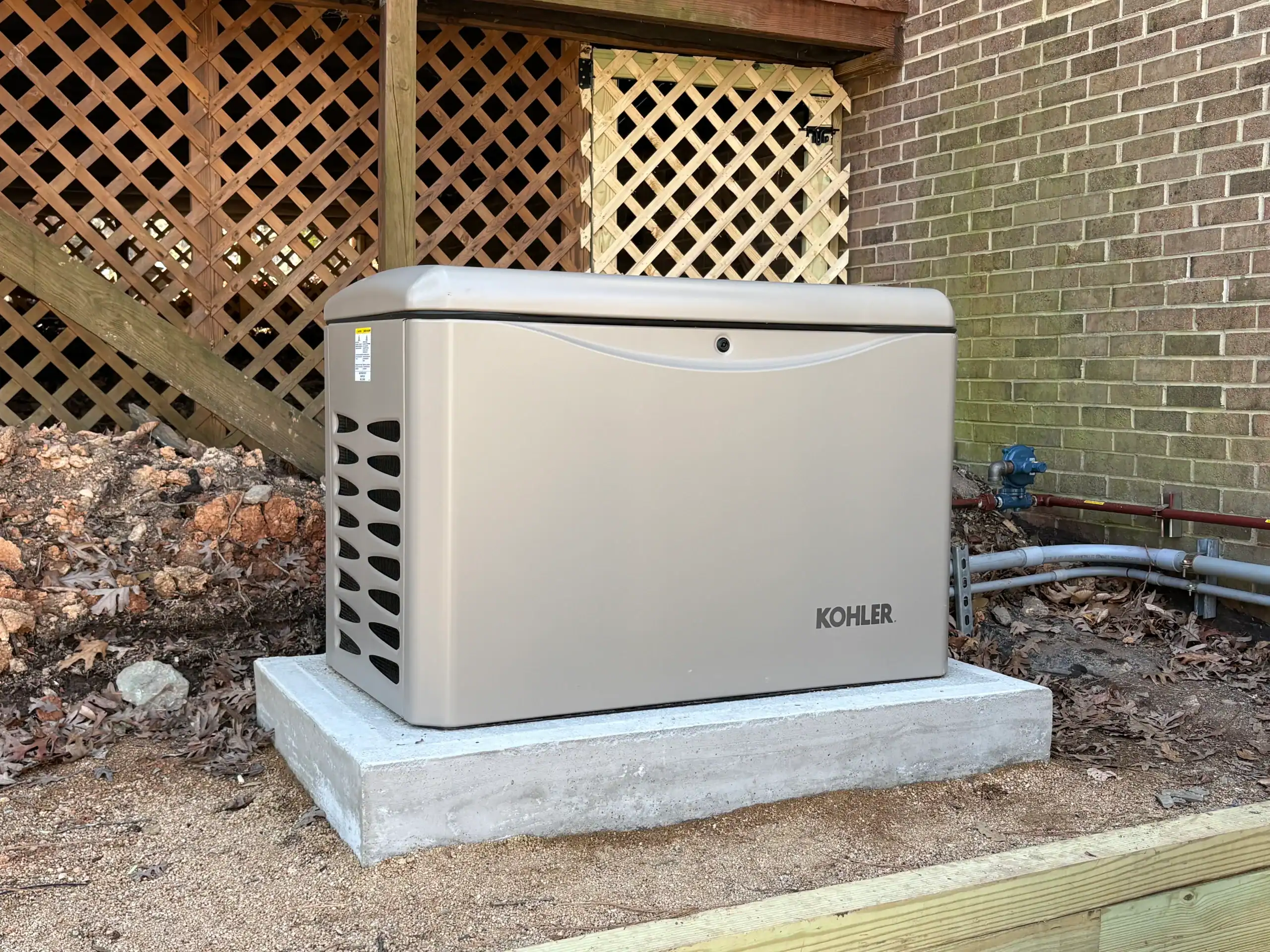
If a standby generator is part of your thinking, that’s worth discussing upfront. Generator installations require a dedicated transfer switch or interlock kit to prevent backfeed onto the utility lines, and the panel upgrade is the right time to plan for that connection. We’re one of the first Level III Eaton/Cutler Hammer generator service providers in North Carolina, which means generator work isn’t a side service for us — it’s something we do at a high level, and we can plan both the panel and the generator integration as a single coordinated project.
For homeowners in Mebane, Elon, and the newer-growth areas of Alamance County, panels may be in better shape than those in Burlington’s older neighborhoods — but the capacity question still applies. A home built in 1995 with a 100-amp panel is still undersized for a household that runs central AC, a home office, an EV charger, and a heat pump water heater simultaneously. The age of the panel matters, but so does what you’re asking it to do.
If your home was built before 1990 and the panel has never been upgraded, that’s reason enough to have it looked at. If your breakers are tripping regularly, if you’re planning to add a major appliance or an EV charger, or if a home inspector has flagged the panel, the right time is now — not after the next storm season or the next time something stops working.
The cost of a panel upgrade in Alamance County typically falls between $500 and $4,500 depending on the amperage, the complexity of the job, and whether additional work is needed. That range is wide, which is why an honest assessment matters more than a ballpark number. Flat-rate pricing means you’ll know the exact cost before any work begins, and that number won’t change once the job is underway.
If you’re ready to understand what your home actually needs, we’ve been doing this work in Burlington, Graham, Mebane, Elon, and across Alamance County since 2002. Give us a call at 336-228-3300 and we’ll start with a real conversation — not a sales pitch.
Article details:
Share:
Continue learning: