Most homeowners don't know what to ask for when something goes wrong. This breaks it down clearly — no jargon, no guesswork.
Share:
Summary:
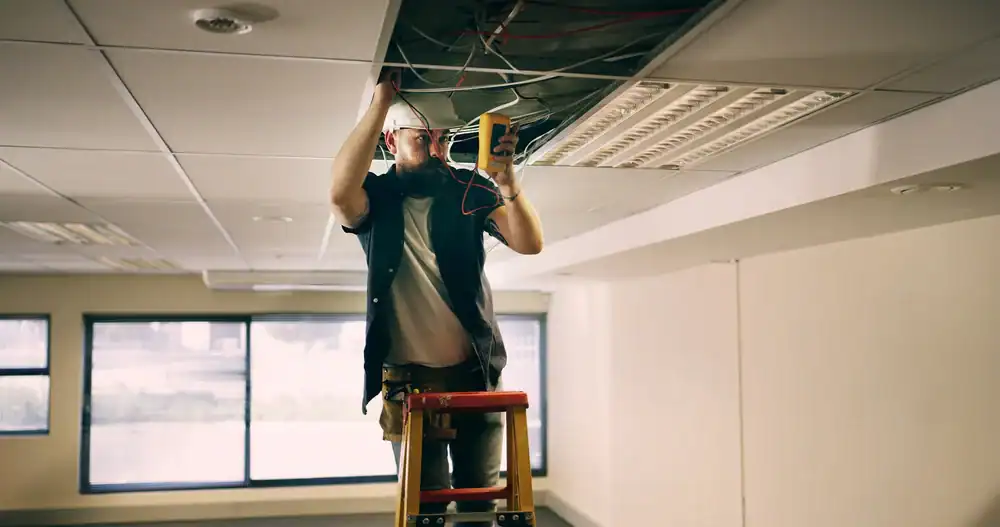
Most people don’t call an electrician until something forces them to. A breaker that won’t reset. An outlet that stopped working. A burning smell you can’t locate. And when they finally do call, they often don’t know what to say — because electrical problems don’t come with obvious labels. That uncertainty is exactly what this page is for. We’re going to walk through what residential electrical service actually covers, what warning signs are worth taking seriously, and what to look for in a contractor if you’re in Burlington, Graham, Mebane, or anywhere else in Alamance County. No sales pitch. Just the information you need to make a confident decision.
The phrase “residential electrical service” gets used broadly, and that’s part of what makes it confusing. It doesn’t just mean repairs. It covers everything from diagnosing a tripped breaker to upgrading an outdated panel to installing a new 240V circuit for an EV charger in your garage. If it involves the wiring, outlets, switches, fixtures, or electrical panel in your home, it falls under this umbrella.
For most homeowners, the work breaks down into three general categories: things that need to be fixed, things that need to be upgraded, and things that need to be installed new. A flickering light is a fix. An overloaded panel in a 1970s home is an upgrade. A dedicated circuit for a home office or a standby generator hookup is a new installation. The same licensed electrician handles all of it — and in most cases, we can tell you which category your situation falls into within the first few minutes on-site.
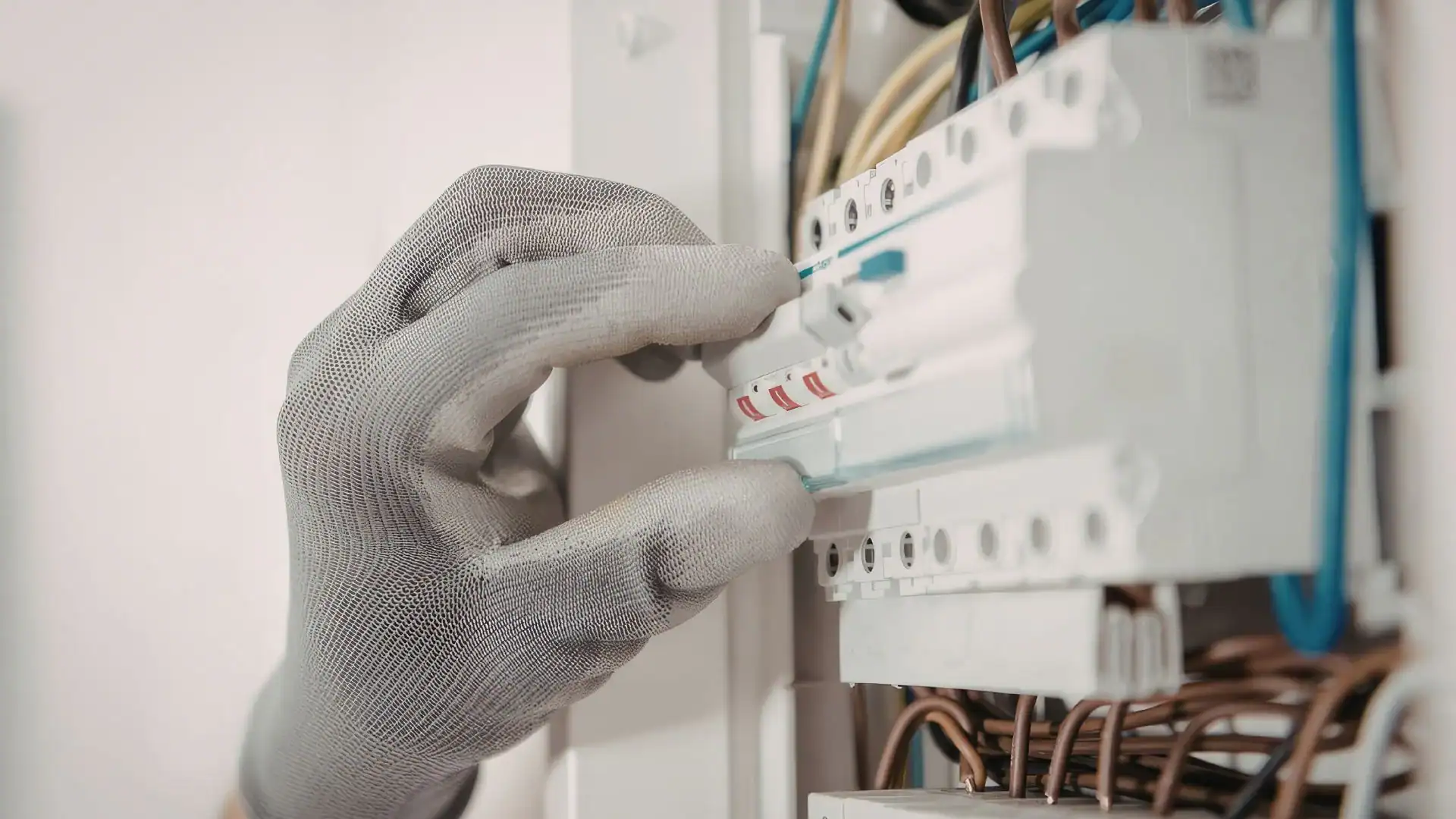
North Carolina requires electrical contractors to be licensed through the NC State Board of Examiners of Electrical Contractors — the NCBEEC — under state law. That’s not a formality. It means the contractor has passed a written state exam, demonstrated knowledge of the National Electrical Code and all North Carolina amendments to it, and carries general liability insurance. The license is issued, tracked, and renewed through the state. If something goes wrong, there’s a governing body with authority to act.
The state issues licenses at three tiers: Limited, Intermediate, and Unlimited. The Unlimited license — the highest level — requires a minimum of seven years of experience, at least five of which must be primary electrical experience. That’s the bar. A contractor working under an Unlimited license has cleared a significantly higher threshold than one operating under a Limited or Intermediate classification.
Why does this matter to you as a homeowner in Alamance County? Because not every person who shows up with a tool bag has the same level of training, accountability, or legal authority to do the work. Unpermitted electrical work — work done without pulling the proper permits and getting it inspected — creates real problems. It can void your homeowner’s insurance coverage, create liability if a fire occurs, and come back as a costly issue when you go to sell your home. A licensed contractor pulls permits, does the work to code, and gets it inspected. That’s the whole point.
The other credential worth understanding is the Master Electrician designation. This is an individual-level license — separate from the contractor license — that represents the highest level of hands-on electrical training and testing an electrician can hold. When a Master Electrician is running or supervising the work on your home, that’s a meaningful distinction. It’s not just a title.
Here’s something most electrical contractor websites won’t tell you: there’s a real difference between wiring a new house and working on one that’s already been lived in for 30 or 40 years. New construction is straightforward — open walls, fresh wire runs, everything installed to current code from the start. Existing homes are a different job entirely.
Alamance County has a lot of housing stock that was built during the mid-twentieth century, when the region’s textile manufacturing industry was at its peak. Those homes were wired for the electrical demands of that era — a few lights, a refrigerator, maybe a window unit. They were not designed for the loads a modern household puts on a system: multiple computers, wide-screen televisions, gaming setups, induction cooktops, EV chargers, and central air conditioning running simultaneously.
If your home is more than 20 years old, there’s a reasonable chance the wiring capacity hasn’t kept pace with what you’re actually plugging into it. Working on these homes requires a different skillset than new construction. Snaking wire through finished walls without tearing them apart, tracing circuits that weren’t labeled or were modified by a previous owner, identifying the actual failure point in aging wiring — these are diagnostic skills that come from years of service work, not new builds. An electrician who primarily works on new construction may be technically licensed but genuinely inexperienced with the kind of problem-solving that existing homes require.
This is especially relevant for homeowners in Alamance County’s older neighborhoods, or for people relocating from the Research Triangle who are buying existing properties and bringing with them higher electrical demands — home offices, EV chargers, smart home systems — that the house simply wasn’t built to support. The gap between what the home has and what the household needs is often wider than it looks.
Want live answers?
Connect with a Electrical Service Providers expert for fast, friendly support.
A lot of homeowners think of calling an electrician only when something breaks. But a significant portion of residential electrical work is proactive — adding capacity, adding circuits, or adding equipment that the home didn’t originally have.
EV charger installation is a good example. A standard 120V outlet will charge most electric vehicles, but slowly. A dedicated 240V circuit — the same type that powers a dryer or range — charges far faster and is the right long-term solution for a home with an EV. That’s a new electrical installation, not a repair.
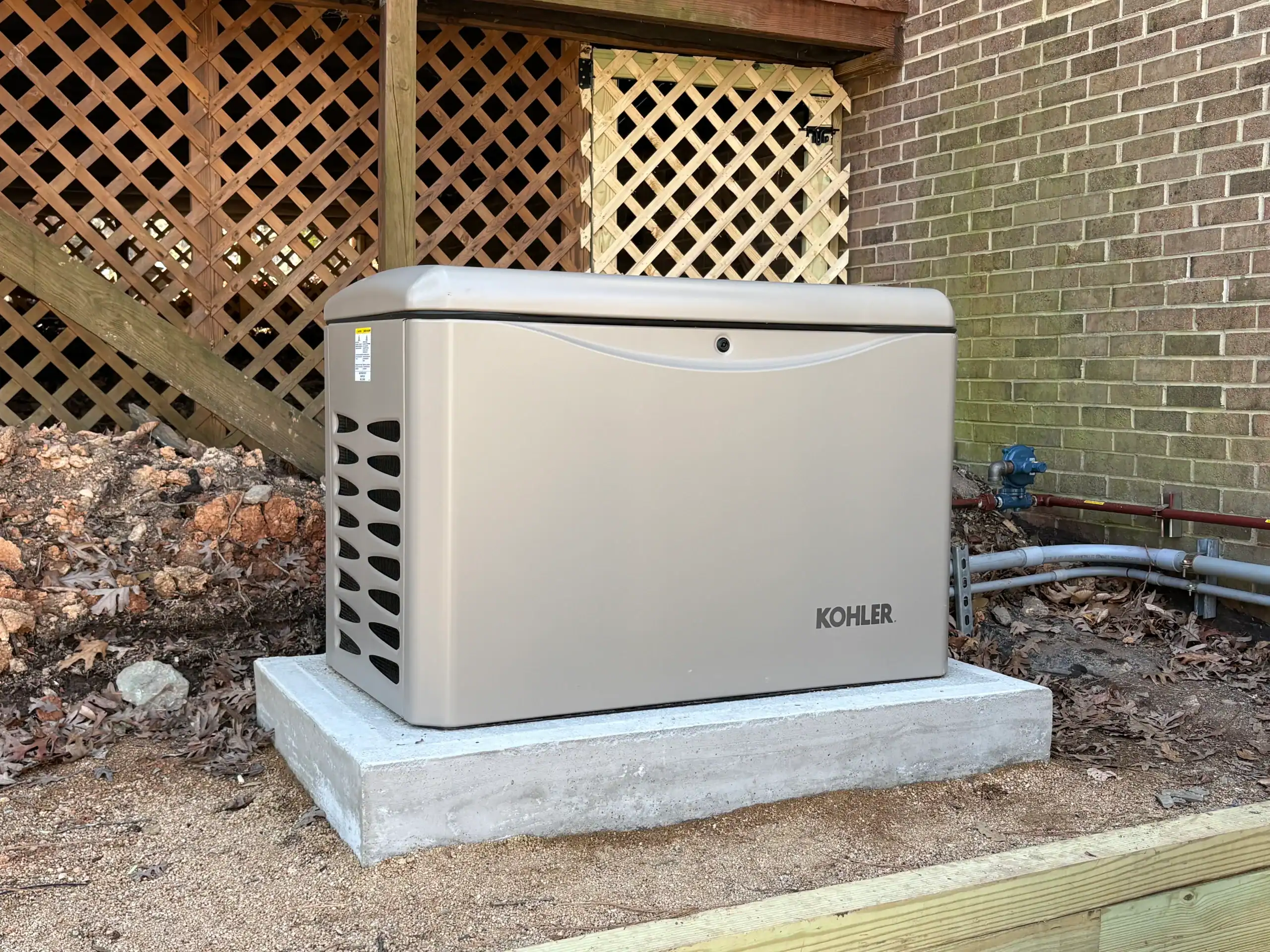
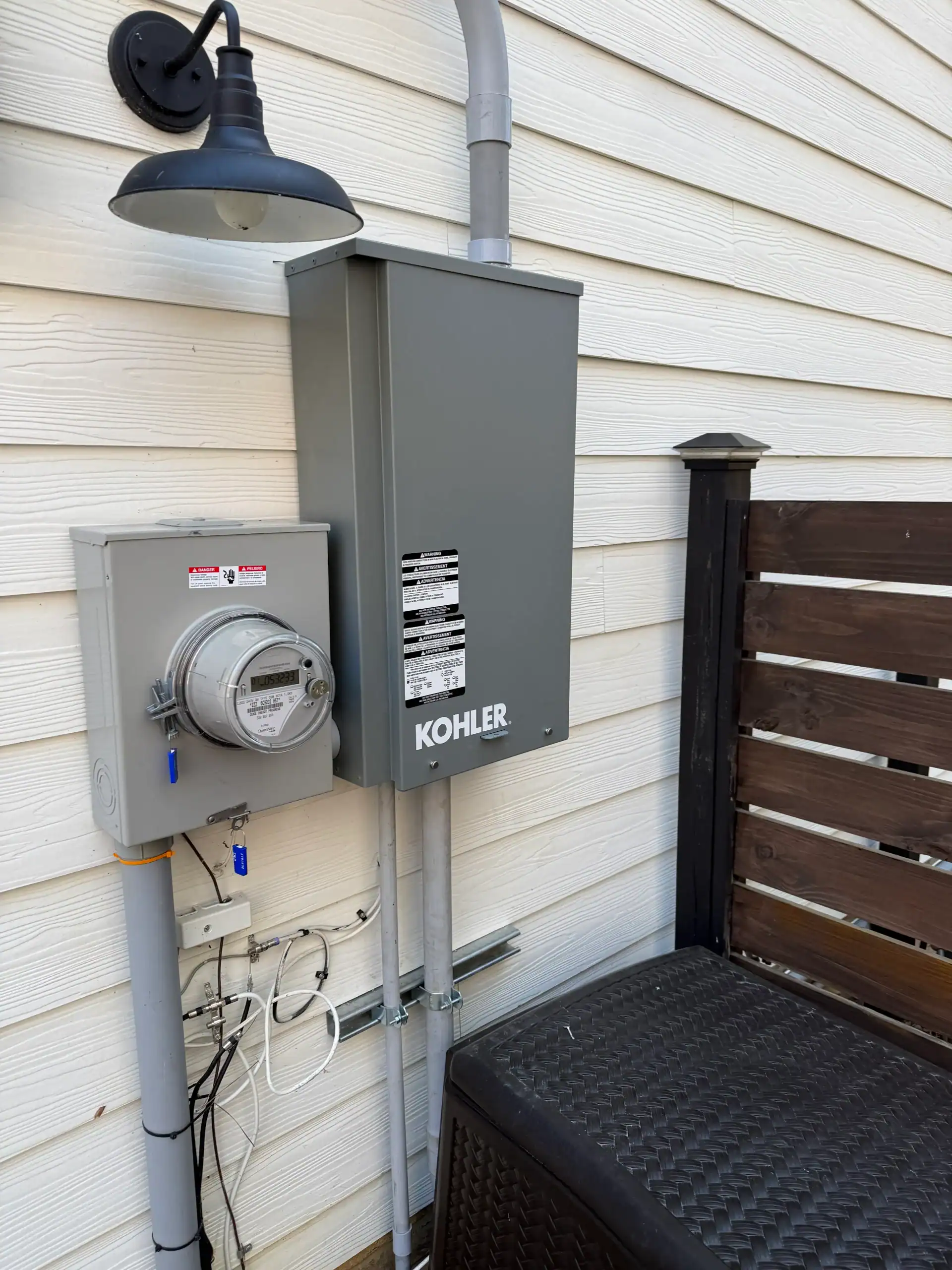
Same goes for a whole-home standby generator, which requires a transfer switch, a dedicated connection to the home’s panel, and in many cases a new circuit run from the panel to the generator location. These aren’t emergency-only decisions. Many homeowners schedule them proactively to add capacity and capability to their homes.
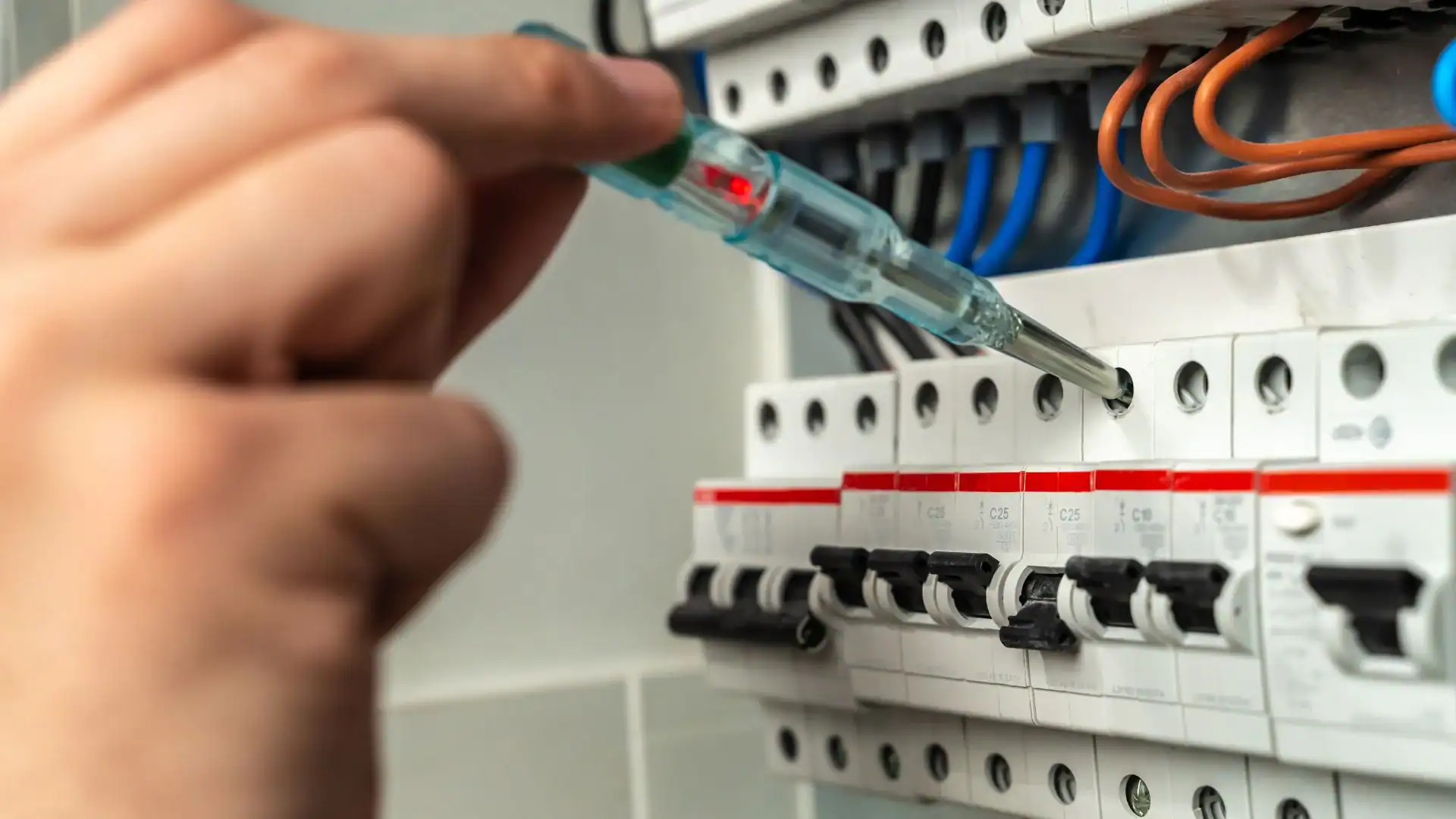
This is one of the most common questions homeowners ask, and it’s a fair one — because panel problems often don’t announce themselves clearly. The signs tend to be subtle at first: breakers that trip more often than they used to, lights that dim when you run the microwave or turn on the air conditioner, outlets that feel warm to the touch, or a panel that buzzes or hums. Any of these together are worth having looked at.
The more direct question is age. If your panel is original to a home built in the 1960s, 1970s, or even the 1980s, it was designed for a fraction of the electrical load a modern household puts on it. The average home today runs significantly more equipment than it did 40 years ago, and panels that were sized appropriately for that era often aren’t adequate now. This is particularly common in Alamance County, where a lot of the existing housing stock dates to that period.
There are also specific panel brands and types that have documented safety issues — panels that were recalled or flagged by the Consumer Product Safety Commission for defects that increase fire risk. We can tell you whether your panel is one of them.
A panel upgrade isn’t a small job, but it’s also not an emergency-only decision. Many homeowners schedule panel upgrades proactively — before adding a major appliance, before finishing a basement or adding a room, or simply because an inspection flagged the existing panel as undersized. Getting an assessment before something fails is almost always less disruptive and less expensive than dealing with the aftermath of a panel that gave out.
If you’ve never hired an electrician before, or if you’ve had a frustrating experience in the past — a contractor who didn’t show up, a quote that ballooned mid-job, work that failed inspection — it’s reasonable to approach the process with some skepticism. Here’s what a straightforward experience should actually look like.
First, a real person should answer when you call. Not a voicemail, not an automated system that routes you through a menu. Someone who can take down the details of what you’re dealing with and give you a realistic sense of what comes next.
Second, before any work starts, you should receive a flat-rate price in writing. Not an estimate that’s subject to change, not an open-ended hourly rate that you can’t predict. A specific number, on paper, before the first wire is touched. That’s the standard you should expect, and it’s the standard that protects you from scope creep and billing surprises.
Third, the work should be permitted and inspected when required. In North Carolina, significant electrical work — new circuits, panel upgrades, rewiring — requires a permit and a passing inspection. A contractor who suggests skipping the permit to save time or money is putting you at risk. Unpermitted work can void insurance coverage, create problems at resale, and leave you personally liable if something goes wrong afterward.
Finally, the job should be done completely. Trucks stocked with common parts mean most residential electrical jobs can be finished in a single visit without scheduling a return trip to pick up materials. When you’re dealing with an electrical issue in your home, having to wait an extra day or two because a part wasn’t on the truck is an avoidable frustration.
For homeowners in Alamance County, these aren’t abstract standards — they’re the baseline for what a professional residential electrical contractor should deliver every time.
Electrical problems rarely give you much warning, and they rarely get better on their own. Whether you’re dealing with something that needs attention now or you’re trying to get ahead of a system that’s showing its age, the right move is the same: get a licensed electrician in to take a look, get a price before anything starts, and make sure the work is done to code.
If you’re in Burlington, Graham, Mebane, Hillsborough, or anywhere else in Alamance County, we’ve been doing exactly this kind of work since 2002 — on existing homes, for real people, with a Master Electrician who’s been licensed since 1989 and knows the difference between a quick fix and a problem worth taking seriously. Give us a call. A real person will pick up.
Article details:
Share:
Continue learning: