Not every electrical problem can wait until Monday. Here's how to know when you have a real emergency — and what happens when you call.
Share:
Summary:
It’s 11 PM on a Saturday. You smell something burning near an outlet. You check the breaker, reset it, and tell yourself it’s probably fine. But it keeps tripping. Or maybe the lights in half your house just went dark and you have no idea why. These are the moments when most people start searching for answers — and most of the time, they hit voicemail after voicemail. If you’re in Alamance County and you’ve been through that experience, you already know how frustrating it is. This guide covers what actually counts as an electrical emergency, what to do while you wait for help, and what a professional service call should look like.
Not every electrical issue needs a midnight call. A single tripped breaker that resets and stays on, a light bulb that burns out, a GFCI outlet that needs to be reset — these are inconveniences, not emergencies. But there’s a category of electrical problems where waiting until morning is genuinely risky, and knowing the difference matters.
If you smell burning or something like melting plastic near an outlet, switch, or your electrical panel, that’s not something to sleep on. Same goes for sparks, outlets or switch plates that feel warm to the touch, buzzing or crackling sounds from your panel, or a breaker that trips over and over no matter how many times you reset it. These are signs that something is wrong at a level you can’t see — and that’s exactly where electrical fires start.
Water is another factor that changes the math quickly. If flooding, a roof leak, or a burst pipe has reached your electrical system, the risk of shock or fire goes up significantly. Don’t assume it’s fine because nothing visible has happened yet.
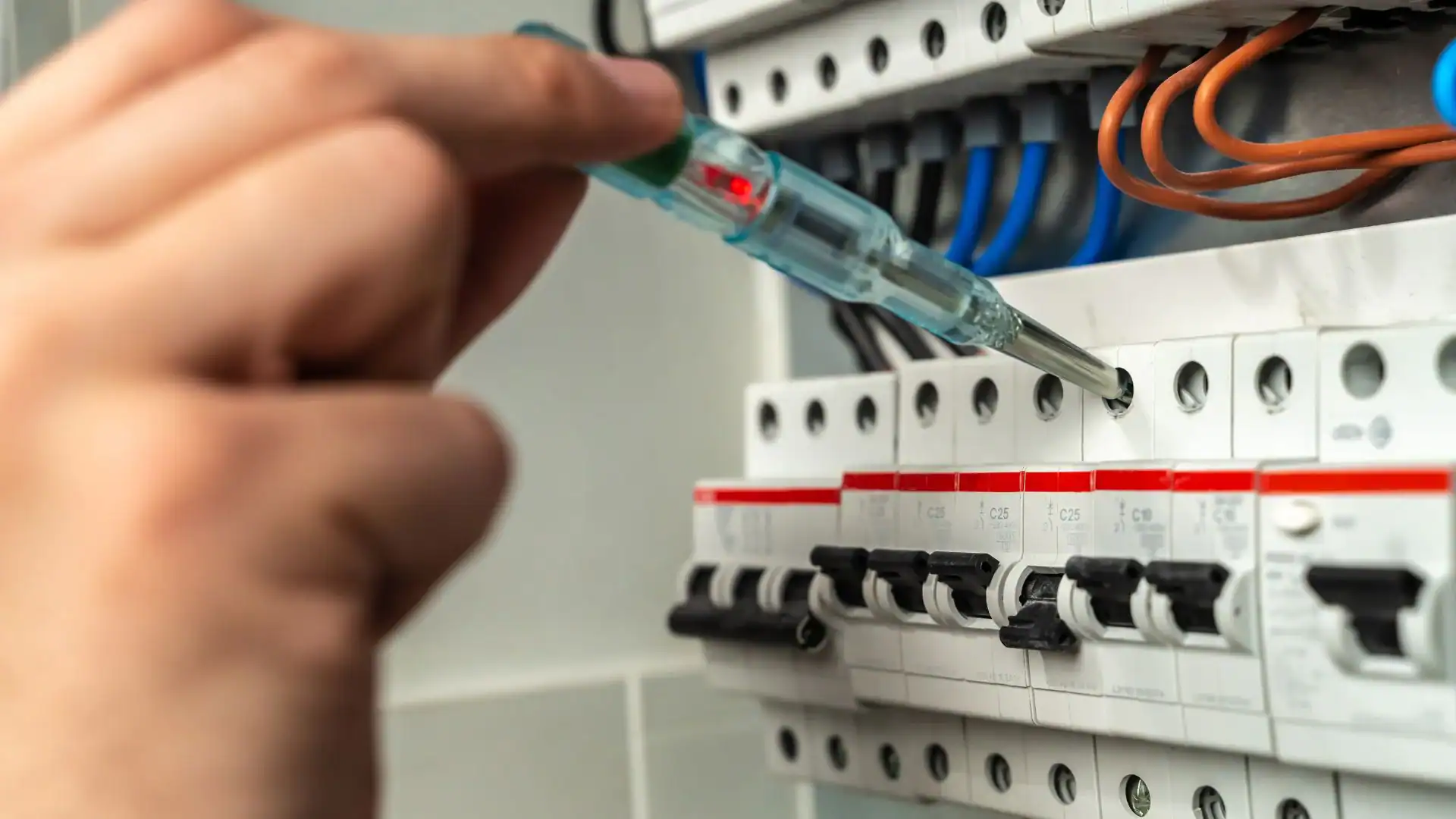
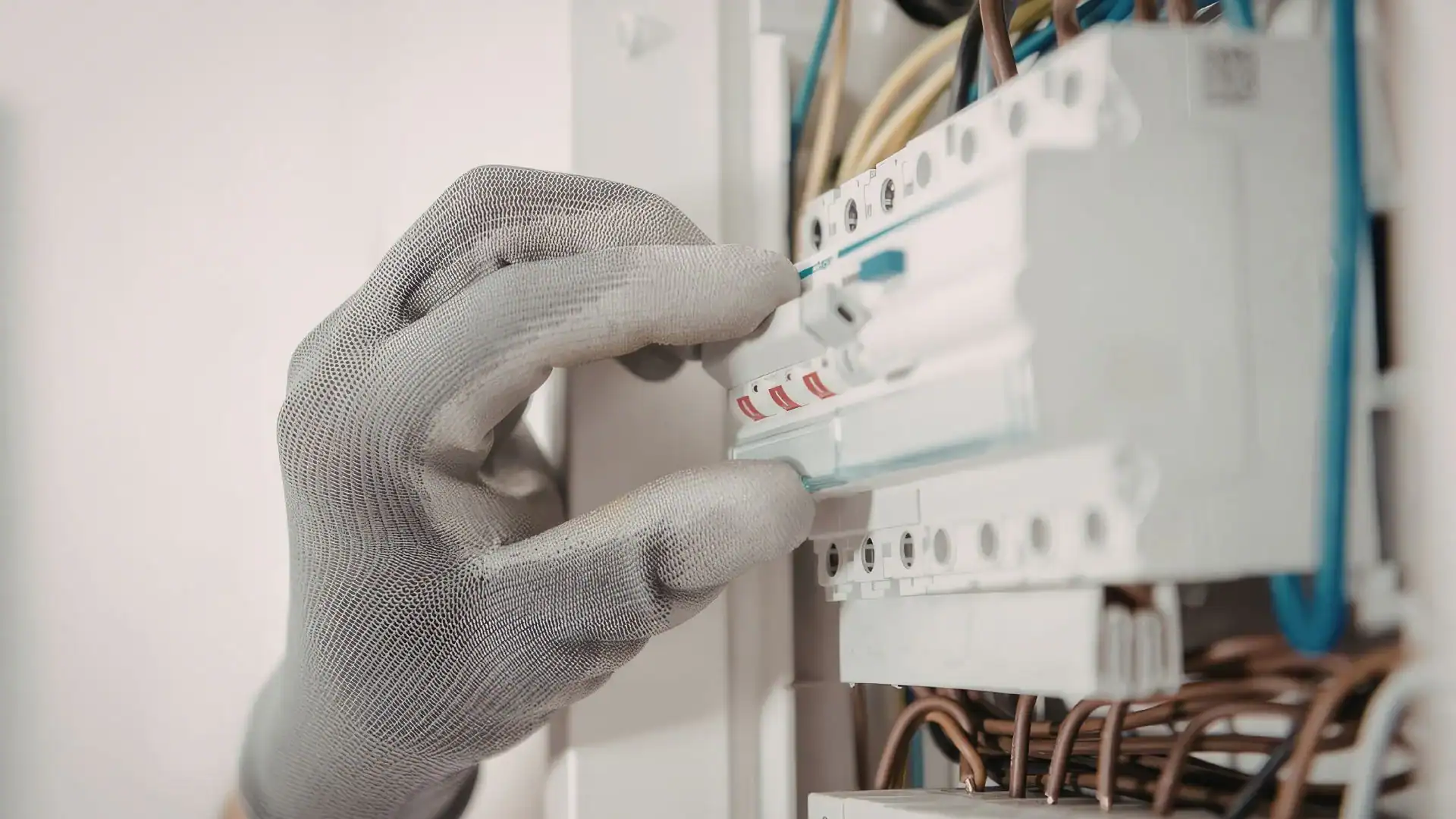
The first thing most people do when something electrical goes wrong is reach for the breaker panel. That’s not always wrong, but it depends on what’s happening. If a breaker has tripped, resetting it once is reasonable. If it trips again immediately, stop. A breaker that won’t stay on is telling you there’s a problem on that circuit — forcing it back on can cause overheating, arc faults, or worse.
If you smell smoke or burning, or if you see sparks, your priority is to turn off the main breaker if you can do so safely and get everyone out of the house. Don’t try to find the source. Don’t assume it’ll resolve on its own. Call 911 if there’s any sign of fire, and call a licensed electrician as soon as the immediate situation is under control.
For a house power outage that affects your whole home — not just a tripped breaker — check with your neighbors first. If the outage is widespread, it’s a utility issue and you’ll need to contact Duke Energy Progress or Piedmont Electric Membership Corporation, depending on which provider serves your area of Alamance County. Rural areas on co-op lines, particularly outside Burlington and Graham, often wait longer for restoration because crews have more ground to cover.
If the outage is isolated to your home while your neighbors have power, that’s an electrical service issue and it does warrant a call to an electrician.
Power outage safety in the meantime is straightforward but worth spelling out. Keep refrigerator and freezer doors closed as much as possible. Use flashlights rather than candles. If you’re running a portable generator, it must be operated outside and away from windows and doors — carbon monoxide from a generator running in a garage or enclosed space is a genuine and fast-moving danger.
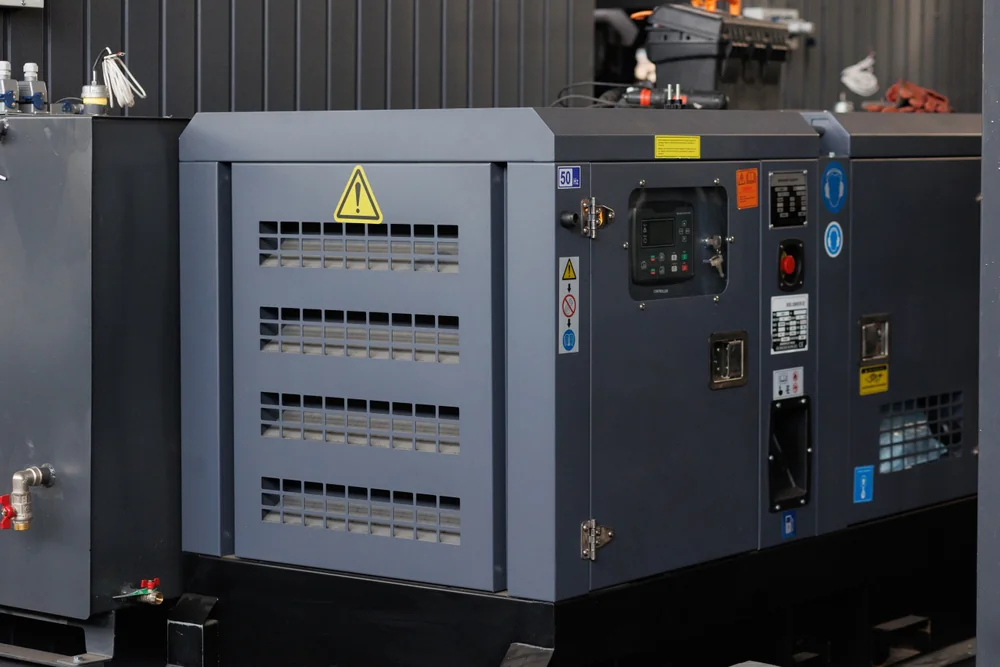
This is one of the reasons so many Alamance County homeowners have made the move to a home standby generator with a proper transfer switch — it eliminates all of that risk entirely. When the power goes out, the generator kicks in automatically. No manual startup. No extension cords. No carbon monoxide worry. Your home stays powered and your family stays safe.
One more thing worth knowing: if your home loses power during a storm and you’re waiting for utility restoration, the clock on food spoilage, sump pump failure, and medical equipment starts immediately. That’s not a comfortable position to be in, especially during one of the ice storms that Alamance County deals with every few winters. Having a plan in place before the outage happens is a much better position than scrambling in the dark.
Here’s where a lot of people have been burned before — not by the electrical problem, but by the experience of trying to get help. You call an electrician at 9 PM, get voicemail, leave a message, and either wait until morning or start calling down a list. By the time someone calls back, you’ve either given up or found someone else. That’s a real and common problem in this industry, and it’s worth knowing what a legitimate 24-hour emergency electrical service actually looks like.
When you call ESP Electrical Service Providers, a real person answers. Not an answering service that promises a callback, not a voicemail box — an actual person who can take your information and get a technician moving. That’s how we’ve operated since 2002, because when something is sparking or smoking at your house, “leave a message and we’ll get back to you” isn’t good enough.
Once you’ve described what’s happening, we’ll give you a flat-rate price before any work begins. You’ll know exactly what the job costs before a single wire is touched. No hourly billing, no after-hours surcharge stacked on top of an unknown base rate, no “we found something else” additions that double the bill. The price we quote is the price you pay.
Our trucks are fully stocked, which means most emergency calls are resolved on the same visit. We’re not going to diagnose your problem, tell you we need to order a part, and schedule a return trip for next week. That might be acceptable for a routine upgrade, but it’s not how emergency service should work.
Andy Helton has held his Master Electrician license since 1989, and the technicians we send out carry that same standard of preparation and competence. When the job is done, it’s done to code — and it passes inspection the first time.
Want live answers?
Connect with a Electrical Service Providers expert for fast, friendly support.
Emergency calls often reveal something bigger. A breaker that keeps tripping might just be an overloaded circuit — or it might be a sign that your panel is undersized for how your home is actually being used. A lot of Alamance County’s housing stock was built in the mid-20th century, when 60-amp or 100-amp service was standard. Today’s homes run air conditioning, electric ranges, EV chargers, and dozens of other loads that those older panels were never designed to handle.
An emergency repair fixes the immediate problem. But if the underlying issue is an aging panel, deteriorating wiring, or a service that’s simply too small for your household, the emergency is likely to repeat itself. Part of what we do after resolving an urgent call is give you an honest assessment of what we found — not a sales pitch, just a straight answer about whether what we fixed is the whole story or just a symptom of something larger.
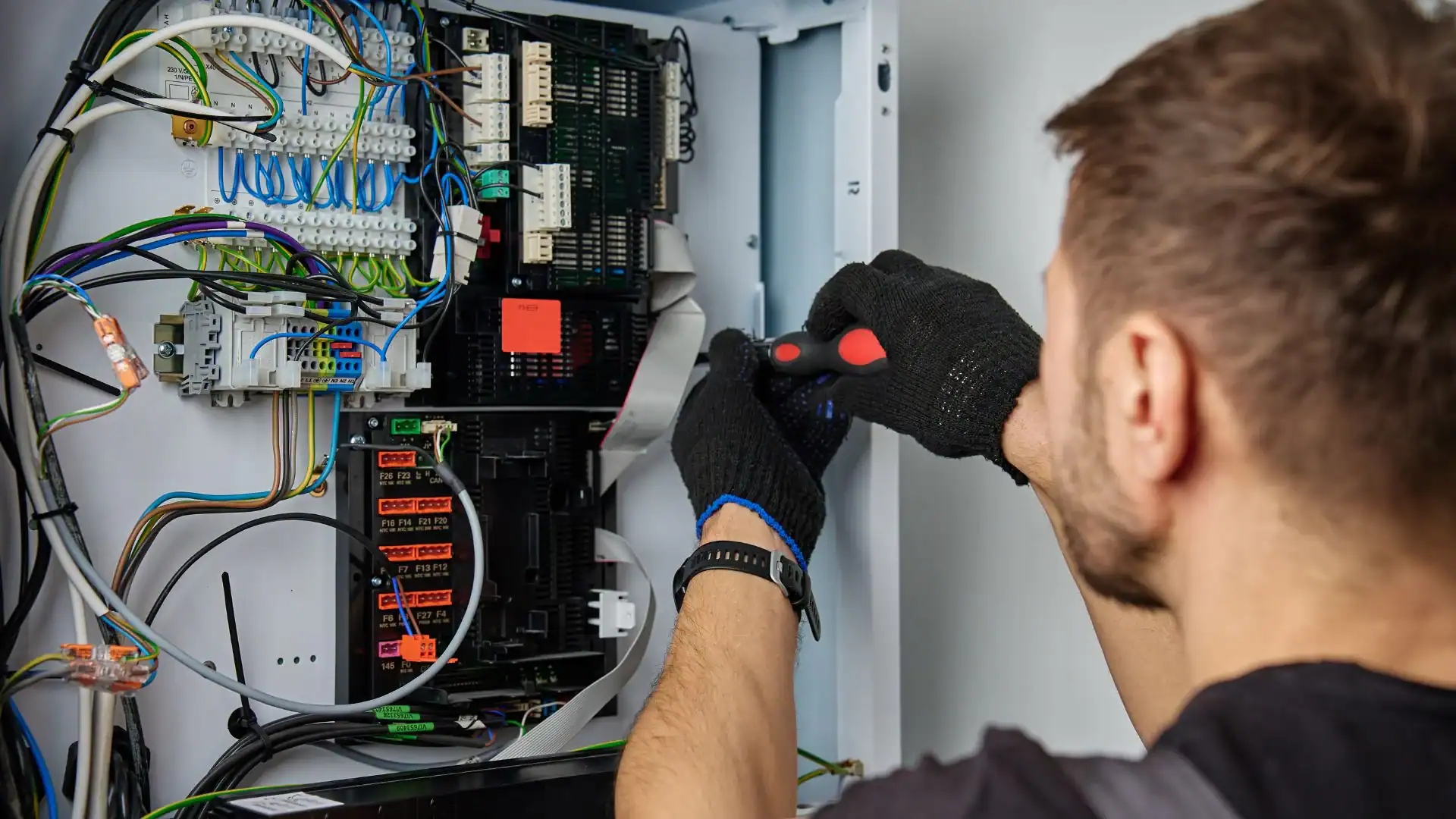
In North Carolina, electrical contractors are required to be licensed by the NC State Board of Examiners of Electrical Contractors. This isn’t optional and it isn’t just paperwork — it’s a mandatory credential that verifies the contractor has met the state’s requirements for training, experience, and examination. The Master Electrician designation is the highest level in that hierarchy. Andy Helton has held his since 1989, which means he’s maintained it through multiple code cycles, continuing education requirements, and decades of hands-on work.
Why does that matter when you’re calling someone at midnight? Because unlicensed electrical work can void your homeowner’s insurance. It can create code violations that cost significantly more to fix when you go to sell the house. And it means the person doing the work may not know what they’re doing at a level that actually protects you.
When you’re evaluating any electrician — emergency or otherwise — ask for their NC license number. Check reviews on Google, Angi, or Yelp, and look for reviews that name the community they’re in. A review from a homeowner in Mebane or Graham carries more weight than an anonymous five-star rating with no context. We’ve been serving Burlington, Graham, Mebane, Gibsonville, Elon, and the surrounding communities in Alamance County since 2002, and the reviews we’ve earned over that time come from real people in those places.
One more thing worth knowing: we carry full liability insurance and workers’ compensation coverage. That protects you if something goes wrong on the job — which is a different standard than a handyman or an unlicensed contractor who has neither.
If you’ve lived in Alamance County long enough, you’ve probably been through at least one multi-day outage. The ice storms that roll through the NC Piedmont are a different kind of problem than a summer thunderstorm — they coat trees and power lines with heavy ice, bring down branches that have been there for decades, and leave entire neighborhoods dark for days at a time. After one of those events, the question isn’t whether a whole home generator is worth it. It’s which one makes sense for your home.
There are two main generator types worth understanding. A portable generator gives you temporary power for a few circuits via extension cords, but it requires manual startup, needs to run outside, and can’t power your whole home safely without a transfer switch. A home standby generator — the kind that’s permanently installed and connected to your home’s electrical panel — turns on automatically within seconds of an outage, runs on natural gas or propane, and powers your entire home without any action on your part. For most Alamance County homeowners who’ve experienced a serious outage, the standby option is the one that actually solves the problem.
Whole home generator sizing depends on what you want to power. A smaller unit might cover your essentials — refrigerator, lights, a few outlets, and your HVAC system. A larger unit can run your home at full capacity. The right size depends on a load calculation specific to your home, which is something we do as part of the installation process.
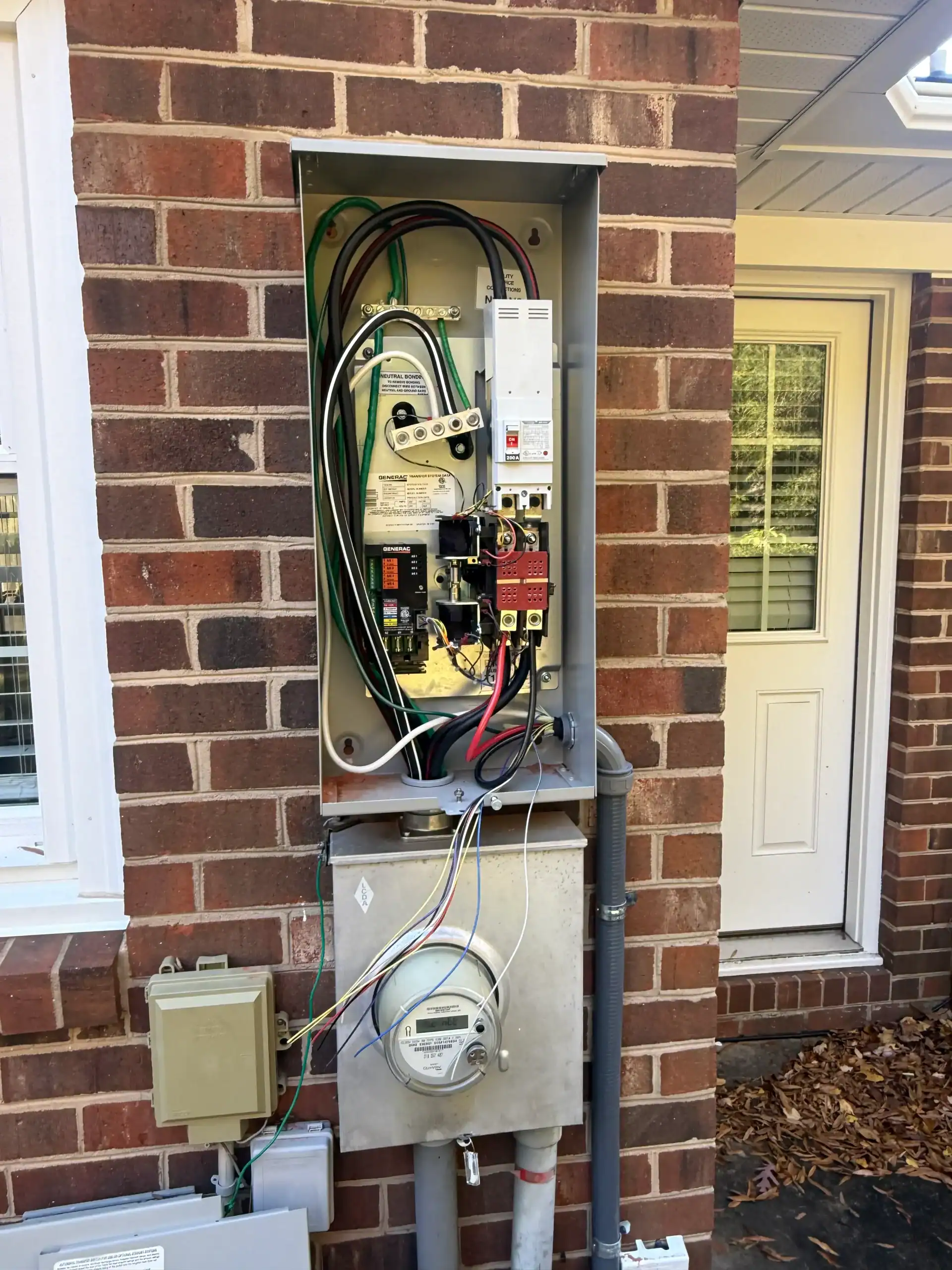
Generac whole home generator systems are what we install most often — they’re reliable, well-supported, and available in a range of sizes that work for both smaller homes and larger properties. We also work with natural gas whole house generator setups, which are popular in areas of Burlington and Graham where natural gas service is available, as well as propane-fed systems for homes in more rural parts of Alamance County.
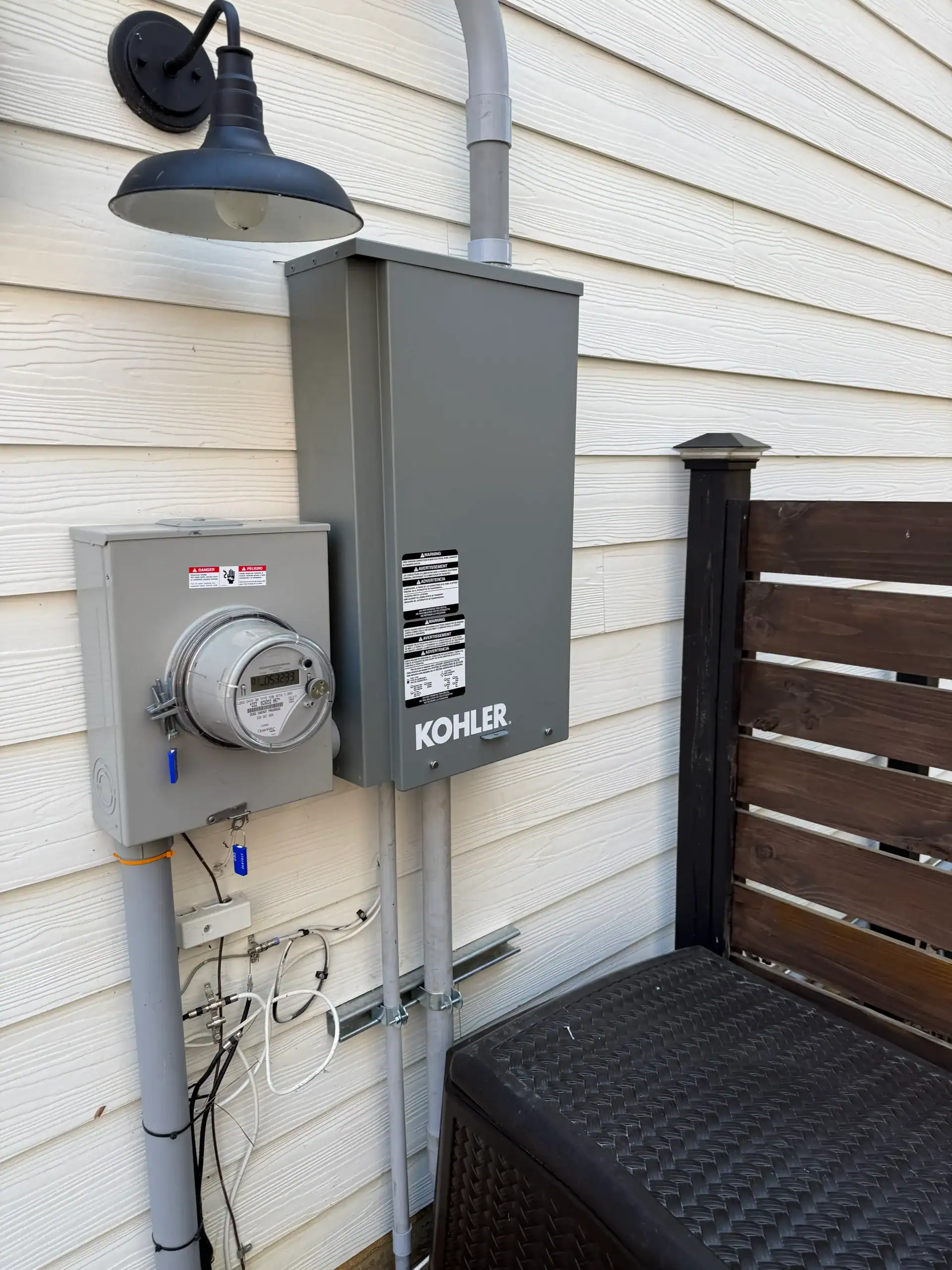
A critical part of any whole house generator installation is the transfer switch. This is the component that disconnects your home from the utility grid before the generator comes on — without it, your generator can backfeed electricity onto the utility lines, which is genuinely dangerous for the linemen working to restore power. Every installation we do includes a proper automatic transfer switch, permitted and inspected to code.
The worst time to figure out who to call is when something is already going wrong. Knowing what counts as a real electrical emergency, what to do in the immediate moment, and what a professional service call should actually look like puts you in a much better position — whether you’re dealing with something tonight or trying to get ahead of the next ice storm season.
For Alamance County homeowners and businesses, the combination of aging housing stock, weather patterns that produce multi-day outages, and a market full of contractors who don’t answer their phones after hours makes choosing the right electrician more important than it might seem. Flat-rate pricing, a fully stocked truck, a licensed Master Electrician, and a real person who answers when you call — those aren’t extras. They’re the baseline for what emergency electrical service should be.
If you have a situation that can’t wait, or if you want to talk through a generator installation before the next outage catches you off guard, ESP Electrical Service Providers is ready to help. Give us a call at 336-228-3300 or 866-470-4377 — and someone will actually pick up.
—
**Frequently Asked Questions**
**What should I do during a power outage while waiting for help?** Keep your refrigerator and freezer closed, use flashlights instead of candles, and if you’re running a portable generator, keep it outside and away from any windows or doors — carbon monoxide buildup from a generator running indoors is a serious and fast-moving danger. In Alamance County, if your neighbors have power and you don’t, that points to an issue with your home’s electrical service rather than a utility outage, and it’s worth calling an electrician right away.
**What counts as whole house generator sizing?** Sizing a whole house generator comes down to a load calculation — an assessment of the circuits and appliances you want the generator to power. For most Alamance County homes, this means factoring in your HVAC system, refrigerator, lights, and any medical or specialty equipment. We do this calculation as part of every generator installation, so the unit we install is matched to what your home actually needs.
**What are the best whole house generators consumer reports recommend?** Generac consistently ranks at or near the top of standby generator comparisons, including independent consumer evaluations, and it’s the brand we install most often in Alamance County. Kohler is another well-regarded option. The honest answer is that brand matters less than proper sizing, correct installation, and a licensed electrician doing the work — a well-installed mid-tier generator outperforms a poorly installed premium one every time.
Article details:
Share:
Continue learning: