Confused about EV charger installation costs and timelines? Here's a straightforward breakdown of what to expect — and what actually drives the price in Alamance County.
Share:
Summary:
You bought the car. Now you’re staring at the trickle-charge cord that came in the box and realizing it’s going to take two days to get a full charge. That’s not a setup that works for anyone with a real commute.
Home car charger installation — specifically a Level 2 charger running on a dedicated 240-volt circuit — is the practical fix. But before you start calling electricians, you probably want to know what you’re actually getting into: what it costs, how long it takes, and whether your house is ready for it. That’s exactly what this covers.
The national average for home car charger installation sits around $965, with most projects landing somewhere between $551 and $1,384. That range exists because no two homes are identical — the distance from your electrical panel to your garage, the age of your electrical system, and whether your panel has room to spare all factor into the final number.
If your panel needs an upgrade before the charger can be safely installed, you’re looking at an additional $1,500 to $3,500 depending on the scope of that work. On the other end, a newer home with a modern 200-amp panel and a garage right next to the electrical room could come in at the lower end of that range without any surprises.
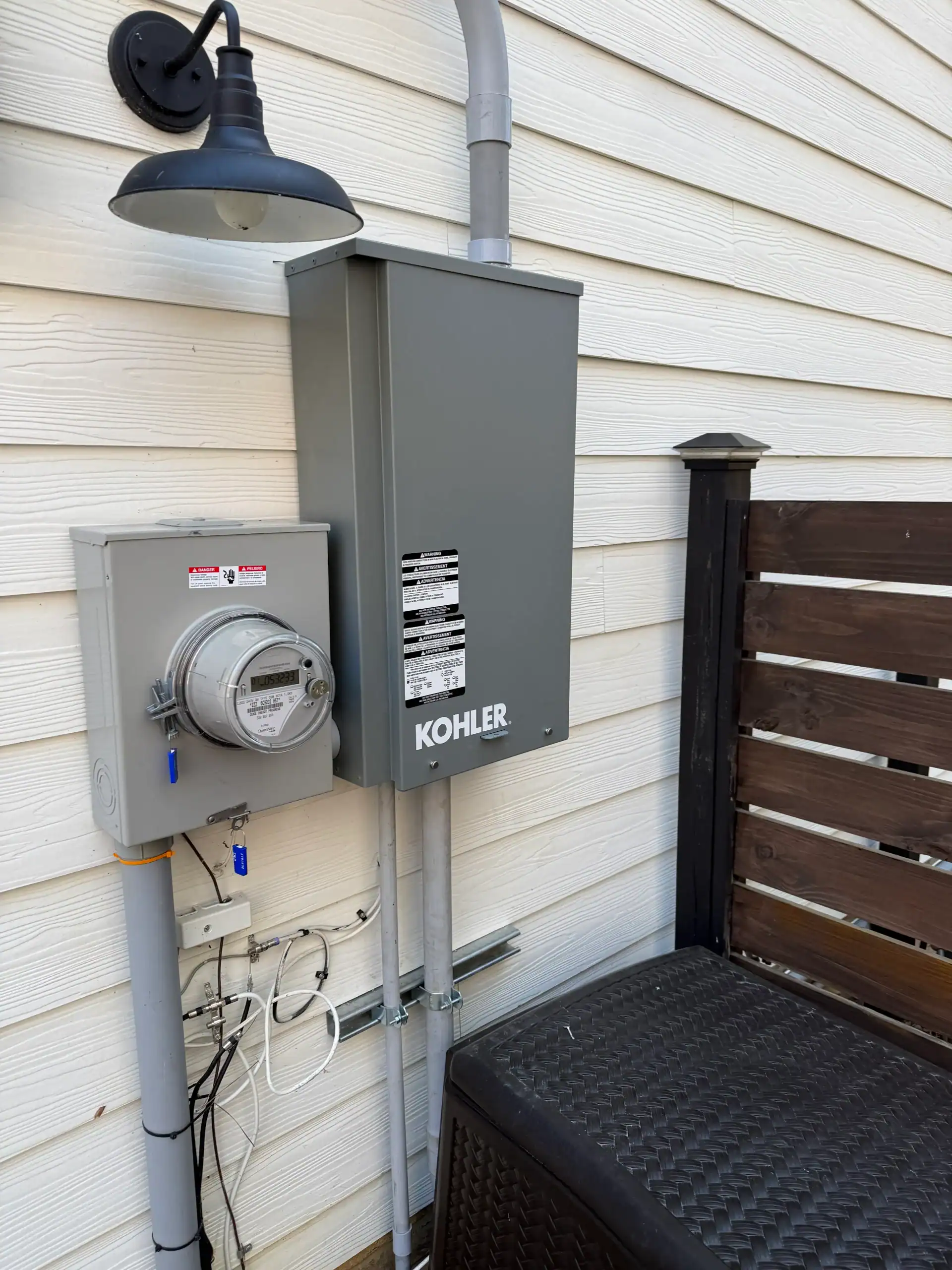
The biggest variable most people don’t account for is their electrical panel. A Level 2 charger runs on a dedicated 240-volt circuit — similar to what a dryer or electric range uses — and it needs its own breaker, typically in the 40 to 50-amp range. If your panel is already at capacity, or if it’s an older 100-amp panel that’s simply too small for the added load, that has to be addressed before any charger goes in. Skipping that step isn’t just a code violation — it’s a fire hazard.
The second big variable is distance. Running wire from your panel to a detached garage on the far side of the house costs more than dropping a circuit in a garage that shares a wall with your electrical room. Labor accounts for a significant portion of every installation, and longer runs mean more time, more conduit, and more material.
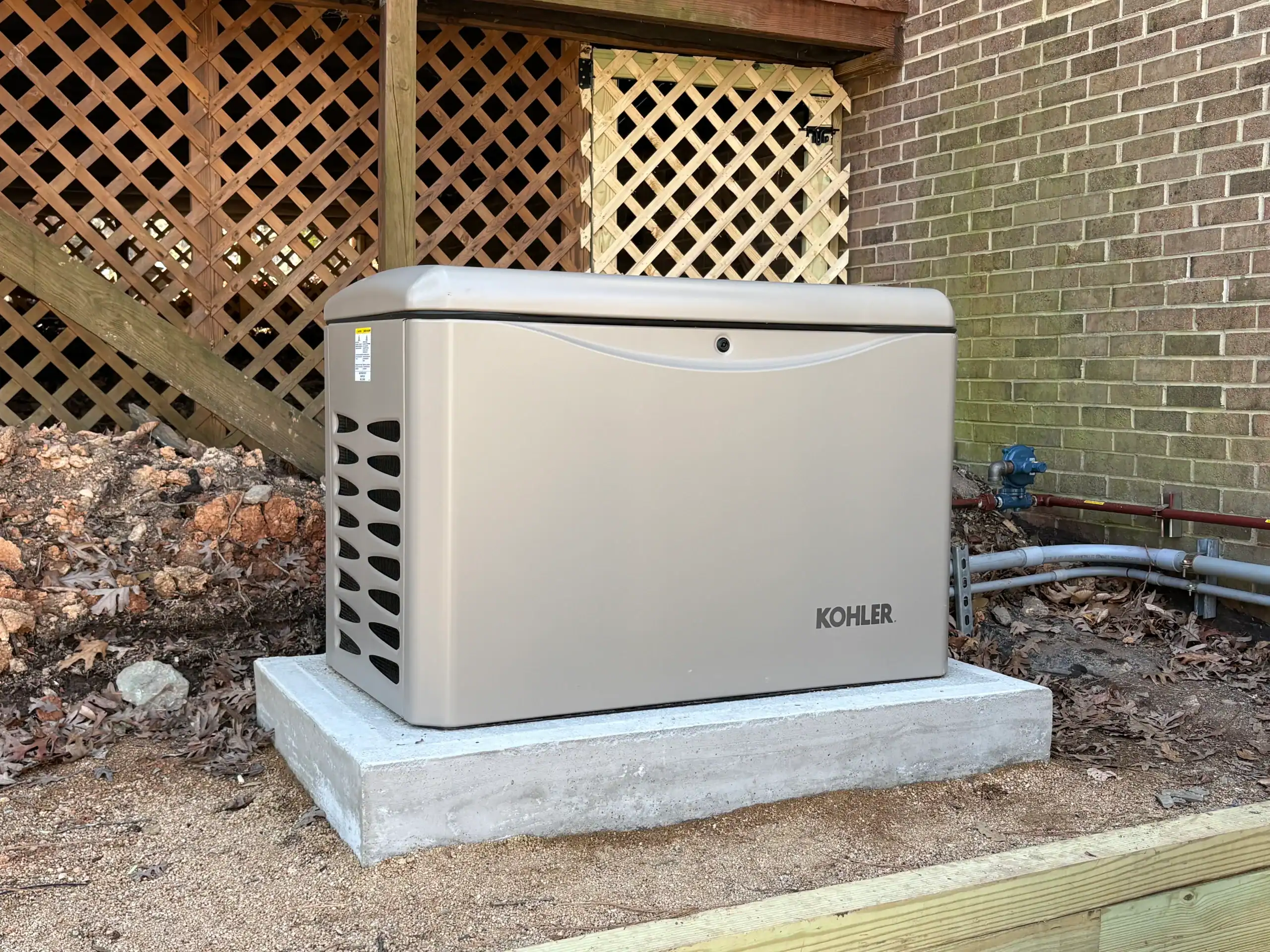
The charger itself — the hardware — typically costs between $400 and $800, depending on the brand and features. Some homeowners buy the charger separately and hire an electrician to install it. Others let the electrician supply and install everything as a single job. Either approach can work, but if you buy the unit yourself, make sure it’s compatible with your car and that the warranty won’t be voided by a third-party installation.
One thing worth knowing: Duke Energy Progress serves Alamance County, and they offer rebates of up to $1,133 per household on EV charger installation costs. If you’re on a new dedicated circuit, that rebate can put a meaningful dent in your total. Most homeowners in Alamance County don’t know this program exists — which means they’re leaving real money on the table. Ask your electrician whether they’re familiar with the Duke Energy rebate process before you commit.
There are also federal incentives worth understanding before you finalize your budget. The Federal Energy Efficient Home Improvement Tax Credit covers up to 30% of panel upgrade costs, capped at $600, for qualifying work completed through December 31, 2025. If your installation requires a panel upgrade — which is common in older Alamance County homes — that credit can offset a portion of that additional cost.
The Federal Alternative Fuel Vehicle Refueling Property Credit, which previously covered a portion of home charger installation costs, expired June 30, 2026 under legislation signed in 2025. If you were counting on that credit, it’s no longer available. The panel upgrade credit, however, is still in play through the end of 2025, so timing matters if your project involves panel work.
The practical takeaway: the sticker price on an EV charger installation isn’t always the number you end up paying. Between the Duke Energy rebate and applicable federal credits, the net cost for many Alamance County homeowners can be meaningfully lower than the initial quote. Getting a clear, upfront number from your electrician — before any work starts — is the only way to understand what you’re actually committing to.
That’s why flat-rate pricing matters in this context. When we give you a price before work begins, you can factor in the rebates and credits and know your real out-of-pocket cost. No revisions mid-job, no surprises on the invoice.
Want live answers?
Connect with a Electrical Service Providers expert for fast, friendly support.
The physical installation of a Level 2 charger typically takes two to four hours once the electrician is on-site. But the full process — from your first call to the moment you plug in for the first time — usually spans one to three weeks, and most of that time is permitting.
In North Carolina, a permit is required before any new 240-volt circuit is installed. That’s not optional, and it’s not bureaucratic red tape — it’s what ensures the work is inspected and documented correctly. Both a rough-in inspection and a final inspection are required. A licensed electrician handles all of that for you.
The process starts before a single wire is run. A proper electric charging point installation begins with a panel assessment — someone looking at your actual electrical panel, calculating the available load, and confirming that a dedicated 240-volt circuit can be added safely. This step is non-negotiable, and any electrician who skips it and goes straight to running wire is cutting corners that could cost you later.
Once the panel assessment is done and the load calculation confirms you have the capacity, the permit application goes in to the local authority — in Alamance County, that’s the county building department. After the permit is issued, the physical work happens: the dedicated circuit is run, the breaker is installed, the charger is mounted and wired, and everything is tested.
Then comes the inspection. North Carolina requires both a rough-in inspection (before the walls are closed, if applicable) and a final inspection once the work is complete. An electrician who knows what inspectors look for — and who pulls permits routinely — doesn’t have to guess at code compliance. The work either passes or it doesn’t, and it should pass the first time.
After the final inspection is signed off, the charger is commissioned and you’re done. For a home with a capable panel and a straightforward garage setup, the entire process from first call to final inspection typically runs one to two weeks. If a panel upgrade is needed, add time for that scope of work.
We handle the permit application and coordinate the required inspections with Alamance County authorities. You don’t need to call the building department or figure out what to schedule — that’s part of the job.
The cord that comes with most EVs plugs into a standard 120-volt outlet. That’s a Level 1 charger, and it adds roughly four to five miles of range per hour. If you’re driving 60 to 80 miles a day commuting from Alamance County to Durham or Chapel Hill along I-40, you’d need to plug in for 12 to 16 hours just to recover what you used. A full charge from empty can take 40 hours or more on Level 1.
A Level 2 charger on a dedicated 240-volt circuit changes that completely. You’re looking at 25 to 40 miles of range per hour — roughly five to seven times faster than a standard outlet. Most EVs fully charge in four to ten hours on Level 2, which means you plug in when you get home, and you wake up to a full battery. That’s the setup that actually works with a real daily schedule.
For homeowners in Alamance County who are commuting west toward Greensboro or east toward the Research Triangle, this isn’t a minor convenience upgrade. Public Level 3 fast-charging options in and around the county are limited compared to what you’d find in downtown Durham or Raleigh. Home charging isn’t a backup plan here — for most local EV owners, it’s the primary plan. A Level 2 installation is what makes that practical.
Many homes in Alamance County were built before 1990, when 100-amp panels were standard. Those panels weren’t designed with an EV charger in mind. That doesn’t mean you can’t install a Level 2 charger — it means you need an honest assessment of your panel first, not an electrician who assumes everything will be fine and figures it out on the day of install. We specialize in existing homes and existing electrical systems, which means we’ve seen this situation many times and know how to handle it correctly.
The right installer knows the code, pulls the permit, handles the inspection, and gives you a real number before touching anything. That’s not a high bar — but it’s one that not every electrician clears.
We’ve been doing electrical work in Alamance County since 2002, and EV charger installation is something we do routinely — not something we’re figuring out as we go. Our owner, Andy Helton, has held a Master Electrician license since 1989. Our trucks are stocked to complete most installations in a single visit. And when you call us, a real person picks up.
If you’re ready to stop guessing and get a clear answer on what home car charger installation will cost for your specific home, reach out to ESP Electrical Service Providers. We’ll assess your panel, walk you through the process, and give you an exact price before any work begins.
Article details:
Share:
Continue learning: