If you drive an EV and live in Alamance County, home charging isn't a luxury — it's a necessity. Here's what the installation process actually looks like.
Share:
Summary:
If you commute from Alamance County to Chapel Hill, Durham, or anywhere along the I-40 or I-85 corridor, you already know how much that drive adds up. An EV solves a lot of that — but only if you can reliably charge it at home. The Level 1 cord that came in the box delivers about 3 to 4 miles of range per hour. For a 50-mile round-trip commute, that math doesn’t work. A properly installed Level 2 home charging station changes the equation entirely. Here’s what the process actually looks like, what it costs, and how to make sure it’s done right the first time.
A Level 2 EV charger runs on a 240-volt dedicated circuit — the same type of circuit that powers a dryer or an electric range. Where a standard 120-volt outlet adds roughly 4 to 5 miles of range per hour, a Level 2 charger delivers 25 to 35 miles per hour. For most EV owners, that means a full charge overnight, every night, without thinking about it.
The practical difference is significant. A 60 kWh battery that’s down to 20 percent takes most of the day to recover on a Level 1 cord. On a Level 2 charger, you plug in after dinner and wake up to a full battery. At North Carolina electricity rates of around 11 to 12 cents per kilowatt-hour, charging that same 60 kWh battery from empty costs about $7. Compare that to $0.25 to $0.50 per kWh at most public fast chargers, and home charging starts looking like an obvious financial decision.
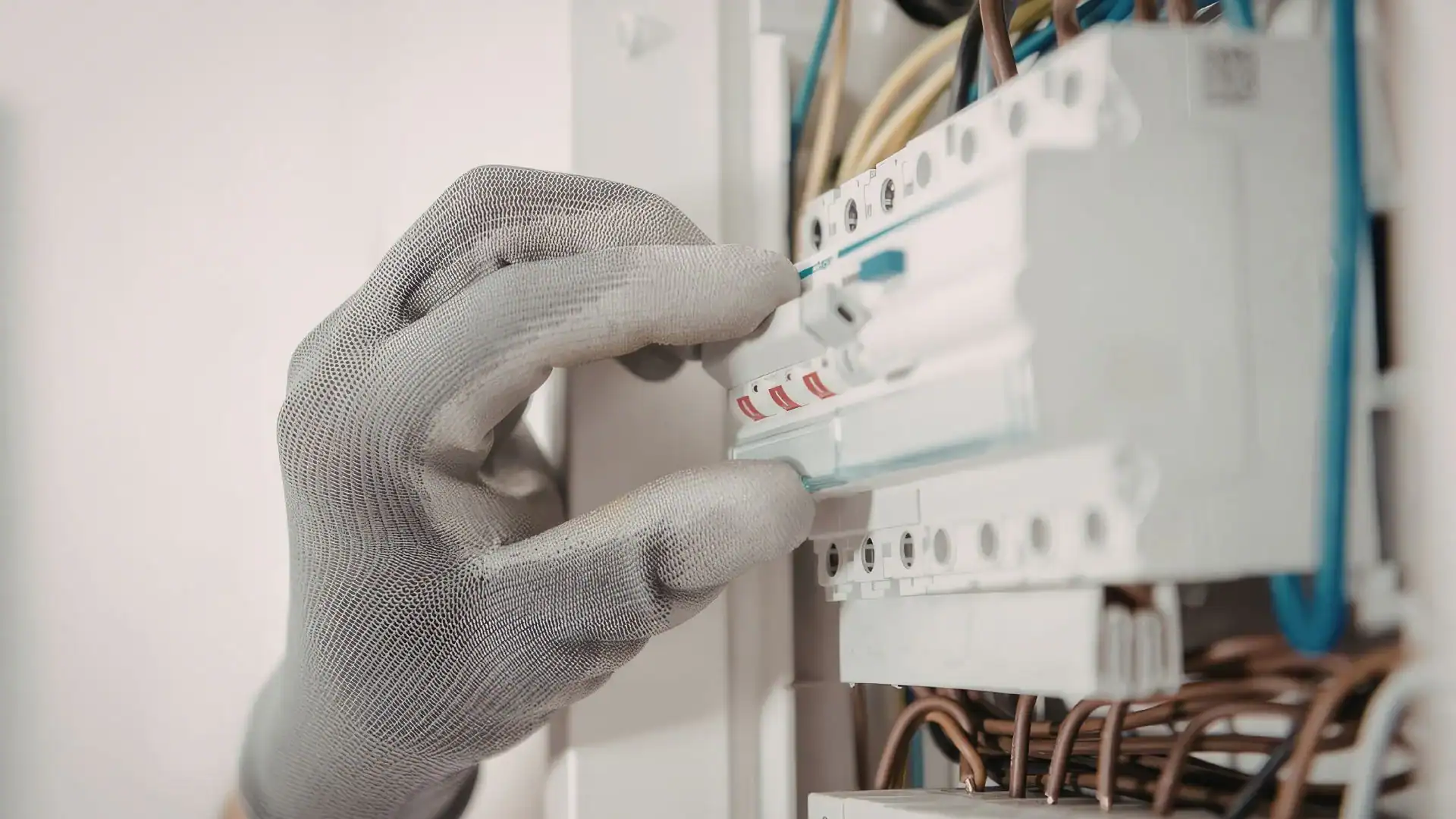
This is the question most EV buyers don’t think to ask until an electrician is standing in their garage. In Alamance County, it comes up often.
A significant portion of the housing stock in Burlington, Graham, and Mebane was built in the 1970s, 1980s, and 1990s — a period when 100-amp electrical panels were standard. Those panels made sense at the time. They didn’t account for modern HVAC systems, electric appliances, home offices, and now EV chargers all running simultaneously. A 100-amp panel that’s already carrying a full load doesn’t have room to safely add a 40-amp dedicated circuit for a charger.
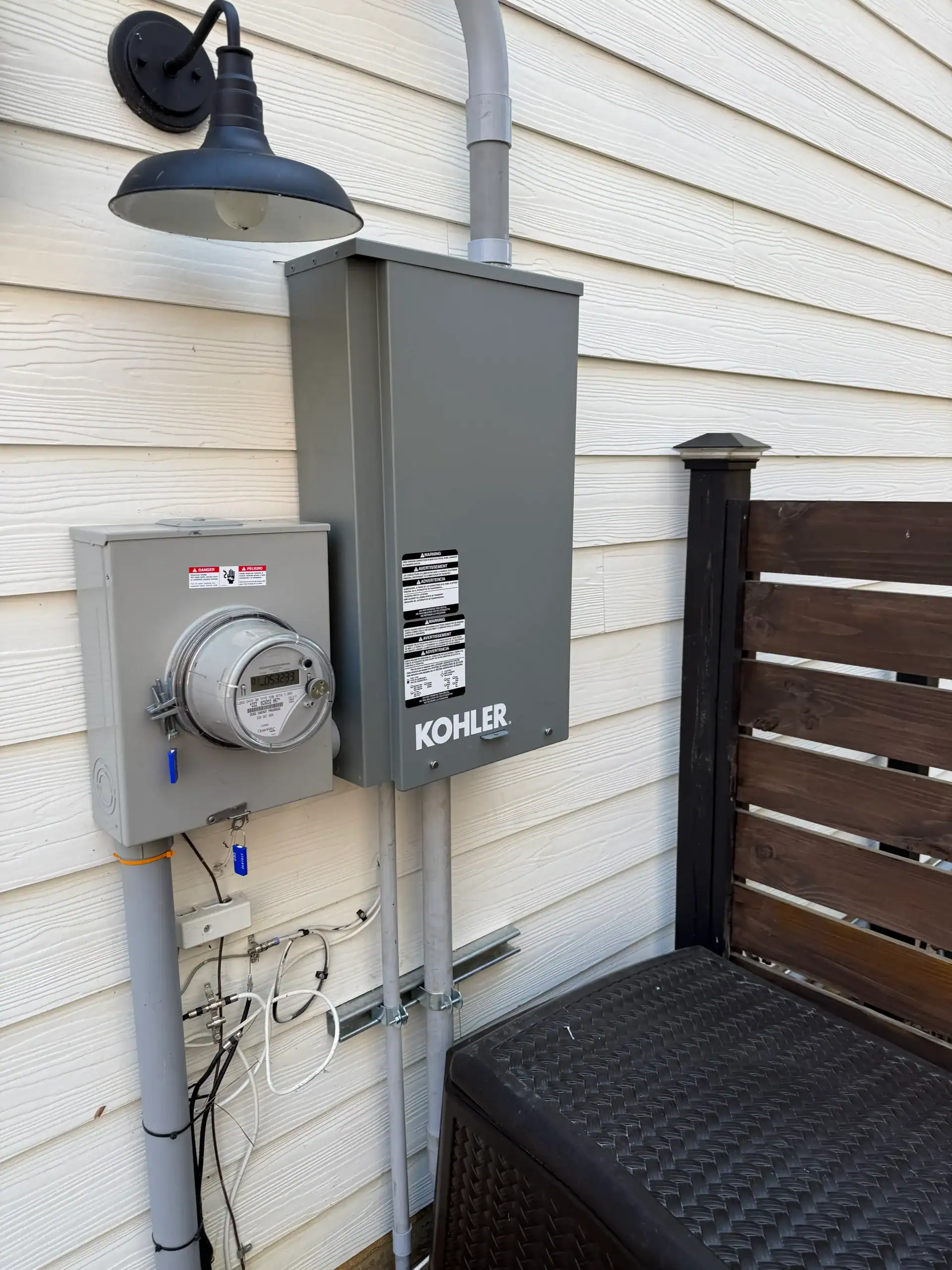
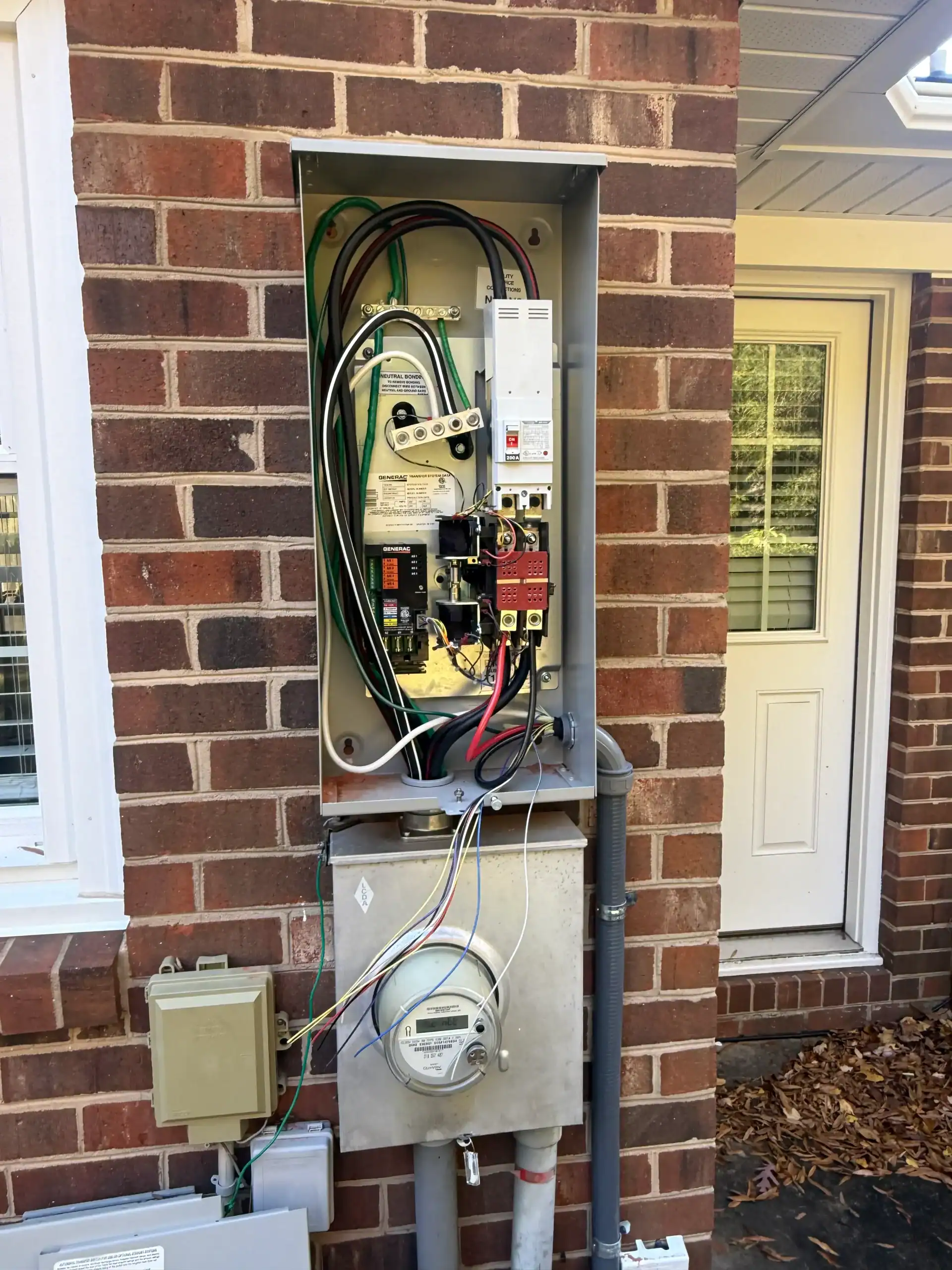
Before any installation begins, we assess your panel’s actual capacity. That means running a load calculation — not a quick glance at the breaker box, but a real accounting of what your home draws and what headroom remains. If the panel can support the new circuit, we move forward with the installation. If it can’t, we’ll tell you that upfront, explain what an upgrade involves, and give you a flat-rate price before any work starts.
Panel upgrades — typically going from 100 amps to 200 amps — generally run between $1,500 and $3,000 for straightforward jobs. More complex situations can reach $2,000 to $4,000. That’s not a small number, but it’s also not wasted money. A 200-amp panel increases your home’s overall electrical capacity, which matters if you ever add a second EV, a heat pump, or other high-draw equipment down the road.
An honest assessment at the start of the project is worth more than a low quote that balloons once someone gets into the work.
Yes — and this isn’t a technicality worth skipping.
In North Carolina, any new 240-volt circuit requires a permit and a passed inspection. That’s not just a local rule — it’s rooted in the National Electrical Code, specifically NEC 625.40, which requires a dedicated branch circuit for each EV charging station, and NEC 625.54, which mandates GFCI protection for all EV charger outlets regardless of whether the installation is indoors or outdoors. North Carolina enforces these requirements through the Department of Insurance’s Engineering Division, and local county inspectors sign off on the finished work.
Why does this matter to you? First, unpermitted electrical work can void your homeowner’s insurance policy. If something goes wrong — a fire, a short, any kind of incident — an insurer that discovers unpermitted wiring has grounds to deny the claim. Second, when you sell your home, buyers and home inspectors look for permitted electrical work. An EV charger is visible, it’s obviously a dedicated circuit, and an inspector will flag it. Unpermitted work can delay closings or kill deals entirely.
We handle the entire permit process — application, scheduling, and inspection. You don’t manage any of it. The job isn’t done until it passes, and our installations are built to pass the first time. For Alamance County homeowners, that means working with the county inspections office and, when the job involves upgrading the service entrance, coordinating with Duke Energy for the disconnect and reconnect of the service drop. That utility coordination can add a few weeks to the timeline depending on Duke Energy’s queue, which is worth knowing upfront when you’re planning around a vehicle delivery date.
Want live answers?
Connect with a Electrical Service Providers expert for fast, friendly support.
Duke Energy offers a Charger Prep Credit that covers up to $1,133 toward the cost of preparing your home for a Level 2 EV charger. That credit applies to electrical upgrades — wiring, outlets, panel work — not the charger hardware itself or permit fees, but it covers exactly the kind of labor-intensive electrical work that makes up most of the installation cost.
Most homeowners either don’t know the rebate exists or assume the application process is more complicated than it’s worth. Neither assumption holds up. The credit is real, the amount is meaningful, and we help you submit the documentation so you’re not navigating Duke Energy’s paperwork on your own.
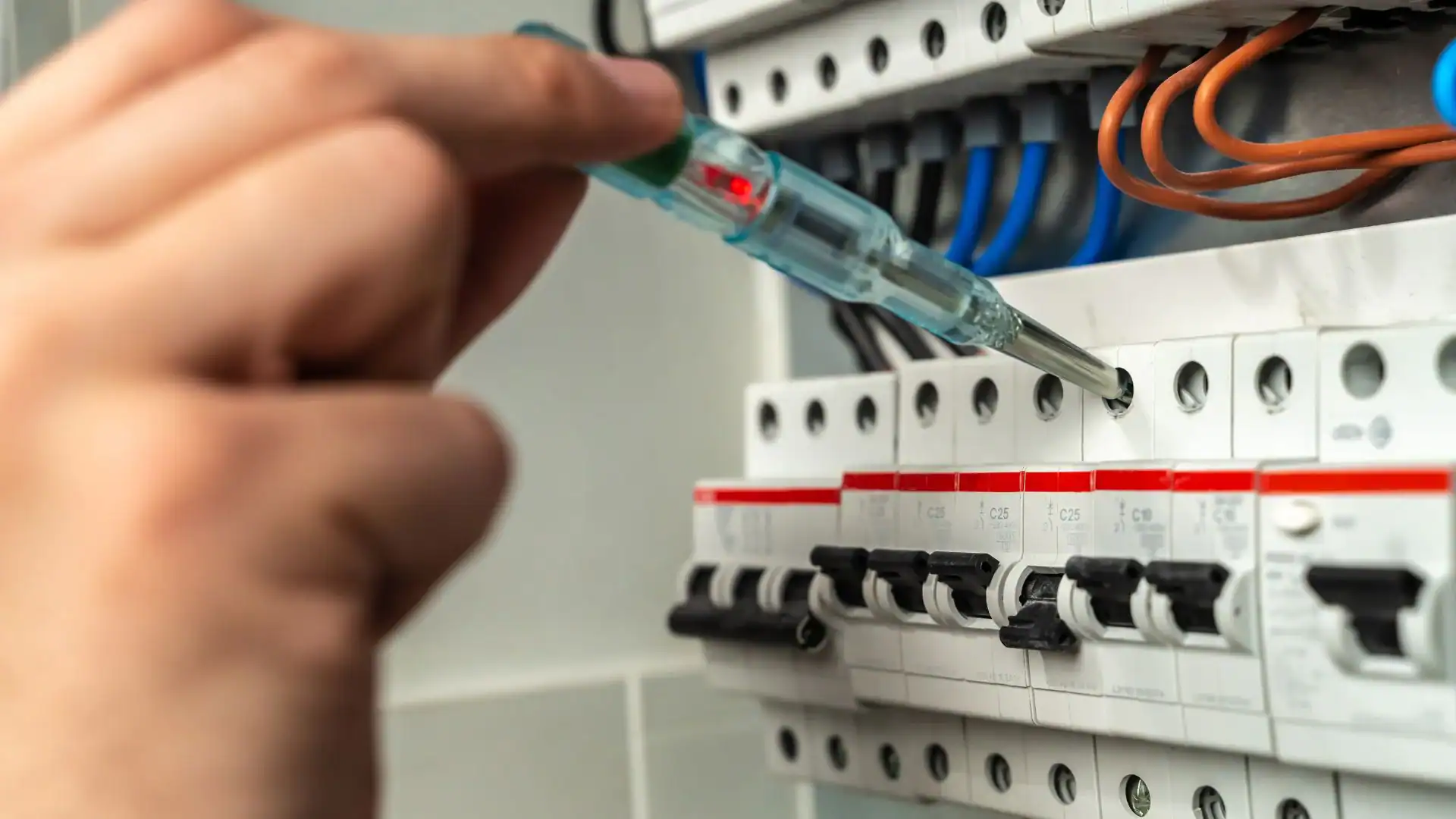
The Duke Energy Charger Prep Credit is a one-time credit available to residential customers in North Carolina. For customers in the Duke Energy Carolinas service territory — which covers much of Alamance County — the credit is up to $1,133. The credit is designed to offset the cost of electrical infrastructure work: new wiring, panel upgrades, dedicated outlets, and other improvements that support Level 2 or higher EV charging equipment.
What the credit does not cover: the charger hardware itself, mounting and commissioning costs, or permit fees. So if you’re budgeting for a full installation — circuit, hardware, and permit — the credit applies to the electrical labor and materials portion, which is typically the largest part of the bill.
Beyond the one-time credit, Duke Energy also offers a $7.50 monthly bill credit for customers who charge their EV during off-peak hours, typically between 11 PM and 7 AM. If you’re setting a charging schedule through a smart charger’s app anyway, this is essentially free money for a habit most EV owners already have.
We provide all the documentation needed to submit the rebate application. You fill out the online form through Duke Energy’s portal; we make sure everything supporting that application is accurate and complete. It’s one less thing to figure out when you’re already managing a new vehicle, a new charging routine, and a home electrical project at the same time.
From the first call to a fully operational charger, here’s what to expect when you work with us.
It starts with a panel assessment. We look at your current electrical service, run a load calculation, and determine whether your panel can support the new dedicated circuit. If an upgrade is needed, we explain what that involves and give you a flat-rate price before any work begins. No hourly billing, no estimates that shift once the job is underway. The price we quote is the price you pay.
Once the panel situation is confirmed, we install a dedicated 240-volt circuit with the correct wire gauge for the run length — longer runs between the panel and the charger location require larger gauge wire to prevent voltage drop, and we size it correctly the first time. We mount the charger, make the connections, and test the system for both performance and safety before we leave.
We work with all the major charger brands — Tesla Wall Connector, ChargePoint, JuiceBox, Grizzl-E, and others. Most Level 2 chargers use the J1772 connector standard, which is compatible with every non-Tesla EV on the market. Tesla vehicles come with a J1772 adapter, so compatibility is rarely an issue regardless of what you’re driving.
For a straightforward installation in a garage where the panel has capacity, most jobs are completed the same day. Our trucks are fully stocked, which means we’re not ordering parts or scheduling a return visit for materials. If a panel upgrade is part of the scope, the timeline extends — and if the service entrance is involved, Duke Energy’s coordination adds time on top of that. We’ll walk you through the realistic schedule at the assessment stage so you’re not caught off guard.
After installation, we walk you through how the system works, how to set a charging schedule if your charger has that feature, and what to do if you ever have a question. The job isn’t finished until you understand what you have.
Home charging station installation isn’t complicated when it’s handled by someone who’s done it before and knows your local utility, your county’s permit process, and the electrical realities of the housing stock in Alamance County. For residents commuting toward Chapel Hill, Durham, or staying local, a reliable home charger isn’t optional — it’s what makes EV ownership actually work day to day.
The key things to know going in: your panel may need an assessment before installation can begin, a permit is required and non-negotiable, and Duke Energy’s Charger Prep Credit can cover up to $1,133 of the electrical work if you’re in their service territory. Those aren’t obstacles — they’re just the process, and it goes smoothly when you have the right electrician handling it.
We’ve been doing this work in Alamance County since 2002. We give you a flat-rate quote, handle the permits, coordinate with Duke Energy if needed, and don’t leave until the system is tested and you know how to use it. Give us a call and talk to a real person — no voicemail, no callback queue.
Article details:
Share:
Continue learning: