Finding a reliable home improvement contractor in Burlington or Alamance County isn't as simple as a Google search. Here's what actually separates the good ones from the rest.
Share:
Summary:
Most people don’t start looking for a home improvement contractor until something breaks, stops working, or becomes impossible to ignore. By then, you’re already behind — and the pressure to just find someone, anyone, fast, makes it easy to hire the wrong person. Alamance County has no shortage of contractors, but finding one who shows up on time, charges what they quoted, and does work that actually passes inspection? That’s a shorter list.
This guide is meant to help you build that list — and understand what separates a contractor worth hiring from one you’ll regret calling.
The term “home improvement contractor” covers a lot of ground. Roofers, plumbers, general contractors, painters, and electricians all fall under that umbrella — but their licensing requirements, liability exposure, and the consequences of bad work are completely different.
Electrical work, in particular, carries real risk when it’s done wrong. Work that isn’t permitted, isn’t inspected, or wasn’t done by a licensed contractor can fail a home sale, void your homeowner’s insurance, or worse.
In North Carolina, electrical contractors are licensed and regulated by the NC State Board of Examiners of Electrical Contractors. The board’s stated purpose is to protect the life, health, and property of the public — which tells you something about why this licensing exists in the first place. It’s not red tape. It’s a safety standard.
Before you hire anyone for electrical work in Burlington or anywhere else in Alamance County, the first question is simple: are they licensed?

In North Carolina, journeyman electricians — the people who do the hands-on work on job sites — are not required to hold a state contractor license. That means someone can legally work on your home’s wiring without being a licensed contractor, as long as they’re working under one. The distinction matters because the licensed contractor is the one who is legally accountable for the work, pulls the permits, and stands behind the outcome if something goes wrong.
To earn an Unlimited Electrical Contractor license in NC — the highest classification — a person needs seven years of electrical experience, at least five of which must be primary experience, plus a passing score on a rigorous state examination based on the current National Electrical Code. That’s a meaningful bar. Once licensed, contractors are required to complete eight hours of continuing education per renewal cycle to stay current with code changes. A Master Electrician designation goes even further, representing the top tier of licensed expertise in the state.
When you’re hiring for electrical work in an existing home — especially an older one — you want to know who is actually licensed, not just who is on the crew. Ask for the license number and verify it at ncbeec.org. It takes about two minutes and tells you a lot. A contractor who won’t provide that information, or who gets evasive when you ask, is telling you something important.
In NC, pulling permits for electrical work is the contractor’s responsibility, not yours. If someone asks you to pull your own permits, that’s a red flag. It typically means they either aren’t licensed to do so themselves or are trying to distance themselves from accountability for the work.
Burlington and the surrounding communities in Alamance County have a lot of older housing stock. The county’s textile and manufacturing history — Burlington Industries was once one of the largest employers in the region — shaped the residential neighborhoods that still define much of the area today. Many of those homes were built in the mid-twentieth century, and their electrical systems were designed for a fraction of the load that modern households put on them.
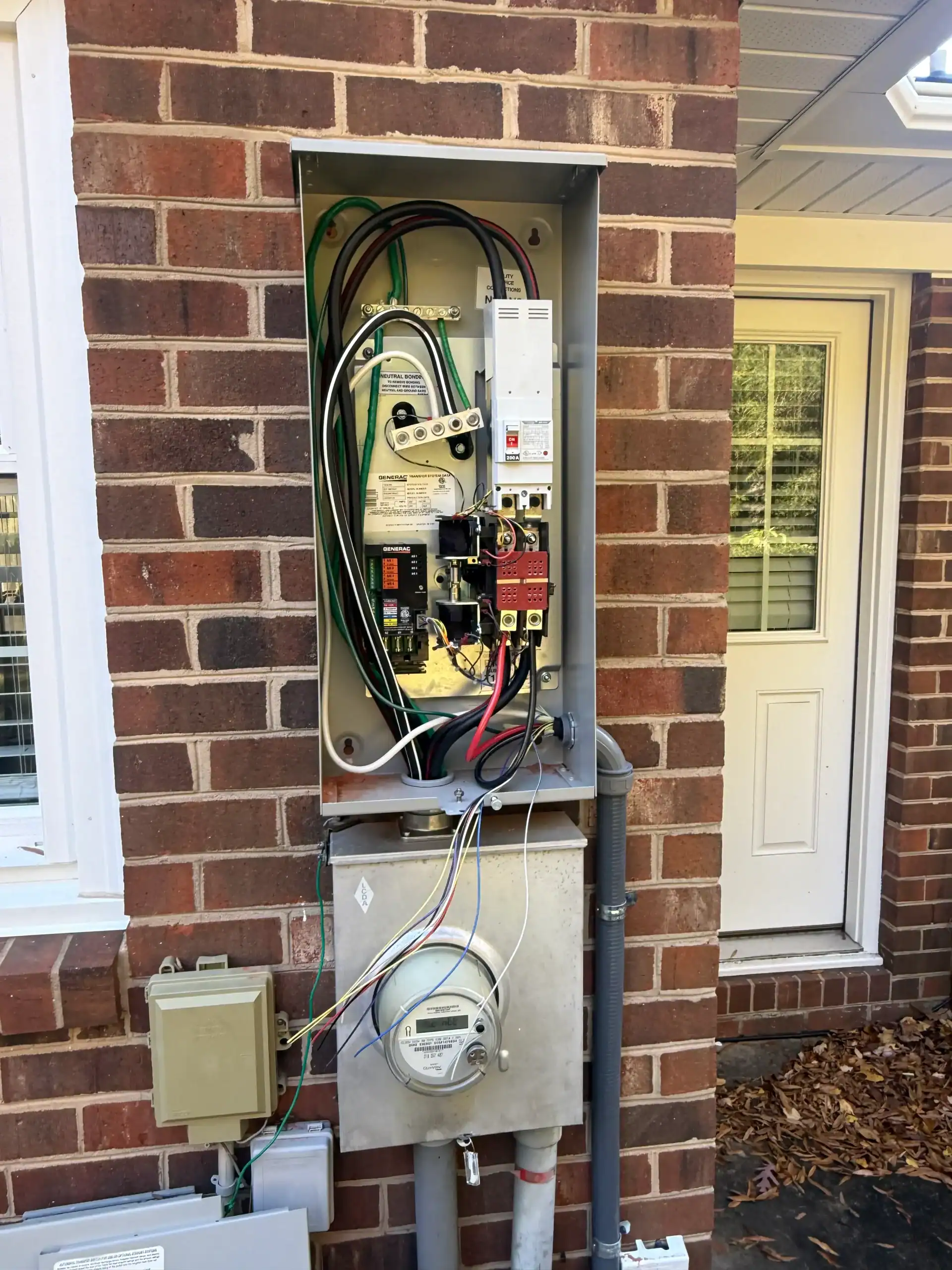
A 100-amp or 60-amp panel that was perfectly adequate in 1965 is not adequate for a home with central air conditioning, a home office, multiple devices charging simultaneously, and potentially an electric vehicle in the garage. Older wiring can become a fire hazard when it’s asked to carry loads it was never designed to handle. This is physics, not scare tactics — and it’s why panel upgrades, service upgrades, and rewiring jobs are among the most common calls we get from homeowners across Alamance County.
Service work on existing homes requires a different skill set than wiring a new build. New construction is methodical — everything is planned in advance, walls are open, and the work follows a predictable sequence. Existing homes are a puzzle. You’re working around finished walls, decades-old decisions made by people who aren’t around to explain them, and systems that may have been modified multiple times over the years.
That’s exactly why we built ESP Electrical Service Providers the way we did. Back in 2002, most electrical companies in this area were focused on new construction projects in Burlington, Chapel Hill, and Durham. Homeowners with existing properties needed someone who could actually show up, troubleshoot the problem, and fix it — not treat service work like an afterthought. That gap is still what drives us, and it’s why we’re better at this kind of work than a company whose primary focus is wiring new homes from the ground up.
Want live answers?
Connect with a Electrical Service Providers expert for fast, friendly support.
Once you’ve confirmed a contractor is licensed and insured, the next layer of evaluation is about fit — do they do this specific type of work well, do they communicate clearly, and will they charge you what they quoted? Those three things eliminate most of the frustration homeowners run into.
Pricing transparency is one of the most consistent pain points people mention when they’ve had a bad contractor experience. Hourly billing creates uncertainty. You call someone out for what sounds like a simple fix, and by the time they’ve tracked down the problem and made a supply run, the bill is double what you expected.
We use flat-rate pricing, which means you know the cost before we begin. Not an estimate that might change. The actual cost. That’s a deliberate choice on our part, because we think you deserve to make an informed decision before work starts.
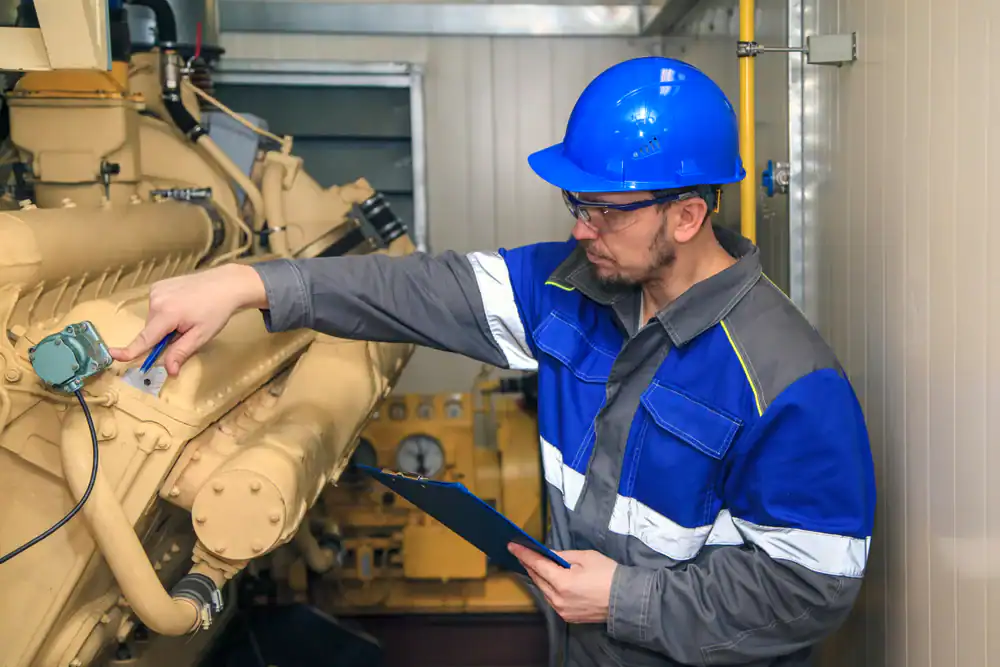
The best time to vet a contractor is before you need one urgently. When something goes wrong at 9 p.m. on a Thursday and you’re scrambling, you’ll hire whoever answers the phone. So it’s worth knowing in advance who you’d call.
Start with the basics. Ask for their license number and verify it. Ask whether they carry general liability insurance and whether they can provide documentation. Ask how they handle pricing — hourly or flat-rate — and get that answer in writing before any work begins. Ask whether they’ll pull the necessary permits, because in NC, that’s their job. And ask what happens if the work doesn’t pass inspection the first time.
Beyond the paperwork, pay attention to how they communicate. Does a real person answer when you call, or do you end up in a voicemail loop? Do they explain what they found and what they’re going to do about it, or do they just hand you a bill? The contractors worth hiring are the ones who treat your time and your home with some basic respect — who show up when they say they will, arrive with the parts needed to finish the job that day, and don’t leave you waiting on a callback for three days.
For electrical work specifically, ask whether the person doing the job is working under a licensed contractor, and whether the contractor has experience with your specific situation. A panel upgrade in a 1958 Burlington home is different from installing a new circuit in a recently built property in Mebane. Experience with existing homes, older wiring configurations, and the quirks of mid-century construction matters more than a long list of services on a website.
Reviews on Google, Yelp, and Angi are useful, but look for patterns rather than individual scores. A contractor with 80 reviews averaging 4.8 stars, where customers consistently mention showing up on time and charging what was quoted, is more reliable than one with a perfect score and five total reviews. In Alamance County, word-of-mouth still carries real weight — check Nextdoor, ask neighbors, and pay attention to who comes up repeatedly in conversations about local trades.
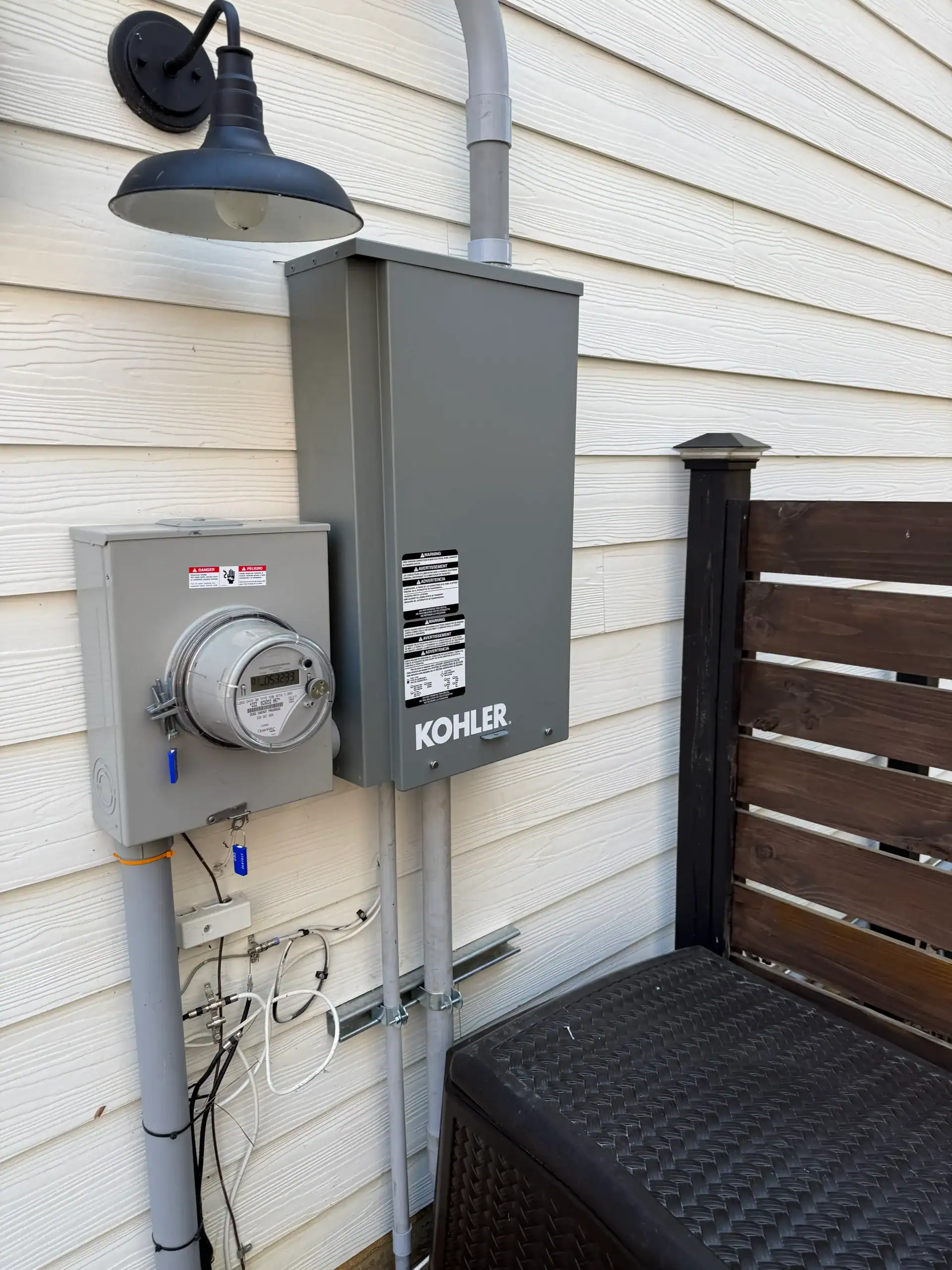
In North Carolina, any electrical work that involves your home’s wiring, panel, or service connection requires a permit and must be performed by or under the supervision of a licensed electrical contractor. That includes panel upgrades, service upgrades, adding new circuits, installing outlets or switches in new locations, wiring for a home addition, and installing a home standby generator or EV charger.
Cosmetic work — swapping out a light fixture for a new one, replacing a standard outlet cover — generally doesn’t require a permit. But the moment you’re adding capacity, changing wiring, or doing anything that touches the panel or service entrance, you’re in licensed-contractor territory. The reason is straightforward: this is the work that, done incorrectly, starts fires or creates shock hazards.
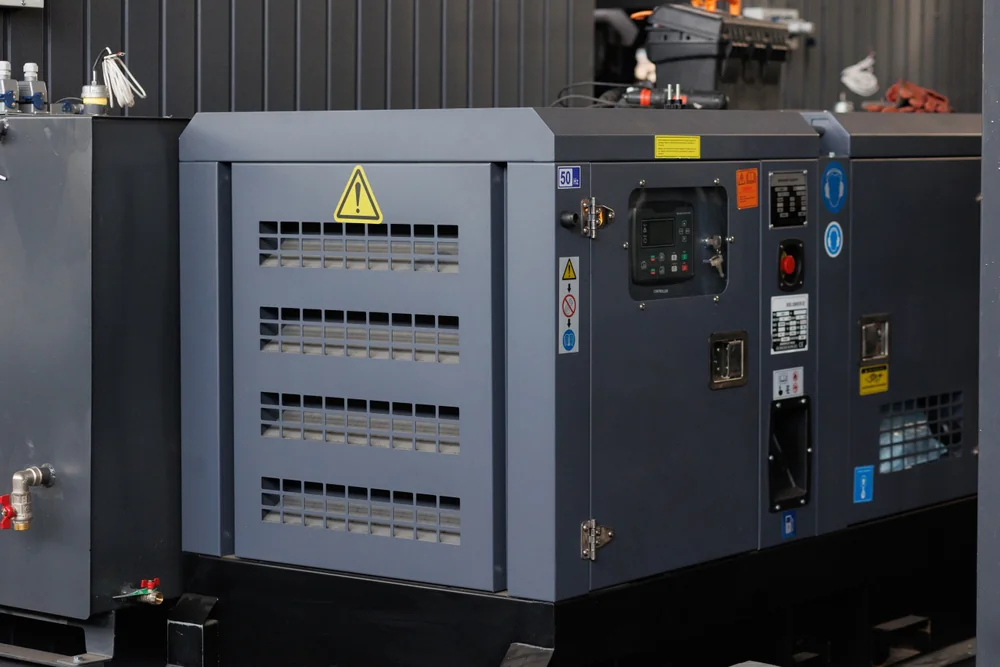
In Alamance County specifically, a few project types come up more than others. Generator installation has become increasingly common, particularly after the area’s experience with hurricane remnants and winter ice storms that knock out power for extended periods. A home standby generator that kicks on automatically during an outage isn’t a luxury for everyone who has one — for households with medical equipment, elderly family members, or simply the reality of working from home, it’s a practical necessity. Installing one correctly requires not just electrical expertise but specific manufacturer certification for the equipment being installed.
EV charger installation is another growing category as more Alamance County residents — particularly those commuting toward the Triangle or the Triad — make the switch to electric vehicles. A Level 2 home charger requires a dedicated 240-volt circuit, which means a permit, a panel evaluation, and a licensed electrician. It’s not a complicated job for someone who does it regularly, but it’s not a DIY project or a job for an unlicensed handyman.
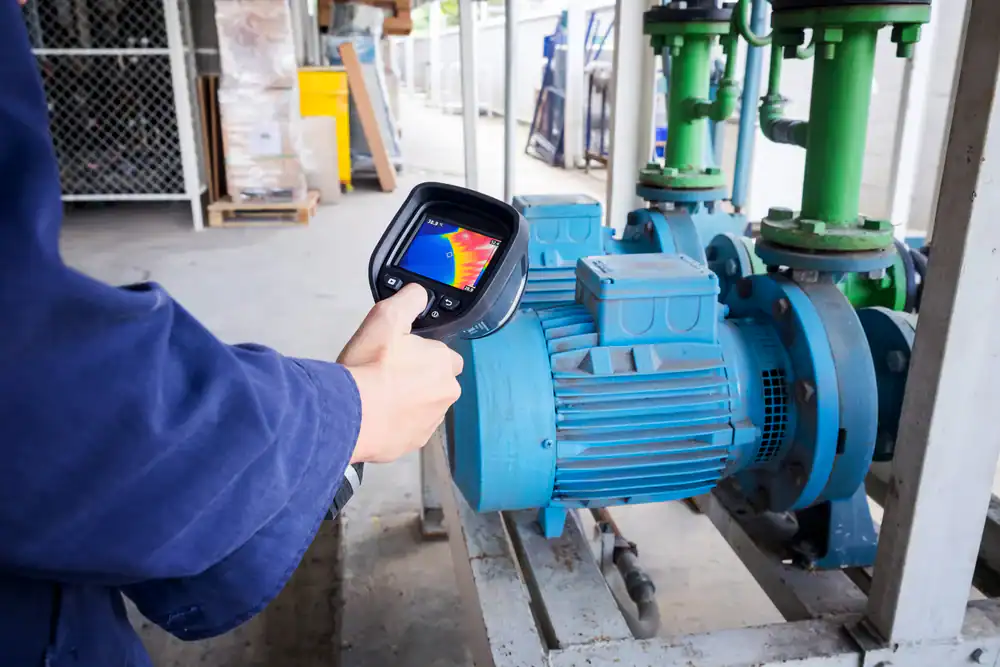
Thermal imaging is a service that doesn’t get talked about as much but can be genuinely valuable in older homes. It allows us to identify hot spots, overloaded circuits, and failing connections behind finished walls — before they cause an outage or a fire. If you’re buying an older home in Burlington, Graham, Gibsonville, or anywhere else in Alamance County, a thermal imaging inspection can tell you a lot about what the standard home inspection didn’t catch.
Alamance County is a growing community, and the demand for reliable home improvement contractors — electrical and otherwise — isn’t going away. The good news is that the contractors worth hiring aren’t hard to identify once you know what to look for: a verifiable license, clear pricing, a track record of showing up and finishing the job, and real experience with the kind of home you actually have.
For electrical work specifically, the bar matters. It’s not about finding the fastest or the cheapest option — it’s about finding someone whose work is safe, passes inspection, and holds up over time. That’s the standard we’ve built around at ESP Electrical Service Providers, and it’s why homeowners across Burlington, Mebane, Elon, Graham, and the rest of Alamance County have been calling us since 2002.
If you have electrical work that needs doing — whether it’s a panel upgrade, a generator, an EV charger, or something you haven’t been able to get another contractor to figure out — reach out to ESP Electrical Service Providers. A real person will answer.
Article details:
Share:
Continue learning: