Power outages in North Carolina aren't rare — they're routine. Here's what you need to know about home standby generators before the next storm hits.
Share:
Summary:
Most people don’t start thinking seriously about backup power until they’ve already sat through a four-day outage in July with no air conditioning, a freezer full of ruined food, and no clear timeline from Duke Energy on when the lights are coming back. If that sounds familiar, you’re not alone — and you’re asking the right questions now. A home standby generator isn’t a luxury item. For a lot of Alamance County homeowners, it’s the difference between riding out a storm at home and checking into a hotel in Burlington or Graham until the grid catches up. Here’s what you actually need to know.
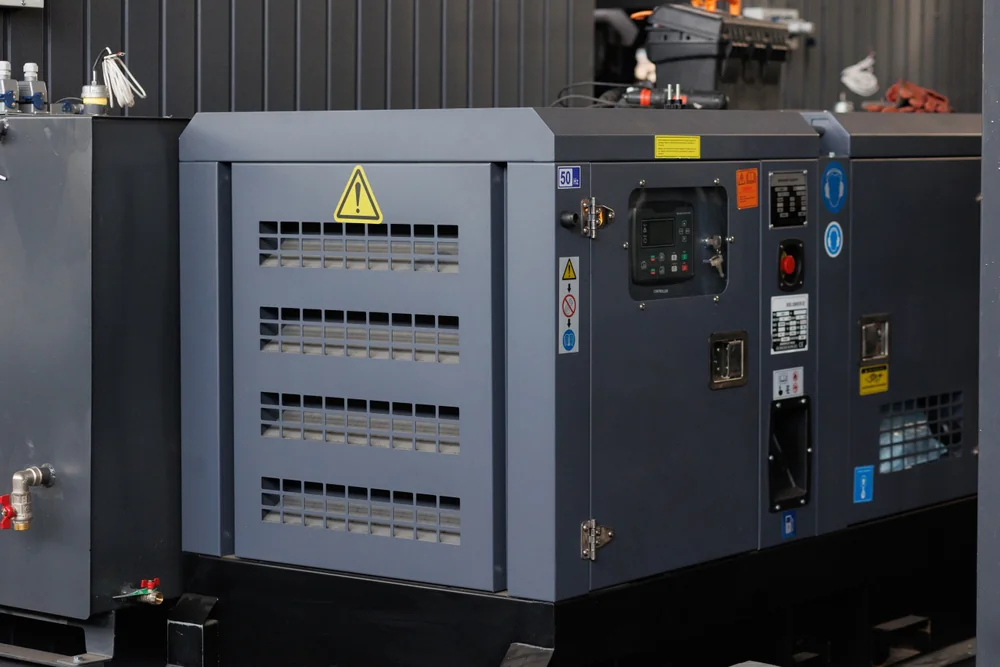
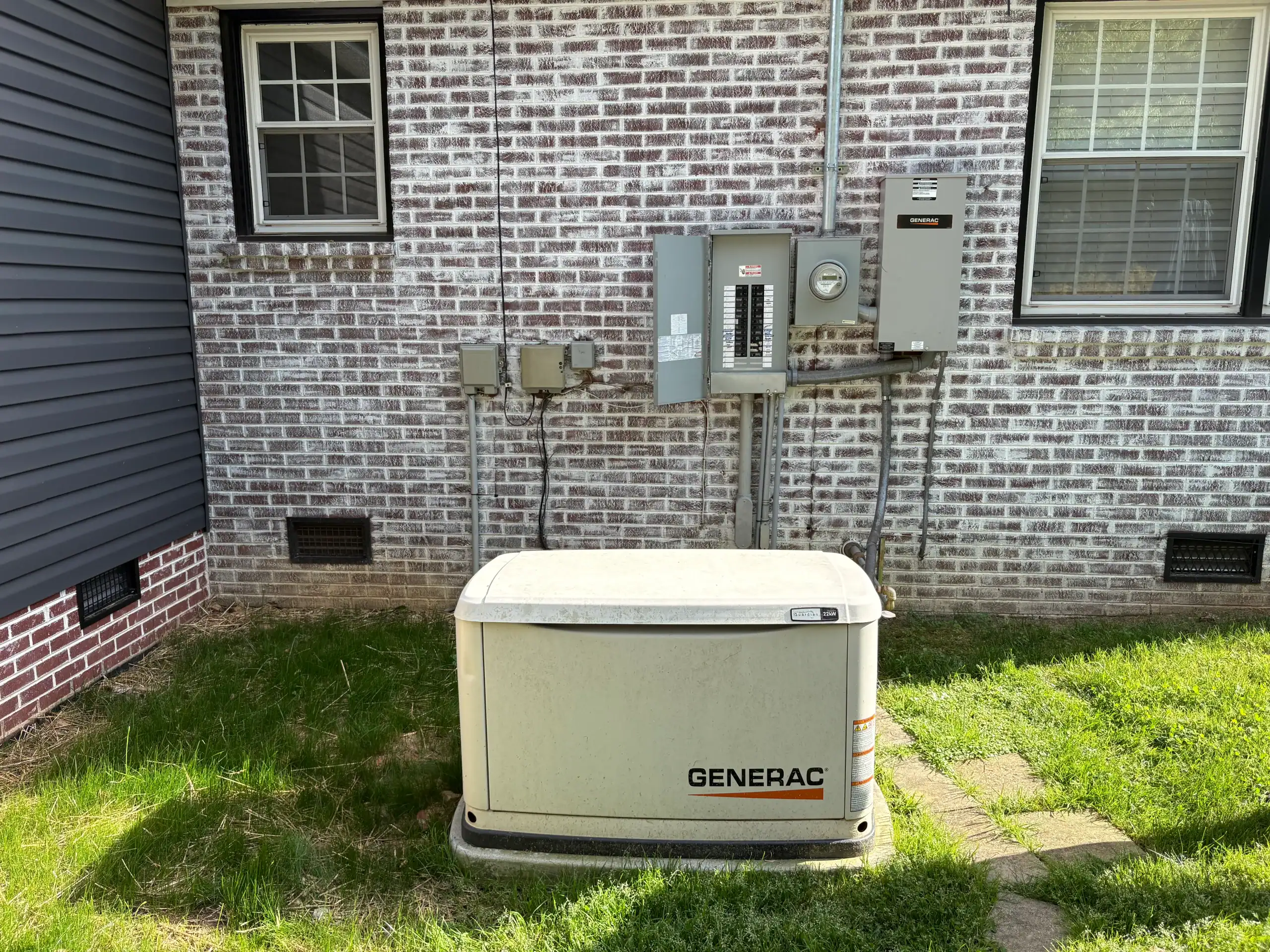
A home standby generator is a permanently installed backup power system connected directly to your home’s electrical panel and fuel supply. Unlike a portable generator you drag out of the garage and manually start, a standby unit runs on natural gas or propane from an existing line and starts automatically — no extension cords, no refueling in the rain, no action required from you at all.
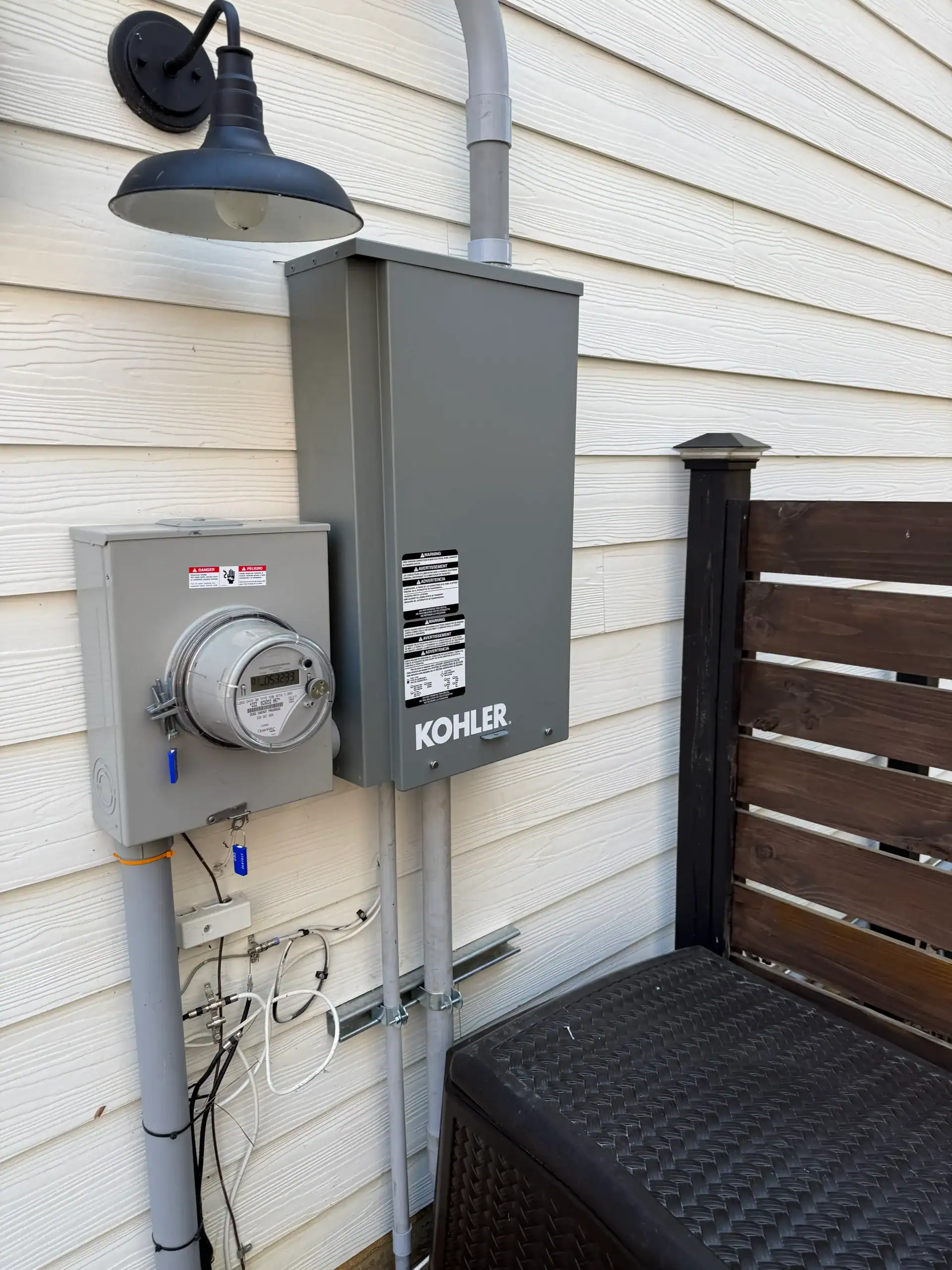
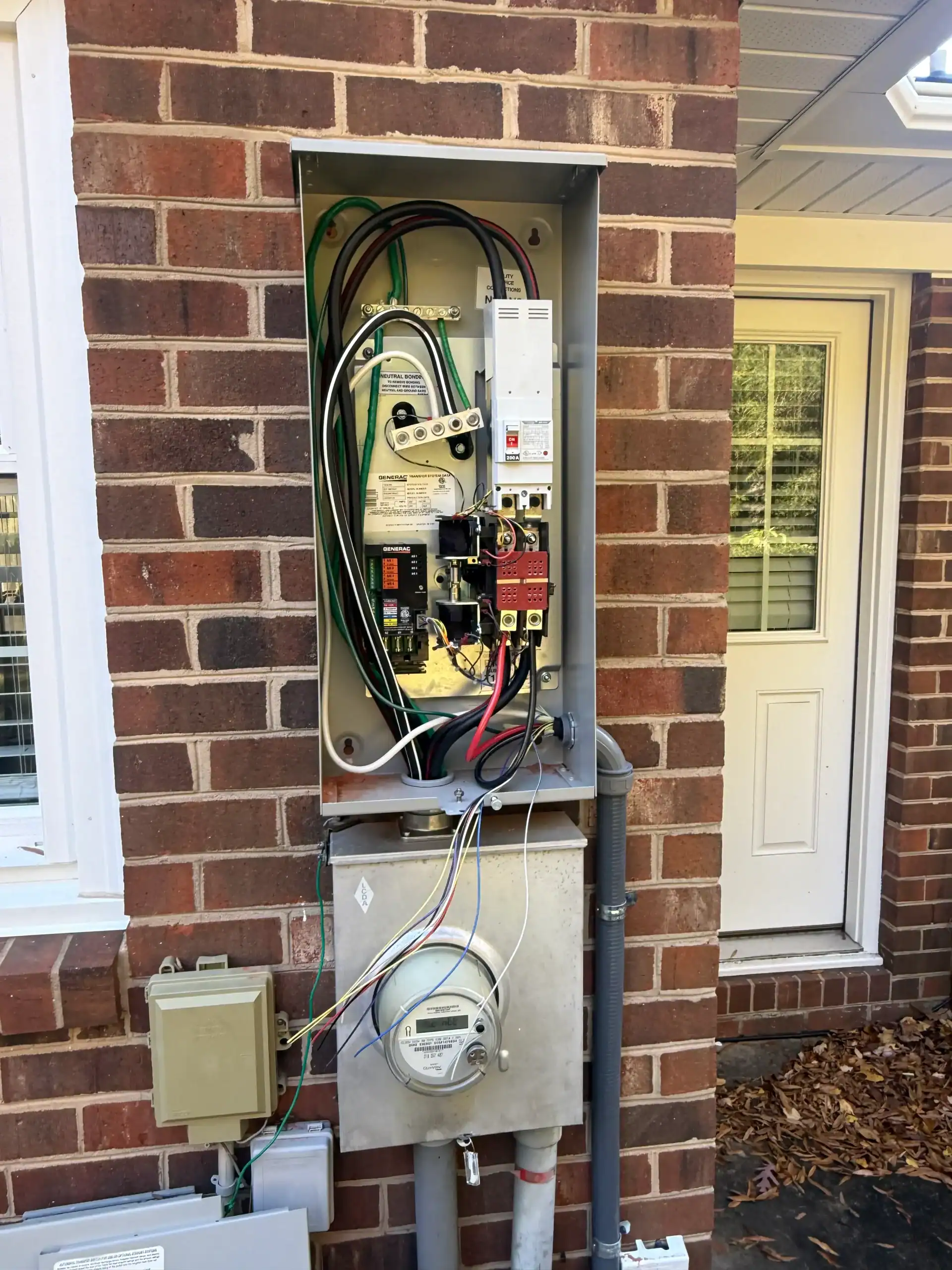
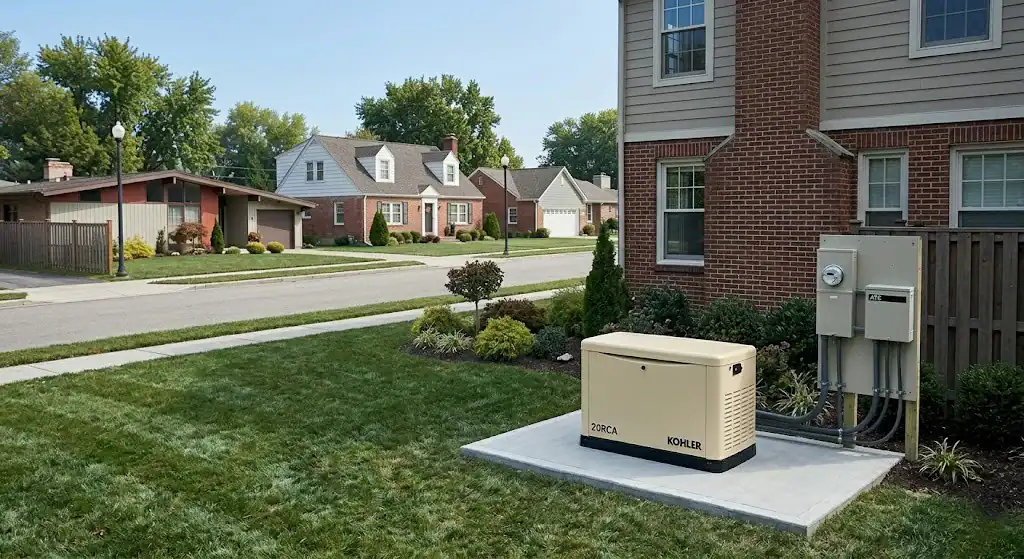
The system works through an automatic transfer switch, or ATS, installed adjacent to your main electrical panel. The moment utility power drops, the ATS detects the outage and signals the generator to start. Within about ten seconds, your home is back on power. When Duke Energy restores service, the ATS switches the home back to grid power and shuts the generator down. The whole process happens without you touching anything.
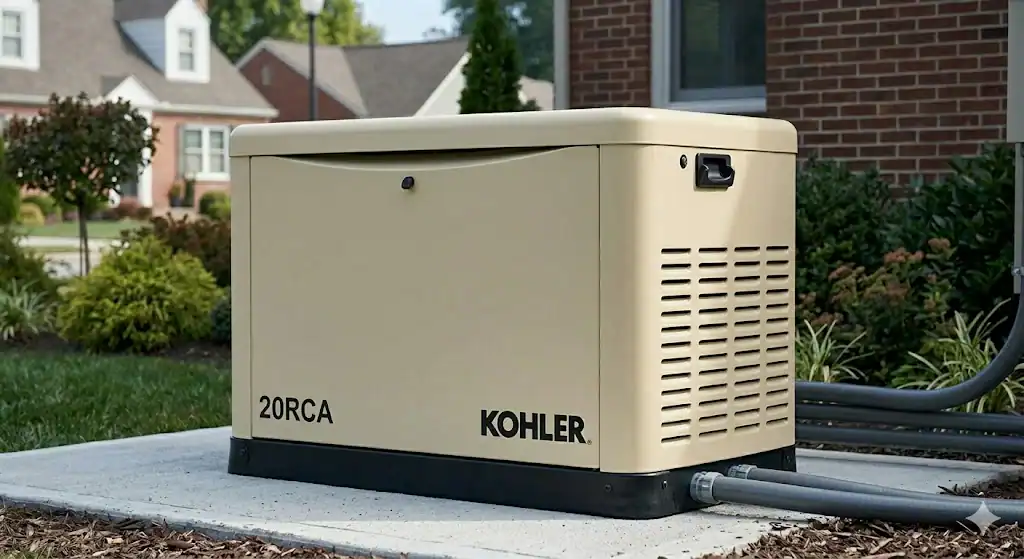
One of the most common questions we hear is some version of: “How do I know it’ll actually work when the power goes out?” It’s a fair concern. A generator that sits unused for months and then fails to start during a storm is worse than no plan at all — at least then you’d have made other arrangements.
Standby generators are designed with this problem in mind. They run a brief self-test cycle once a week — typically five to ten minutes — to exercise the engine, circulate the oil, and confirm the system is ready. You’ll hear it run on a set schedule, and that’s exactly what it’s supposed to do. It’s the generator checking itself so you don’t have to.
Beyond the self-test, annual professional maintenance keeps the system in reliable condition. That typically includes an oil and filter change, spark plug inspection, battery check, and a full operational test. Budget somewhere in the range of $300 to $500 per year for maintenance, depending on the unit and how often it runs. That’s a modest cost relative to what a single extended outage can cost you in food loss, hotel stays, or lost income if you’re working from home.
One thing worth understanding: the generator’s readiness is only as good as the installation behind it. A unit that was installed without proper transfer switch configuration, or by someone unfamiliar with the specific communication protocols between the generator and the ATS, can fail to start even when the engine itself is in perfect condition. This is one of the more common failure points we see when customers call us to troubleshoot systems that weren’t installed by a certified technician. Getting the installation right the first time is what makes the weekly test cycle meaningful.
Fuel type is one of the first decisions you’ll make, and it’s largely determined by what’s already available at your property. If your home has natural gas service — which covers a significant portion of Burlington and the surrounding Alamance County communities — natural gas is almost always the better choice for a standby generator. The generator connects directly to your existing gas line, draws fuel on demand, and can run indefinitely as long as the supply is maintained. Gas utility lines are almost never affected by power outages, which makes this a genuinely seamless solution.
Propane is the right answer for homes without natural gas service, which includes a number of properties in the more rural parts of Alamance County and communities like Haw River and parts of Mebane. With propane, you’ll need a properly sized storage tank installed on your property and a relationship with a fuel delivery company to keep it filled. The generator itself performs comparably to a natural gas unit — the main difference is supply management. You need to know your tank level going into storm season and have a plan if an extended outage drives higher-than-normal fuel consumption.
A natural gas standby generator running continuously during an active outage can consume somewhere between $50 and $200 worth of fuel per day, depending on the unit’s size and how hard it’s working. For most outages — the kind that last a day or two after a bad thunderstorm — that’s a manageable cost. For the longer events, like what western North Carolina experienced after Hurricane Helene in 2024 when some areas went 14 or more days without power, the fuel math becomes more significant. Sizing your generator correctly so it isn’t running harder than necessary is part of how you manage that.
Want live answers?
Connect with a Electrical Service Providers expert for fast, friendly support.
North Carolina sits fourth in the nation for weather-related power outages, with 111 major outage events documented between 2000 and 2023. Alamance County sits squarely in the Piedmont, which means it catches hurricane remnants tracking inland from the coast, summer thunderstorms with real wind behind them, and winter ice storms that load up the lines and take trees down across entire neighborhoods.
Duke Energy’s restoration process prioritizes hospitals, emergency services, and repairs that restore the largest number of customers at once. That’s a rational approach — but it means homeowners in suburban and semi-rural parts of Burlington, Graham, and Gibsonville are often the last ones back on. Waiting out a five-day outage isn’t a hypothetical in this county. It’s happened, and it’ll happen again.
Sizing is where a lot of homeowners get tripped up, and it’s also where a lot of money gets wasted. The instinct is to buy the biggest unit available — if a little is good, more must be better. In practice, a generator that’s significantly oversized for your home’s actual electrical load runs inefficiently, wears faster, and costs more than it needs to. Generac’s own guidance acknowledges that it’s common for homeowners to buy a bigger, more expensive system than they actually need.
The right starting point is an honest assessment of what you need the generator to power. For most Alamance County homeowners, that list includes the HVAC system, refrigerator and freezer, water heater, lights, and a handful of outlets for phones, laptops, and other devices. If you have a well pump, that needs to be factored in — it draws a significant amount of power on startup. Medical equipment like CPAP machines or oxygen concentrators moves from “nice to have” to “non-negotiable” and affects the sizing conversation meaningfully.
A 13 kW generator covers essential circuits comfortably for most mid-sized homes. A 20 kW unit handles whole-home loads and is a better fit for larger homes or households with higher electrical demands. The installed cost difference between those two options — roughly $4,000 versus $5,500 for the unit alone before transfer switch, labor, permits, and site preparation — makes it worth spending time on the sizing question before you buy. We do a proper load assessment before recommending anything, because the goal is to match the system to your actual needs, not to sell you the most expensive option on the shelf.
The generator itself is only part of what you’re buying. The installation is where the real complexity lives, and it’s also where cutting corners creates the most serious problems down the road.
In North Carolina, standby generator installations require a permit. That permit submission needs to include proof of contractor licensing, scaled drawings showing the generator’s proposed location relative to structures and property lines, and documentation that the installation will comply with NEC Article 445 and local zoning setback requirements. The generator has to sit a specific distance from windows, doors, and air intakes — not because it looks better that way, but because exhaust gases need somewhere to go that isn’t back into your house. A permit-less installation voids your manufacturer warranty, creates liability with your homeowners insurance, and can surface as a problem when you sell the property.
Beyond the electrical and permitting work, the installation involves preparing a stable base — either a concrete pad or compacted gravel — positioning the unit, connecting the fuel line with proper shutoff valves, and installing and wiring the automatic transfer switch to your main panel. For homes with natural gas, that means coordinating with the gas utility. For propane, it means working around the tank placement and delivery access.
We handle all of it. Permit applications, inspection scheduling, site preparation, fuel line connections, transfer switch installation, and the final walkthrough where we make sure you understand how the system works and what to expect from the weekly test cycle. We don’t consider the job finished until the generator has run through its self-test cycles and you’re satisfied with how it performed. That’s not a marketing line — it’s how we’ve operated since 2002, and it’s the kind of commitment that shows up in what our customers say about working with us.
A home standby generator won’t prevent the next storm from hitting Alamance County. What it does is make the outage irrelevant to your household — your refrigerator keeps running, your HVAC stays on, your sump pump does its job, and if you’re working from home, you keep working. The power comes back on in seconds, automatically, whether you’re there or not.
The most important thing to take away from this: the window to get a generator installed before storm season is shorter than most people expect. Equipment lead times and installation schedules fill up fast after a major outage event. The homeowners who are protected are the ones who acted before the rush, not after it.
If you’re ready to have a real conversation about what your home needs, reach out to us at 336-228-3300. We’ve been doing this in Burlington and across Alamance County since 2002, and we’ll give you a straight answer.
Article details:
Share:
Continue learning: