Thinking about selling your home or just want to increase its value? A whole house generator might be the smartest investment you haven't considered yet.
Share:
Summary:
You’ve probably thought about the usual home improvements—fresh paint, updated fixtures, maybe new landscaping. But here’s something that might surprise you: one of the smartest investments you can make for your property value has nothing to do with curb appeal.
A whole house generator isn’t just about keeping the lights on during a storm. It’s about what buyers are actually looking for when they walk through your door. And right now, in a market where 62% of homebuyers are worried about severe weather and power reliability, having backup power isn’t just nice to have—it’s becoming expected.
Let’s talk about what that means for your home’s value, why it matters more than ever, and what you need to know before making this investment.
The short answer is yes, and the numbers back it up. According to Consumer Reports and real estate appraisers across the country, a professionally installed whole house generator can increase your home’s value by 3 to 5 percent. Some studies, including a widely cited report from Remodeling Magazine, suggest the return on investment can reach as high as 150%.
Here’s what that looks like in real terms. If your home is valued at $400,000 and you install a generator for around $10,000, you could see your property value increase by $12,000 to $20,000. That’s not just recovering your investment—that’s coming out ahead. And that doesn’t even account for the insurance discounts, avoided damage costs, or the simple fact that your home will likely sell faster than comparable properties without backup power.
But here’s the thing: not all generator installations are created equal. The value comes from professional generator installation, proper permits, quality equipment like Generac systems, and maintenance records that prove the system works. Buyers and appraisers look for those details. A generator that’s been sitting unused for years or installed without permits won’t carry the same weight.
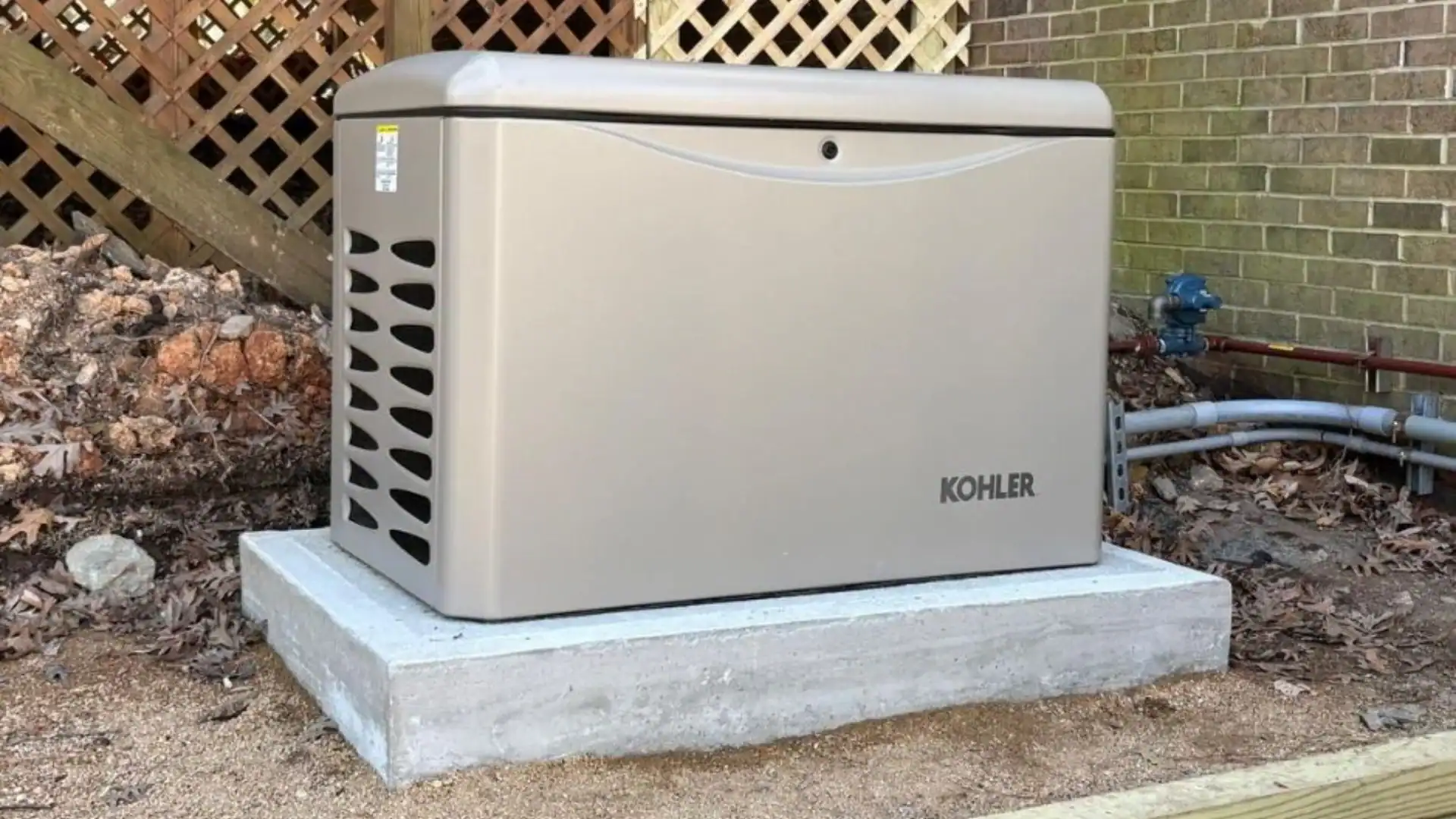
The real estate market has shifted. What buyers want today isn’t the same as what they wanted five years ago. Remote work isn’t going anywhere—people need their home office to function even when the power grid doesn’t. Smart home systems, security cameras, medical equipment, even basic communication with the outside world during an emergency—all of that requires reliable power.
And let’s talk about North Carolina specifically. If you’ve lived here for any length of time, you know what winter ice storms can do. You’ve probably experienced at least one outage that lasted longer than a few hours. Maybe you’ve dealt with frozen pipes, spoiled food, or a house that got uncomfortably cold because the heat went out. Those aren’t just inconveniences—they’re expensive problems that buyers want to avoid.
When a buyer walks into a home with a whole house generator already installed, they’re not just seeing a piece of equipment. They’re seeing fewer headaches. They’re seeing a home that’s ready for whatever the weather throws at it. They’re seeing someone who took care of the property, thought ahead, and made smart decisions. That perception matters, and it shows up in offers.
In fact, recent data shows that 73% of homebuyers say it’s important to purchase in areas with lower severe weather risk. But here’s the reality: you can’t control the weather where you live. What you can control is how prepared your home is to handle it. A backup generator does exactly that. It tells buyers that even if the power goes out for days, this house will keep running. That’s not just a feature—it’s a competitive advantage.
There’s also the financial protection angle. Insurance companies aren’t blind to the value of backup power. Many insurers offer discounts ranging from 3% to 10% on homeowners policies for properties with permanently installed generators. Why? Because homes with backup power are less likely to file claims for things like water damage from sump pump failure, HVAC damage, or food loss. Over the years you own your home, those savings add up. And when you sell, that’s another talking point that makes your property more attractive.
Let’s put this in perspective. You’ve probably heard that kitchen remodels and bathroom updates are great for resale value. And they are—to a point. A midrange kitchen remodel might give you a 70-85% return on investment. A new roof might get you close to 100% in some markets. But a whole house generator? You’re looking at potential returns that can exceed your initial investment, especially if you’re in an area where power reliability is a known issue.
The difference is in how buyers perceive value. A nice kitchen is great, but it’s also subjective. One buyer loves the farmhouse sink; another thinks it’s impractical. But backup power? That’s universal. Every buyer understands what it means to lose power. Every buyer has been there. And every buyer would rather not deal with it again.
There’s also timing to consider. If you install a generator and sell within a few years, you’ll capture most of the value. The system is still relatively new, under warranty, and buyers know they won’t have to worry about maintenance or replacement anytime soon. If you wait ten years, the generator will have depreciated—just like any other mechanical system in your home. That doesn’t mean it’s worthless, but the value proposition changes. So if you’re thinking about selling in the next few years, installing a generator now makes even more sense.
Another factor is the current real estate market. Right now, inventory is tight in many areas, and buyers are looking for homes that stand out. When you’re competing against five other similar properties, the one with a whole house generator is going to catch attention. It’s a differentiator. And in a market where 60% of buyers say they’re uncertain about whether now is the right time to purchase, offering a home that’s clearly been maintained and upgraded with smart, practical features can tip the scales in your favor.
Don’t forget about the avoided costs, either. A generator doesn’t just add value when you sell—it protects value while you own the home. One major storm that knocks out power for three days could cost you hundreds or thousands in spoiled food, hotel stays, lost work productivity, and potential damage to your home. A generator prevents all of that. So even if you never sell, you’re still coming out ahead.
Want live answers?
Connect with a Electrical Service Providers expert for fast, friendly support.
Here’s where a lot of homeowners get tripped up: they assume all generator installations are basically the same. They’re not. The quality of the installation, the brand of equipment, and whether the work was done by licensed professionals all matter—a lot.
Generac is the most recognized name in residential backup power for a reason. They’ve been in the business for over 60 years, and their systems are designed specifically for home use. But even the best equipment won’t deliver value if it’s not installed correctly. That’s where working with a Generac Authorized Dealer makes a difference. You’re not just getting a generator—you’re getting proper sizing for your home’s power needs, compliance with local codes, permits that will show up in home inspections, and a warranty that’s actually enforceable.
In North Carolina, installation requirements can vary by county. Alamance County, Durham County, Chatham County, Orange County, and Guilford County all have their own permitting processes and inspection requirements. A professional installer handles all of that for you. They know the local codes, they coordinate with inspectors, and they make sure everything is documented properly. That documentation is what appraisers and buyers look for when they’re evaluating your home.
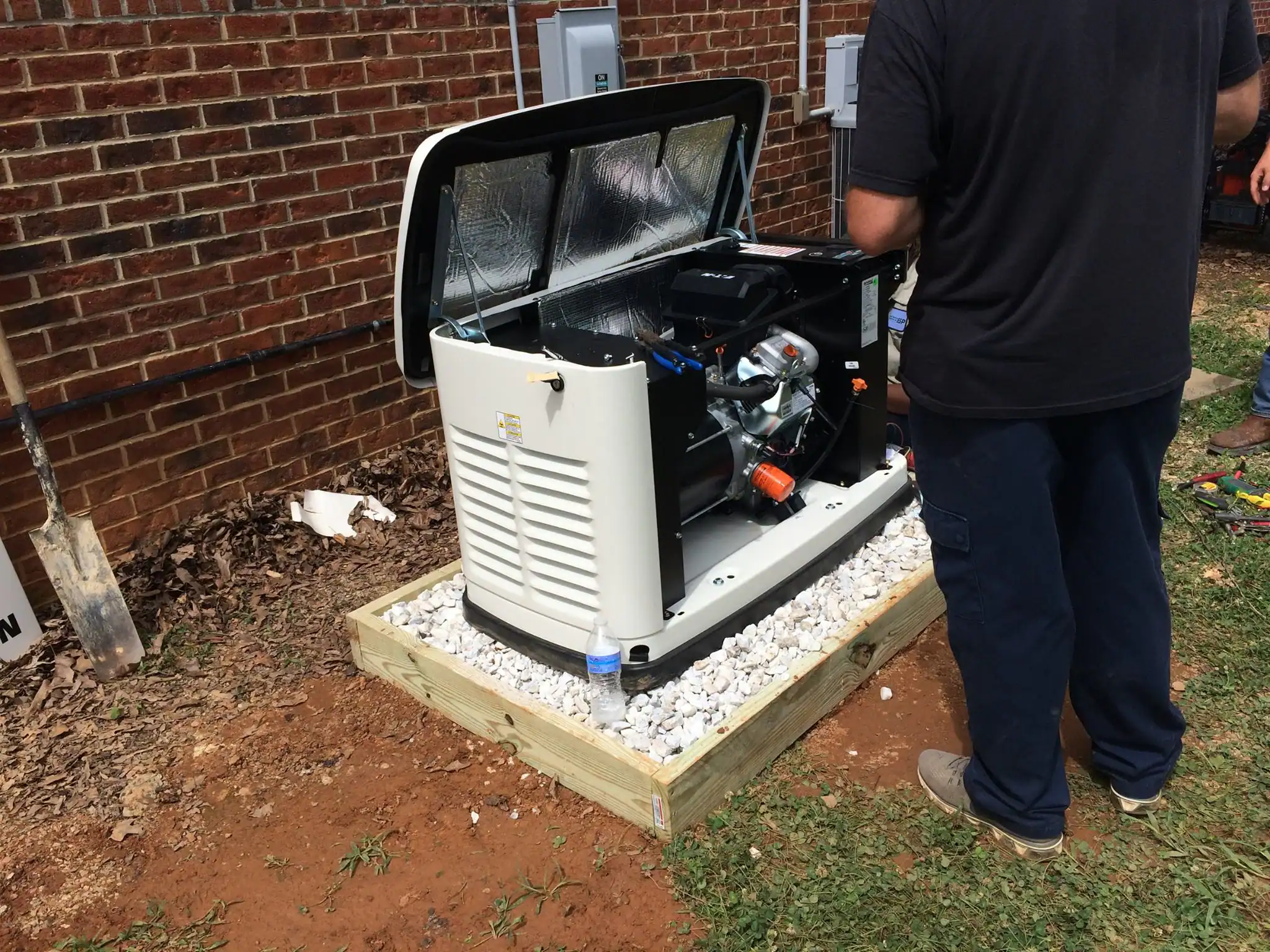
Not every home needs the same size generator. A 1,500-square-foot ranch has different power requirements than a 3,000-square-foot two-story with a home office, multiple HVAC zones, and a well pump. This is why professional assessment matters.
When you work with an experienced installer, they’ll perform a load calculation. That means they look at your electrical panel, identify which circuits are essential, and determine how much power you actually need to keep your home running during an outage. Some homeowners want whole-home coverage—every light, every outlet, everything. Others are fine with essentials only: refrigerator, heating and cooling, a few key outlets, maybe the garage door so you can still get your car out.
The size of the generator affects both the upfront cost and the long-term value. Oversizing means you’re spending more than necessary. Undersizing means the generator won’t handle your actual needs, which defeats the purpose. A properly sized system—one that’s matched to your home’s real requirements—is what buyers and appraisers recognize as a smart, value-adding installation.
Fuel type is another consideration. Most whole house generators in North Carolina run on either natural gas or propane. If you’re already connected to a natural gas line, that’s usually the most convenient and cost-effective option. If you’re in a more rural area without gas service, propane is the way to go. Both are reliable, both are safe, and both will keep your generator running as long as you need it.
You’ll also want to think about placement. Generators need to be installed outside, away from windows and doors, with proper clearance for ventilation and service access. A good installer will evaluate your property, recommend the best location, and make sure the installation meets all safety requirements. That’s not just about compliance—it’s about making sure the system works correctly and doesn’t create noise or exhaust issues that could bother you or your neighbors.
And here’s something a lot of people don’t think about: maintenance. A generator is like any other mechanical system in your home. It needs regular service to stay reliable. Most manufacturers recommend annual maintenance, which typically includes oil changes, filter replacements, and a full system test. Keeping up with that maintenance—and keeping the records—is what ensures the generator will actually work when you need it. And when you go to sell, those records prove to buyers that the system has been properly cared for.
The housing market in North Carolina has been competitive for years, and that’s not changing anytime soon. Buyers have options, but they also have high expectations. They’re not just looking for a house—they’re looking for a home that won’t surprise them with expensive problems six months after closing.
This is especially true in the counties we serve: Alamance County, Durham County, Chatham County, Orange County, and Guilford County. These areas have seen steady growth, with more people moving to the region for jobs, schools, and quality of life. But they’ve also experienced their share of weather-related challenges. Ice storms, winter weather, even the occasional severe thunderstorm—all of these can knock out power, sometimes for days.
Buyers who’ve lived in the area know this. And buyers who are moving here from other parts of the country quickly learn. That’s why backup power has moved from “nice to have” to “really should have” in the minds of many homebuyers. It’s not just about comfort—it’s about not losing hundreds of dollars in groceries, not worrying about pipes freezing, not scrambling to find a hotel when the house gets too cold.
Real estate agents are noticing this shift too. Homes with generators are easier to market because they check a box that buyers are actively looking for. In some cases, having a generator can be the difference between a home sitting on the market for 60 days versus selling in 30. That’s real money—both in carrying costs and in the final sale price.
There’s also the appraisal side of things. When a home is being appraised, the appraiser looks at comparable sales in the area. If your home has a professionally installed generator and similar homes don’t, that’s a point in your favor. It’s a documented improvement that adds measurable value. Appraisers don’t just guess—they look at what buyers are willing to pay for certain features. And right now, buyers are willing to pay more for homes with reliable backup power.
Another trend worth noting: more buyers are concerned about long-term operating costs, not just purchase price. They want to know what it’s going to cost to own the home over time. A generator actually helps with that conversation. Yes, there’s an upfront cost. But when you factor in insurance discounts, avoided damage costs, and the peace of mind that comes with knowing your home is protected, the math works out. Buyers who think long-term appreciate that.
And let’s not forget about the psychological aspect. Buying a home is one of the biggest financial decisions most people make. Anything that reduces anxiety and increases confidence in that decision is valuable. A whole house generator does exactly that. It signals that the current owner cared about the property, planned ahead, and made investments that actually matter. That’s the kind of home people want to buy.
At the end of the day, installing a whole house generator is about more than just property value—though the 3-5% increase and potential 150% ROI are nothing to ignore. It’s about making a smart, practical investment that protects your home, supports your lifestyle, and makes your property more competitive in today’s market.
Whether you’re planning to sell in the next year or you’re thinking ten years down the road, a professionally installed generator delivers value now and later. It keeps your family safe and comfortable during outages. It prevents costly damage. It reduces insurance premiums. And when the time comes to sell, it makes your home stand out to buyers who know what they’re looking for.
If you’re ready to explore how an in home generator can increase your property value and protect your investment, we’re here to help. With over 20 years of experience serving Alamance County, Durham County, Chatham County, Orange County, and Guilford County, we’re a Generac Authorized Dealer that handles everything from assessment and installation to ongoing maintenance. Reach out and let’s talk about what makes sense for your home.
Article details:
Share:
Continue learning: