Finding a qualified industrial electrician in Alamance County is harder than it should be. Here's what to look for — and what to expect from the process.
Share:
Summary:
If you manage a manufacturing or distribution facility in Alamance County, you already know the frustration. You need electrical work done — machine wiring, a power issue that keeps shutting down equipment, a panel that wasn’t designed for the loads you’re running today — and the local options either aren’t qualified for industrial work or they’re coming from Greensboro or Durham with no real stake in your schedule. We’ve been serving manufacturing facilities across Alamance County since 2002, and we hear this same story constantly. This page is for the facility manager who’s done guessing and wants to know what qualified industrial electrical service actually looks like.
The word “industrial” gets used loosely. A lot of contractors who primarily work on homes and office buildings will list industrial services on their website — but there’s a real difference between commercial electrical work and what a manufacturing facility actually demands. Three-phase power systems, variable frequency drives, motor controls, arc flash protocols — these aren’t things you learn on a residential job site.
When you’re evaluating an industrial electrical contractor, the fastest way to filter out the under-qualified is to ask specific questions. Can they walk you through how they’d approach a machine wiring installation? Do they review equipment specs and evaluate your existing electrical capacity before quoting? Do they know what NEC Article 670 requires? A contractor who knows industrial work will answer these without hesitation. One who doesn’t will pivot to vague reassurances.
Alamance County has a deep manufacturing history. Burlington’s name itself is tied to one of the largest textile manufacturers in American history, and the county’s industrial stock reflects that — older buildings, legacy electrical systems, and infrastructure that was built for a different era of production equipment.
Today, those same facilities are running modern machinery, automation systems, and high-density lighting on electrical infrastructure that was never designed for those loads. That mismatch creates problems. When those problems show up — breakers tripping under load, equipment shutting down unexpectedly, lights flickering every time a motor kicks on — facility managers start calling electricians.
The trouble is, most of the locally visible options in Alamance County are built for residential and light commercial work. They’re licensed, they’re capable within their lane, but they’re not the right fit for a plant floor. What ends up happening is one of two things: either a commercial electrician takes the job, does their best, and the problem either isn’t solved or comes back within a few months, or the facility manager calls a regional firm out of Greensboro or the Triangle — and suddenly they’re dealing with a contractor who deprioritizes a smaller Alamance County job in favor of larger metro projects.
Neither outcome is acceptable when you’re running a production schedule. The real issue is that industrial electrical expertise and industrial electrical contractors with a genuine local presence have been largely absent from this market. That’s the gap we’ve been filling for over two decades. We’re based in Burlington, we know the local inspection process, and we’ve worked in facilities throughout Alamance County. When we schedule work around your maintenance window, we mean it — because we understand what it costs when production stops.
Power quality is one of the most misunderstood issues in manufacturing electrical systems — and one of the most expensive when it goes unaddressed. The Electric Power Research Institute estimates that power quality problems cost U.S. businesses around $119 billion per year.
The symptoms are usually obvious before the cause is. Voltage sags when motors start up. Harmonics from variable frequency drives that heat up transformers and shorten their lifespan. Poor power factor that shows up as penalty fees on your utility bill every month. Equipment that shuts down randomly, or that seems to be failing faster than it should. These aren’t isolated incidents — they’re signs of an underlying power quality problem that isn’t going to fix itself.
Here’s the part that matters: most electricians who encounter these symptoms will guess at the cause. They’ll replace a component, reset a breaker, and call it done. When the problem comes back, you’re starting the cycle over. Proper power quality diagnosis requires actual monitoring equipment — measuring voltage, current, and harmonics over time to identify what’s actually happening on your system, not just what it looks like on the surface.
We test. That’s not a slogan, it’s just how this kind of work has to be done. We use monitoring equipment to gather real data before we recommend a fix, because a fix without a diagnosis isn’t a fix — it’s a guess with an invoice attached. For facilities in Alamance County dealing with recurring electrical problems, that distinction is the difference between solving the issue and paying for the same problem twice.
Want live answers?
Connect with a Electrical Service Providers expert for fast, friendly support.
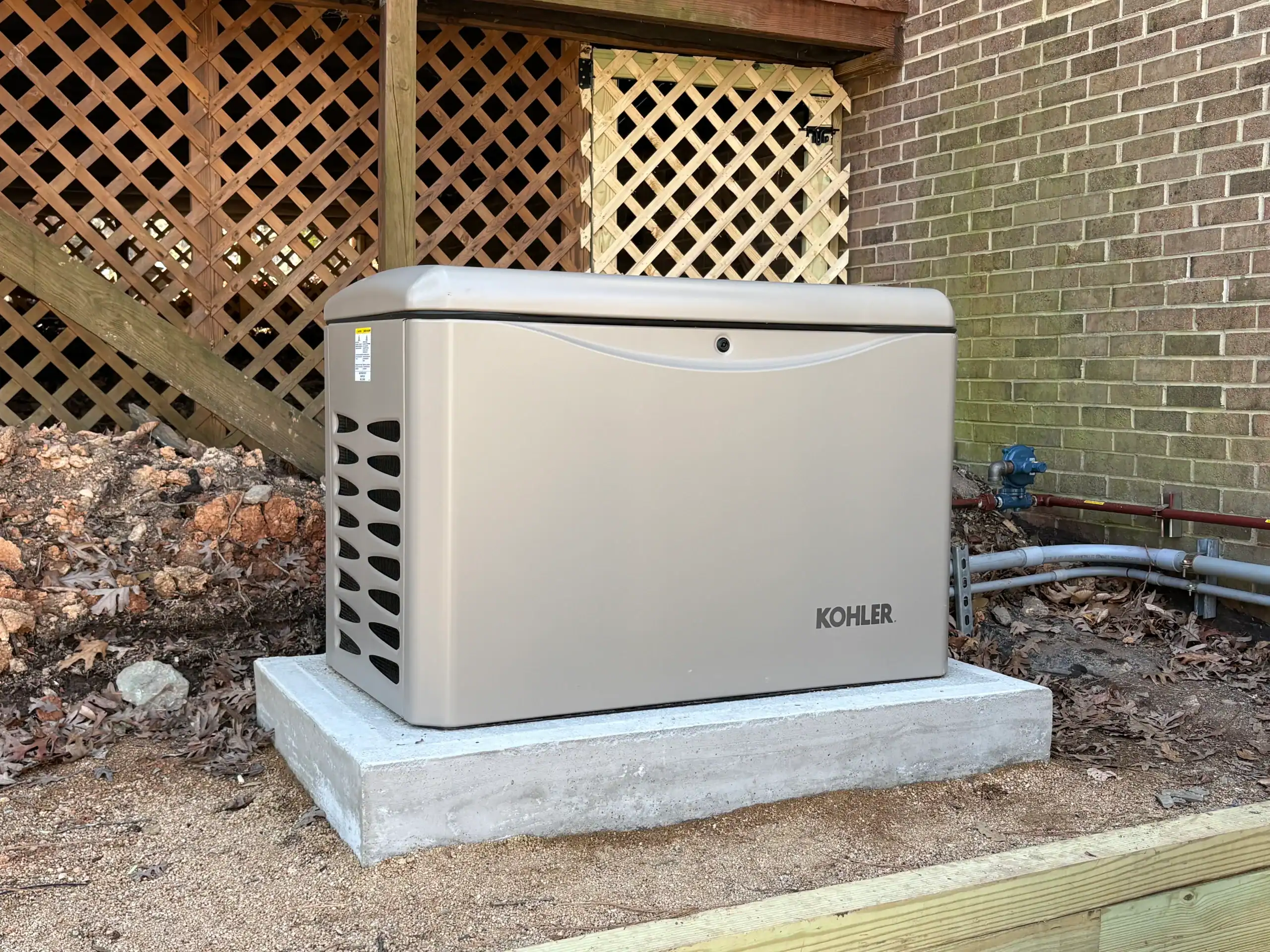
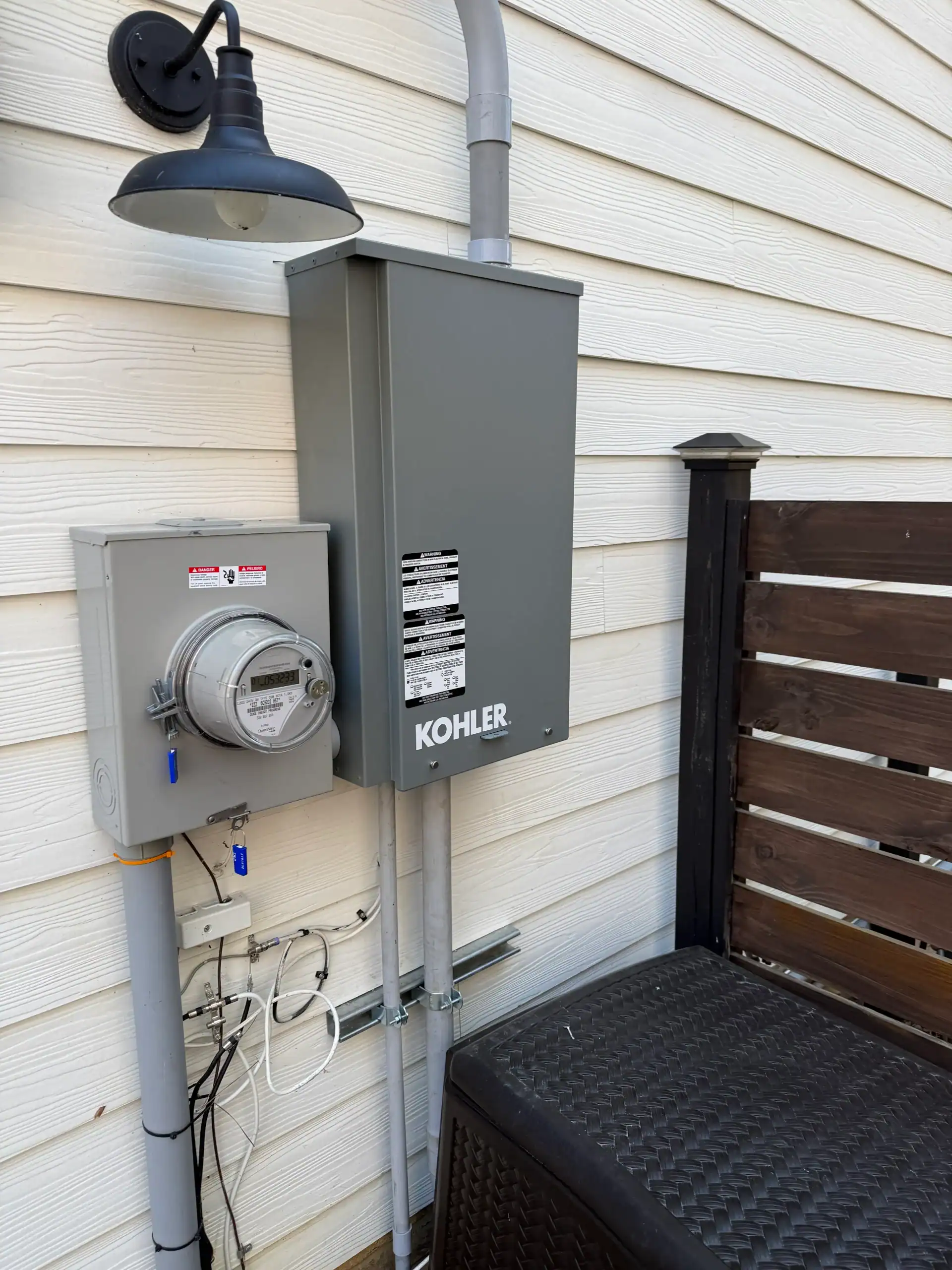
Adding new equipment to your facility isn’t just a mechanical process — the electrical side of a machine installation can make or break how that equipment performs from day one. Machine wiring done right means the equipment runs as designed, the installation passes inspection on the first attempt, and you have updated drawings on file showing exactly how everything is configured.
Done wrong, it means nuisance trips, failed inspections, equipment running outside its rated parameters, and — in the worst cases — safety incidents that carry real liability. The difference usually comes down to whether the electrician doing the work actually understands industrial machinery requirements or is treating it like a large appliance hookup.
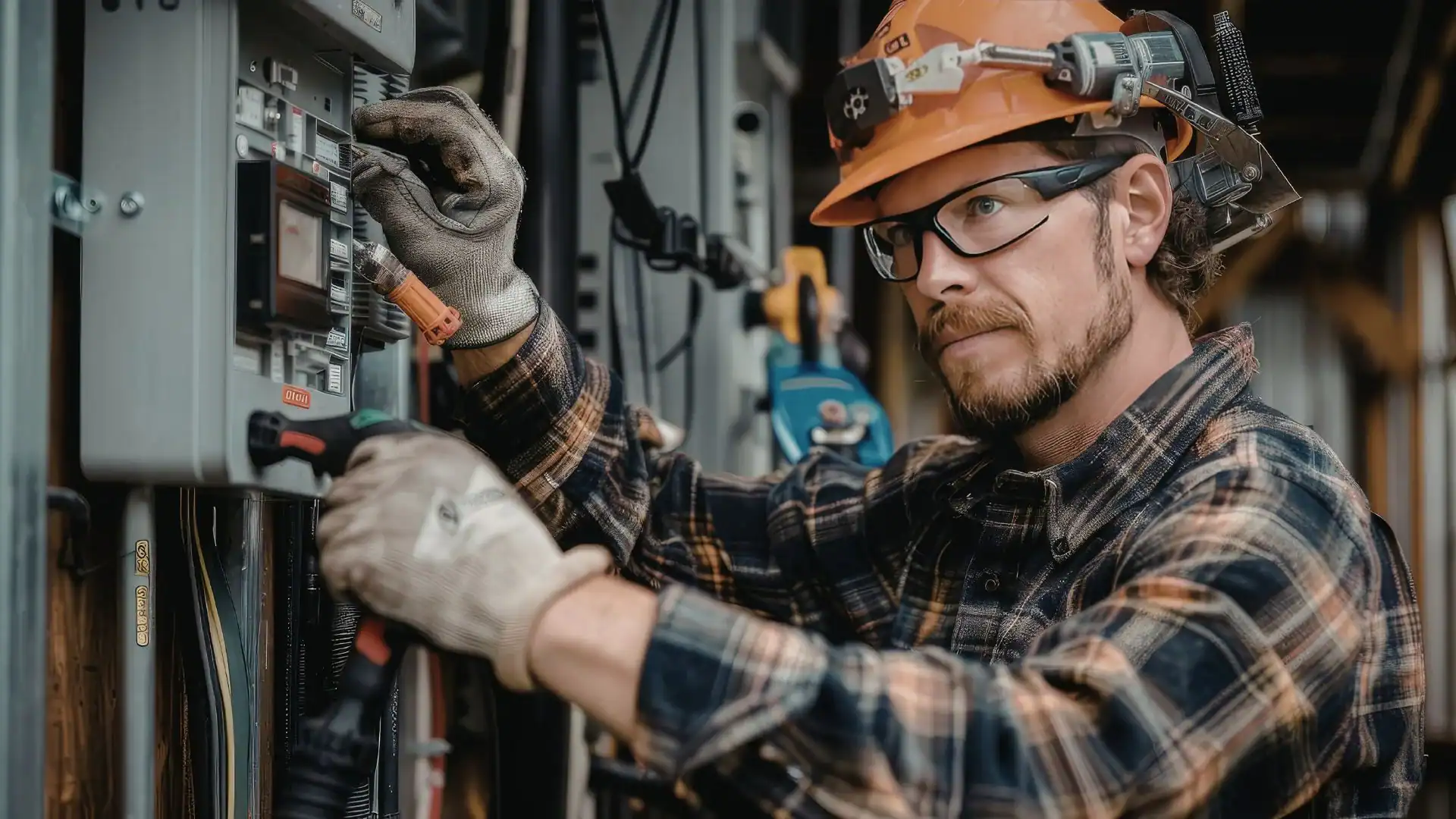
When we take on a machine wiring project, we start before we touch a single wire. That means reviewing the equipment specifications, evaluating your existing electrical capacity, and confirming that the available power matches what the machine actually requires. A lot of problems that show up after installation — equipment underperforming, breakers tripping, motors running hot — trace back to a capacity evaluation that was skipped or rushed at the front end.
Once we’ve confirmed the scope, you get a flat-rate price in writing before any work begins. Not an estimate, not a range — an exact number. If we’ve overlooked something on our end, that’s our problem, not yours.
From there, we coordinate the installation around your schedule. If you have a planned shutdown window, a maintenance shift, or a specific production calendar, we work within it. For manufacturing facilities throughout Alamance County, scheduling flexibility isn’t a courtesy — it’s a basic requirement of the job.
After installation, we test every circuit and control for proper operation before we consider the job complete. You also get updated as-built drawings showing the final configuration, so your maintenance team and any future contractors have accurate documentation on file. That last piece gets skipped more often than it should, and it creates headaches down the road when someone needs to troubleshoot or expand the system.
**Do I need a licensed electrician for machine wiring, or can my maintenance team handle it?**
In North Carolina, electrical work on industrial machinery — including machine wiring — must be performed by a licensed electrical contractor. This isn’t just a legal requirement; it’s also an insurance and liability issue. If equipment is wired by someone without the appropriate license and something goes wrong, you may be looking at voided equipment warranties, failed inspections, and OSHA exposure. The NC State Board of Examiners of Electrical Contractors (NCBEEC) governs licensing in the state, and an Unlimited License — the tier required for high-voltage industrial work — requires five years of documented experience and a comprehensive examination.
**What’s the difference between a commercial electrician and an industrial electrician?**
The core difference is the systems they work on and the environments they’re trained for. Commercial electricians typically work on single-phase and basic three-phase systems in offices, retail spaces, and light commercial buildings. Industrial electrical work involves high-voltage three-phase systems, motor controls, variable frequency drives, programmable logic controllers, arc flash hazards, and the specific NEC requirements that govern industrial machinery. For facilities in Alamance County running modern equipment in older industrial buildings, you need someone trained specifically in industrial systems, not someone crossing over from commercial work.
**How do I know if my facility has a power quality problem?**
The most common signs are equipment that shuts down unexpectedly, lights that flicker or dim when motors start up, motors or transformers that run hotter than they should, and unexplained increases in your utility bill. For Alamance County facilities in older industrial buildings — particularly those that have added modern machinery to infrastructure built during the textile manufacturing era — these symptoms are more common than most people realize. The electrical systems in those buildings weren’t designed for VFDs, automation equipment, or the harmonic loads that come with modern production machinery. If any of this sounds familiar, the right next step is a proper diagnosis, not another round of component replacements.
**Can you work around our production schedule?**
Yes — and we treat that as a requirement, not a favor. We’ve worked in manufacturing facilities across Alamance County since 2002, and we understand that coordinating electrical work around production schedules, maintenance windows, and planned shutdowns isn’t optional. We schedule accordingly from the start.
The industrial electrical market in Alamance County has a real gap — qualified, locally-based contractors who actually understand manufacturing environments and can work within the constraints of a production schedule. That gap is why so many facility managers end up calling regional firms from Greensboro or Durham, or settling for commercial electricians who aren’t built for this kind of work.
We’ve been the local answer to that problem since 2002. Andy Helton has been a licensed Master Electrician since 1989, and our team brings over 50 years of combined electrical experience to every project. Flat-rate pricing, fully stocked trucks, real people answering the phone, and a track record of work that passes inspection the first time — that’s what we show up with.
If you’re managing a facility in Alamance County and need industrial electrical work done right, reach out to ESP Electrical Service Providers. We’re in Burlington, we know this market, and we’re ready to talk through what your facility actually needs.
Article details:
Share:
Continue learning: