Two utilities serve Alamance County — and which one is yours changes everything about how a meter box replacement actually works.
Share:
Summary:
Most homeowners in Burlington and the surrounding Alamance County communities don’t think about their electric meter box until something goes wrong — a home inspector flags it, the utility sends a notice, or the lights start behaving strangely under heavy load. Then the questions come fast. What exactly is the meter box? Who’s responsible for it — me or the power company? Do I need a permit? Who do I even call first?
What makes this more complicated in Alamance County is that the answer to “who’s my electric company?” isn’t the same for everyone. Two utilities serve this area, and which one covers your address shapes the entire replacement process from start to finish.
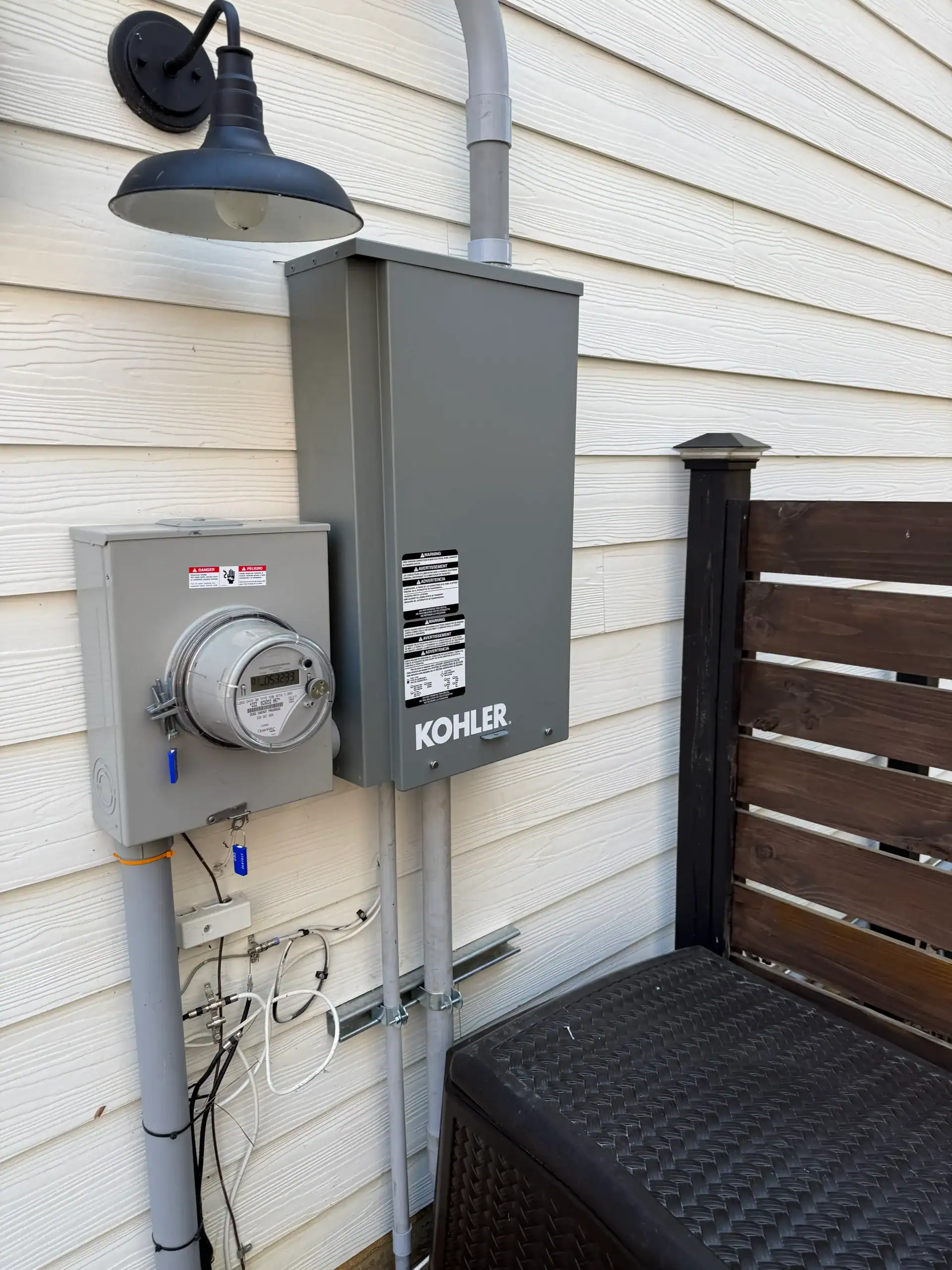
The electric meter box — sometimes called a meter socket or meter base — is the outdoor enclosure that houses your utility meter. The utility owns the meter itself and the lines running to your home. But the enclosure? That’s yours. Which means when it corrodes, gets damaged, or simply reaches the end of its service life, the repair bill falls to you.
A typical residential meter box lasts 20 to 30 years. In Alamance County, where a large portion of the housing stock dates back to the textile industry era of the 1950s through 1970s, that math matters. A lot of homes in Burlington, Graham, Haw River, and Swepsonville have meter bases that have never been replaced — and some of them are pushing 50 years old.
Here’s where a lot of homeowners get tripped up. Replacing a meter box isn’t a job you can schedule like a plumbing call. There’s a specific sequence that has to happen — and in North Carolina, skipping any part of it isn’t just a bad idea, it’s not legal.
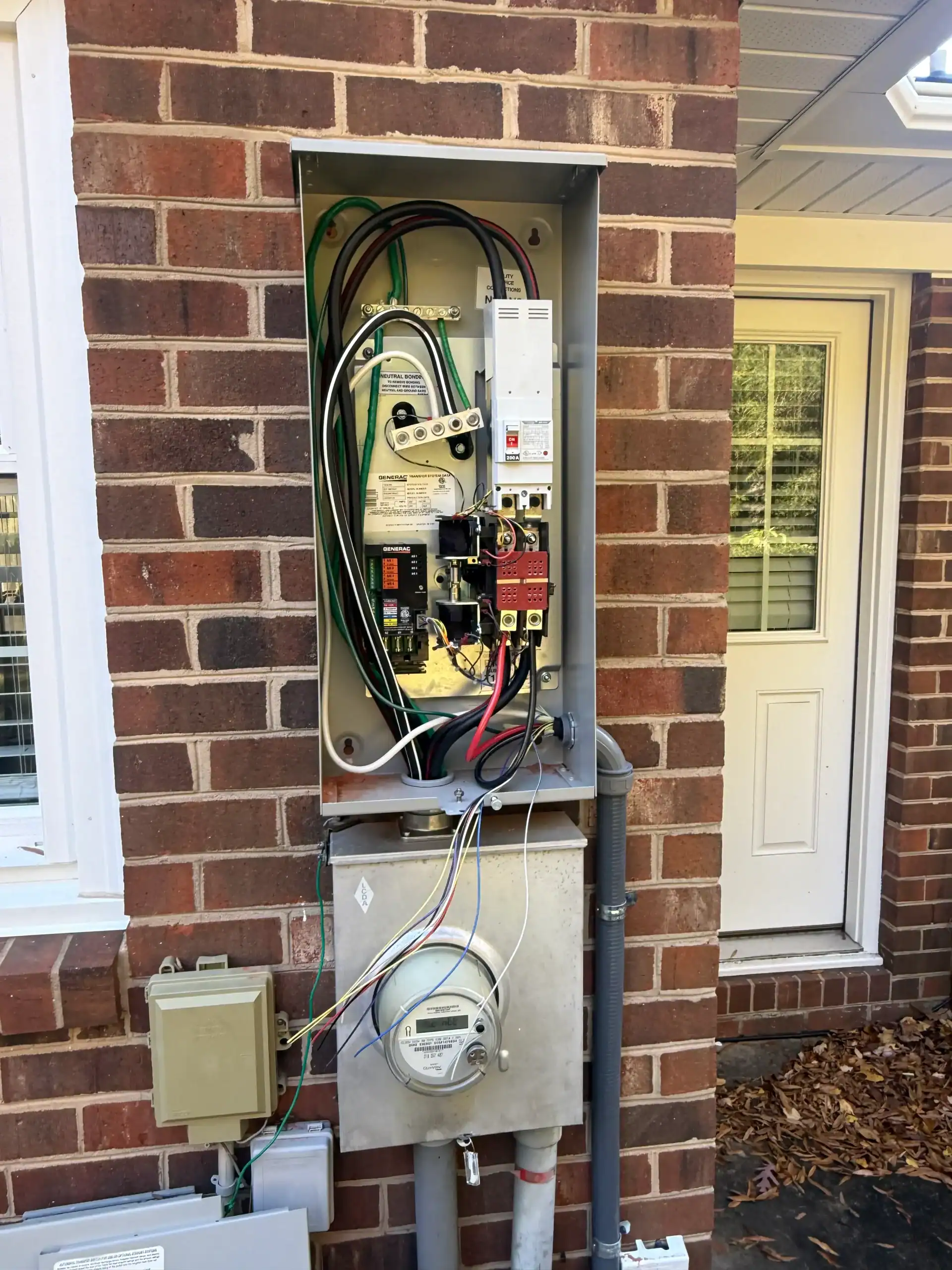
First, a licensed electrical contractor pulls a permit from the local inspection department. In NC, that’s required by law before any permitted electrical work begins — no exceptions. Then the utility has to disconnect power at the meter so the work can be done safely. The electrician replaces the meter socket or enclosure, makes sure everything meets current code, and then a certified electrical inspector has to approve the work before the utility will reconnect power.
That last part is worth sitting with. The power doesn’t come back on until the inspection passes. Not after the electrician finishes — after the inspector signs off. That’s why it matters enormously that the work is done right the first time, with the correct equipment, installed to code.
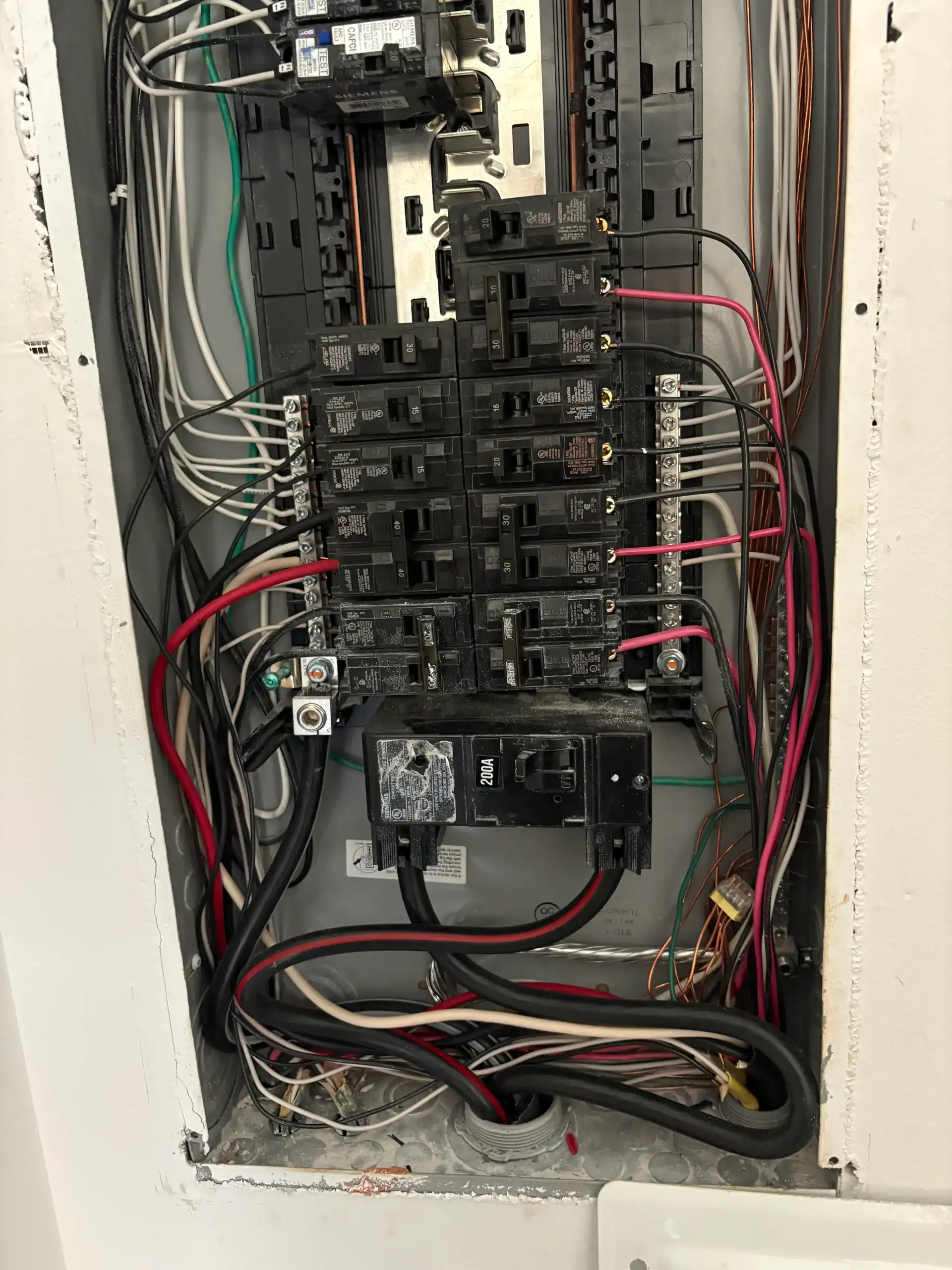
The whole job typically takes somewhere between four and eight hours, depending on the scope. If the service needs to be upgraded at the same time — say, from 100-amp to 200-amp service — the timeline and complexity increase. But for a straightforward meter box replacement on an existing service, most jobs are completed in a single visit when the contractor is prepared.
One thing that surprises a lot of homeowners: the utility doesn’t do this work for you. Duke Energy and Piedmont EMC will disconnect and reconnect the service, but the meter socket replacement itself is the homeowner’s responsibility, performed by a licensed contractor. Calling the utility to ask them to fix your meter box will get you a polite explanation that it’s not their equipment to repair.
The tricky thing about a failing meter box is that it doesn’t always announce itself dramatically. Sometimes the signs are subtle enough that homeowners dismiss them for months before something forces the issue.
Flickering or dimming lights — especially when high-draw appliances like an air conditioner, electric dryer, or well pump kick on — can point to a problem at the meter connection rather than inside the house. Visible corrosion, rust, or physical damage on the outdoor enclosure is a clearer signal. If you’ve had storm damage, a tree limb strike, or even just decades of Alamance County humidity working on an older enclosure, the exterior might look rough while the connections inside are worse.
What’s less obvious is that the box can look perfectly fine from the street and still have serious problems at the connections inside. We’ve seen both ends of that spectrum — boxes that looked rough but just needed a weatherproof seal, and boxes that appeared intact but had deteriorated connections that were quietly causing problems.
Home inspectors flag meter boxes fairly often during real estate transactions in Alamance County, and if you’re planning to add a major load to your home — an EV charger, a whole-home generator, a new HVAC system, or a home addition — an electrician should evaluate your existing service before that work begins. Adding a 240-volt, 80-amp EV charger line to a home still running on 100-amp service isn’t just a meter box question; it’s a service capacity question. The meter box and the service upgrade often go hand in hand.
If your home was built between the 1940s and the 1970s and the electrical system has never been significantly updated, there’s a reasonable chance the meter base hasn’t been touched since the house was wired. That’s worth a professional look, not because electrical work is inherently scary, but because an aging meter base in Alamance County’s humid climate and summer heat cycles is a component that earns its inspection.
Want live answers?
Connect with a Electrical Service Providers expert for fast, friendly support.
This is the part that national cost guides and generic electrician websites can’t help you with — because it’s specific to Alamance County, and it depends entirely on which utility serves your address.
Burlington proper is generally served by Duke Energy, which operates out of a local office on North Church Street. Much of the surrounding Alamance County — rural areas, parts of Mebane’s outskirts, communities near the Orange County line — falls under Piedmont Electric Member Corporation, a nonprofit electric cooperative that serves about 31,000 consumers across six counties including Alamance.
These are not interchangeable. They have different ownership structures, different rate schedules, and different technical requirements for meter box work.
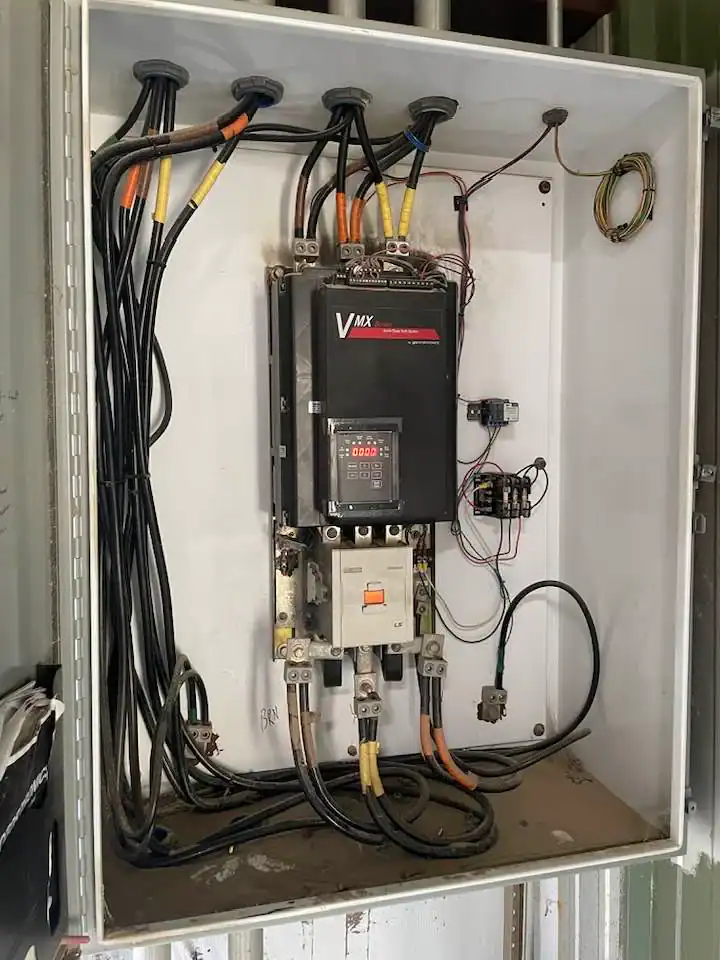
If your home is served by Duke Energy, there’s a specific equipment requirement that your electrician needs to know about — and that a lot of homeowners have never heard of.
Since January 1, 2016, all newly installed or upgraded meter sockets in Duke Energy Carolinas and Duke Energy Progress territories must be on the Meter Equipment Group’s approved list, commonly called MEG-approved sockets. If you’re replacing your meter base or upgrading your service in Duke Energy territory, the meter socket used has to be on that approved list. Not every socket available at an electrical supply house qualifies. An electrician who isn’t current on Duke Energy’s requirements might install a socket that looks fine and meets the NEC — but still doesn’t meet Duke Energy’s specifications, which creates problems at the reconnect stage.
The coordination process with Duke Energy also requires advance scheduling. The utility needs to disconnect power before the work begins, and they need to be notified so they can schedule the reconnect after inspection. That process takes planning. When a contractor handles it regularly — as we do across Burlington and the surrounding Alamance County ZIP codes — the scheduling tends to go smoothly. When it’s not handled proactively, homeowners can find themselves waiting longer than expected for power to be restored.
It’s also worth knowing that Duke Energy’s service requirements aren’t static. They publish a service requirements manual that covers metering specifications, generator feed-through feeders, and service voltages. A licensed electrician working in Duke Energy territory stays current on those requirements as a baseline part of the job.
If your address falls in Piedmont EMC territory — which covers rural and suburban portions of Alamance County, including areas around Haw River, parts of Mebane, and communities near the county’s edges — the process for meter box replacement and new electric service installation runs through the cooperative rather than Duke Energy.
Piedmont EMC is a member-owned nonprofit, which means the relationship between the utility and the homeowner works a little differently than with an investor-owned utility. The cooperative still requires coordination for disconnect and reconnect, and they have their own specifications for service entrance equipment. But the process for getting work approved and power restored goes through Piedmont EMC’s service department rather than Duke Energy’s.
For Piedmont EMC members in Alamance County considering a service upgrade, there’s an additional layer of context worth understanding. The cooperative’s average monthly residential bill runs notably higher than the NC state average — which makes metering accuracy and electrical efficiency real financial concerns, not just technical ones. If your meter base has deteriorated connections or is running inaccurately, that’s not just a safety issue; it can affect how your usage is recorded.
New electric service installation — for a detached garage, an ADU, a barn, or any structure that’s never had utility service — also runs through the cooperative for members in Piedmont EMC territory. The process involves a service application, a site inspection by the cooperative, and coordination on the point of connection before a licensed electrician can complete the customer-side installation. We’ve handled this process for property owners across Alamance County and know what each utility needs to move the project forward without unnecessary delays.
If you’re not sure which utility serves your address, the simplest way to find out is to check your electric bill — the utility’s name will be on it. If you’re still not certain, we can help you figure it out before we even schedule an appointment.
The utility territory question is just one part of what makes meter box work in Alamance County different from what a national cost guide can prepare you for. The permit process, the inspection requirement, the MEG-approved socket standard in Duke Energy territory, the coordination with Piedmont EMC for cooperative members — these are the details that determine whether a job goes smoothly or turns into a drawn-out headache.
We’ve been doing this work in Burlington, Graham, Mebane, Elon, Gibsonville, and the surrounding Alamance County communities since 2002. We know the local utilities, the local inspection departments, and the aging housing stock that makes up a significant portion of Alamance County’s homes. When we give you a price before the job starts, that price doesn’t change. When we pull the permit and coordinate the utility disconnect, we handle it — you don’t have to manage that process yourself.
If you have questions about your meter box, your service capacity, or which utility serves your address, reach out to ESP Electrical Service Providers. A real person will answer.
Article details:
Share:
Continue learning: