Your generator worked during the last storm. That doesn't mean it's ready for the next one. Here's what to do now, before you need it again.
Share:
Summary:
The storm passed. Your generator ran. You made it through. That’s a win — and it’s easy to move on and forget about it until the next one rolls in off the coast.
But here’s what most homeowners in Alamance County don’t realize: the generator that just ran for 18 hours straight is the one most likely to fail during the next outage. Extended operation puts real stress on the oil, the battery, the fuel system, and the transfer switch. None of that shows up on the outside. The unit looks fine. It might even start up fine on its weekly test cycle. And then, when Duke Energy cuts out again and you actually need it, something gives.
This guide covers what to check, what to watch for, and when to call someone — so you’re not making that discovery at the worst possible moment.
Post-storm generator maintenance isn’t just an oil change. It’s a full system check — and the scope of that check depends on how hard your generator worked during the outage.
If your standby unit ran for several hours during a summer thunderstorm, the checklist looks different than if it ran continuously for two or three days after a major system came through. Tropical Storm Helene in 2024 and Hurricane Florence back in 2018 both caused multi-day outages across the NC Piedmont, including significant stretches without power in the more rural parts of Alamance County — areas west of Burlington toward Haw River and Ossipee, where Duke Energy restoration timelines tend to run longer. For homeowners in those areas who ran their generators hard, a post-storm inspection isn’t optional maintenance. It’s necessary upkeep.
The short version: if your generator ran for 24 hours or more, the oil needs to be checked and may need to be changed ahead of schedule. That’s not a suggestion — it’s the threshold at which extended operation starts to degrade oil faster than the normal service interval accounts for.

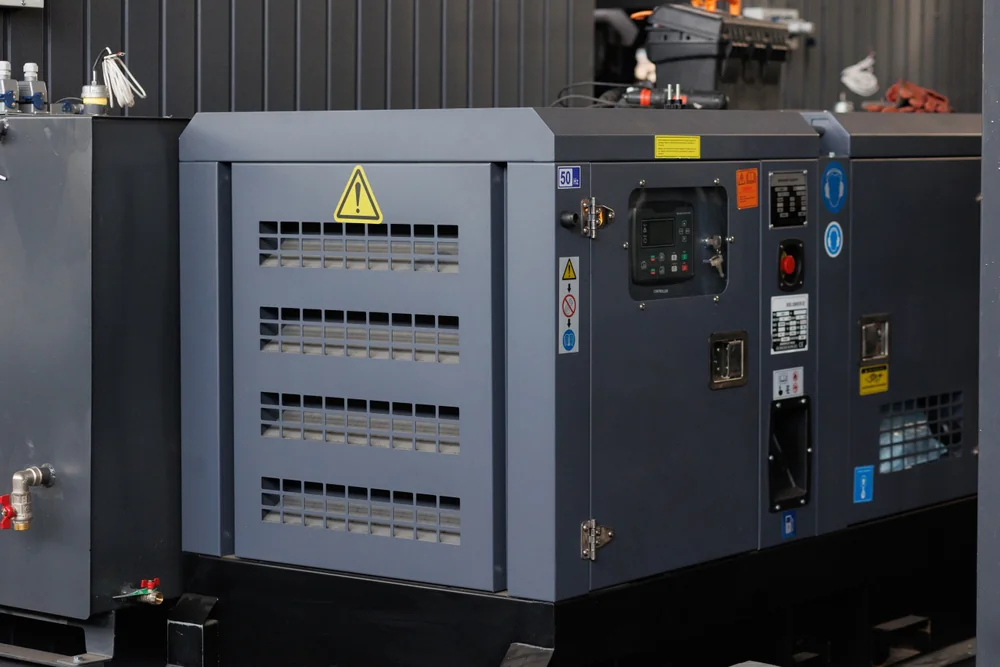
Start with what you can see. Walk around the unit and look for debris blown against the enclosure, anything blocking the vents or exhaust, and any signs of rodent or insect activity. Storms push all kinds of material against outdoor enclosures, and blocked airflow is one of the faster ways to cause overheating problems you won’t notice until the next run cycle.
Check the oil level. If the generator ran for less than 24 hours, you may just need to top it off. If it ran longer than that, the oil may need to be changed entirely — not because it looks dirty, but because extended run time breaks down the oil faster than normal operation does. This is one of the most commonly skipped steps, and it’s one of the most consequential.
Next, verify that the unit returned to “Auto” mode after the outage ended. A generator that’s sitting in “Manual” or “Off” mode won’t respond to the next power loss automatically, and most homeowners don’t discover that until the lights go out again.
The battery deserves attention too. Generator batteries don’t get the same kind of regular charging that a car battery does, and they’re one of the most common reasons a standby unit fails to start. Extended storm operation followed by a period of sitting idle is exactly the condition that accelerates battery degradation. A battery that’s more than three years old and hasn’t been load-tested recently is worth having checked.
Finally, look at the control panel. Many modern standby generators log fault codes and alarm events. If anything unusual happened during the storm run — a low oil pressure event, a high temperature warning, a brief shutdown and restart — it may be recorded there even if the unit appears to be running normally now. A technician can pull that history and tell you whether anything in the log warrants further investigation.
This is the scenario that confuses homeowners more than almost anything else in the generator world. The engine starts. It’s running. You can hear it. But nothing in the house comes on. The refrigerator stays dark, the lights don’t come back, and you’re standing there wondering what went wrong.
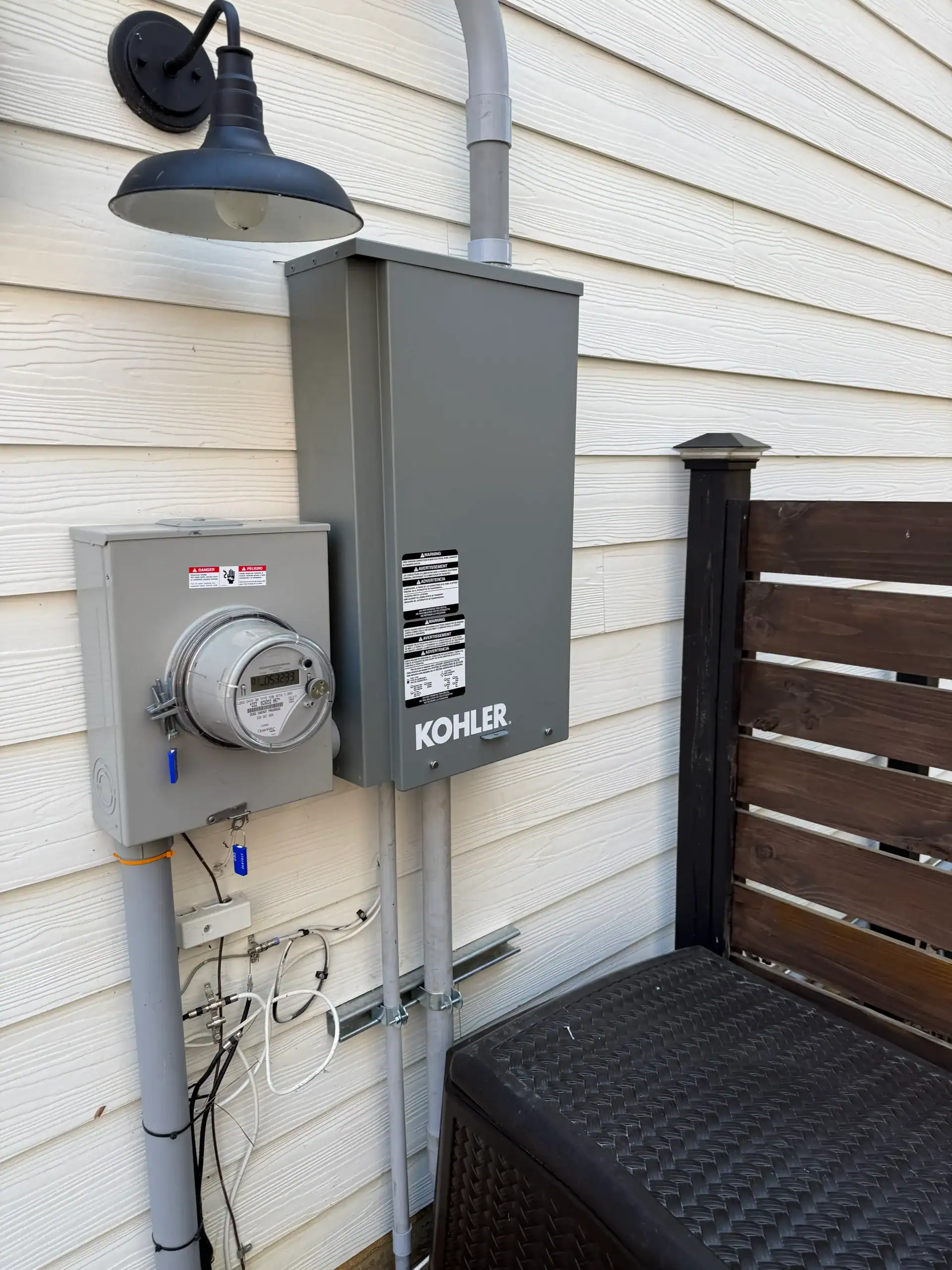
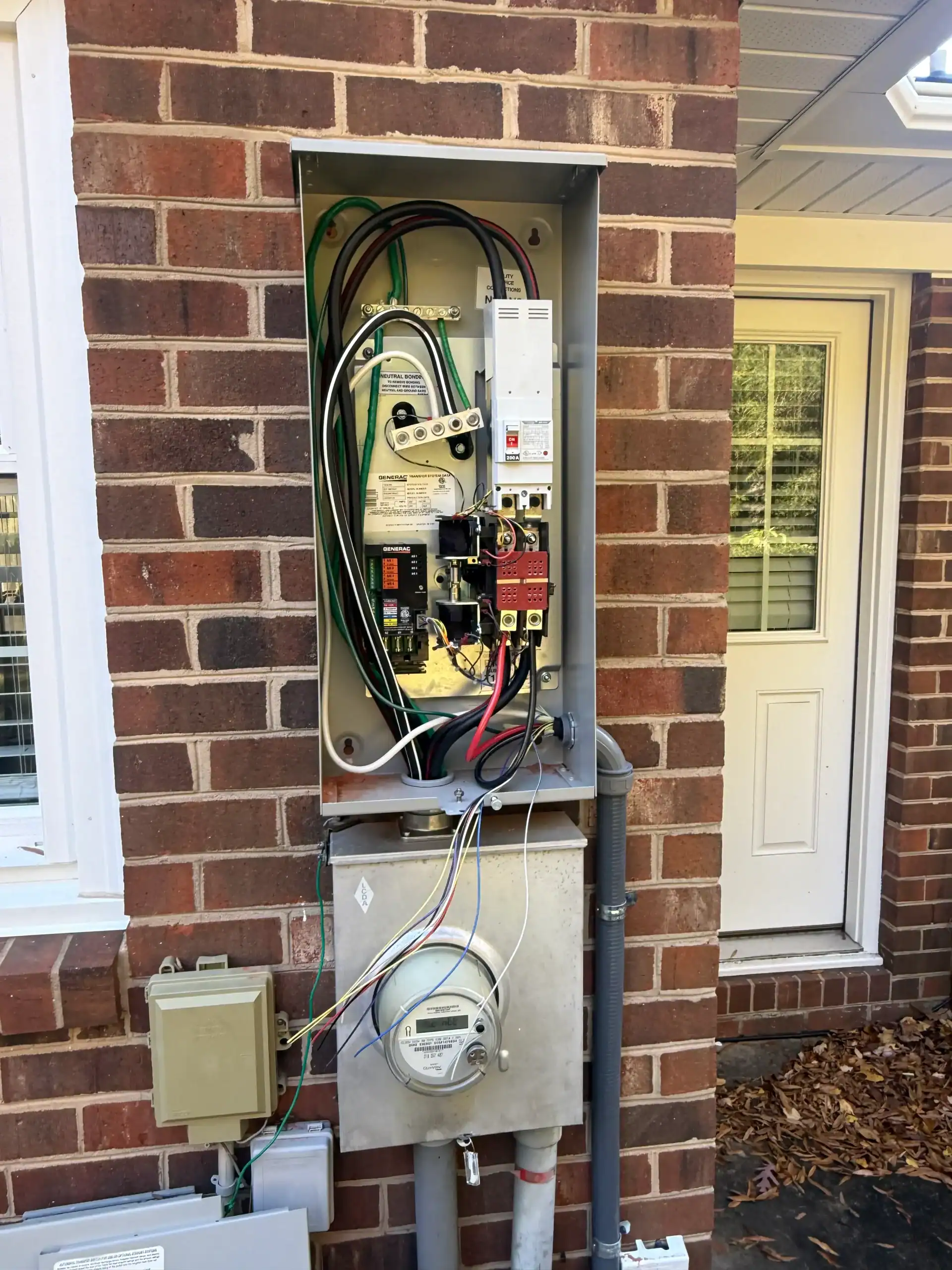
The answer, most of the time, is the transfer switch — specifically, the automatic transfer switch, or ATS. This is the component that sits between your generator and your home’s electrical panel, and its job is to detect when utility power has been lost and automatically reroute power from the generator into your home. If the ATS fails, the generator can run perfectly and still deliver nothing to the house. The two systems never connect.
Transfer switches are actually the most common failure point in a standby generator system. They’re exposed to the same weather conditions as the rest of the unit, they handle significant electrical load, and they don’t get tested the way the generator engine does. The weekly exercise cycle your generator runs checks whether the engine starts — it doesn’t put the transfer switch through a real load test under actual outage conditions.
Post-storm is exactly when ATS problems surface. The switch may have worked fine during the storm but developed a fault under the sustained load, or it may have been marginal for a while and the storm run finally pushed it over the edge. Either way, the symptom is the same: generator running, house dark.
Diagnosing and repairing a transfer switch isn’t a DIY job. It involves live electrical work at the panel, and it requires both generator certification and a licensed electrician — which is a combination that not every generator service provider in Alamance County actually holds. We’re factory-authorized for Generac and Briggs & Stratton systems and hold our NC electrical contractor license, which means we can diagnose both sides of the problem — the generator and the electrical connection to your home — without calling in a second contractor.
Want live answers?
Connect with a Electrical Service Providers expert for fast, friendly support.
Portable generators have their own post-storm checklist, and the most important item on it is the fuel.
Gasoline starts to degrade in as little as 30 days without a fuel stabilizer added. If you pulled your portable generator out of the garage, ran it through the storm on fuel you’d been storing since spring, and then put it back — there’s a real chance that fuel is already past the point where it’s doing the carburetor any favors. Stale fuel is the number one reason portable generators won’t start the next time they’re needed, and it’s the reason most people don’t figure out until they’re standing in a dark driveway in the middle of the next storm.
Beyond the fuel, the post-storm checklist for a portable unit covers the same core items as a standby: oil level, air filter, spark plug condition, and a visual inspection for any damage from being operated in wet or windy conditions.
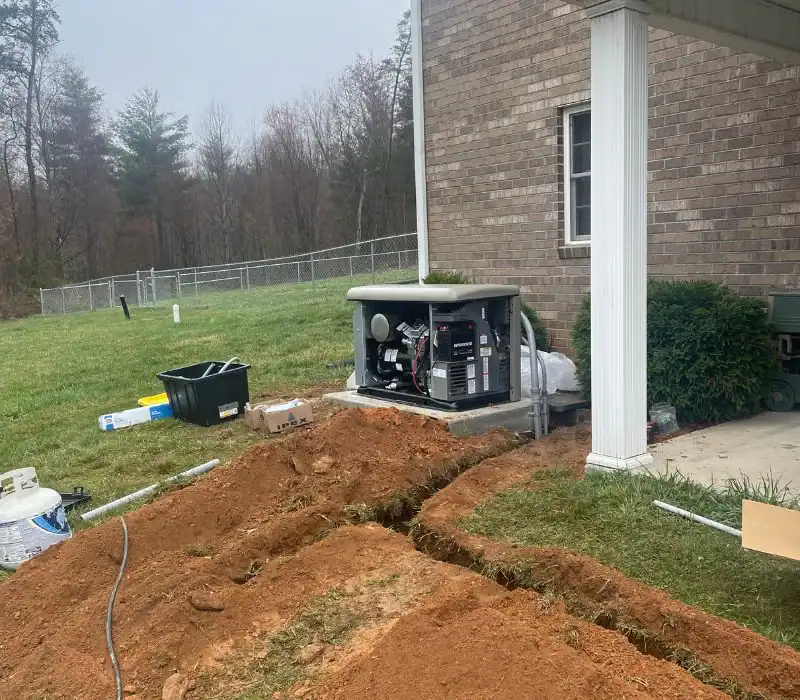
If you’re putting your portable generator away after storm season, the goal is to make sure it starts reliably the next time you need it — which could be eight or nine months from now.
The most important step is dealing with the fuel before you store it. You have two options: run the carburetor dry by letting the engine run until it shuts off from fuel starvation, or add a quality fuel stabilizer to a full tank and run the engine for a few minutes to circulate it through the system. Either approach prevents the gum and varnish deposits that stale fuel leaves behind in the carburetor — deposits that are the primary cause of a generator that cranks but won’t fire.
Change the oil before storage, not when you pull it back out in the spring. Fresh oil going into storage means the engine isn’t sitting for months with combustion byproducts breaking down the lubricant. Check the air filter and replace it if it’s dirty. Inspect the spark plug and replace it if there’s any fouling or visible wear. These are all things a mechanically inclined homeowner can do, and doing them in the fall means the generator is genuinely ready in the spring rather than needing service right when demand is highest.
Store the unit somewhere dry, off the ground if possible, and covered to keep moisture and pests out of the enclosure and exhaust. Rodent nests in the exhaust system are more common than people expect, and they can cause a generator to overheat or shut down immediately on startup.
One thing worth having a professional do before long-term storage: a load test. Running the generator under actual load — not just at idle — confirms that the engine, the alternator, and the control system are all performing within spec. It’s the difference between knowing your generator is ready and just hoping it is.
There’s a line between maintenance and repair, and it’s worth knowing where it is before you spend an afternoon trying to fix something that needs a professional diagnosis.
Routine maintenance — oil changes, air filter swaps, spark plug replacement, fuel treatment — is within reach for most homeowners who are comfortable with basic small engine work. But if the generator starts and runs rough, shuts down under load, throws a fault code, produces voltage that’s inconsistent or too low, or simply won’t start despite fresh fuel and a good spark plug, those are repair-territory symptoms. Chasing them without the right diagnostic equipment usually means replacing parts that aren’t the problem while the actual cause stays in place.
Generator repair after a storm is also where the question of brand certification starts to matter. A technician who’s factory-trained for your specific brand has access to manufacturer diagnostic software, technical service bulletins, and genuine parts — and they know the failure patterns that are common to that platform. A Generac unit that was running hot during an extended storm run, for example, has a specific set of components that are more likely to have been affected, and a factory-authorized technician knows where to look first.
We’ve been doing generator repair in Alamance County for over 20 years. We’re factory-authorized for Generac and Briggs & Stratton, certified for Kohler systems, and we carry parts on the truck — which means most repairs don’t require a second visit. If your generator came through the storm with a problem you can’t pin down, a professional diagnosis is going to save you time and money compared to guessing at parts.
If your generator ran hard during the last storm and you haven’t had it serviced since it was installed, post-storm is the right time to address that. Not because something is definitely wrong, but because you now have direct evidence of how the system performs under real load — and any weakness in the oil, the battery, the fuel system, or the transfer switch is going to show up in a professional inspection before it shows up as a failure during the next outage.
Late summer in the NC Piedmont is not the time to be figuring out whether your generator is ready. Storm season peaks in August and September, and the window between one storm passing and the next one forming can be short. A generator that just ran hard is also one that’s carrying more wear than it was before — and that wear doesn’t announce itself.
The checklist here covers the basics, but the honest answer is that a post-storm inspection by a qualified technician covers things a homeowner simply can’t check without professional equipment: battery load testing, transfer switch verification, fuel system condition, and a full load test that actually confirms the system will perform when it counts.
If your generator ran during a recent storm and you haven’t had it looked at, or if it ran but the house never got power, reach out to us at ESP Electrical Service Providers. We’re based in Burlington and serve Alamance County and the surrounding area. Real people answer our phones, we carry parts on the truck, and we don’t start work until you know exactly what it’s going to cost.
Article details:
Share:
Continue learning: