Buying smart home devices is the easy part. Figuring out who should actually install them — and why it matters — is where most homeowners get stuck.
Share:
Summary:
You bought the smart switch. Watched the YouTube tutorial. Turned off the breaker, pulled the old switch out of the wall — and then stopped cold. No neutral wire. Just two wires where there should be three, and a smart switch that won’t work without the third one.
This is the moment most homeowners in Alamance County realize that smart home installation is a different animal than they expected. It’s not just about swapping devices. It’s about what’s already inside your walls — and whether the person you hire can legally and competently deal with both sides of the job. That’s what this guide is about. If you’re unsure about the wiring or run into an unexpected electrical issue, professional electrical troubleshooting can help identify what needs to be addressed.
Most people think of smart home installation as a device problem. You buy a smart thermostat, a video doorbell, a set of smart switches — and someone comes out and installs them. Simple enough.
What that picture misses is the layer underneath the devices: the electrical infrastructure those devices depend on. Panel capacity, dedicated circuits, proper wiring, code-compliant connections — none of that shows up in the product box, and none of it is optional.
When the infrastructure isn’t right, the devices either don’t work, work inconsistently, or create a safety problem that a future home inspector is going to find. Smart home installation, done correctly, is really two jobs in one. And the professionals who handle those two jobs are not always the same person.
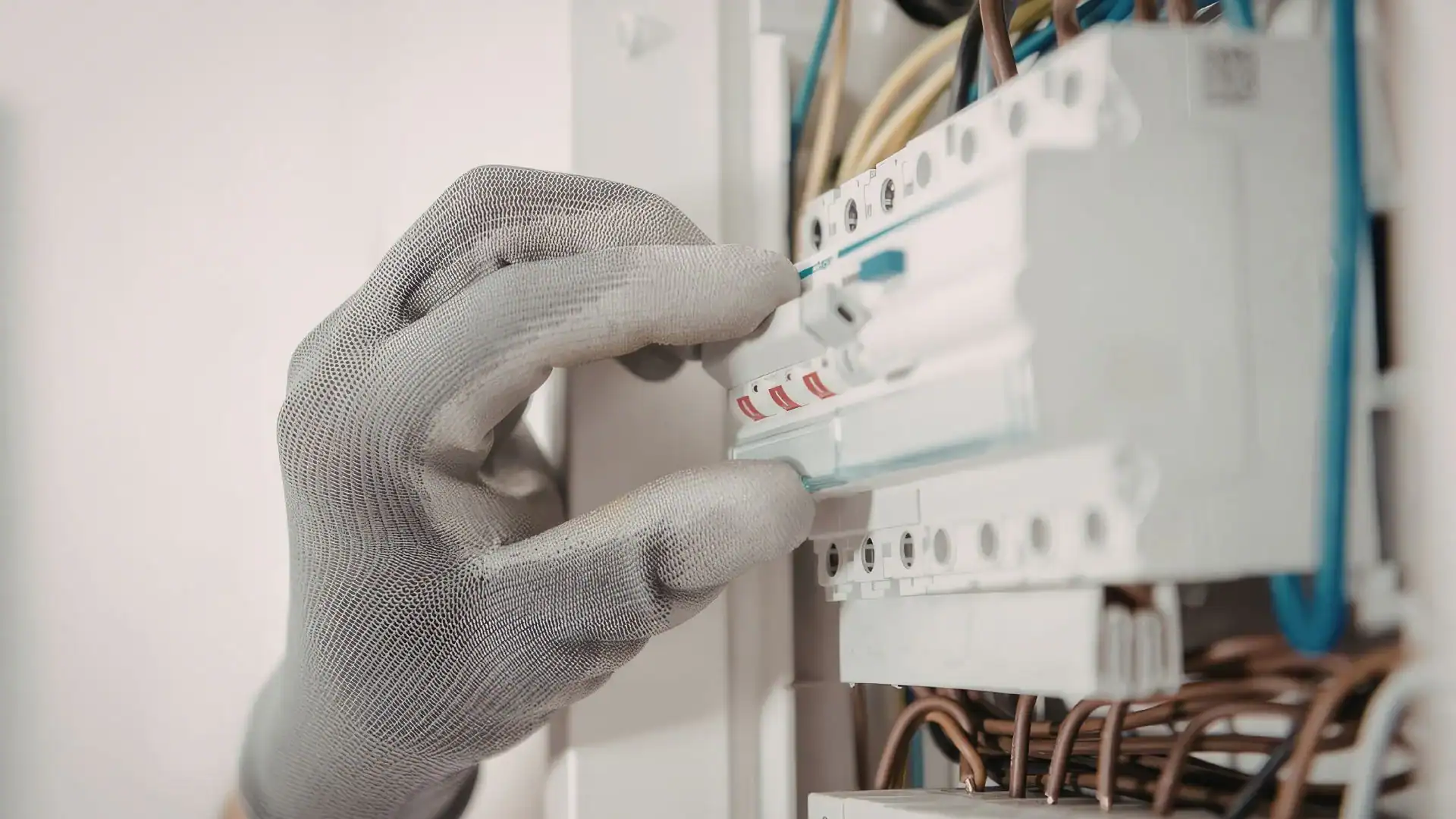
Here’s how the smart home industry is actually structured. There’s the electrical infrastructure layer — the 120V and 240V work that powers everything. Panel assessments, dedicated circuits, load calculations, surge protection, and the physical wiring that runs through your walls. In North Carolina, this work requires a licensed electrical contractor. It cannot legally be performed by someone who doesn’t hold that license, regardless of how tech-savvy they are.
Then there’s the device and integration layer — the smart switches, thermostats, structured cabling, security cameras, and AV components that make up the actual “smart home” experience. This work is typically handled by a low voltage technician or a home technology integrator. In North Carolina, low voltage systems are defined as wiring operating at 50 volts or less. The NC State Board of Examiners of Electrical Contractors issues a separate Special Restricted Fire Alarm/Low Voltage license for this work — it’s its own track, not something every electrician or tech installer automatically holds.
The problem most homeowners run into is hiring one type of professional when the job actually requires both. A low voltage tech can connect your smart devices beautifully and still leave the underlying electrical work untouched — because they’re not licensed to touch it. An electrician without smart home experience can run the circuits correctly and have no idea how to configure your devices or plan your system for future expansion.
When those two halves of the job aren’t coordinated, you end up with a system that’s either incomplete, non-compliant, or both. Service companies have reported a 73% increase in calls related to failed smart home installations, with the average cost to fix those installations running around $3,200 per home. That’s not a small number for what most people assume is a straightforward upgrade.
The cleanest solution — and the one that eliminates the coordination problem entirely — is finding a licensed electrician who also has genuine smart home expertise. Someone who can assess your panel, run the circuits, install the devices, and make sure everything works together without you having to manage two separate contractors.
If you live in Burlington, Graham, Haw River, Mebane, or any of the older neighborhoods throughout Alamance County, there’s a specific issue worth knowing about before you buy a single smart switch: the neutral wire.
Most modern smart switches require three wires at the switch box — a hot wire, a ground, and a neutral. The neutral wire completes the circuit and allows the switch to draw the small amount of power it needs to stay connected to your network even when the light is off. Without it, the switch either won’t function at all or will flicker and buzz constantly.
Here’s the catch. Many homes built before the 1990s — and a significant portion of Alamance County’s housing stock falls into this category, particularly the mill-era homes in Burlington and Graham built for textile workers in the 1940s through 1970s — were wired without neutral wires at switch locations. Electricians of that era had no reason to include them. The switches didn’t need them.
So you pull your old switch off the wall, look inside the box, count two wires, and realize you’ve got a problem that no YouTube tutorial prepared you for. At that point, you don’t need a low voltage tech. You need a licensed electrician who can run new wiring to that box — and who understands both why the neutral wire matters and how to get it there without tearing up half your wall.
This is exactly the kind of retrofit work that separates smart home installation in existing Alamance County homes from new construction. New builds are wired with smart devices in mind. Older homes weren’t. The work is more complex, the surprises are more common, and the person you hire needs to be experienced with what they’re likely to find inside walls that have been closed for 40 or 50 years.
Want live answers?
Connect with a Electrical Service Providers expert for fast, friendly support.
The question isn’t really “electrician or low voltage tech” — it’s “who can handle everything this job actually requires?” For most smart home projects in existing homes throughout Alamance County, that means finding someone whose credentials cover both the electrical infrastructure and the device layer.
In North Carolina, the licensing framework matters. A Master Electrician license — the highest classification issued by the NCBEEC — carries no project value or voltage limitations. It covers the full scope of electrical work, including the infrastructure that smart home devices depend on. A low voltage license covers the device layer but not the line-voltage work underneath it. Knowing which credential your installer holds tells you a lot about what they can and can’t legally do on your project.
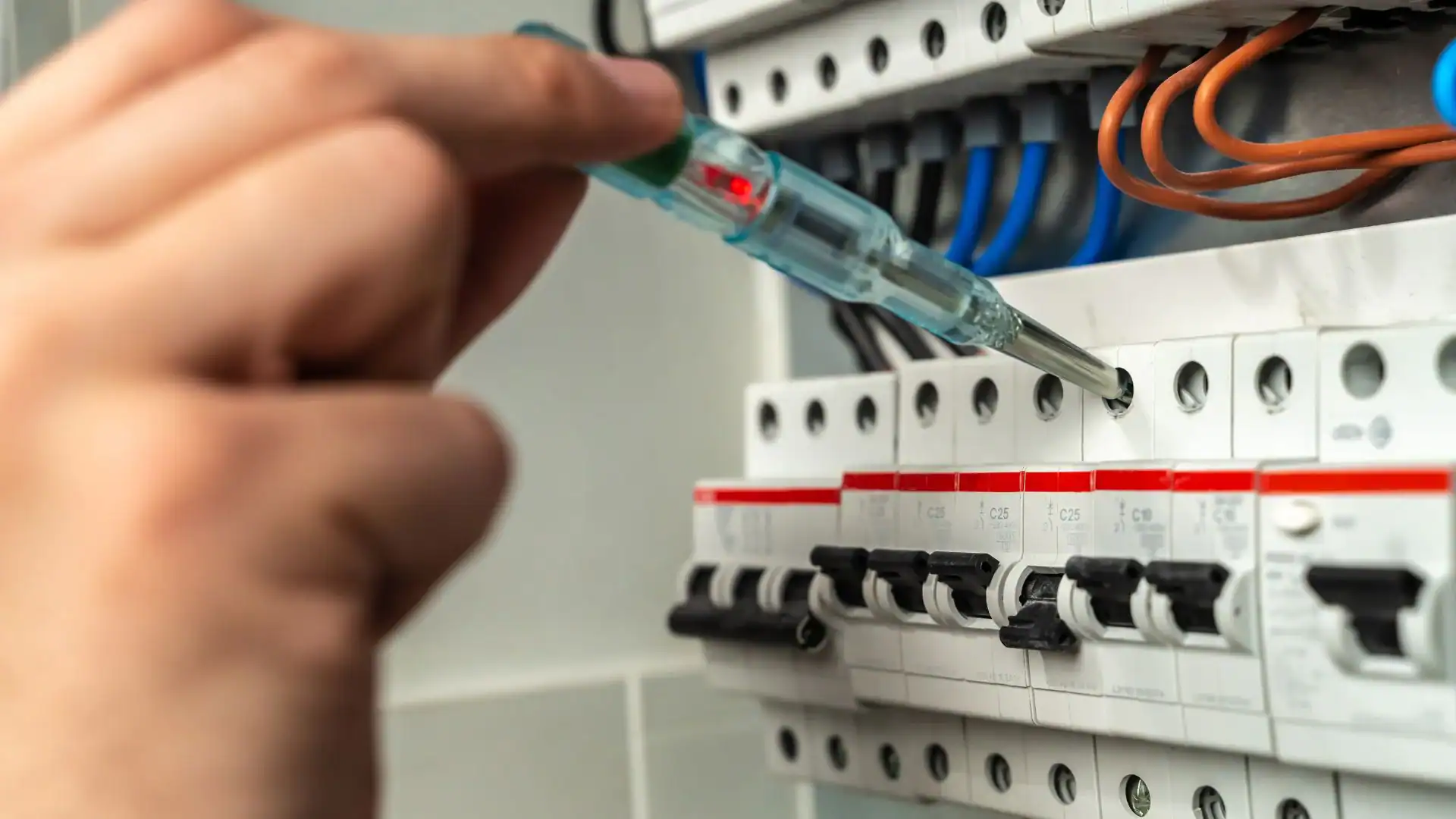
Before you commit to anyone for smart home installation work, a few direct questions will tell you most of what you need to know.
Start with licensing. Ask specifically whether they hold a license issued by the NC State Board of Examiners of Electrical Contractors, and what type. “Licensed” is a word that gets used loosely in the home services industry — some installers use it to mean they’re registered with a trade association, not that they hold a state-issued electrical contractor license. There’s a meaningful difference, especially when the work involves your panel, your circuits, or anything that requires a permit and inspection.
Ask whether they’ll pull permits for the work. Smart home upgrades that involve panel changes, dedicated circuit additions, or EV charger wiring require permits in most North Carolina jurisdictions. A professional who skips permits isn’t saving you time — they’re creating a problem you’ll deal with when you sell the house or file an insurance claim.
Ask about their experience with existing homes specifically. Retrofit smart home work is genuinely different from new construction. An installer who primarily works on new builds may not have much experience with the wiring surprises that come with homes built in the 1970s or 1980s — and Alamance County has plenty of those. You want someone who’s been inside enough older walls to know what they’re likely to find before they open anything up.
Finally, ask how they price the work. Hourly billing in a project with unknown scope — like a smart home retrofit in an older home — creates real financial uncertainty. A flat-rate quote, given in writing before work begins, tells you exactly what you’re paying regardless of how long the job takes.
Eastern Alamance County — particularly Mebane along the I-40/I-85 corridor — has seen significant residential growth over the past decade, driven largely by Triangle-area workers who wanted more space without the Wake County price tag. Many of those homeowners moved from Durham or Chapel Hill with a clear idea of what they wanted: EV chargers in the garage, smart lighting throughout the house, a thermostat they can adjust from their phone, and security cameras they can check from anywhere.
That demographic is tech-comfortable and knows exactly what they want. What they often don’t know is what their new home’s electrical system can actually support — and whether the panel that was fine for the previous owners is ready for a Level 2 EV charger, a whole-home surge protector, and a dozen smart devices running simultaneously.
We can answer that question definitively. We assess your panel’s current capacity, identify whether you need a dedicated circuit for specific devices, and tell you upfront if there’s infrastructure work that needs to happen before the devices go in. That conversation — the one that happens before you buy anything — is what separates a clean installation from a project that stalls halfway through because the scope wasn’t understood at the start.
Burlington’s typical household energy bill runs around $1,347 per year. A properly installed smart thermostat, combined with smart lighting controls and energy monitoring, can make a real dent in that number. But only if the installation is done right — with the right wiring, the right circuits, and a professional who understands both the device and the electrical system it connects to.
We’ve been doing electrical work in Alamance County since 2002, and the smart home category has changed a lot in that time. What hasn’t changed is the underlying principle: get the infrastructure right first, and the devices work the way they’re supposed to. Get it wrong, and no amount of app troubleshooting fixes it.
The short version: smart home installation involves two layers of work, and the professional you hire needs credentials that cover both. In North Carolina, that means a licensed electrical contractor — ideally a Master Electrician — who also has real experience with smart devices, retrofit wiring, and the specific challenges that come with older homes.
If you’re in Burlington, Graham, Mebane, Elon, or anywhere else in Alamance County, the neutral wire issue is real, the panel capacity question is real, and the licensing distinction matters more than most installers will tell you.
When you’re ready to talk through what your home actually needs — before you buy a single device — we’re a straightforward call away. Real people answer. You’ll get a flat-rate quote before any work begins. And the work passes inspection the first time.
Article details:
Share:
Continue learning: