Thinking about a Briggs & Stratton standby generator? Here's what Piedmont homeowners actually need to know before making a decision.
Share:
Summary:
Power outages in North Carolina’s Piedmont aren’t rare inconveniences anymore. According to the EIA’s 2024 data, the average U.S. electricity customer went without power for roughly 11 hours that year — nearly double the prior decade’s average. In Alamance, Durham, Chatham, Orange, and Guilford counties, that number hits close to home. Ice storms in Burlington, tree strikes in Durham’s older neighborhoods, and the tail end of hurricane season rolling through Greensboro — it adds up. If you’re seriously considering a standby generator, this is the information that actually helps you decide.
Most homeowners who start researching standby generators end up defaulting to Generac simply because it’s the most-marketed brand. That’s understandable — Generac spends heavily on advertising. But defaulting to the loudest brand without comparing the alternatives means you might be leaving real performance and warranty value on the table.
Briggs & Stratton’s PowerProtect line has quietly become one of the strongest options in the residential standby generator market. The technology is genuinely different in ways that matter when your power is out and your air conditioner, refrigerator, and well pump are all trying to start at once.
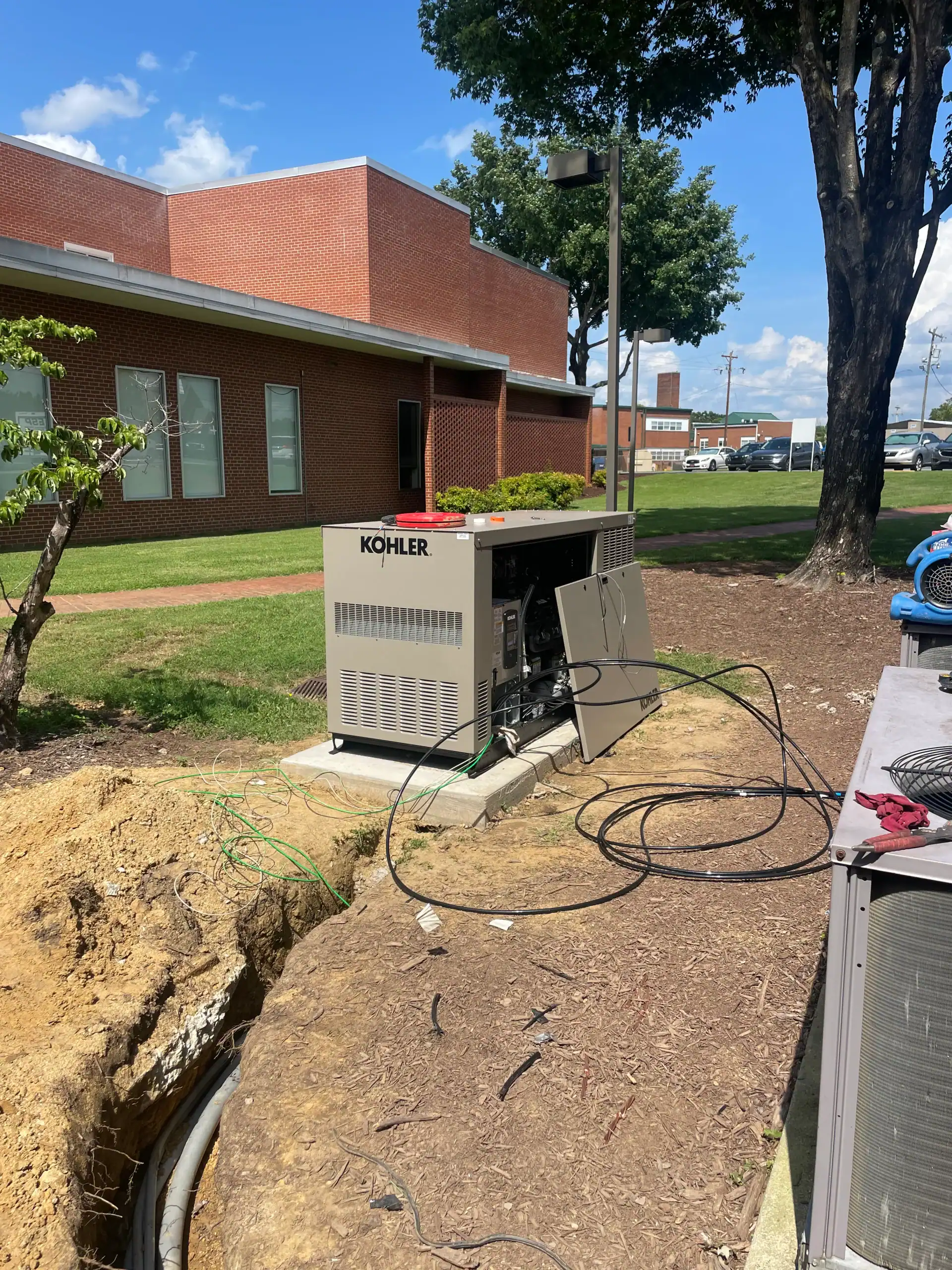
Here’s where the technical side gets interesting — and worth understanding before you buy anything. The 26kW PowerProtect generator delivers 65.6 kVA of motor starting capability. That’s 68% more motor starting power than the leading competitor. Motor starting power matters because large appliances — central air conditioners, well pumps, refrigerators — draw a significant surge of electricity the moment they kick on. A generator that can’t handle that surge will either trip offline or struggle to keep everything running smoothly.
NGMax technology is another differentiator specific to Briggs & Stratton. Most homes in Alamance, Guilford, and Durham counties are connected to natural gas lines, and NGMax is engineered to extract maximum power output from natural gas fuel. That means you’re not sacrificing performance because of your fuel source.
The PowerProtect line now spans 13kW, 18kW, 22kW, and 26kW models, giving homeowners and electrical contractors a real range to work with when sizing a system to a specific home’s load. Sizing matters enormously. A generator that’s too small will drop circuits when demand spikes. One that’s oversized costs more than necessary. A proper load calculation — something we do before recommending any system — determines the right fit for your specific home, not just the closest available unit.
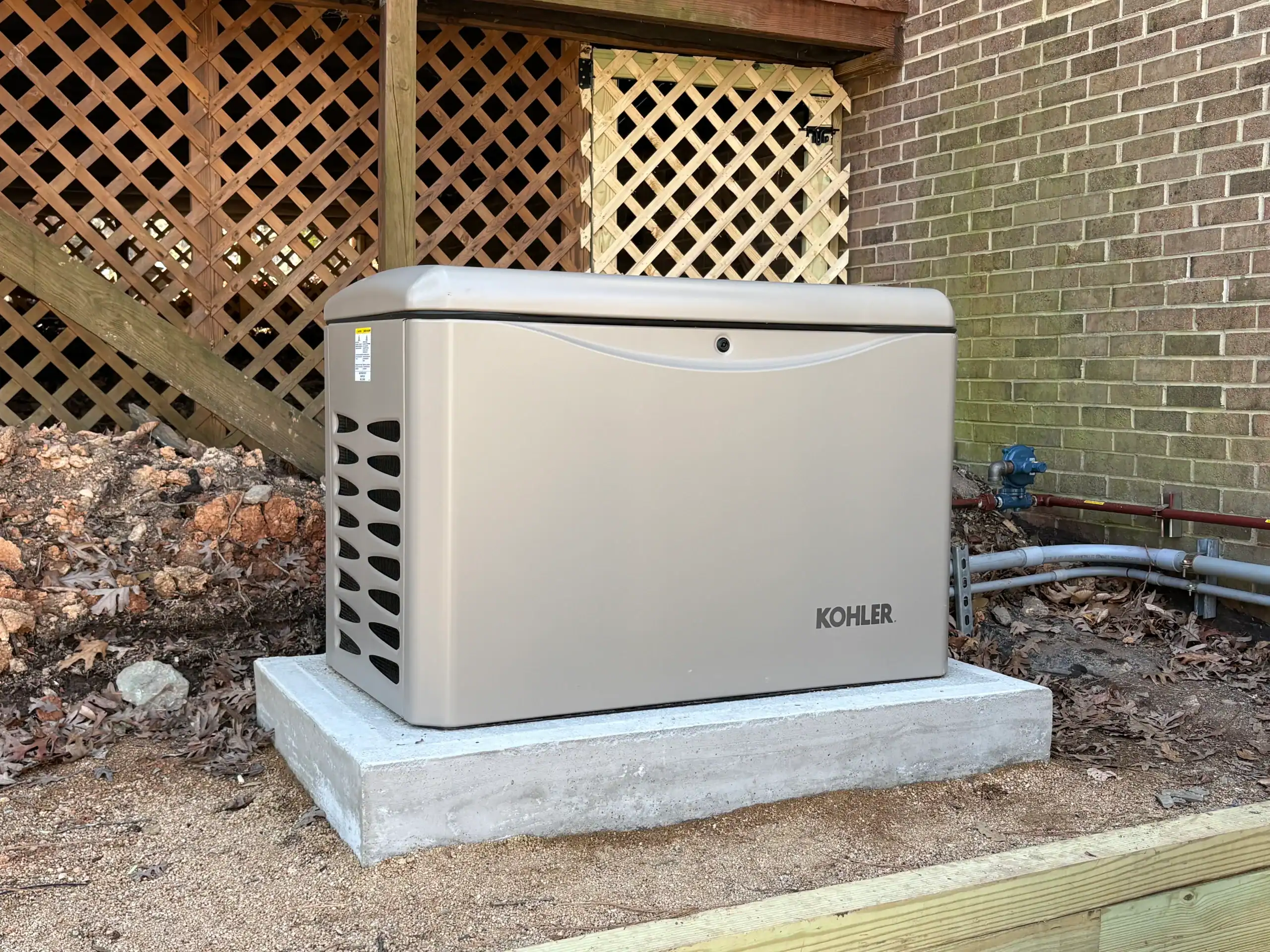
For reference, the 22kW PowerProtect+ model measures 46.5 inches long, 26.8 inches wide, and 28.4 inches tall, and weighs 465 pounds. That’s compact enough to fit within typical lot-line setbacks in most suburban neighborhoods across Greensboro, Chapel Hill, and Burlington without creating HOA headaches — though it’s always worth checking your covenants before purchasing.
Warranty language is where a lot of buyers get burned. They see “six-year warranty” on paper, then discover that travel fees, labor charges, or parts caps eat into the coverage when they actually need a repair. Briggs & Stratton’s warranty structure is built differently, and it’s worth understanding exactly what you’re getting.
The standard PowerProtect warranty runs six years and covers parts, labor, and technician travel. No hidden fees. The PowerProtect+ line extends that to a seven-year standard warranty — currently the longest and most comprehensive standard warranty in the residential standby generator industry. When you purchase through a factory-authorized dealer, a ten-year extended warranty becomes available. That’s a decade of parts, labor, and travel coverage, which is a genuinely significant commitment from the manufacturer.
The catch — and it’s an important one — is that the ten-year warranty is only accessible through an authorized dealer. An installation performed by an unlicensed contractor or someone without factory authorization doesn’t just create safety and permitting risks. It voids the manufacturer warranty entirely. That’s not a technicality buried in the fine print. It’s a real financial exposure that homeowners in Chatham County, where rural service calls already cost more in travel time, should take seriously.
We’re listed as an authorized Briggs & Stratton dealer on the manufacturer’s own dealer locator — verified at briggsandstratton.com for the Piedmont region. That authorization means we can handle warranty claims directly, perform factory-sanctioned service, and unlock the full ten-year coverage for our customers. It also means we’ve met the manufacturer’s training and certification standards — not just claimed we have.
One more feature worth mentioning for homeowners who want visibility into their system: PowerProtect+ generators include built-in EnergyTrak remote monitoring, which lets you check generator status from anywhere, anytime. If you’re traveling and a storm rolls through Greensboro or Hillsborough, you can confirm your home’s backup power is running without making a call.
Want live answers?
Connect with a Electrical Service Providers expert for fast, friendly support.
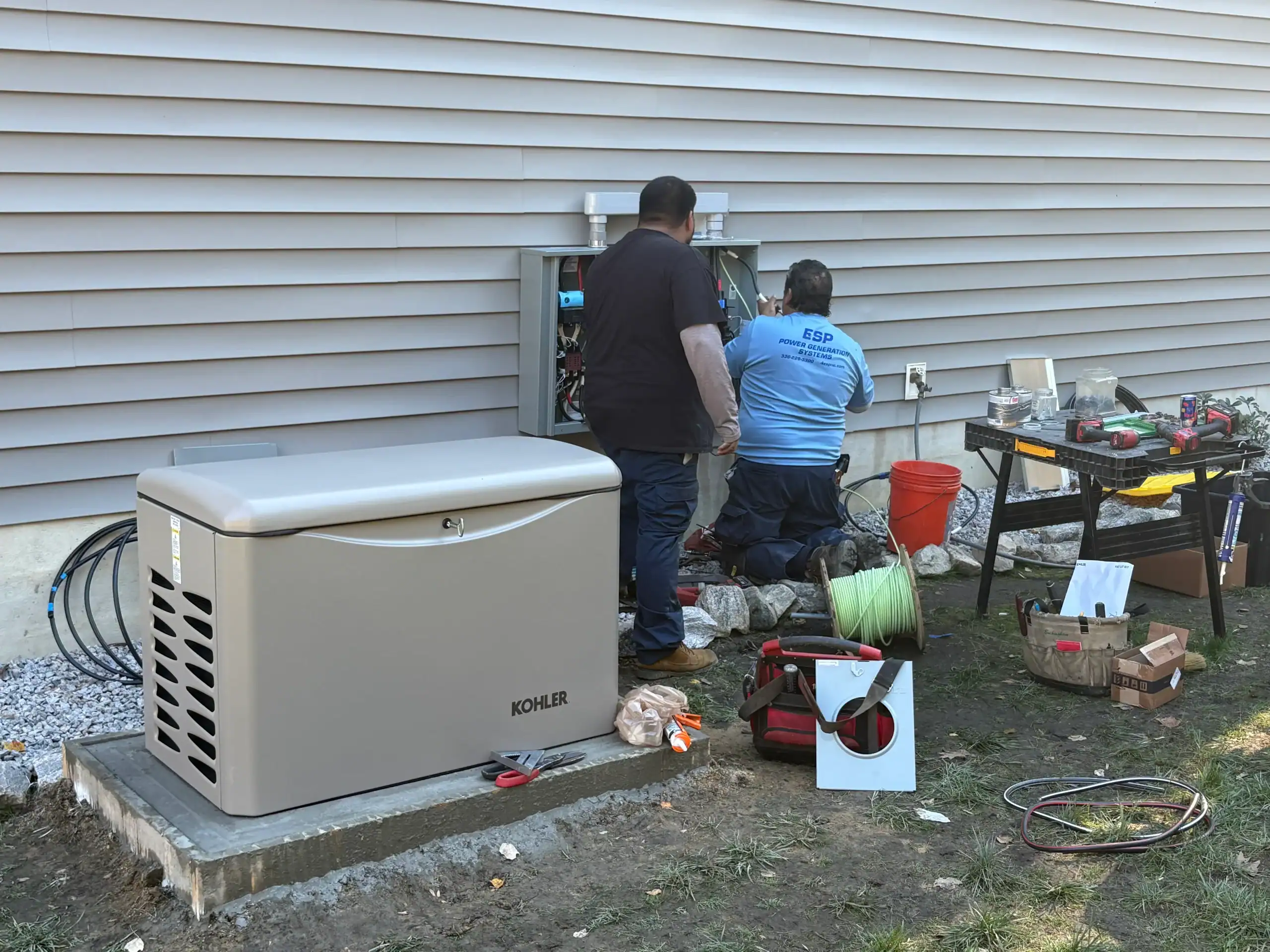
A standby generator is only as reliable as the installation behind it. That’s not a sales pitch — it’s a practical reality that shows up in service calls. We’ve repaired generators across Alamance, Orange, Durham, Guilford, and Chatham counties that were installed by contractors who weren’t factory-authorized, didn’t pull permits, or skipped the load calculation entirely. The homeowner thought they had backup power. They found out otherwise during a storm.
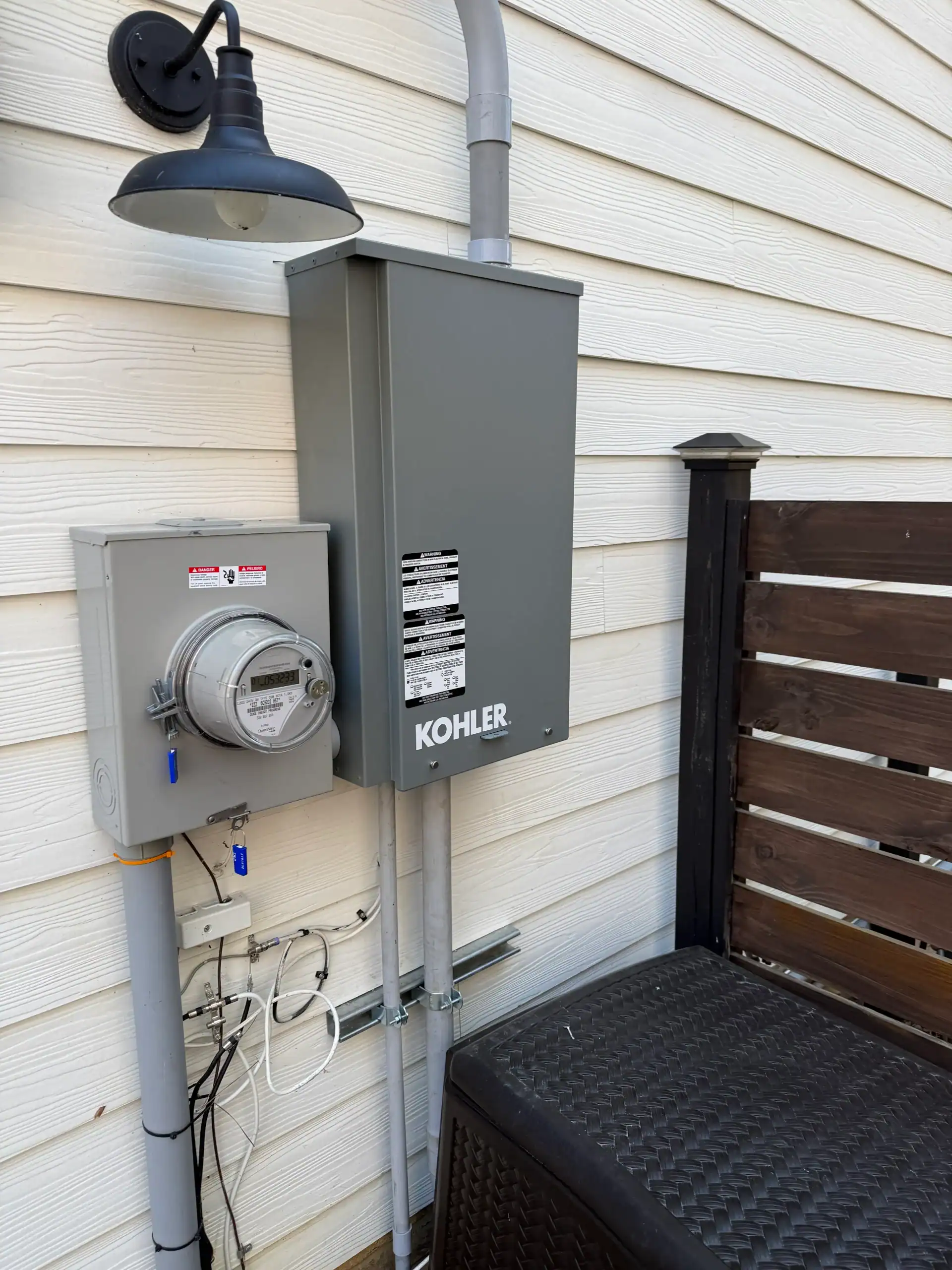
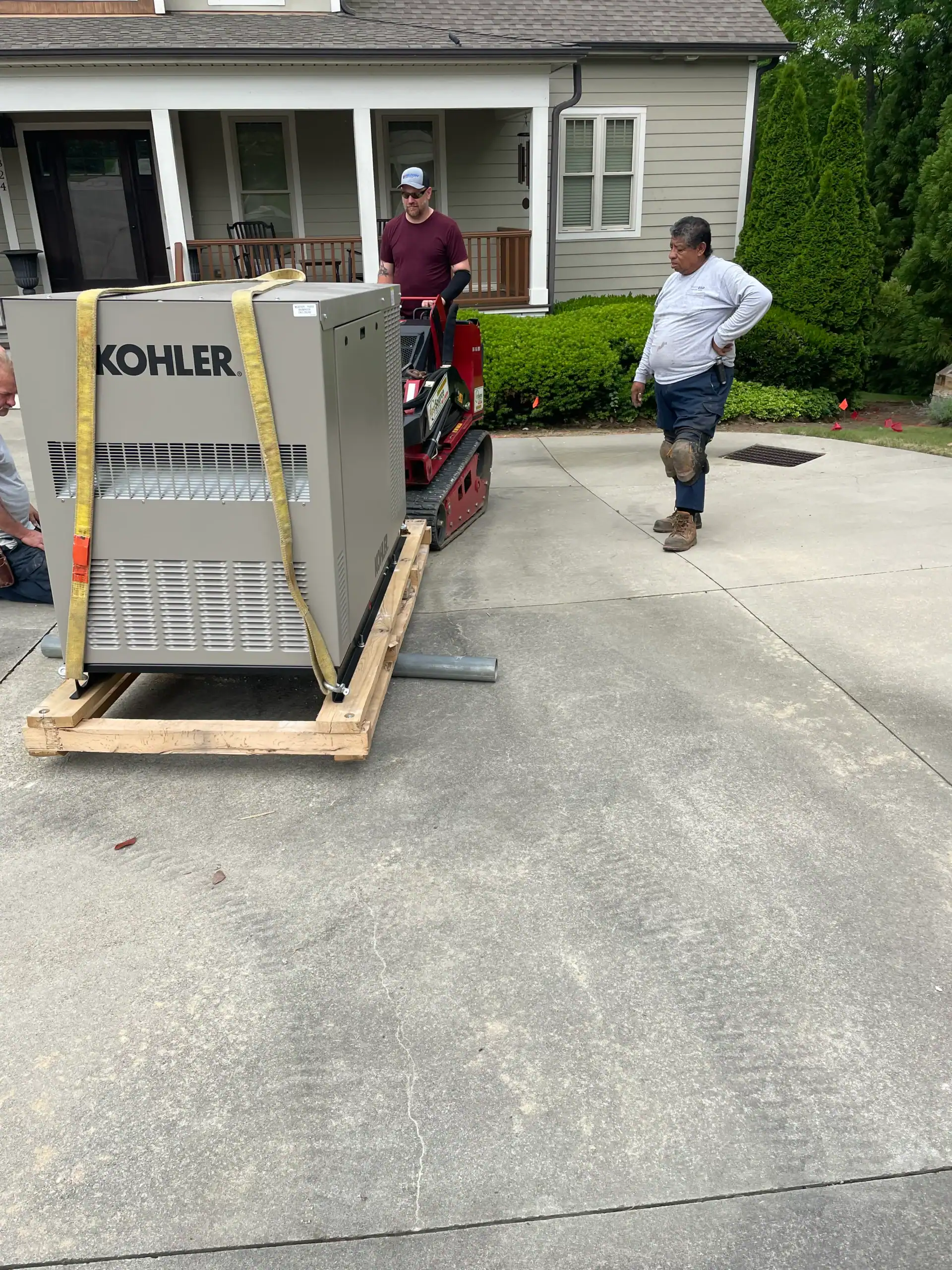
Installing a standby generator involves more than setting a unit on a pad. It requires load analysis, transfer switch wiring, gas line coordination, permitting with the county, and a final inspection. Every one of those steps has to be done correctly for the system to work reliably and legally.
Yes — and this is one of the questions we get most often from homeowners in Durham, Pittsboro, and Burlington who’ve been quoted by contractors who never mentioned permits at all. In North Carolina, installing a standby generator with an automatic transfer switch requires an electrical permit. The transfer switch connects directly to your home’s electrical panel, which means the work falls under the jurisdiction of the NC State Building Code and must be inspected by a county or municipal inspector before the system is considered legally operational.
Pulling that permit requires a licensed electrical contractor with the appropriate state licensure. We hold an unlimited state electrical license — the highest classification available in North Carolina — which authorizes us to pull permits for any residential or commercial electrical project, regardless of scope or amperage.
We handle the permitting process from start to finish. That means we file the application, coordinate with the county inspector, and make sure the installation passes inspection the first time. Homeowners in Orange County dealing with Hillsborough’s permitting office or Chatham County residents navigating county inspections don’t have to manage any of that themselves. One of our customers described it well: “Coordination with city inspectors and others who had an interest in the project was done extremely well.”
It’s also worth noting that unpermitted generator installations create problems beyond the warranty. If your home is damaged during a storm and an insurance adjuster discovers an unpermitted electrical installation, your claim can be denied. Permitting isn’t a bureaucratic inconvenience — it’s protection for the homeowner.
Standby generators that sit idle without regular maintenance are the ones that fail when they’re needed most. Stale fuel clogs the carburetor. Batteries lose their charge. Corroded connections prevent the transfer switch from signaling properly. These aren’t rare edge cases — they’re the most common reasons we get called out to generators that “should have worked” after a storm.
We regularly repair generators that other companies gave up on or misdiagnosed. The difference is thorough diagnosis before assuming what’s wrong. Many repair attempts fail because someone fixed the symptom rather than the actual problem. We’ve seen multiple cases where other contractors replaced expensive control boards when the real issue was corroded connections or a transfer switch problem that cost a fraction of the price to resolve. Thirty-five years of electrical experience — and more than two decades specifically in this market — makes that kind of diagnostic discipline possible.
For homeowners in Durham’s older neighborhoods, where mature tree canopy means power lines take regular hits during summer storms, or in Chatham County, where rural properties on well water lose both power and running water simultaneously when the grid goes down, a generator that fails at the critical moment isn’t just an inconvenience. It’s a real problem. That’s why we stock our service vehicles with common Briggs & Stratton replacement parts and complete most repairs in a single visit, without waiting on parts orders.
Annual maintenance is what prevents those failures in the first place. A factory-authorized technician runs the generator under load, checks the battery, inspects fuel system components, tests the transfer switch, and verifies the automatic startup sequence. It’s the same logic as changing the oil in a vehicle you depend on. The generator runs its self-test weekly, but that’s not a substitute for a trained technician going through the system properly. For homeowners in Greensboro and High Point who’ve invested in a standby system, annual service is what protects that investment year after year.
If you’ve made it this far, you’re probably past the “should I get a generator” question and into the “who should I trust with this” territory. That’s the right place to be. The brand matters. The warranty structure matters. But the installer is what determines whether any of it actually works when the lights go out in Burlington or the ice storm rolls through Greensboro.
We’ve been doing this work since 2002 — in the same counties, with the same commitment to showing up when promised and explaining what we found before we touch anything. Flat-rate pricing before work begins, permits handled, inspections passed the first time.
If you’re ready to talk through what size system fits your home, or you have questions about a generator you already own, ESP Electrical Service Providers is the place to start.
Article details:
Share:
Continue learning: