Trying to budget for a whole house generator in Alamance County? Here's what installation actually costs in this market — and what changes the number.
Share:
Summary:
If you’ve been searching for whole house generator costs online, you’ve probably found ranges wide enough to be nearly meaningless — numbers that span from $3,000 to $20,000 with little explanation of where your situation actually falls. That’s frustrating when you’re trying to make a real decision.
This guide focuses on what installations actually cost here in Alamance County and the surrounding NC Piedmont market — not national averages that don’t account for local labor rates, county permit requirements, or the fuel options available in this area. By the end, you’ll have a clear picture of what to expect and what questions to ask before you commit.
Most whole house generator installations in Alamance County, Durham, Chatham, and Orange Counties run between $6,000 and $15,000 total — equipment and professional installation combined. Natural gas systems in this market typically land between $10,000 and $13,000 installed. Those are the real numbers for this area, and they’re more useful than any national average.
What puts you at the lower or higher end of that range comes down to a handful of factors: the size of your home, the fuel source available at your property, whether your existing electrical panel needs an upgrade, and the type of transfer switch the installation requires. None of those are surprises if you know to ask about them upfront.
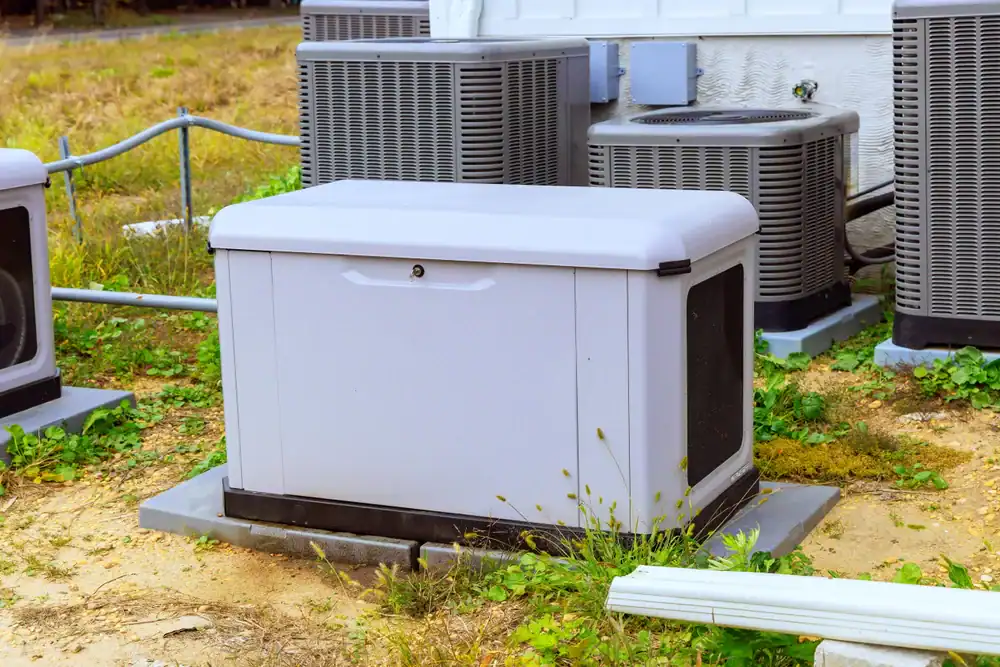
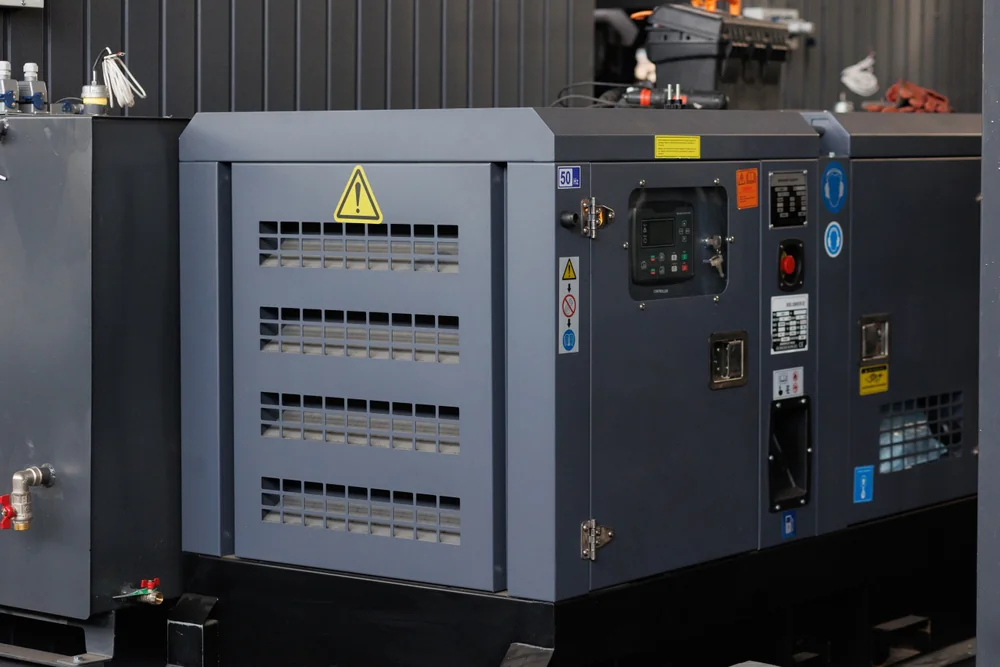
Generac is the most widely installed residential standby brand in the country, and for good reason — they’ve been focused almost exclusively on standby power for over half a century. When homeowners in Burlington, Mebane, or Graham ask about Generac generator cost specifically, the equipment itself typically runs $3,000 to $6,000 for the unit alone, depending on the kilowatt size. Installation labor in NC adds another $1,700 to $5,000 on top of that, depending on the complexity of the job.
Smaller homes — roughly 1,000 to 1,500 square feet — can often get by with a 10 to 14 kilowatt unit, which puts the total installed cost in the $7,000 to $10,000 range. Average-sized homes in the 1,500 to 2,500 square foot range, which describes a lot of the housing stock in Alamance County, typically need a 20 to 22 kilowatt unit and land between $10,000 and $15,000 installed. Larger homes with more square footage, multiple HVAC systems, or higher electrical loads can push past $15,000.
One thing buyers often miss: the generator unit price is only part of the picture. A complete installation includes the transfer switch, a concrete mounting pad, the fuel line connection, the electrical panel connection, permits, and labor. When you see a $4,000 price tag on a generator at a big-box store, that’s the equipment alone — not the installed cost. The difference matters when you’re budgeting.
Having a Generac installed by a factory-authorized dealer protects you in ways that matter. An unauthorized installer can void the manufacturer’s warranty. Factory authorization means our technicians have been trained specifically on Generac equipment and have access to genuine manufacturer parts — not generic substitutes.
The single biggest variable in the price of a whole house generator is fuel source. If your property already has natural gas service, you’re in a good position — natural gas generators are convenient, don’t require a separate fuel tank, and the supply doesn’t run out the way propane does during extended outages. If natural gas isn’t available at your address, which is common in the more rural parts of Alamance County — areas like Snow Camp, Saxapahaw, and parts of Haw River — you’ll need a propane tank installed, which adds to both the upfront cost and the ongoing logistics.
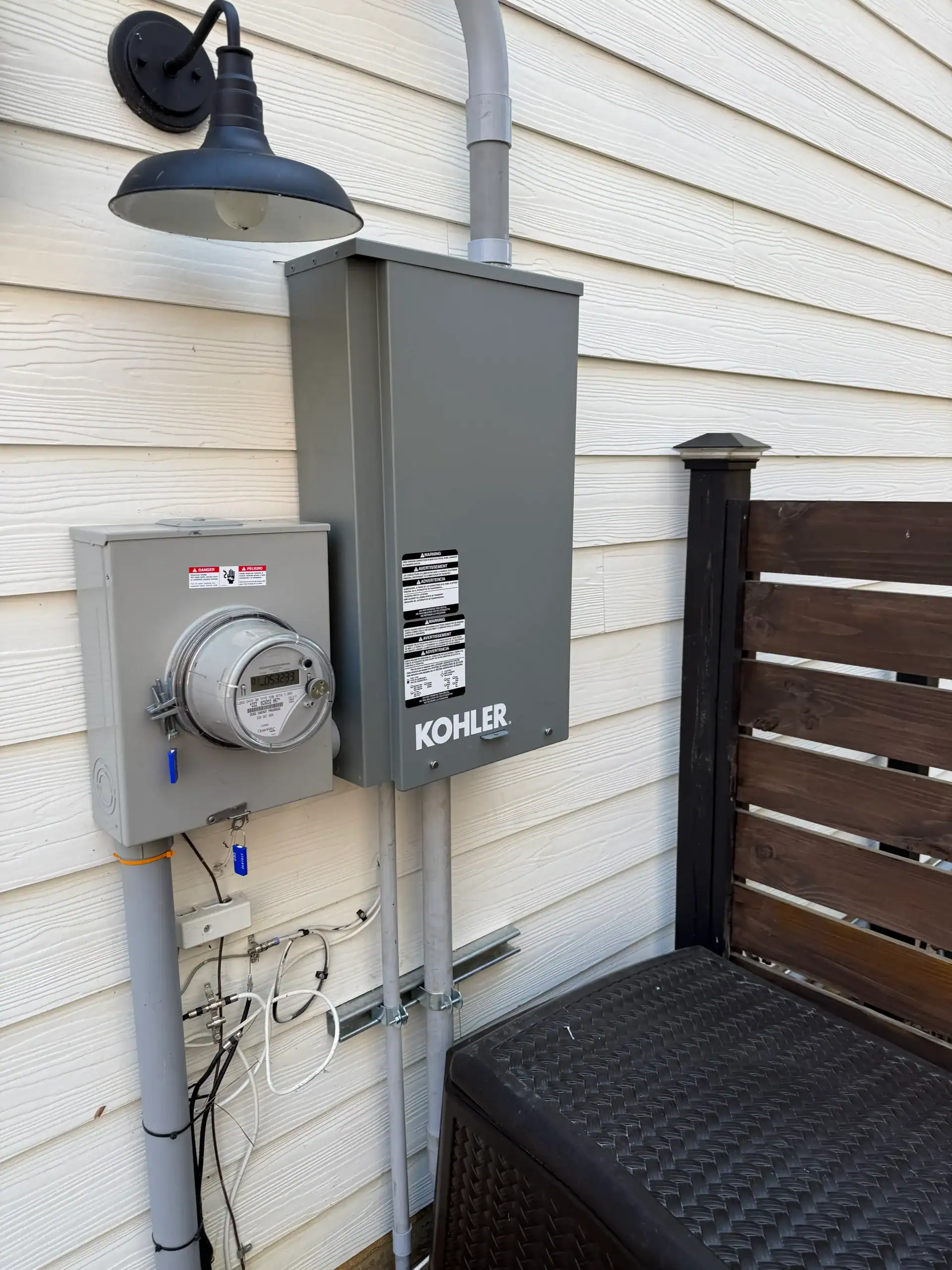
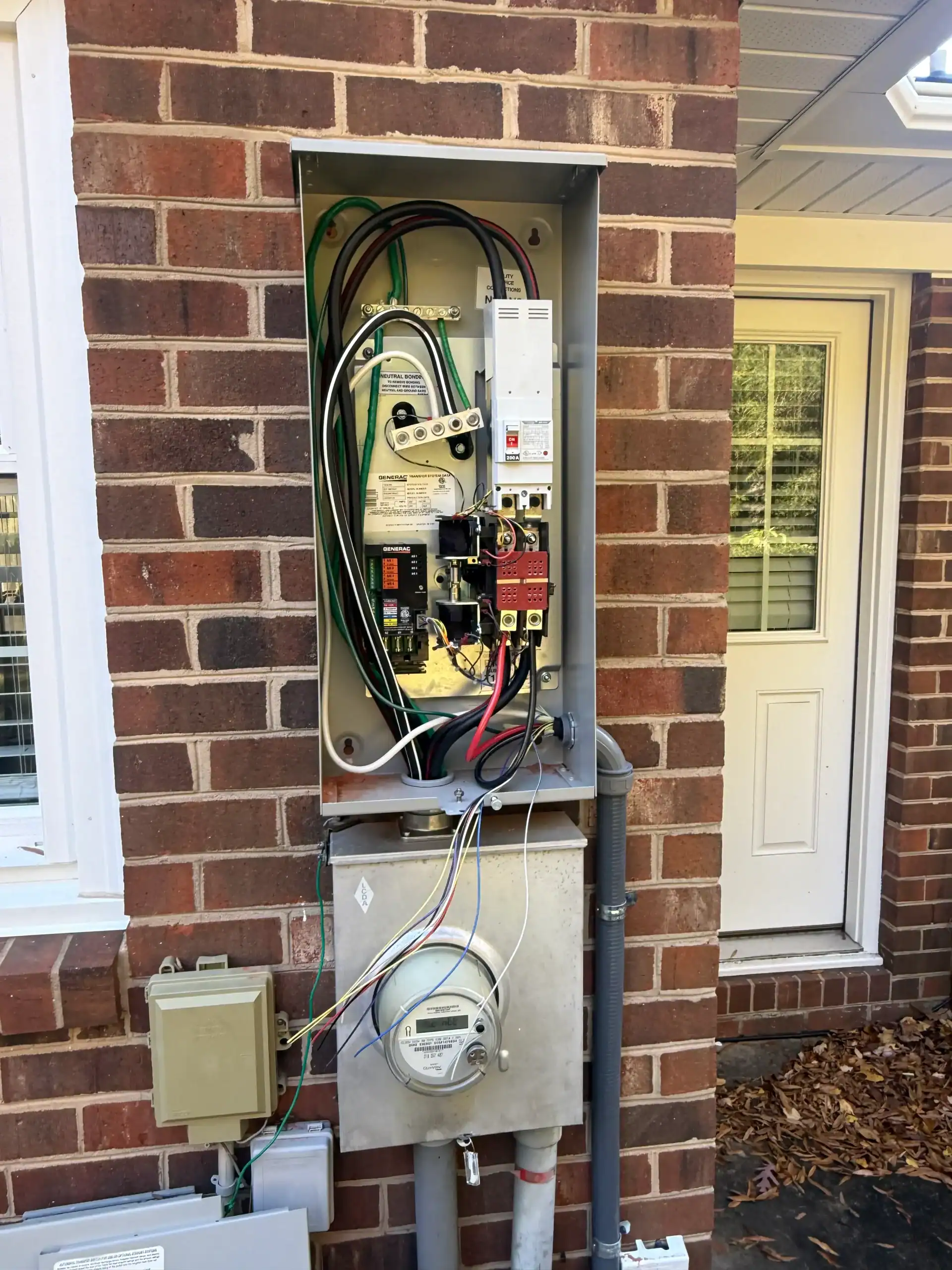
The transfer switch is another cost factor that surprises people. An automatic transfer switch is what makes a standby generator actually automatic — it detects the power outage and switches the home to generator power within seconds, without anyone touching anything. Manual transfer switches cost less upfront, but they require someone to physically intervene, which defeats a lot of the purpose. The National Electric Code requires a transfer switch for all standby generator installations, so this isn’t optional — the question is just which type.
Electrical panel condition matters too, especially in Alamance County where a significant portion of the housing stock dates to the 1960s, 1970s, and 1980s. Older panels sometimes need to be upgraded before a generator can be properly connected, which adds cost but also improves the overall safety and capacity of your home’s electrical system. It’s not a problem unique to generators — it’s something that would have come up eventually regardless.
Permit costs in NC counties run $75 to $350 depending on the county and the scope of the installation. Every legitimate whole-house generator installation in North Carolina requires a permit and an inspection. Unpermitted work can void your homeowner’s insurance coverage and create real problems when you go to sell the home. It’s not a corner worth cutting.
Want live answers?
Connect with a Electrical Service Providers expert for fast, friendly support.
That’s the question most homeowners are really asking when they start researching costs. And the honest answer is: it depends on your situation, but the math is more favorable than most people expect.
The case for a standby generator in Alamance County isn’t abstract. The NC Piedmont gets hit by two distinct types of outages — tropical storm remnants tracking inland from the coast and ice storms rolling in from the west. Hurricane Helene knocked out power for nearly 4.8 million customers across the Southeast in September 2024. Western NC mountain communities went 14 days without electricity. The Piedmont isn’t immune, and rural parts of Alamance County — the areas at the end of Duke Energy’s distribution lines — consistently see longer restoration times than Burlington or Graham.
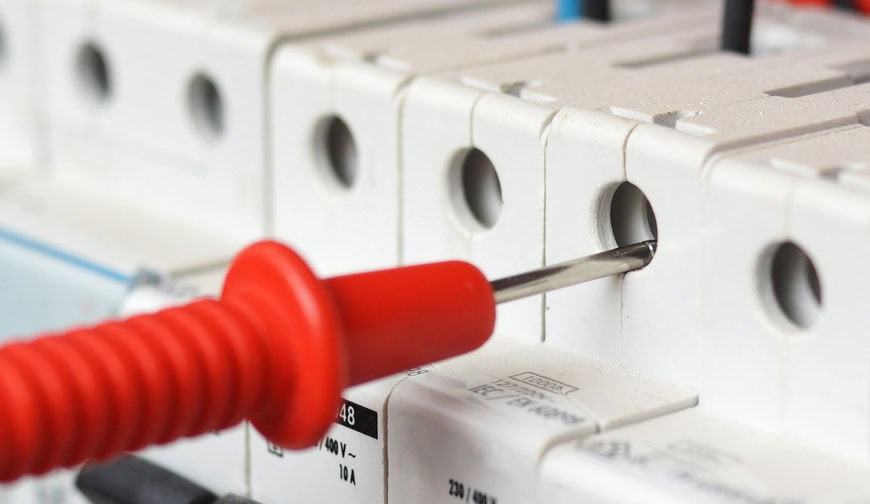
Standby generators add between 3% and 5% to a home’s appraised value, according to real estate data. On a $400,000 home, that’s $12,000 to $20,000 in added resale value — which means for many homeowners, the generator essentially pays for itself at the point of sale. Some sellers in storm-prone NC markets have reported up to 150% return on investment.
That’s not a guarantee, and home value is always market-dependent. But it does reframe the question. A $12,000 generator installation isn’t just an expense — it’s a home improvement that shows up on an appraisal, makes your listing more attractive to buyers who’ve lived through outages themselves, and provides real, usable value in the years before you ever think about selling.
There’s also the cost of not having one. A three-day outage in July in Alamance County — when heat indices are regularly above 100 degrees — means no air conditioning, spoiled food, potential hotel stays, and depending on your household, real health concerns for elderly family members or anyone on medical equipment like a CPAP or home oxygen system. Remote workers lose billable hours or miss deadlines. Sump pumps stop running during the storms most likely to flood a crawl space. Those costs add up quickly and they’re not hypothetical — they happen to people in Burlington, Gibsonville, and Elon every few years.
The comparison to a portable generator comes up often, and it’s worth addressing directly. A portable unit costs $500 to $2,500 and seems like a reasonable middle ground. But it requires manual setup, has to run outdoors, needs refueling, and doesn’t activate automatically when a storm knocks out power at 2 in the morning while you’re asleep. A standby generator is permanent, automatic, and connected to your home’s fuel supply — it’s on before you even know the power went out.
The installer matters as much as the equipment. North Carolina law requires a licensed electrical contractor for generator installation — this involves high-voltage electrical work and gas plumbing, and DIY installation is both illegal and capable of voiding your homeowner’s insurance. That’s not a technicality; it’s a real risk.
When you’re vetting installers, the credentials to look for are a license from the NC State Board of Examiners of Electrical Contractors, factory authorization from the generator brand being installed, and a track record of permitted work that passes inspection. Ask directly whether permits are included in the quoted price and who handles the county paperwork. In Alamance County, the permitting process goes through the county’s own offices with specific local requirements — an installer who knows that process saves you time and headaches.
Flat-rate pricing is worth asking about specifically. Generator installation is a job where hourly billing can spiral — unexpected panel conditions, fuel line routing complications, or inspection callbacks can add hours you didn’t budget for. A flat-rate quote means the number you agree to before work starts is the number on the final invoice. No surprises after the fact.
We’ve been doing this work in Alamance County since 2002. Andy Helton has held a Master Electrician license since 1989 — that’s over 35 years of licensed electrical experience, and it’s the highest individual credential the state issues. We’re a factory-authorized dealer for both Generac and Kohler, which means certified training, genuine manufacturer parts, and warranty protection that holds up. Every installation we do is permitted, inspected, and backed by flat-rate pricing so you know the full cost before we start. Our trucks are fully stocked, which means most jobs don’t get delayed waiting on parts.
If you’re in Burlington, Graham, Mebane, Gibsonville, Elon, or anywhere else in Alamance County and you’re serious about getting a generator installed before the next storm season, we’re the team that’s been here, knows the county’s requirements, and will give you a straight answer on price.
The short version: whole house generator installations in Alamance County and the surrounding NC market run $6,000 to $15,000 total installed, with natural gas systems typically landing between $10,000 and $13,000. What moves your number is home size, fuel source, transfer switch type, and whether your panel needs any work. None of those are unknowns — they’re questions a qualified installer can answer during an in-home assessment.
The bigger picture is that a standby generator in this part of NC isn’t a luxury purchase. It’s a practical response to a real and recurring risk, and one that adds measurable value to your home at the same time.
If you’re ready to get a real number for your specific home — not a national average — reach out to ESP Electrical Service Providers. We serve Alamance, Durham, Orange, and Chatham Counties, and we’ll give you a flat-rate quote before any work begins.
Article details:
Share:
Continue learning: