Top 5 Reasons to Hire a Licensed Electrical Contractor for Your 2026 Home Renovation
Planning a home renovation in 2026? Discover why hiring a licensed electrical contractor isn't optional—it's essential for safety, code compliance, and protecting your investment.
Share:

Summary:
You’re finally pulling the trigger on that renovation. Maybe it’s the kitchen you’ve been planning for years, or the addition that gives your growing family more space. Either way, there’s electrical work involved—and that means decisions.
You’ll get quotes from different people. Some will be licensed contractors. Others will offer to do it cheaper, faster, without all the “paperwork.” And you’ll be tempted. But here’s what most homeowners don’t realize until it’s too late: electrical work done wrong doesn’t just fail inspections. It puts your family at risk, tanks your home’s value, and can leave you personally liable for thousands in damages.
Let’s talk about what actually matters when you’re choosing who handles the electrical side of your home renovation.
Permits feel like red tape. They slow things down, cost money, and add another layer of bureaucracy to an already complicated project. So why bother?
Because in North Carolina, permits aren’t optional. They’re legally required for any electrical installation, extension, alteration, or repair beyond basic fixture replacement. That includes the work you’re planning for your renovation.
Here’s the part most people miss: permits aren’t just about following rules. They’re about safety. When we pull a permit, your work gets inspected by someone whose only job is to make sure it won’t burn your house down or electrocute someone. Faulty wiring causes roughly 51,000 home fires every year in the United States. That’s not a small number. And most of those fires start with work that was never inspected.
Let’s say you hire someone who offers to skip the permit process. Maybe they say it’s faster, or that inspectors are a hassle. The work gets done. Everything seems fine. Then one of three things happens.
First scenario: you go to sell your home. The buyer’s inspector finds unpermitted electrical work. Now you’re stuck. You can’t close until it’s fixed, and fixing it means tearing out walls, hiring a licensed contractor to redo everything, and paying for inspections. The buyer might walk. Or they’ll demand you drop the price to cover the mess.
Second scenario: something goes wrong. A fire starts because of faulty wiring. Your insurance investigator finds out the work was unpermitted. Your claim gets denied. You’re on the hook for everything—repairs, temporary housing, medical bills if someone got hurt.
Third scenario: you get caught. North Carolina takes unlicensed electrical work seriously. Homeowners can face fines. The person who did the work can face criminal charges. And you still have to pay a licensed contractor to fix it properly.
Permits aren’t bureaucracy. They’re protection. When we handle your renovation, we pull the permits, coordinate the inspections, and make sure everything is documented. You get a paper trail that proves the work was done right. That matters when you’re sitting across from a home inspector, an insurance adjuster, or a potential buyer.
Electrical codes aren’t static. They evolve as technology changes, as new safety concerns emerge, and as homes demand more power. North Carolina is catching up on several years of updates in 2026, which means renovations happening this year need to meet current standards—not the ones from a decade ago.
What does that mean for your project? More requirements for GFCI outlets in areas where water and electricity might meet. Arc fault circuit interrupters in living spaces to prevent fires from damaged wiring. Proper grounding throughout your home. Adequate capacity in your electrical panel to handle modern appliances, smart home devices, and potentially an EV charger down the road.
If your home was built before 1990—and statistically, there’s a 71% chance it was—your existing electrical system probably wasn’t designed for what you’re asking it to do now. Older wiring can’t handle the load. Outdated panels trip constantly. And none of it meets current code requirements.
We know what’s required in 2026. We’ve studied the code updates. We know what inspectors are looking for. And we design your electrical work to pass inspection the first time, so your renovation doesn’t get delayed because someone has to come back and fix code violations.
Here’s the thing about code compliance: it’s not about making your life harder. The National Electrical Code exists because people died. Homes burned. Families got hurt. Every requirement in that code is there because someone, somewhere, learned the hard way what happens when electrical work is done wrong. When you hire us, you’re hiring someone who takes those lessons seriously.
Want live answers?
Connect with a Electrical Service Providers expert for fast, friendly support.
Unlicensed contractors are cheaper upfront. That’s their selling point. They don’t have the overhead costs of licensing, insurance, or continuing education. They don’t pull permits, so you skip those fees. And they’ll often quote you a price that seems too good to pass up.
But here’s what you’re actually buying: risk. When you hire someone without a license, you’re assuming all the liability. If they get hurt on your property, you’re responsible. If their work causes a fire, your insurance might not cover it. If they disappear halfway through the job, you have zero recourse.
We carry liability insurance. If something goes wrong—and in construction, things do go wrong—our insurance handles it. You’re protected. That peace of mind isn’t free, but it’s worth every penny when you’re not writing checks to cover someone else’s mistakes.
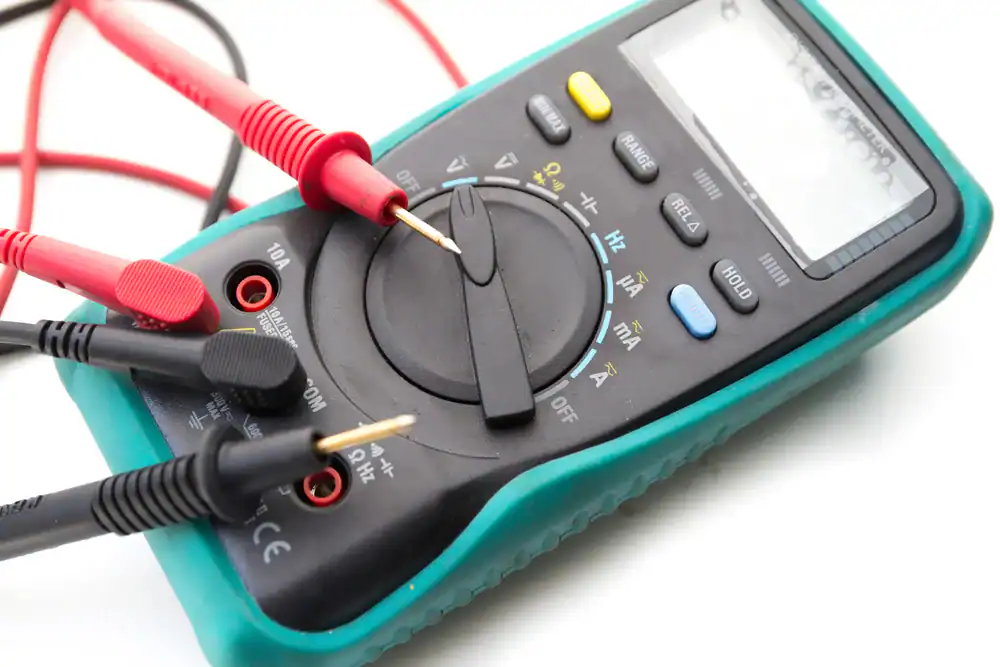
Permits create accountability. When we pull a permit for your renovation, there’s a paper trail. The work gets inspected. If there’s a problem, it gets caught and fixed before your walls are closed up and your renovation is “done.”
Without permits, there’s no oversight. The person doing your electrical work might be skilled. They might do everything perfectly. Or they might cut corners, use substandard materials, and leave you with a system that works fine for six months before it starts causing problems.
And here’s the part that really stings: when unpermitted work gets discovered later, you can’t just pay a fine and move on. You have to bring everything up to code. That means opening walls, redoing work, and paying for inspections. The “savings” from skipping permits in the first place? Gone. And then some.
Unpermitted electrical work also impacts your home’s value. Buyers are cautious. They don’t want to inherit someone else’s shortcuts. When a home inspection reveals unpermitted work, buyers either walk away or demand a significant price reduction. You end up losing thousands because you tried to save hundreds.
We pull permits because it’s required, yes. But also because it protects you. When your renovation is done and your electrical work has passed inspection, you have documentation that proves everything was done right. That documentation matters when you sell, when you file an insurance claim, or when you just want to sleep at night knowing your home is safe.
Insurance companies aren’t in the business of paying claims they can avoid. When a fire starts, they investigate. And one of the first things they look for is whether the electrical work in your home was done by a licensed contractor and properly permitted.
If the answer is no, your claim can be denied. It doesn’t matter if the fire wasn’t directly caused by that unpermitted work. The fact that you had unlicensed electrical work done gives your insurance company grounds to deny coverage. You’re left paying for repairs, temporary housing, and everything else out of pocket.
This isn’t theoretical. It happens. Homeowners who thought they were saving money by hiring unlicensed help end up losing everything because their insurance won’t cover the damage.
On the flip side, when you hire us for your renovation, you’re protecting your insurance coverage. If something goes wrong, you have documentation showing that a qualified professional did the work, pulled the proper permits, and passed all required inspections. Your insurance company can’t use unlicensed work as an excuse to deny your claim.
Some insurance companies even offer discounts when you upgrade your electrical system with licensed contractors. Modern wiring, updated panels, and code-compliant installations reduce risk. Lower risk means lower premiums. The money you invest in hiring us can actually come back to you in the form of reduced insurance costs.
But beyond the financial side, there’s peace of mind. You know your home is safe. You know your family isn’t at risk because someone cut corners on electrical work. And you know that if something does happen, you’re covered.
Home renovations are expensive. It’s tempting to cut costs wherever you can. But electrical work isn’t the place to do it.
Hiring a licensed electrical contractor costs more upfront than hiring unlicensed help. But what you’re really paying for is expertise, accountability, and protection. You’re paying for someone who knows the code, pulls the permits, handles the inspections, and stands behind their work. You’re paying for insurance that protects you if something goes wrong. And you’re paying for documentation that proves your home is safe and code-compliant.
That’s not an expense. It’s an investment. In your home’s value, in your family’s safety, and in your own peace of mind.
If you’re planning a renovation in Alamance, Durham, Chatham, Orange, or Guilford County, don’t take chances with your electrical work. Work with professionals who do things right. Reach out to ESP Providers to discuss your project and get the guidance you need to move forward with confidence.
Article details:
Share:
Continue learning: