EV Charger Installation Cost in Alamance County, NC: What to Budget in 2026
Just bought an EV and wondering what installation actually costs in Alamance County, NC? Here's what homeowners need to know before they call.
Share:
Summary:
You picked up your new EV, the dealer handed you a charging cord, and now you’re doing the math. That standard outlet in your garage adds maybe four miles of range per hour. If you’re commuting to Durham or Chapel Hill on I-40 every day, that’s not going to cut it.
A Level 2 home charger is the real solution — but before you call anyone, you want to know what it’s actually going to cost. Not a range so wide it’s useless. A real number, with real context for what drives it up or down. That’s what this guide is for.
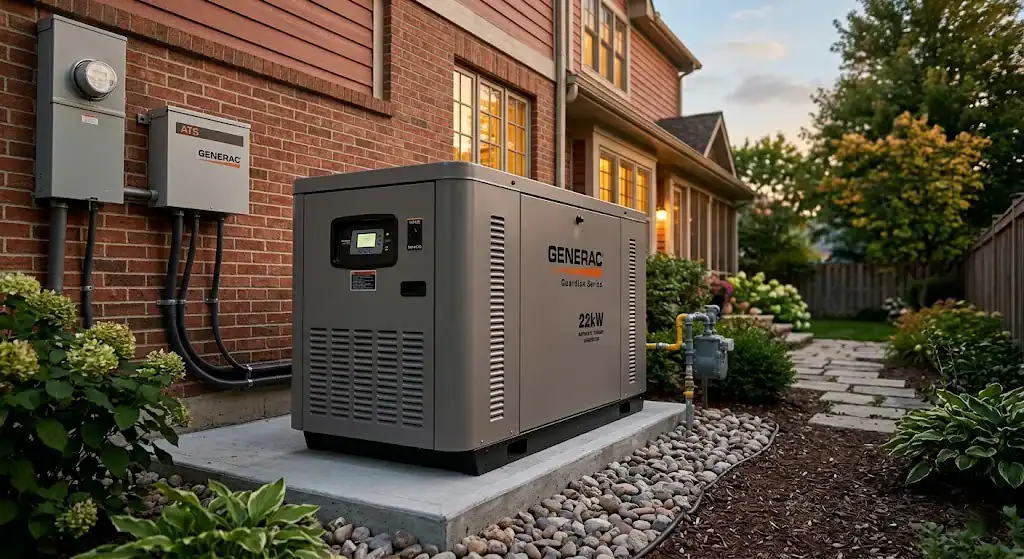
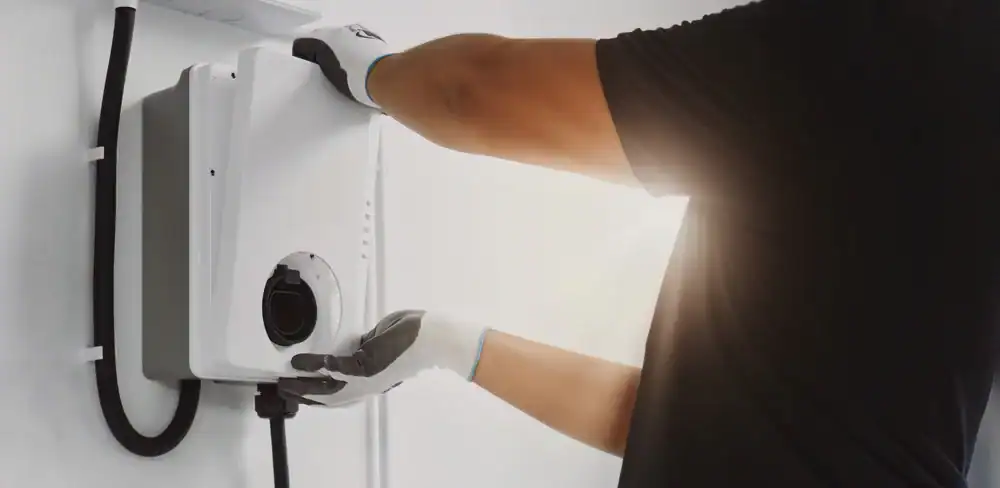
A Level 2 home EV charger installation isn’t complicated, but it’s not a plug-and-play job either. It requires a dedicated 240-volt circuit — typically 40 to 50 amps — run from your electrical panel to wherever the charger will be mounted. That means new wiring, a new breaker, proper conduit if the run is outdoors, and a final inspection once the work is done.
In North Carolina, an electrical permit is required for this work — even if you’re installing a plug-in setup rather than a hardwired unit. That’s not a formality. It’s how you make sure the installation is safe, code-compliant, and won’t cause problems when you sell the home or file an insurance claim. A licensed electrician pulls the permit, does the work, and the county inspector signs off. That’s the process done right.
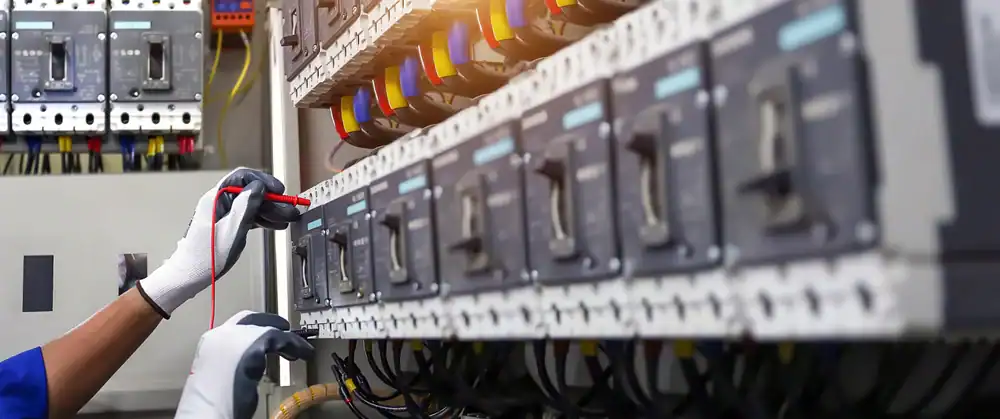
Most homeowners in Alamance County pay between $800 and $3,000 all-in for a Level 2 EV charger installation — and that figure includes the charger hardware, labor, wiring, and permit. Where you land in that range depends on a few things: how far the circuit needs to run from your panel, whether the installation is indoors or outdoors, and most importantly, whether your panel has room for a new 40- to 50-amp breaker.
Charger hardware on its own typically runs $300 to $800 depending on the brand and features you choose. Labor and materials for a straightforward install — panel has capacity, charger goes in the garage close to the box — often lands in the $500 to $1,500 range on top of that. Permits add another $50 to $200.
The number that catches people off guard is the panel upgrade. If your home’s electrical panel is already near capacity — or if you’re in an older Alamance County home with 100-amp service — you may need a panel upgrade before the new circuit can be added. That work runs an additional $1,500 to $3,000, which can push the total project cost to $2,500 or more. It’s not a given, but it’s common enough in homes built before 1990 that it’s worth asking about upfront.
One more thing worth knowing before the June 30, 2026 deadline passes: the federal Section 30C tax credit covers 30% of equipment and installation costs, up to $1,000 for residential installations. If you’ve been putting this off, that’s a real dollar figure sitting on the table with an expiration date attached to it.
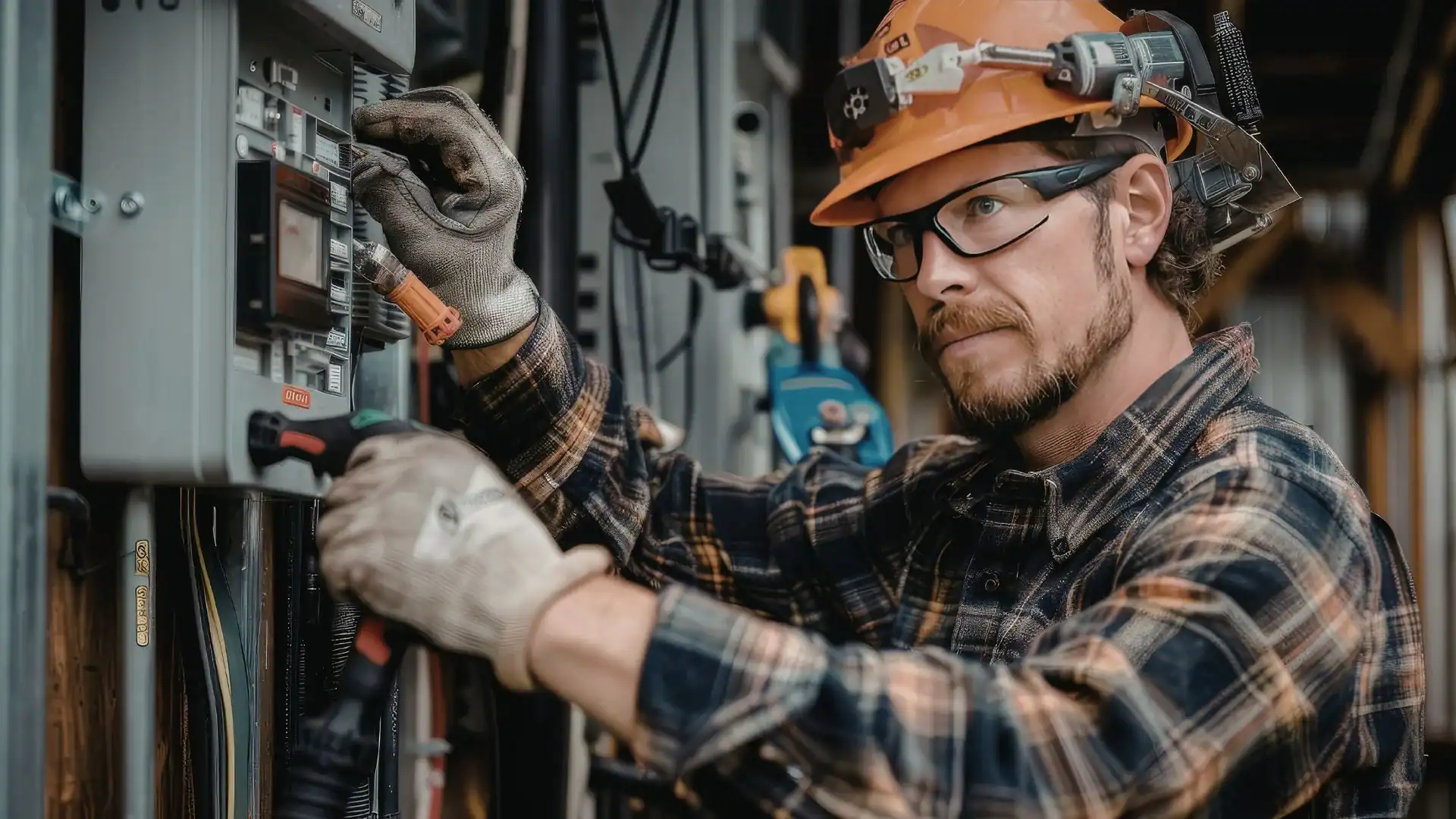
This is the question that makes most homeowners nervous, and understandably so. The short answer is: you won’t know until a licensed electrician looks at your panel and runs a load calculation. There’s no way to tell from the outside whether your panel has the capacity for a new 50-amp circuit without actually checking.
What an electrician is looking for is available breaker space and whether your current service — typically 100 amps or 200 amps — can handle the additional load without putting you at risk of tripped breakers or overheating. A 200-amp panel in a home built after 1990 often has room to spare. A 100-amp panel in an older Burlington-area home that’s already running a heat pump, electric water heater, and a full kitchen is a different story.
If a panel upgrade is needed, it’s not the end of the world — it’s actually a good investment. A 200-amp panel gives your home the electrical capacity to support not just the EV charger, but any future upgrades you might want down the road. The key is knowing the full cost before work starts, not discovering it mid-project.
We assess the panel before we quote anything. If an upgrade is needed, you’ll know what it costs and what it involves before we schedule a single hour of work. No surprises, no scope creep — just a clear number you can make a decision around.
Want live answers?
Connect with a Electrical Service Providers expert for fast, friendly support.
National cost guides give you national averages. They don’t tell you that Burlington Electric Department has a specific EV Rate for customers who install an approved charger — a utility incentive that can meaningfully affect your long-term charging costs. They don’t tell you that a lot of Alamance County’s housing stock was built in an era when 100-amp service was standard, which changes the panel upgrade conversation significantly.
They also don’t tell you that the commute from Burlington to Research Triangle Park on I-40 or I-85 is exactly the kind of daily drive that makes a Level 2 charger a practical necessity rather than a nice-to-have. If you’re putting 50 or 60 miles on the car every day, a Level 1 cord isn’t keeping up. That’s just the math.
If your home is served by Burlington Electric Department rather than Duke Energy, there’s a utility-specific incentive worth understanding before you schedule your installation. BED offers an EV Rate for customers who install a BED-approved Level 2 charger — a rate structure designed to reduce the cost of overnight charging when grid demand is lower.
To qualify, the charger needs to meet BED’s approval requirements, which means the installation matters. A charger installed correctly by a licensed electrician who understands the utility’s requirements is going to serve you better than one that was thrown in quickly without that context. BED’s own guidance is to contact an electrician for a quote and confirm the charger you’re installing qualifies for the program.
We’ve been working with homeowners in Burlington and across Alamance County since 2002. We know which chargers meet BED’s requirements, how to document the installation properly, and what the county permit process looks like from start to finish. That’s the kind of local knowledge that makes a real difference when you’re trying to maximize the utility incentive.
If you’re a BED customer and you’re planning to install a Level 2 charger, make sure whoever you hire is familiar with the utility’s EV Rate program. It’s a real benefit, and it’s easy to miss if you’re working with someone who doesn’t know the local landscape.
Here’s something most EV charger cost guides don’t address: the anxiety of hourly billing. When an electrician charges by the hour, you’re agreeing to a process you can’t fully predict. The job takes longer than expected, a complication comes up, and suddenly the bill is significantly higher than the number you budgeted around.
We price EV charger installation — and every job we do — on a flat-rate basis. That means before we touch a wire, you know exactly what the job costs. Not an estimate, not a range, not “it depends on how long it takes.” A number. If the job takes two hours or six, the price doesn’t change.
This matters especially for EV charger installations, where the scope can shift based on what we find at the panel. If a panel upgrade turns out to be necessary, we’ll tell you that before we proceed — with a clear price for that additional work — so you can decide how you want to move forward. You’re never in a position where you find out the real cost after the work is already done.
Our trucks are fully stocked, which means most installations are completed the same day we arrive. No waiting on parts, no second trip scheduled for next week. Andy Helton has been a licensed Master Electrician since 1989, and we’ve been doing this work in Alamance County specifically since 2002. When you call, you reach a real person — not a phone tree, not a voicemail system. We show up when we say we will, we give you a price before we start, and the work passes inspection the first time.
The cost of a Level 2 EV charger installation in Alamance County typically runs $800 to $3,000 all-in for a straightforward job. If your home needs a panel upgrade — something that’s worth checking before you assume either way — the total can run higher, and you’ll want that number upfront before committing to anything.
The federal tax credit that covers 30% of your installation costs, up to $1,000, expires June 30, 2026. If you’ve been thinking about this for a while, now is the time to act on it.
If you’re in Alamance County and you want a clear price before any work begins, ESP Electrical Service Providers is a straightforward call. No hourly guesswork, no surprises mid-project — just a flat-rate quote from a licensed Master Electrician who’s been working in this county for over two decades.
Article details:
Share:
Continue learning: