Going solar in Alamance County? Here's what most solar company websites won't tell you before you sign anything.
Share:
Summary:
North Carolina ranks fourth in the nation for total solar generation. Alamance County sits right between Durham and Greensboro — and it’s watching solar adoption accelerate across the region.
If you’ve been thinking about solar, you’re not alone. Electricity rates in NC have climbed 25% since 2021, and Duke Energy’s incentive programs are putting real money on the table. The question isn’t really whether solar makes sense anymore. It’s who you hire, what they’re not telling you, and whether your home is actually ready for it.
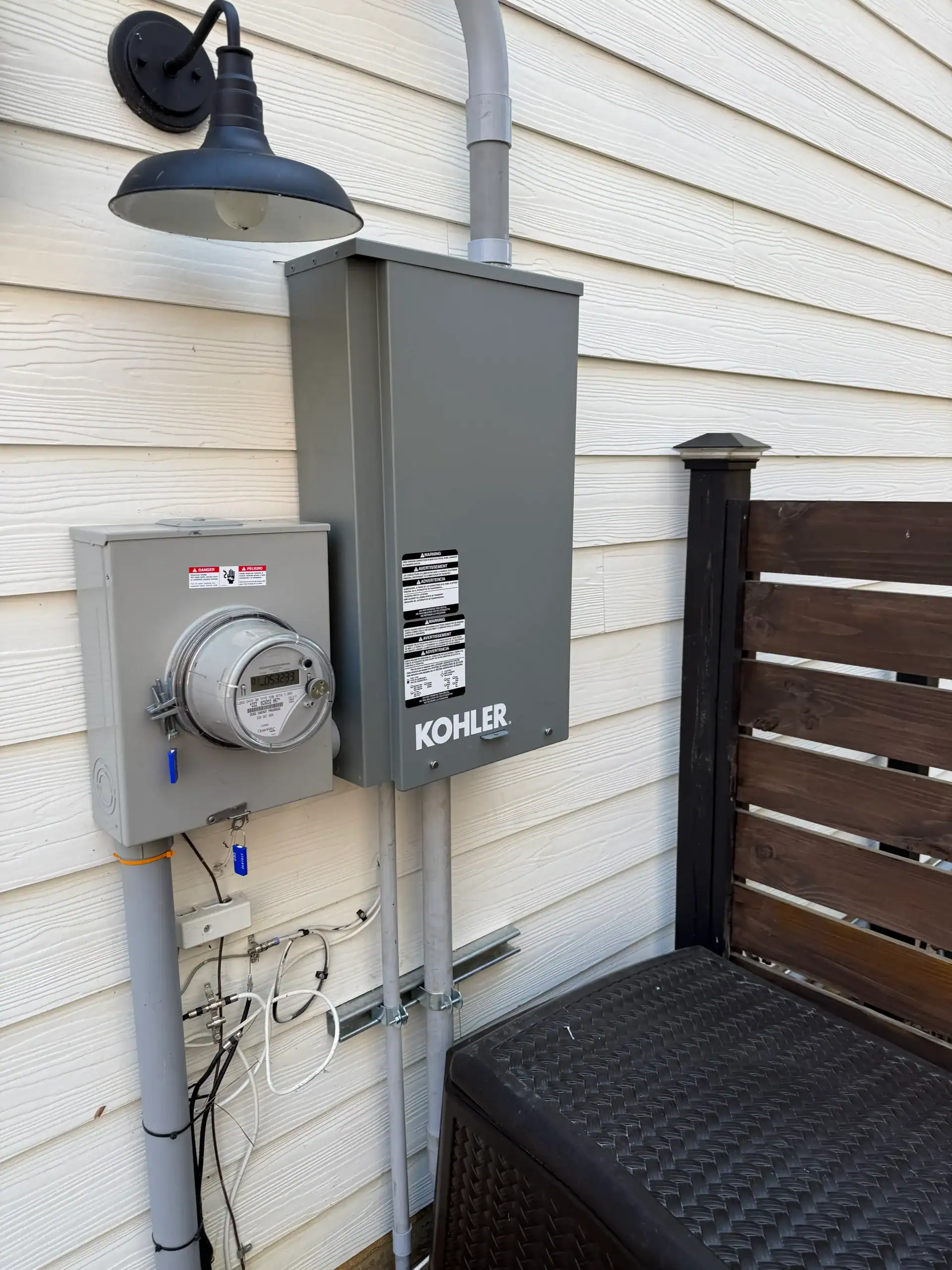
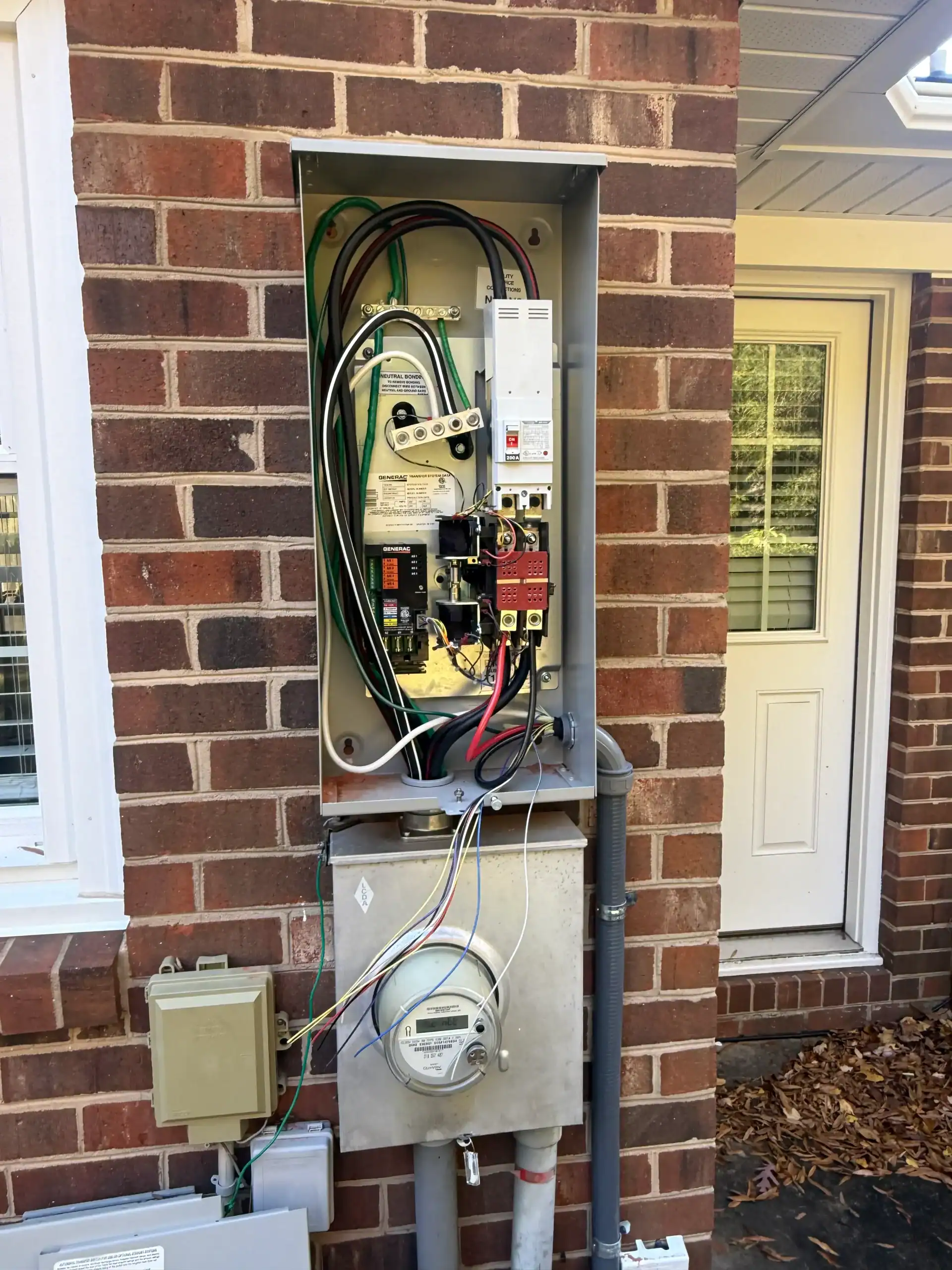
That last part is where we come in. Before adding solar equipment to your home, it’s important to make sure your electrical system can safely handle the change. Professional electrical panel installation and electrical system evaluations can help ensure your home is prepared for new electrical demands.
There are over 200 solar companies operating in North Carolina right now. Some are excellent. Some are national brands that subcontract everything to crews you’ve never met. Some are lead-generation sites dressed up to look like local installers.
Telling them apart takes a little work — but it’s worth doing before you hand over a deposit.
The first thing to look for is licensing. In North Carolina, a licensed electrician is legally required for the electrical work on every solar installation. That’s not optional, and it’s not a technicality. A licensed electrical contractor can also pull the building permit for the entire solar project.
If the company you’re talking to can’t tell you clearly who holds the electrical license and who is pulling permits, that’s a gap worth closing before you go any further.
Most buyers walk into solar consultations without a framework, which is exactly what high-pressure sales pitches are designed to exploit. A few direct questions change the dynamic entirely.
Start by asking whether the company will be doing the work themselves or subcontracting it. Subcontracting isn’t automatically a red flag — it’s actually common and can work well — but you deserve to know who will be on your roof and who holds the license for the electrical work. Ask for that person’s name and license number. You can verify any NC electrical contractor’s license through the NC State Board of Examiners of Electrical Contractors database in about two minutes.
Ask for an itemized quote, not a lump sum. A reputable installer will show you cost per watt, equipment costs, labor, permitting fees, and any additional work required — like a panel upgrade — as separate line items. If the number is presented as a single figure with no breakdown, ask why. The answer will tell you something.
Ask about warranties — and understand that there are two separate things being warranted. Equipment warranties come from the panel manufacturer and typically run 25 years or more for premium panels. Workmanship warranties cover the installation itself — the wiring, roof penetrations, and mounting — and those come from the installer. Make sure you have both in writing before anything is signed.
Finally, ask who handles permitting and utility interconnection. A quality installer owns that process entirely. You shouldn’t be managing paperwork with Duke Energy or chasing down an inspector on your own. If the company hedges on this, or suggests you’ll need to coordinate any of it yourself, that’s worth noting.
National installers, on average, charge about 10% more than local ones according to National Renewable Energy Laboratory data. Local companies tend to know the local utility programs, the local inspection departments, and the specific housing stock in your area. That familiarity has real value — especially in Alamance County, where a lot of the housing was built before 1990.
NABCEP — the North American Board of Certified Energy Practitioners — is the gold standard credential in the solar industry. If a company is NABCEP-accredited or employs NABCEP-certified installers, that’s a meaningful signal. It requires rigorous training, documented field experience, and ongoing education to maintain.
Beyond NABCEP, verify that the company holds a current NC electrical contractor license and is fully insured. For solar projects that cost $20,000 or more — which covers most residential systems — a building permit is required. A licensed electrician can pull that permit directly, which matters because it puts a credentialed professional on the hook for the work passing inspection.
Years in business matters too. The solar industry in NC has grown fast, and not every company that entered the market in the last few years has the track record to back up their pitch. Looking for at least five years of documented local experience is a reasonable baseline. Reviews on third-party platforms — not just the company’s own website — give you a more honest picture of what working with them is actually like.
One thing that often gets overlooked: ask whether the company will assess your roof condition before installation begins. Putting a 25-year solar system on a roof that needs replacement in five years creates a real problem. Good installers flag this upfront.
Want live answers?
Connect with a Electrical Service Providers expert for fast, friendly support.
Alamance County gets roughly 213 sunny days a year with seven to eight peak sun hours daily. The conditions here are genuinely favorable for solar production. The average household in the county uses about 1,577 kilowatt-hours per month and pays around $209 on their electric bill.
With NC electricity rates having risen 25% in just three years, the math on solar is getting harder to ignore.
But here’s what a lot of solar company websites skip over: the electrical panel in your home has to be ready before any of this works. And for a significant portion of Alamance County homes — particularly those built before 1990 in Burlington, Graham, and the surrounding communities — it isn’t.
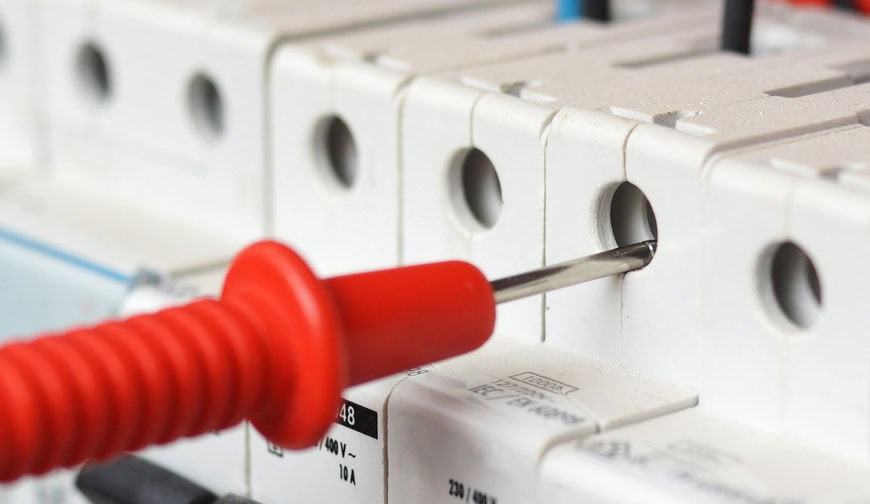
Most modern solar arrays require a 200-amp electrical panel to operate safely and efficiently. A lot of older homes in Alamance County are still running 100-amp panels — which were standard when those houses were built, but aren’t sufficient for a solar system layered on top of today’s electrical load.
This is one of the most common surprises homeowners run into mid-project. A solar company comes out, does a site assessment, and somewhere in the process it comes up that the panel needs to be upgraded before installation can proceed. That’s not a small line item — panel upgrades in this region typically range from $1,500 to $3,500 depending on your current setup and what’s needed.
The smarter move is to have a licensed electrician assess your panel before you start getting solar quotes. You’ll know exactly what you’re working with, you can factor the real cost into your budget from the beginning, and you won’t be in a position where a solar company is telling you what electrical work you need.
We’ve been servicing existing homes and businesses in Alamance County and across the Triangle since 2002. Our Master Electrician has been licensed since 1989. We specialize in existing structures — not new construction — which means panel upgrades, retrofits, and the kind of diagnostic work that older homes actually need.
We use flat-rate pricing, so you’ll know the cost before we start. Our trucks are fully stocked, so most jobs are completed the same day without a return visit for parts. When a solar company needs to refer a client to an electrician for panel work before installation can move forward, we’re the call they make.
If you’re planning a solar project in Alamance County and want to know where your electrical system stands before you sign anything, that’s a conversation we’re glad to have.
The financial case for solar in NC is real — but the details matter, and the urgency tactics some companies use around incentives are worth being skeptical of.
The federal Residential Clean Energy Credit offers a 30% tax credit on the cost of a solar installation. That’s a significant reduction on a system that might otherwise run $17,000 or more before incentives for a typical 5-kilowatt setup. Verify the current status with a tax professional or the IRS before making it a deciding factor.
Duke Energy’s PowerPair program is worth understanding separately. It offers a one-time incentive of $0.36 per watt (AC) for solar installations up to 10 kilowatts, plus $400 per kilowatt-hour for qualified battery storage up to 13.5 kilowatt-hours — with a combined maximum of $9,000. The program has capacity limits that can fill up during the year, so earlier in the calendar year is generally better if you want to participate. Most Alamance County residents are Duke Energy customers, and 75% of electricity providers in the county offer some form of net metering, which means excess power your system generates can offset your bill rather than just disappearing into the grid.
North Carolina also exempts solar equipment from both property tax assessment increases and sales tax — two benefits that are easy to overlook but add up over the life of a system. If your home’s value increases because of the solar installation, that added value won’t be taxed. And you won’t pay sales tax on the equipment itself at purchase.
One more thing worth knowing: if you’re already thinking about an EV charger alongside solar, that’s a natural pairing and something we handle as well. We install EV chargers across Alamance, Durham, Orange, and Chatham Counties, and we can assess what your panel and wiring will need to support both systems together.
Solar panel installation is a real investment, and the Alamance County market is at a point where the conditions, the incentives, and the technology all line up well. But the homeowners who get the best outcomes are the ones who go in with clear information, ask the right questions, and don’t skip the electrical assessment step.
If your home was built before 1990, find out what panel you have before you start collecting solar quotes. If you’re comparing solar companies, ask about licensing, permitting, and who actually does the electrical work. And if you want to understand what your home’s electrical system needs before a solar installer ever shows up, that’s exactly what we’re here for.
Give us a call — a real person will answer.
Article details:
Share:
Continue learning: