Your electrical panel is the backbone of everything that runs in your home — and when it starts struggling, the consequences range from annoying to genuinely dangerous. This guide covers how panels work, what the warning signs look like, what North Carolina code actually requires, and what a proper upgrade involves from start to finish.
Share:
Summary:
Most people don’t think about their electrical panel until something goes wrong. A breaker trips. The lights flicker. You smell something that shouldn’t be there. Or your insurance company sends a letter you weren’t expecting.
If any of that sounds familiar, you’re not alone — and you’re in the right place. This guide is built for homeowners in Alamance County, NC who want straight answers about how their electrical panel works, what can go wrong, and what a responsible electrical panel installation actually looks like. No upselling. No scare tactics. Just the information you need to make a confident decision.
Burlington, Graham, and the surrounding communities in Alamance County have a lot of character — and a lot of older housing stock to go with it. Many of the homes here were built in the 1950s, 60s, and 70s, when a 60- or 100-amp panel was considered more than adequate. Back then, a household’s electrical load was a fraction of what it is today.
Now those same homes are running central air conditioning, multiple refrigerators, home offices, gaming systems, and in many cases, an EV charger or a heat pump. The math doesn’t work anymore. When a panel designed for a simpler era gets pushed past its limits, the result isn’t just inconvenience — it’s a safety issue.
An electrical box upgrade — or panel replacement — is one of the more involved residential electrical jobs, but it’s also one of the most straightforward when handled by someone who knows what they’re doing. Here’s what the process generally looks like.
First, we assess your current panel: its age, amperage, condition, and whether it can support your existing load plus anything you’re planning to add. That assessment should include more than a visual check. We use thermal imaging to identify hot spots, failing connections, and overloaded circuits that aren’t visible to the naked eye. It’s the kind of diagnostic step that most electricians skip — and it’s exactly the kind of thing that prevents a future fire.
Once the scope is clear and a flat-rate price is agreed upon before any work begins, the old panel is removed and the new one is installed. Circuits are reconnected, breakers are labeled, and the system is tested thoroughly before we leave. The whole job typically takes four to eight hours depending on the complexity of your setup.
One thing that often surprises homeowners: a panel upgrade in North Carolina requires a permit and a passed inspection. That’s not optional, and it’s not a formality. Permitted work is inspected work, which means it’s verified to be safe and code-compliant. It also protects your homeowner’s insurance and your home’s resale value. We handle the permit process from start to finish — you don’t have to navigate that on your own.
The electrical upgrade also creates an opportunity to address related issues at the same time: outdated wiring, insufficient grounding, missing surge protection, or pre-wiring for a generator transfer switch. Doing it all at once is almost always more efficient and more cost-effective than coming back for each item separately.
A panel upgrade isn’t just about fixing a problem — it’s also an opportunity to prepare for what’s coming. Homeowners in Mebane and the eastern part of Alamance County are adding EVs at a faster clip than almost anywhere else in the region. A Level 2 EV charger draws 30 to 50 amps continuously, which is a significant load that many older panels simply cannot accommodate without a proper upgrade.
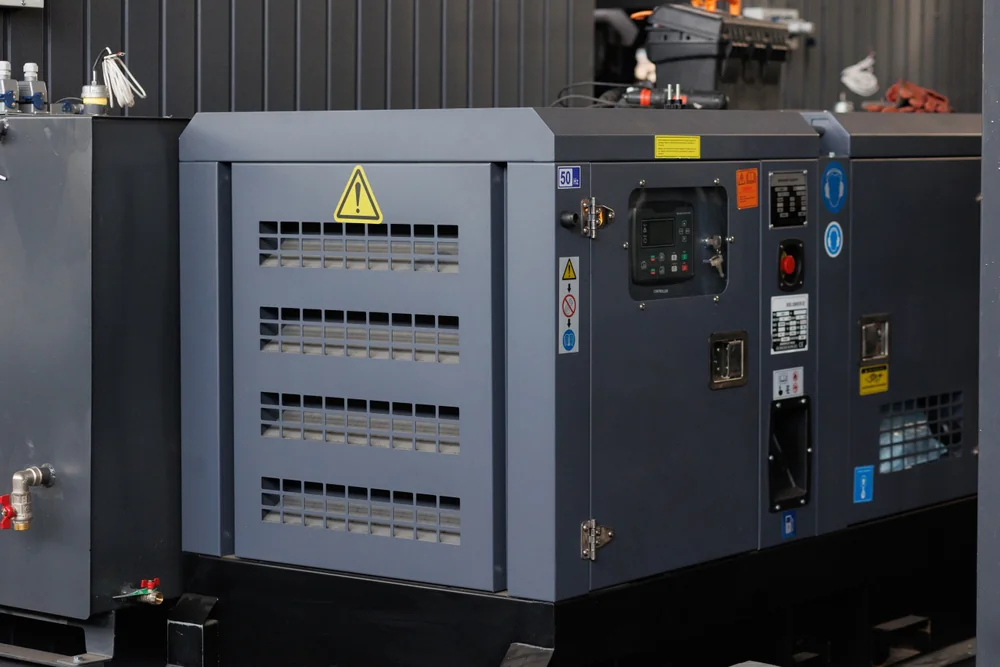
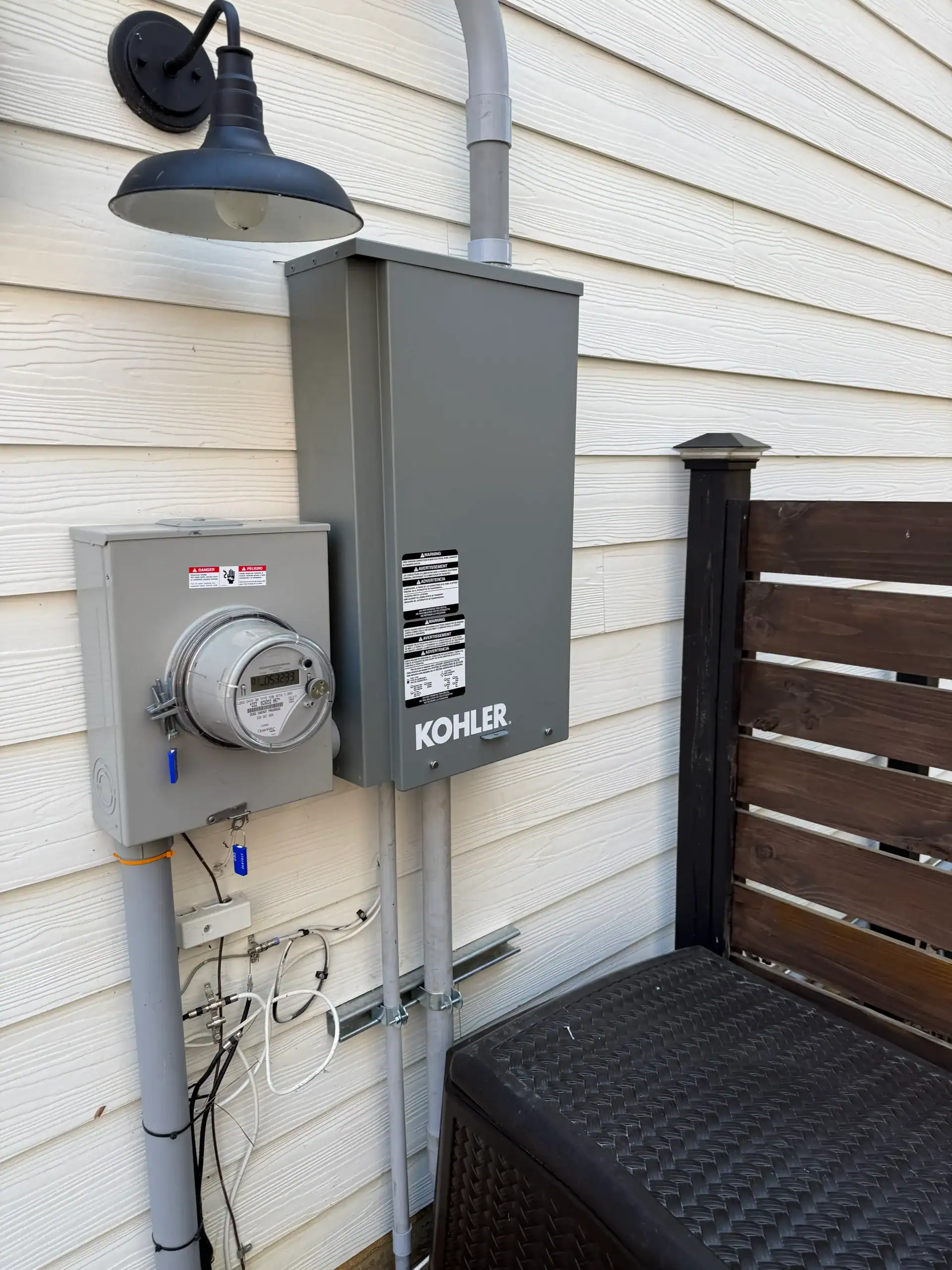
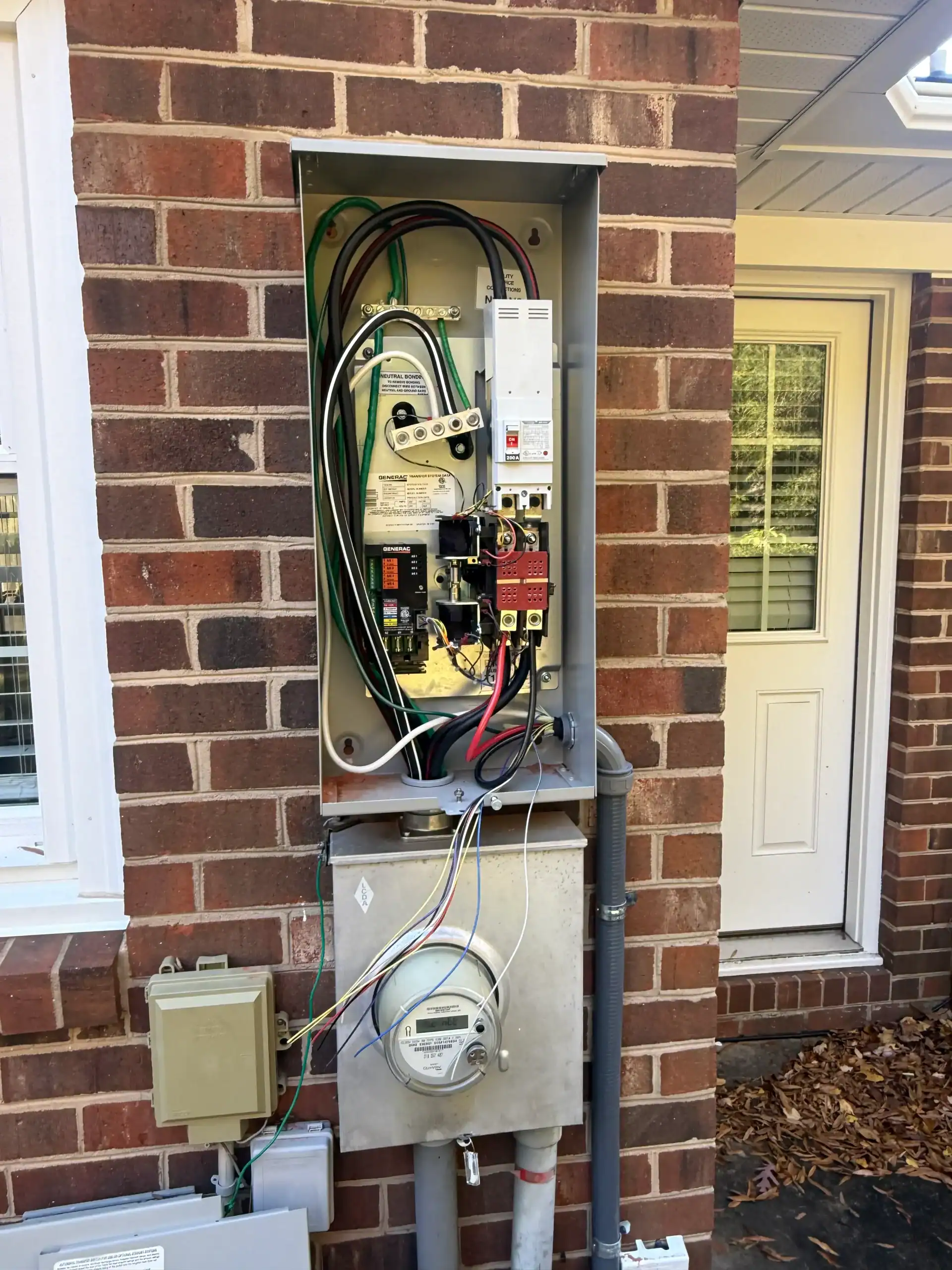
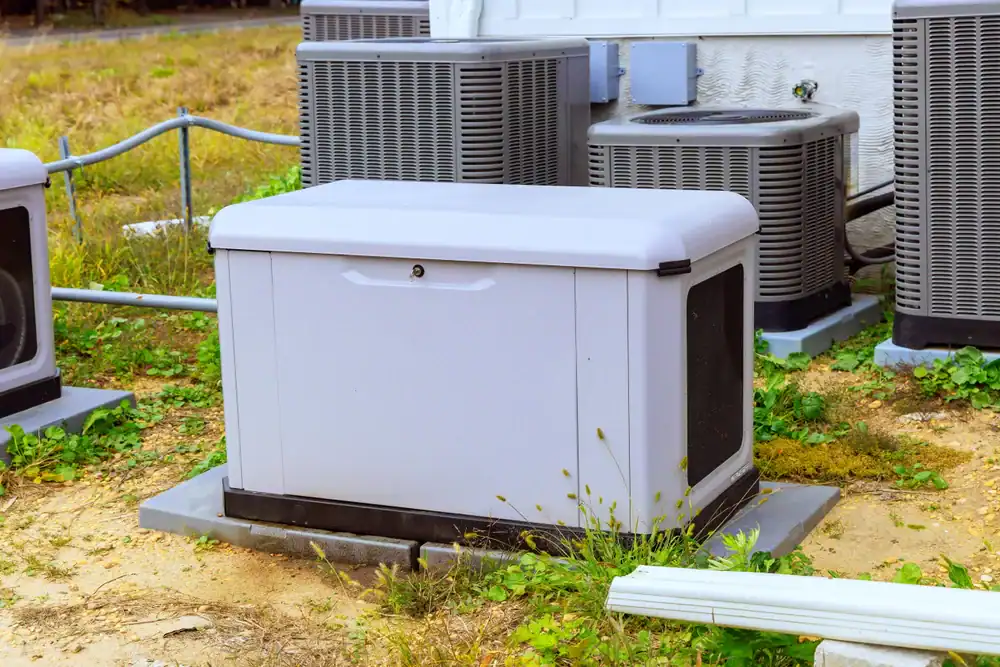
Generator integration is another consideration that often comes up during panel work. North Carolina’s hurricane season runs from June through November, and Alamance County is no stranger to extended outages from tropical systems and ice storms. A generator-ready panel — one that includes the proper interlock or transfer switch wiring — means you’re not scrambling after the storm. Since we specialize in Generac standby generator systems, we can design your panel upgrade with generator compatibility built in from the start, rather than bolting it on later.
There’s also the matter of surge protection. Whole-house surge protectors install at the panel and protect every device in your home from voltage spikes caused by lightning, utility switching, or large appliances cycling on and off. It’s an add-on that costs relatively little during a panel upgrade and can save thousands in damaged electronics and appliances over time.
If you have an electric water heater, it’s worth noting that 240-volt appliances like water heaters draw dedicated circuits, and older panels often have these circuits running through undersized or double-tapped breakers. A panel upgrade is the right time to correct those issues and ensure each high-draw appliance has the dedicated circuit it needs to operate safely and efficiently.
Want live answers?
Connect with a Electrical Service Providers expert for fast, friendly support.
Code compliance is one of those topics that sounds dry until you realize it directly affects your insurance coverage, your ability to sell your home, and whether your electrical system is actually safe. In North Carolina, the governing standard for electrical work is NFPA 70 standards — better known as the National Electrical Code, or NEC.
Here’s where things get specific to NC: the state accepted the 2023 NEC with North Carolina amendments in early 2024, but the effective date has been indefinitely delayed by the General Assembly through Session Law 2025-2. As of now, the 2020 NEC with NC state amendments is what’s actively enforced in Alamance County. Knowing which edition applies matters when you’re pulling permits and scheduling inspections.
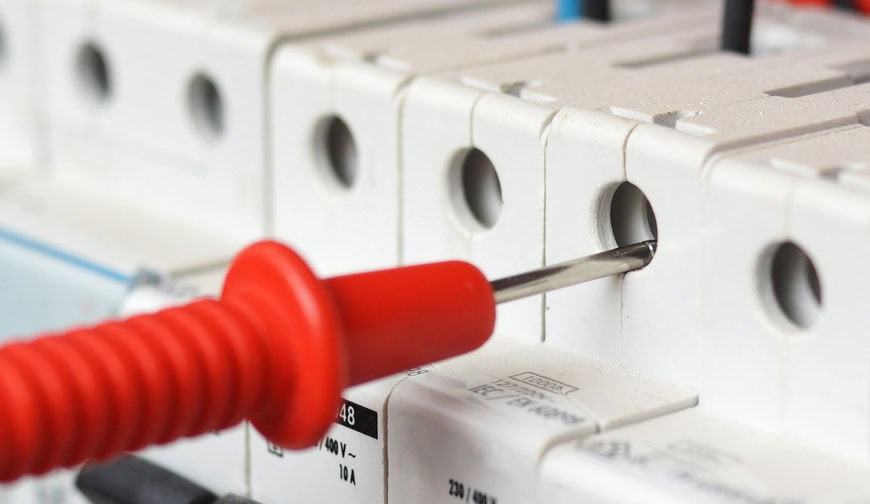
Arc-fault circuit-interrupter protection — AFCI — is one of the most important safety upgrades in modern electrical code, and one of the most misunderstood. Under the 2020 NEC, which is currently in effect in North Carolina, AFCI protection is required in bedrooms. The 2023 NEC expands that requirement to living rooms, hallways, and similar spaces in new construction, so it’s worth understanding even if it isn’t yet mandatory in NC.
What does AFCI actually do? A standard circuit breaker trips when a circuit is overloaded or short-circuited. But arcing — the dangerous electrical discharge that happens when wiring is damaged, loose, or deteriorating — often doesn’t trip a standard breaker. It just keeps arcing. AFCI breakers are designed to detect that arcing pattern and cut the circuit before it causes a fire. The USFA estimates that arcing is the heat source in 63% of direct property damage in home electrical fires.
When we install a new panel or upgrade an existing one, AFCI breaker code compliance is part of the conversation. If your home has older wiring — aluminum wiring was common in homes built between the 1960s and 1980s — AFCI protection becomes even more relevant, because aging and degraded wiring is more prone to arcing. We’ll assess what’s required under current NC code and what’s worth adding proactively, and explain the reasoning behind each recommendation before any work is done.
Ground-fault circuit-interrupter protection — GFCI — is the other major safety requirement that comes up in almost every panel and wiring conversation. Under NEC Section 210.8 electrical code, which governs GFCI requirements for dwelling units, ground-fault protection is mandatory in bathrooms, kitchens, garages, outdoor areas, crawl spaces, and anywhere near a pool or hot tub. The 2023 NEC expands those requirements further to include laundry areas and additional locations, though the 2020 edition is what’s currently enforced in North Carolina.
The purpose of GFCI protection is simple: it detects when current is leaking out of a circuit — often through a person — and cuts power in a fraction of a second. It’s the reason you have those outlets with the “test” and “reset” buttons in your bathroom. When they’re not there, or when they’re not functioning properly, the risk of electrocution in wet areas is real.
During a panel upgrade or electrical system inspection, we verify that all required locations have functioning GFCI protection. In older Burlington and Graham homes throughout Alamance County, this is often where we find gaps — not because the original electrician was careless, but because the code requirements have evolved significantly since those homes were built. Bringing a 1960s home up to current GFCI standards isn’t just about passing inspection; it’s about making the home genuinely safer for the people living in it.
The 210.8 electrical code section is also relevant for commercial properties, where GFCI requirements extend to additional locations beyond what’s required in residential settings. If you own a commercial property in Alamance County, the requirements are more extensive and worth a dedicated conversation with a licensed contractor who understands the commercial electrical code requirements that apply to your specific occupancy type.
The right electrical contractor for a panel upgrade is licensed, pulls permits, explains the work in plain language, and gives you a firm price before touching anything. That combination is less common than it should be.
We’ve been doing this work in Alamance County since 2002. Andy Helton has held his Master Electrician license since 1989, and our team has worked on everything from 1950s mill-era homes in Graham to commercial build-outs in Mebane. We know the local housing stock, we know what Alamance County inspectors look for, and we know how to handle a panel upgrade from the initial assessment through the final inspection — without surprises.
If you have questions about your electrical panel or you’re ready to talk through what an upgrade would involve for your specific home, reach out to us at 336-228-3300. We’re happy to walk you through it.
—
FREQUENTLY ASKED QUESTIONS
**What are the national electrical code standards for residential panels?** The National Electrical Code — published by the NFPA as NFPA 70 standards — is the standard that governs electrical installation requirements across the country. It covers everything from panel capacity and circuit protection to grounding and wiring methods. The NEC is updated every three years, but individual states adopt it on their own timeline. In North Carolina, the 2020 NEC with state amendments is currently in effect. When you hire a licensed electrician to upgrade your panel in Alamance County, the work must comply with that edition and pass inspection by the local authority having jurisdiction.
**How do I find a reliable electrical contractor near me in Alamance County?** Start by verifying that any contractor you’re considering holds a current North Carolina electrical license. A Master Electrician license — the highest level — requires documented experience and a comprehensive exam. Beyond licensing, look for contractors who pull permits for panel work (it’s required by law, and anyone who suggests skipping it is a red flag), provide flat-rate pricing in writing before work begins, and have verifiable local reviews with real names and specific situations. In Alamance County specifically, experience with the area’s older housing stock matters — Burlington and Graham have a significant number of pre-1970 homes that require a different approach than newer construction in Mebane or Elon.
**Does homeowner’s insurance cover electrical panel replacement?** Generally, no — not for routine aging or obsolescence. Insurance covers panel replacement when it’s caused by a covered peril, like a lightning strike or fire. What insurance companies will do is flag certain panels — particularly FPE Stab-Lok and Zinsco panels, which have documented safety failures — and either refuse to renew your policy or require an upgrade as a condition of coverage. If you’ve received a letter from your insurer about your panel, that’s not something to sit on. Unpermitted or unlicensed panel work can also create coverage problems down the road, which is one more reason to make sure the work is done properly and documented from the start.
Article details:
Share:
Continue learning: