Older homes in Alamance County weren't built for today's electrical demands. Here's what you need to know before something forces your hand.
Share:
Summary:
If your home was built before 1990, there’s a reasonable chance the electrical system hasn’t kept up with everything you’re asking it to do. Central air conditioning, a home office, a second refrigerator in the garage — none of that was part of the original design. Most older homes in Alamance County were wired for a different era, and the panel that was standard then isn’t what’s considered safe or sufficient now. This isn’t about scaring you into a repair you don’t need. It’s about understanding what you actually have, what the risks look like, and when it makes sense to consider electrical panel replacement.
The phrase “electrical service upgrade” gets used a lot, but it’s often misunderstood. Most people assume it just means swapping out the breaker box. In reality, it’s a whole-system event that touches several components at once.
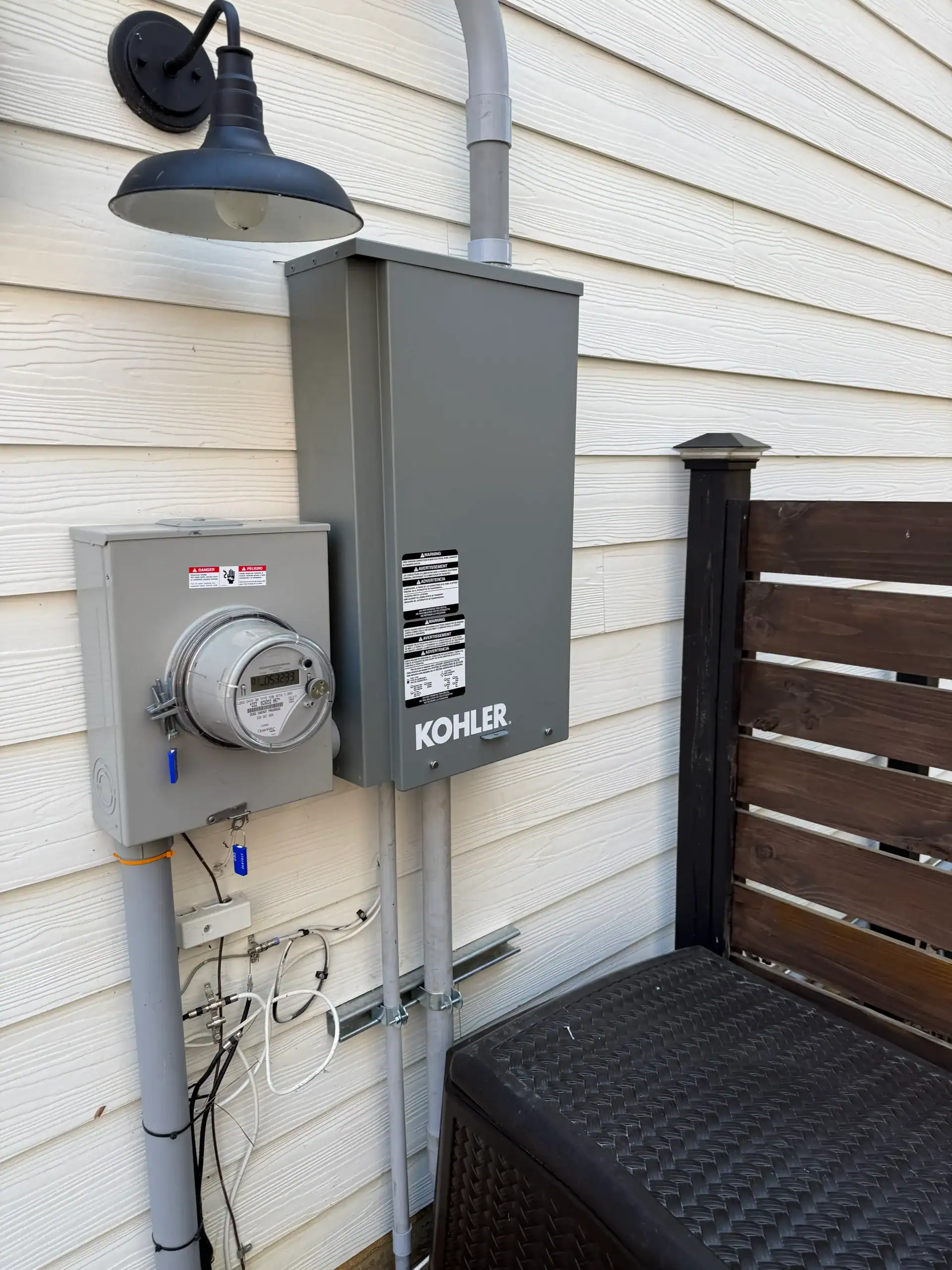
A full electrical service upgrade typically involves the service entrance — the point where utility power enters your home — along with the meter base, the main disconnect, and the panel itself. It also means bringing the system up to current code, which includes adding Arc Fault Circuit Interrupter (AFCI) and Ground Fault Circuit Interrupter (GFCI) protection that simply didn’t exist when most older homes were wired. And in North Carolina, it requires pulling a permit and passing a county inspection before the work is considered complete.
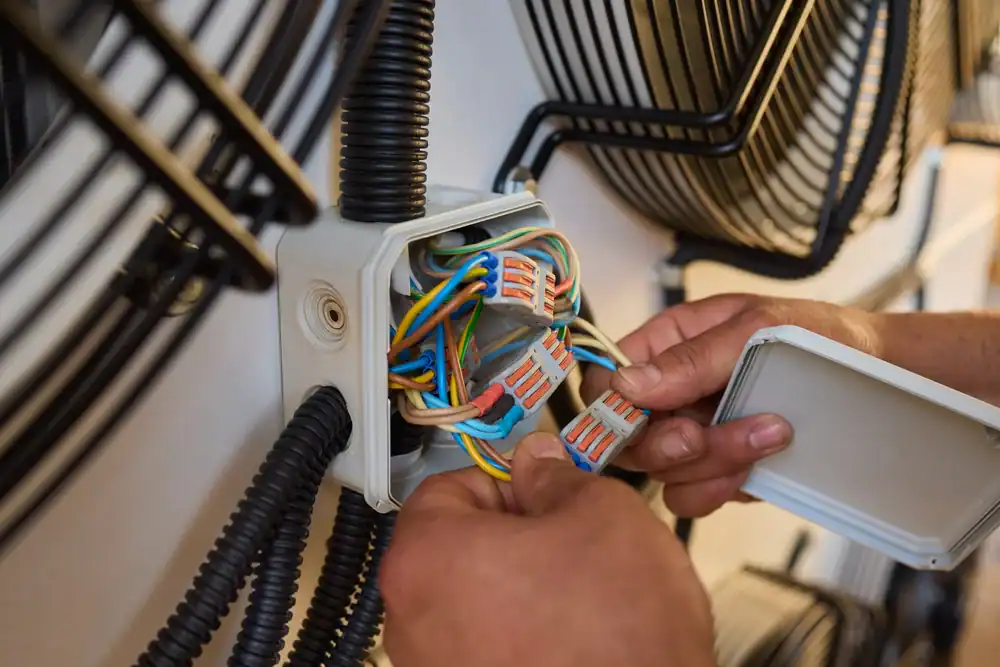
When most of Burlington and Graham’s residential neighborhoods were built — the mid-century streets off Maple Avenue, the post-war subdivisions, the mill-era housing in Haw River and Swepsonville — a 100-amp electrical panel was the standard. It was enough for the loads those homes were designed to carry. That was before central HVAC became universal, before dishwashers and electric dryers were in every kitchen and laundry room, and well before anyone was charging an electric vehicle in the garage.
Today, most homes need at least 200 amps to operate safely and reliably. That’s not an upsell — it’s the current industry standard, and it reflects how much more electricity a typical household now draws on a daily basis. A 100-amp panel running a modern home is like trying to run a full restaurant kitchen on a residential gas line. It might work most of the time, but you’re always one appliance away from a problem.
The more immediate concern is what happens when an overloaded panel doesn’t respond the way it should. Older panels — especially certain brands and designs from the 1960s and 1970s — may not trip when a circuit is overloaded. Instead of cutting power, they allow wires to overheat quietly, sometimes for years, before anything visible happens. The U.S. Fire Administration recorded approximately 23,700 residential electrical fires in the U.S. in 2023 alone, with aging wiring among the leading contributing factors.
If your home is in the 40-to-75-year age range, which describes a large portion of the housing stock throughout Alamance County, it’s worth knowing what you actually have before you assume you’re fine.
Between roughly 1965 and 1975, aluminum was widely used for residential branch circuit wiring as a cheaper alternative to copper. If your home was built or substantially renovated during that window, there’s a real chance it has aluminum wiring — and that matters more than most homeowners realize.
The problem with aluminum isn’t the wire itself under normal conditions. It’s what happens over time. Aluminum expands and contracts with temperature changes more dramatically than copper does. That thermal cycling gradually loosens connections at outlets, switches, and fixtures. Loose connections generate heat. Heat generates arcing. And arcing, left undetected, is one of the more common causes of residential electrical fires.
The U.S. Consumer Product Safety Commission found that homes with pre-1972 aluminum branch wiring are significantly more likely to reach fire-hazard conditions at connections than homes wired with copper. What makes this particularly tricky is that it rarely announces itself. You might not have a single tripped breaker or flickering light. The connections loosen and heat up inside the walls, at the back of an outlet, or inside a junction box — places you’d never look unless something prompted you to.
This is also increasingly a financial issue, not just a safety one. Many insurance carriers in North Carolina now either refuse to write or renew policies on homes with aluminum branch wiring, or they charge significantly higher premiums until the wiring is remediated. If you’ve received a letter from your insurer about your electrical system, aluminum wiring is one of the first things worth checking.
An electrical service upgrade doesn’t automatically resolve aluminum wiring — that’s a separate remediation process. But a panel upgrade is often the starting point for a broader evaluation of what the system actually needs, and the two conversations frequently happen together. If you want to understand your specific situation, we can walk through both.
Want live answers?
Connect with a Electrical Service Providers expert for fast, friendly support.
Not every older home needs an immediate upgrade. But there are situations where the need is clear, and waiting tends to make things more complicated — and more expensive.
The most obvious trigger is repeated breaker trips. If you can’t run the microwave and the coffee maker at the same time without resetting a breaker, that’s not a nuisance — it’s the panel telling you something. Other common triggers include a home inspection that flagged the electrical system, an insurer asking questions about your panel or wiring, or a contractor telling you that the EV charger or generator you want to install requires a panel upgrade first.
This is one of the most common situations we see right now, especially in the eastern part of Alamance County. Mebane has grown significantly as Triangle commuters — many traveling along I-40 and I-85 — have settled there for more affordable housing. That population tends to own newer vehicles, and a growing number of those are EVs.
A Level 2 home charger — the kind that actually charges your car overnight rather than adding 30 miles over 12 hours — requires a 240-volt circuit drawing 40 to 80 amps. If your home has 100-amp service and you’re already running HVAC, a water heater, and a dryer, there may simply not be room to add that circuit safely. The electrician quoting your charger installation isn’t upselling you when they say you need a panel upgrade first. They’re telling you what the math requires.
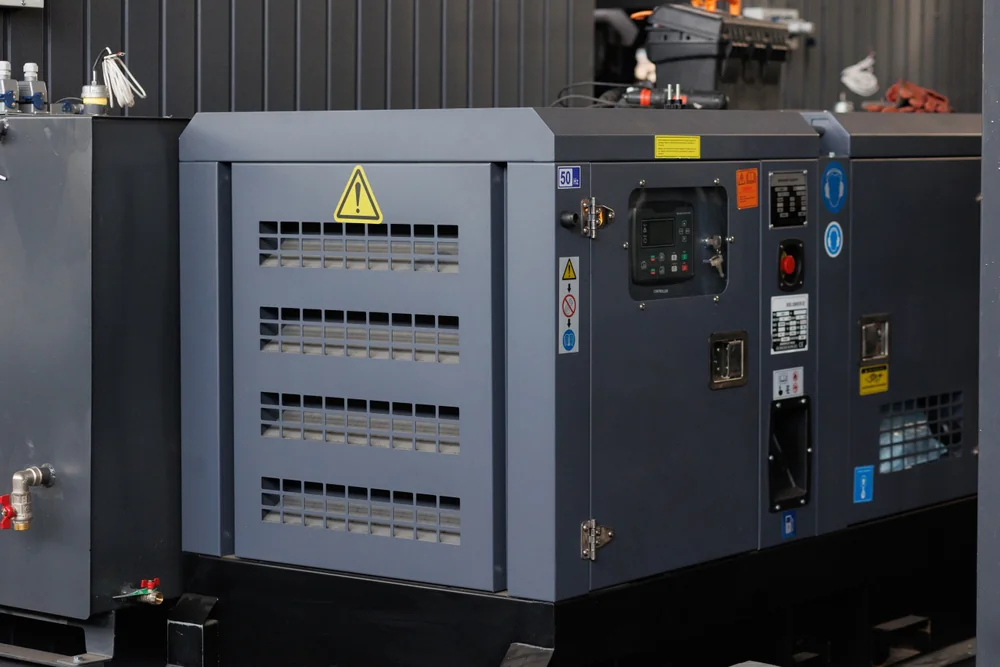
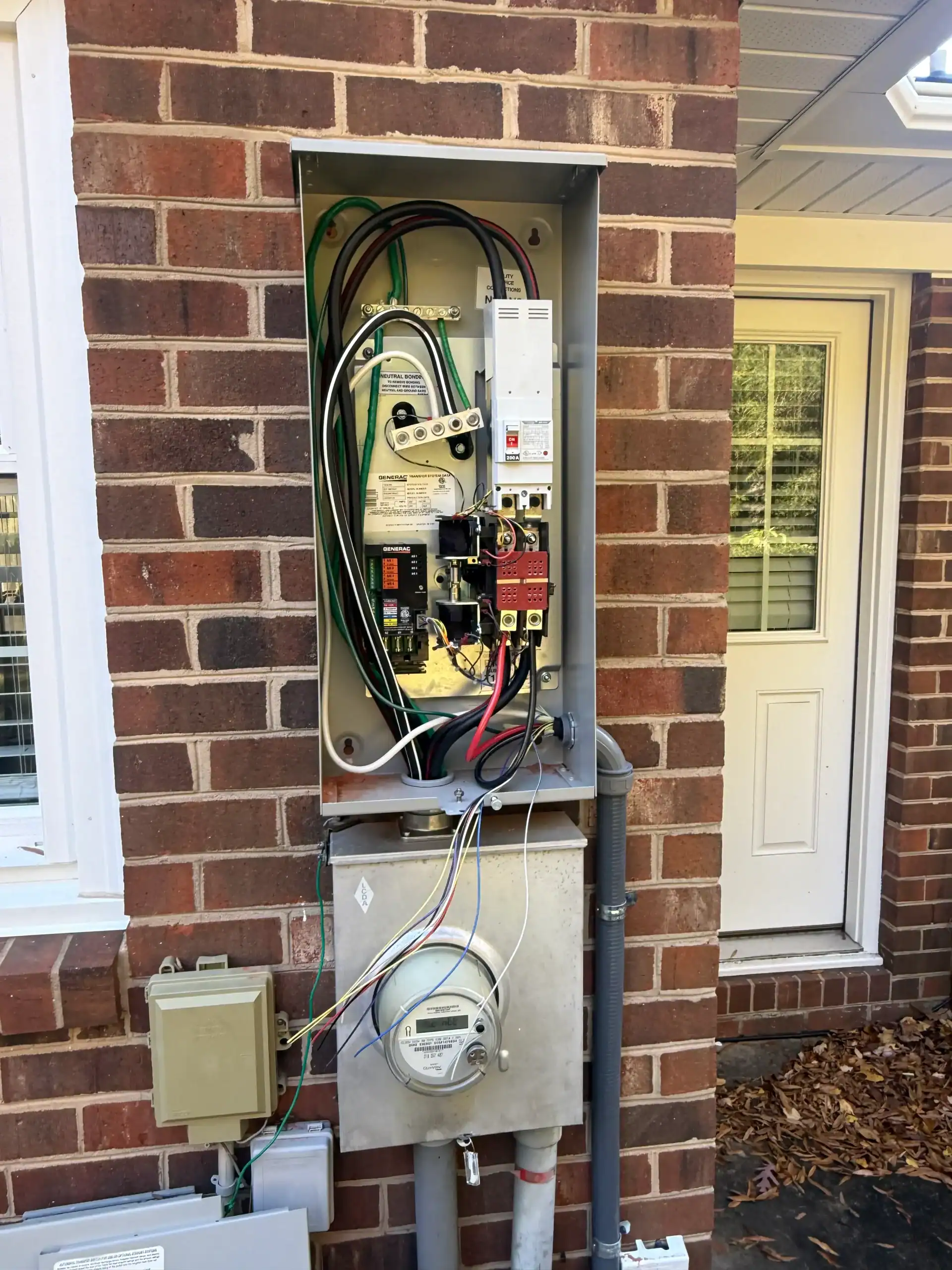
The same logic applies to whole-home generators. Installing a standby generator requires a transfer switch, which connects the generator to your home’s electrical system and manages the load during an outage. That process involves the panel directly, and older 100-amp panels often can’t accommodate it without an upgrade. In Alamance County, where hurricane season runs June through November and power outages from tropical systems are a recurring reality, generator demand spikes every year — and so does the downstream conversation about panel capacity.
If you’re planning either of these installations, it’s worth having the panel conversation early rather than discovering it mid-project. The cost of the upgrade is the same either way, but knowing upfront lets you budget for it and schedule everything together rather than doing two separate jobs.
Yes, in North Carolina, an electrical service upgrade requires a permit. This isn’t optional, and it’s not a technicality. The permit triggers a required inspection by Alamance County Building Inspections, which verifies that the work meets current National Electrical Code (NEC) standards before the job is considered complete. That inspection is what stands between you and a future problem — whether that’s a safety issue, a failed home sale, or an insurance claim that gets denied because the work was never documented.
If an electrician offers to do the job without pulling a permit, that’s not a cost-saving measure — it’s a liability you’re taking on. Unpermitted electrical work can create real complications when you go to sell your home, when you file an insurance claim, or if something goes wrong and the work comes under scrutiny.
When we do an electrical service upgrade, we handle the permit application and coordinate directly with the county inspection process. We also work with the utility company on the service entrance side, which is a step that catches some homeowners off guard. The utility has to disconnect and reconnect power at the meter during the upgrade, and that coordination is part of the process, not an afterthought.
For most homeowners, this means a single day of work — power off while the job is being done, restored before we leave. A properly prepared crew with a stocked truck doesn’t need to make supply runs mid-job, and that matters more than it might sound. Every hour spent waiting on parts is an hour your home is without power.
An electrical service upgrade isn’t a minor repair. It’s a foundational change to how your home handles power — and in a county where a large share of homes were built during the 100-amp panel era, it’s a conversation more homeowners should be having before something forces it.
The most important thing is knowing what you actually have. If your home is more than 35 years old and you’ve never had an electrician evaluate the panel, that’s a reasonable starting point. If you’re planning to add an EV charger, install a generator, or you’ve heard from your insurer about your electrical system, the timeline gets more urgent.
We’ve been doing this work in Alamance County since 2002 — specifically in existing homes, not new construction. If you have questions about what an upgrade involves or whether your home needs one, ESP Electrical Service Providers is a straightforward call away.
Article details:
Share:
Continue learning: