Not sure if your electrical project needs a permit in Alamance County? Here's what NC law actually requires — and what happens when you skip it.
Share:
Summary:
Most people don’t think about electrical permits until they have to — usually right before a home sale inspection turns up work that was never permitted, or when a contractor suggests skipping the permit “to keep costs down.” Both situations create real problems, and neither one is as rare as you’d hope.
If you’re planning electrical work in Alamance County — whether that’s a panel upgrade, a generator install, new circuits for a remodel, or an EV charger — understanding the permit process upfront saves you time, money, and a lot of headaches later. For projects involving electrical panel replacement, knowing the permit requirements before work begins can help keep your project organized and avoid unnecessary delays. Here’s what you actually need to know.
North Carolina law (GS 160D-1110) requires a permit for any electrical installation, alteration, extension, or general repair. There’s no dollar-amount threshold that exempts electrical work the way some other trades have. A common misconception is that small jobs don’t need permits. That’s not how NC reads it.
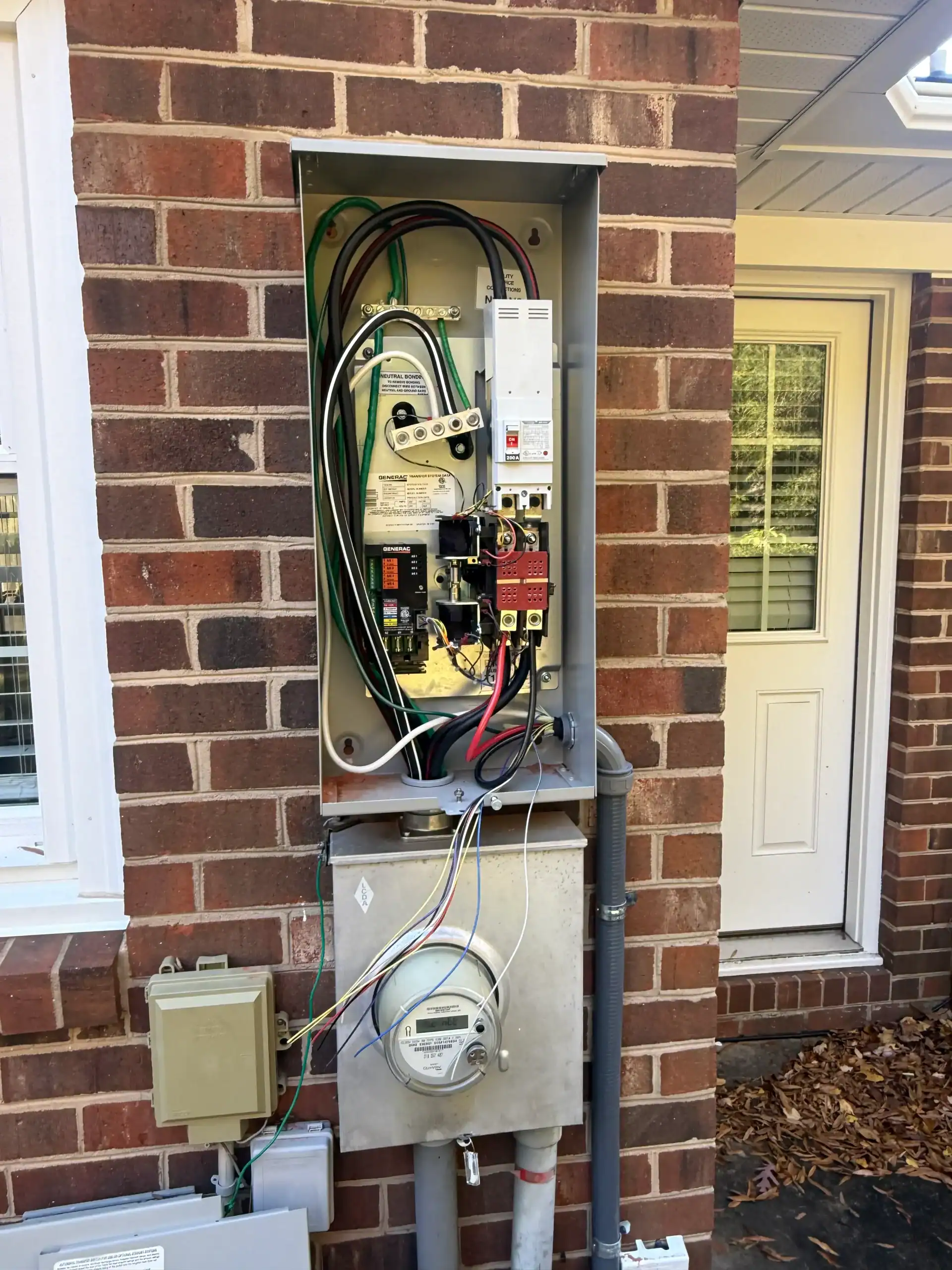
What this means in practice: adding an outlet, replacing a panel, running a new circuit, installing hardwired smoke detectors, wiring for a home addition — all of it requires a permit. The permit triggers an inspection, and the inspection is what confirms the work meets the current National Electrical Code before the walls close up.
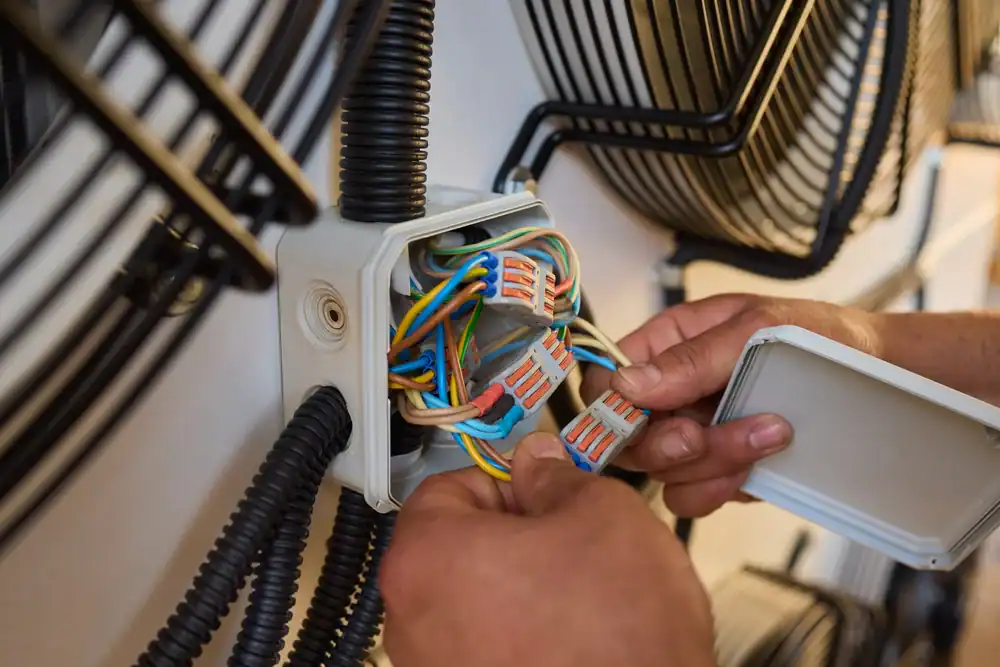
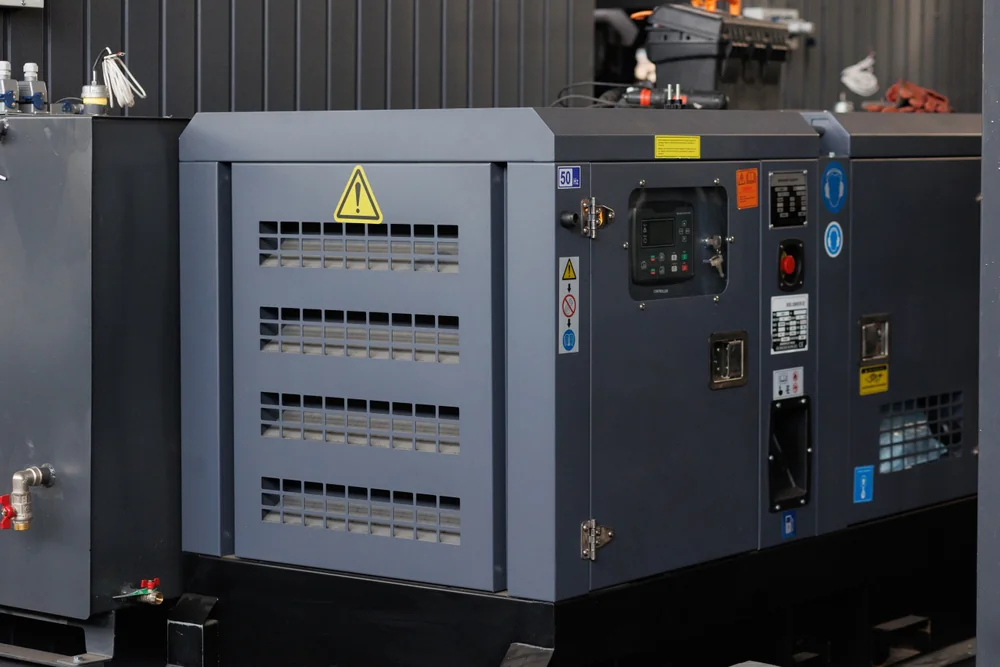
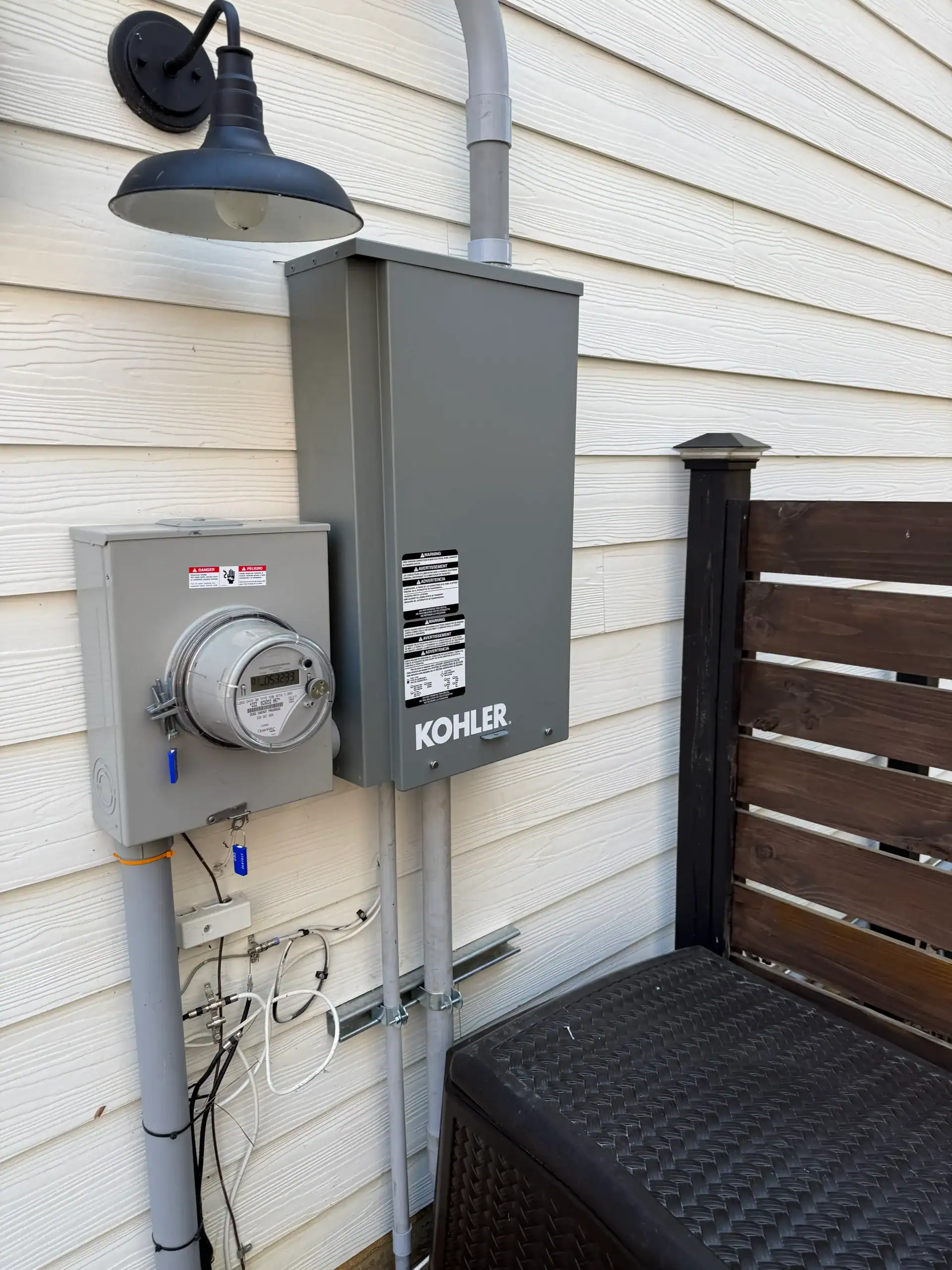
In Alamance County, permitted electrical work includes panel replacements and upgrades, new circuit installations, rewiring projects, generator hookups, EV charger installations, wiring for additions or remodels, and hardwired safety devices like smoke and carbon monoxide detectors. If it involves wiring, devices, or equipment being installed or altered, it almost certainly needs a permit.
North Carolina recognizes three types of electrical permits that cover different scopes of work: a wiring permit for new or altered wiring, a fixture permit for installing devices and fixtures on existing wiring, and an inspection permit when work has already been completed and needs to be reviewed. Each one triggers a corresponding inspection by a licensed county building inspector.
The inspection is the part that matters most. It’s the independent check that confirms the work was done correctly — proper wire gauge, correct grounding, no overloaded circuits, no shortcuts hidden inside walls. When that inspection passes, there’s a documented record attached to your property that the work meets code. That record matters when you sell, when you file an insurance claim, and when something goes wrong down the road.
One thing worth knowing: homeowners in NC can legally pull their own electrical permits and perform their own electrical work in a home they personally occupy, as long as the home isn’t being rented out and isn’t intended for sale within one year of completing the work. That’s a real option for capable DIYers, but the inspection requirement still applies — and the one-year resale restriction is a meaningful limitation if your plans change.
The short answer: the problem doesn’t disappear — it just moves to a worse moment.
Alamance County’s fee schedule doubles the permit fee for any work that’s started before a permit is obtained. That’s a hard financial penalty, not a warning. But the double fee is honestly the least of your worries compared to what happens later.
Unpermitted electrical work is attached to the property, not the contractor. When you sell your home, the buyer’s inspector checks permit records. If they find a panel that was replaced, circuits that were added, or a generator that was wired in — all without permits — you’re now the one responsible for resolving it. That typically means a licensed contractor tearing into finished walls to expose the work, pulling retroactive permits, passing inspection, and patching everything back up. The cost of remediation almost always exceeds what was “saved” by skipping the permit in the first place.
Insurance is another exposure point. If unpermitted electrical work is a contributing factor in a fire or other loss, your insurance company has grounds to deny the claim. That’s not a technicality — it’s a documented risk that adjusters look for.
The other scenario that comes up regularly: a homeowner hires someone who suggests skipping the permit to move faster or keep the price down. That contractor might be unlicensed, might be cutting corners, or might simply not want the work inspected. None of those are good reasons to agree to it. The permit process exists specifically because electrical work that isn’t inspected has no independent quality check — and the consequences of bad electrical work can be severe.
Want live answers?
Connect with a Electrical Service Providers expert for fast, friendly support.
Where you submit your permit application depends on where in Alamance County your property is located — and this is something a lot of people get wrong.
If your property is inside Burlington city limits, permits go through Burlington’s BurlingtonSmart online portal. If you’re in unincorporated Alamance County or in one of the towns the county serves — including Elon, Gibsonville, Green Level, Haw River, Swepsonville, the Village of Alamance, or Ossipee — you work through the Alamance County Inspections Department. Their primary office is at 201 W. Elm St. in Graham, with a second location at 1946 Martin St. in Burlington. You can also reach them at 336-290-0404 or submit electronically at pl********@*********nc.com.
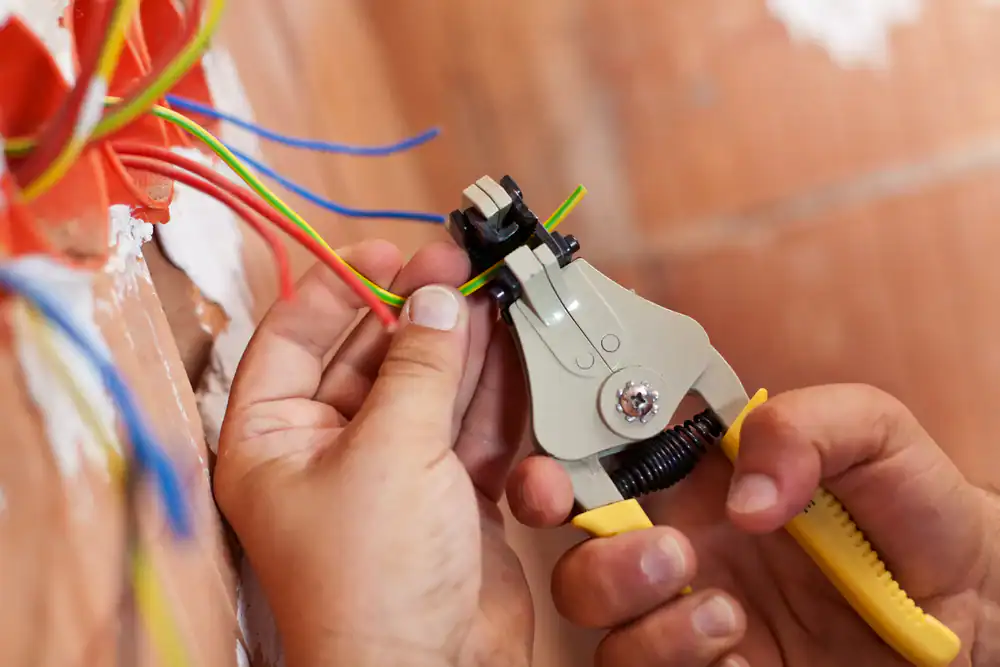
The Burlington/county split trips people up more than you’d think. A homeowner in Elon who assumes they’re filing through Burlington because they associate the area with Burlington ends up submitting to the wrong authority — which delays the permit, potentially delays the project, and in some cases means work starts without a valid permit in hand. That’s exactly how you end up triggering the double-fee penalty.
The practical way to think about it: if your mailing address says “Burlington, NC,” that doesn’t automatically mean you’re inside Burlington city limits. Plenty of properties in Alamance County carry Burlington addresses but sit outside the city boundary. When in doubt, a quick call to the Alamance County Inspections Department at 336-290-0404 will tell you which jurisdiction applies to your address.
For most electrical projects, the permit process itself isn’t complicated once you know where to file. A licensed electrical contractor handles the application, schedules the inspection, and coordinates the timing so the inspector can review the work at the right stage — typically a rough-in inspection before walls are closed, and a final inspection once everything is complete. When the work passes, the permit record is closed out and attached to your property’s history.
The timeline impact of going through this process is usually a day or two for inspection scheduling — not the weeks-long delay people sometimes imagine. A contractor who’s been pulling permits in Alamance County for years has the process down and knows what inspectors look for. That’s not a small thing. A first-time inspection pass means no re-inspection fees, no callbacks, no delays waiting for a second visit.
The Master Electrician designation is the highest individual credential in North Carolina’s electrical licensing structure. It represents the deepest level of demonstrated technical knowledge and field experience — significantly beyond what’s required for a journeyman or apprentice working under someone else’s license.
Andy Helton, who founded ESP Electrical Service Providers in 2002, has held his Master Electrician license since 1989. That’s more than 35 years of licensed experience in residential, commercial, and industrial electrical work. It’s also the credential that’s been behind every permit we’ve pulled and every inspection we’ve passed in Alamance County over the past two decades.
For you, that means the person responsible for your project isn’t a crew of journeymen working under a distant qualifier who signs off on paperwork. The Master Electrician is the one who built this company, still runs it, and still stands behind the work. When we tell you the work passes inspection the first time, that’s not marketing language — it’s the result of knowing exactly what the code requires and building the installation to meet it before the inspector ever shows up.
We use flat-rate pricing, so the total cost is agreed on before work begins. No hourly overruns, no surprises after the fact. Our trucks are stocked to handle most jobs same-day, which means the permit and inspection timeline doesn’t compound with supply delays. And because we’ve been working in Alamance County since 2002, we know the local inspection process — both the Burlington city process and the county process — the way you only learn from doing it repeatedly over many years.
The permit process isn’t the complicated part. The complicated part is finding a contractor you can actually trust to handle it correctly — someone who pulls the permit before work starts, passes inspection the first time, and gives you a clear price upfront so there are no surprises at the end.
Before you hire anyone for electrical work in Burlington, Elon, Graham, Mebane, or anywhere else in Alamance County, take 30 seconds to verify their license at arls-public.ncbeec.org/public/search. Ask them directly which permit authority handles your address and whether they’ll manage the application. A contractor who knows the answers without hesitating is one who’s actually done this work here before.
If you have questions about a project — whether it needs a permit, what the process looks like, or what it’s likely to cost — we’re happy to talk it through. Real people answer the phone, estimates are free, and we’ve been doing this in Alamance County long enough to give you a straight answer.
Article details:
Share:
Continue learning: