Not all backup power is created equal — especially in Alamance County. Here's what actually happens when the lights go out for days, not hours.
Share:
Summary:
If you’ve lived in Alamance County through a bad stretch of weather, you already know that “the power’s out” can mean anything from a few inconvenient hours to a week of real disruption. Most people start thinking seriously about backup power right after one of those longer events — and the first question they land on is whether a standby generator or a portable one is the right call.
It’s a fair question, and the answer isn’t just about price or convenience. It’s about what actually happens on Day 3 of an outage, when the conditions are worst and the decisions you made beforehand either hold up or don’t.
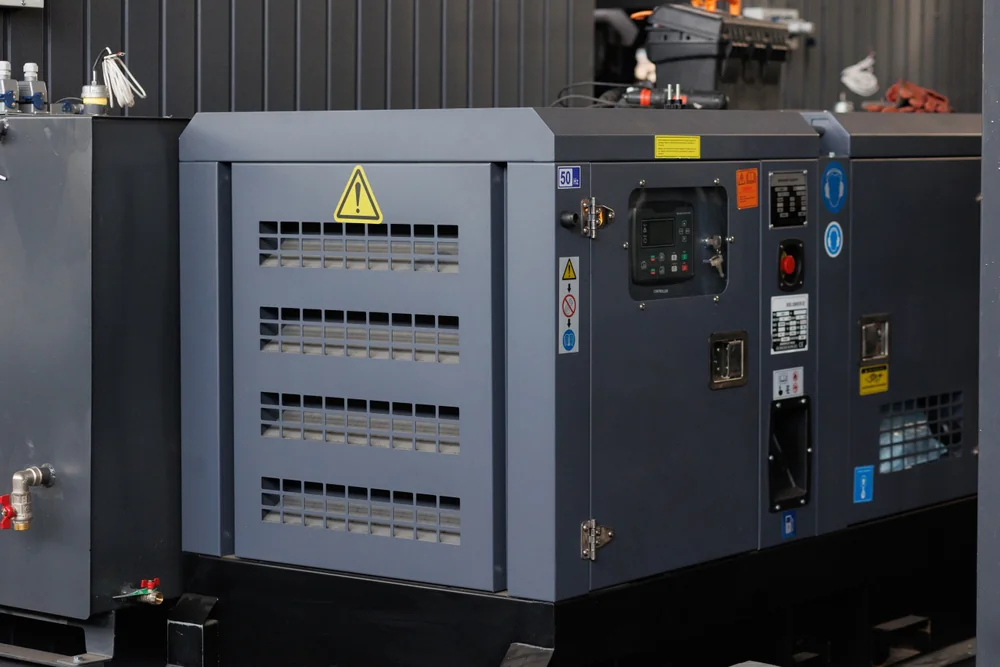
A standby generator is a permanently installed unit — typically outside your home, connected to your electrical panel and a natural gas or propane supply. When the power goes out, an automatic transfer switch detects the interruption and starts the generator, usually within about 10 seconds. You don’t have to do anything. It runs whether you’re home, asleep, or out of town.
A portable generator is a fuel-powered unit you store in a garage or shed, pull out when you need it, start manually, and run extension cords from. It’s less expensive upfront and it works — within limits. Those limits are where most people’s assumptions start to unravel.
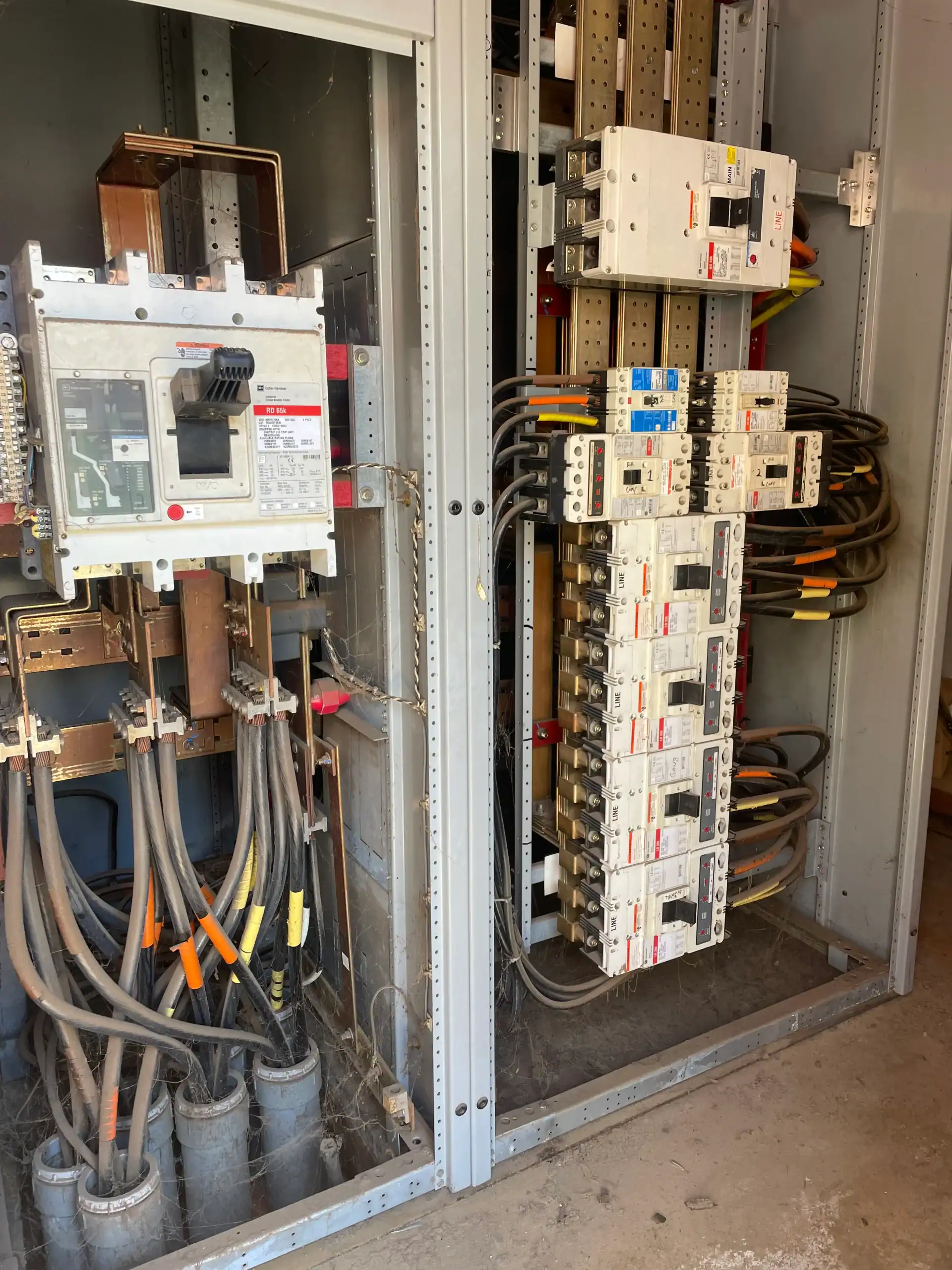
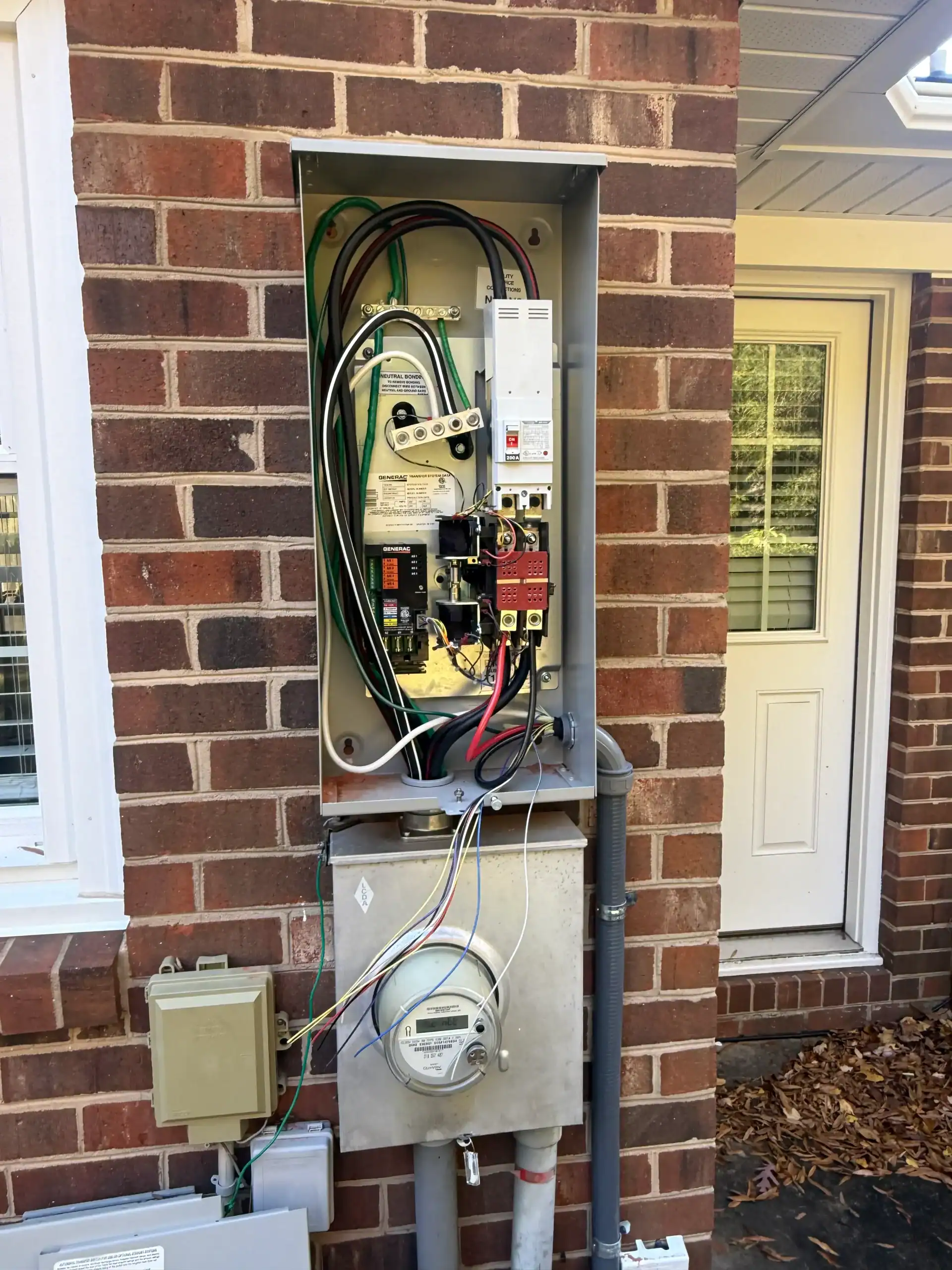
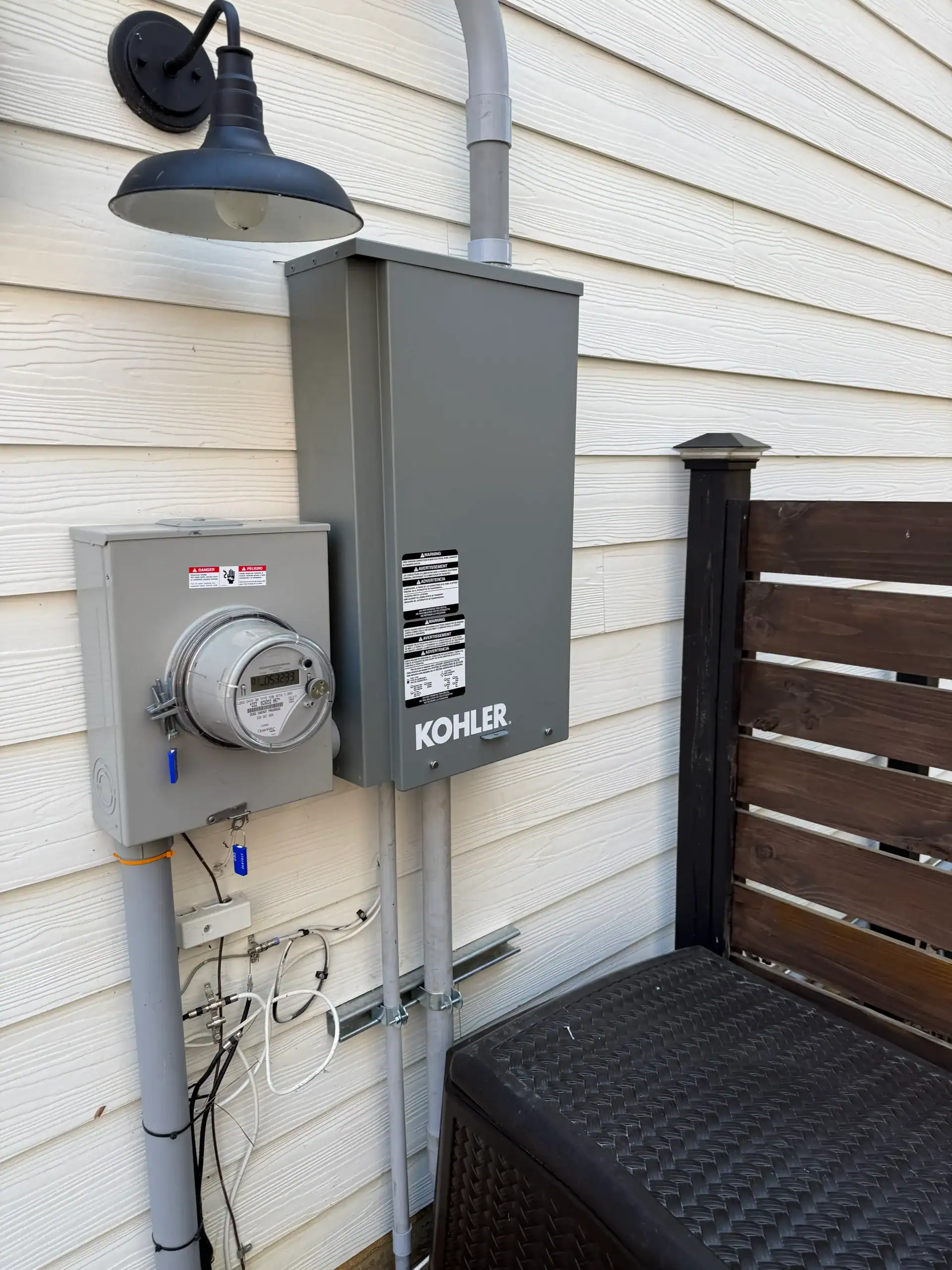
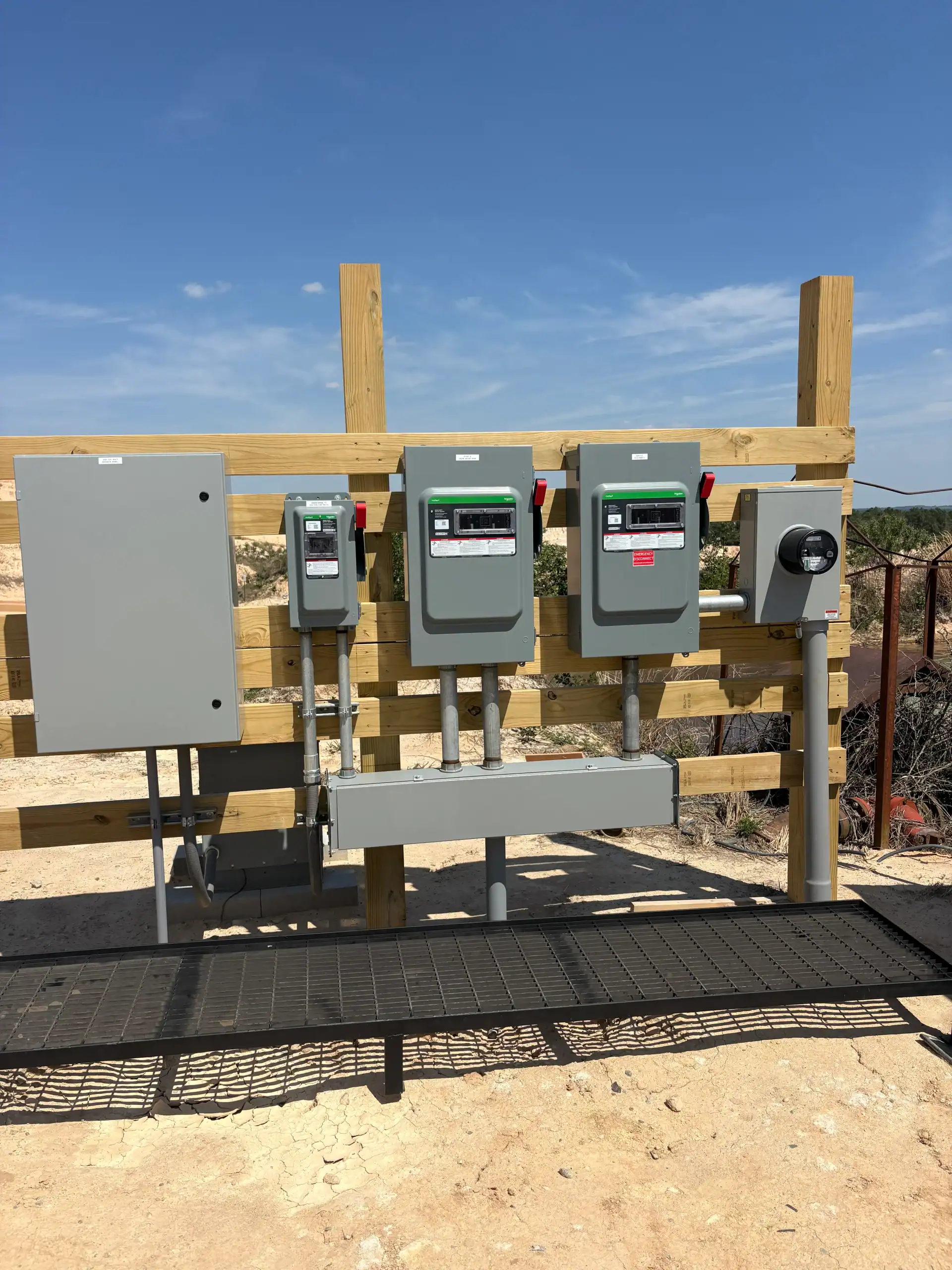
A home standby generator connects directly to your home’s electrical system through a transfer switch, which is the component that safely disconnects your home from the utility grid before the generator kicks in. That disconnect matters — it protects utility workers restoring power and it protects your equipment. When everything is wired correctly and permitted properly, the system behaves like a seamless extension of your normal electrical service.
Depending on the size of the unit, a standby generator can run your entire home — central air conditioning, refrigerator, lights, sump pump, well pump, and anything else on your panel. The Generac 7.5 kW PowerPact, for example, is an entry-level standby system designed specifically as an affordable alternative to portable backup power. Larger whole-home systems in the 22 kW range handle essentially everything without prioritizing or rationing.
The fuel supply is self-feeding. If you’re connected to natural gas, the line runs continuously from the utility — there’s nothing to refill. Propane systems draw from a tank on your property. Either way, you’re not making a fuel run in the middle of a storm.
One detail worth knowing: most modern standby generators run a brief automatic self-test cycle once a week to confirm they’re operational. You don’t have to remember to check it. When the storm comes, the system has already verified it’s ready.
Portables work fine for short outages — a few hours, maybe overnight. The problems show up when the outage stretches past that. A mid-size portable generator runs roughly 8 to 12 hours on a full tank of gasoline. After that, you’re refueling. During a major storm in Alamance County, the gas stations nearest to Burlington or Graham may be closed, damaged, or running two-hour lines. If you planned to store fuel ahead of time, gasoline degrades in about 30 days without a stabilizer — so whatever you put away last season may not be reliable when you actually need it.
There’s also the matter of what a portable can realistically power. Extension cords can’t safely run central air conditioning, a well pump, or a sump pump. In a North Carolina summer, the inability to run your HVAC isn’t just uncomfortable — it’s a genuine health concern for elderly family members and young children. And if anyone in your household depends on medical equipment like an oxygen concentrator or a CPAP machine, a portable generator running on extension cords is not a viable solution.
The safety issue is real and underappreciated. Portable generators produce carbon monoxide and must be operated well away from windows, doors, and attached garages. They kill approximately 85 to 100 people per year from CO poisoning — not because people are careless, but because the conditions during an outage (dark, stressful, often wet) make safe operation harder than it sounds in the manual.
Then there’s the scenario nobody plans for: what if you’re not home when the power goes out? A standby generator activates automatically. A portable one sits in the garage until someone pulls it out. If your spouse is traveling, if you’re at work, if an elderly parent is home alone — that distinction is the whole ballgame.
Want live answers?
Connect with a Electrical Service Providers expert for fast, friendly support.
North Carolina ranks fourth in the nation for weather-related power outages, with 111 major outage events documented between 2000 and 2023. Alamance County sits in the Piedmont, which means it catches hurricane remnants tracking inland from the coast, summer thunderstorms with real wind, and ice events in winter. Burlington Municipal Airport recorded wind gusts of 37 mph during Hurricane Florence in September 2018. A documented county ice storm brought gusts up to 43 mph and wind chills as low as 10 degrees.
These aren’t rare edge cases. They’re the conditions under which your backup power system has to perform. The question isn’t whether a portable generator works in theory — it’s whether it works on Day 3 of that kind of event, when you’re tired, the fuel is running low, and the weather hasn’t let up.
The upfront cost of a standby generator is higher than a portable — that’s true and worth acknowledging directly. Most homeowners in Alamance County spend somewhere between $7,000 and $15,000 for a fully installed whole-home system, depending on the size of the unit, the complexity of the gas line work, and local permitting requirements.
That number looks different when you run the full math. A multi-day outage with a portable generator means fuel costs, food spoilage (typically $150 to $300 per event), and potentially hotel stays in Burlington or Graham while you wait for the grid to come back up. Hurricane Helene in 2024 left some communities in western North Carolina without power for 14 days or more. At that scale, the “cheaper” option stops being cheap very quickly.
There’s also the home value side of the equation. A standby generator adds an estimated 3% to 5% to a home’s resale value. For a home near the Alamance County median, that’s a meaningful offset against the installation cost — one that a portable generator sitting in your garage doesn’t provide.
We offer financing options for customers, which means the upfront cost doesn’t have to be the deciding factor. If a standby system is the right fit for your home, there are ways to make it work financially without putting everything on the table at once.
Yes — and this is one of the details that catches homeowners off guard. In North Carolina, connecting a standby generator to your home’s electrical system requires a permit. That permit submission needs to include proof of contractor licensing and documentation showing the generator’s proposed location relative to your home and property lines. The installation must be performed by a licensed electrical contractor and pass inspection before the system can be used.
This isn’t bureaucratic friction for its own sake. NEC Article 702 and NFPA 37 govern standby generator installations because the stakes of a bad install are serious — backfed electricity, improper gas connections, and failed transfer switches are all real hazards. The permit process exists to verify the work was done correctly.
For Alamance County homeowners, the practical implication is straightforward: whoever installs your generator needs to be licensed by the NC State Board of Examiners of Electrical Contractors and experienced enough that the work passes inspection the first time. A failed inspection means delays, re-work, and additional costs — none of which you want to deal with when you’re trying to get a system in place before storm season.
We handle the permits, the panel connections, the gas line coordination, and the inspection process. Andy Helton, our Master Electrician, has held his NC license since 1989 — well before ESP Electrical Service Providers was founded in 2002. We’ve been doing this work in Alamance, Orange, Chatham, and Durham County long enough to know exactly what the inspectors look for, and our installations pass the first time. You get a written price before we start, and that price doesn’t change when the job is done.
For short, infrequent outages, a portable generator can get the job done. But if you’ve experienced a multi-day outage in Alamance County — or you’re thinking seriously about what happens when the next one comes — a standby generator is a different category of solution. It’s automatic, it powers your whole home, it runs on a self-feeding fuel supply, and it works whether you’re there or not.
The decision comes down to what you actually need backup power to do. If the answer involves central air conditioning, a sump pump, medical equipment, or simply not being home to operate anything manually, a standby system is the only option that holds up under real conditions.
If you’re ready to figure out what size system fits your home and what the installation would involve, reach out to ESP Electrical Service Providers. We’ll give you a straight answer and a flat-rate price — no hourly billing surprises, no vague estimates. Just a clear picture of what it takes to keep your home running when the grid can’t.
Article details:
Share:
Continue learning: