
What is power surge?
Simply put, a power surge is an unintentional fluctuation in current, voltage, or power that can cause harm to electronic items in the home.
Common reasons for Power Surge
1. Electric Overload
Electrical overloads, as the name implies, are situations in which you try to draw too much power out of a single circuit. Overuse of extension cords, overloading appliances or using an appliance that exceeds the circuit’s amperage limits can all lead to electrical overloads. Overdrawn circuits can cause power surges. This is because the overload circuit could experience a huge spike in current as a result of the excess power being drawn.
2. Faulty wiring
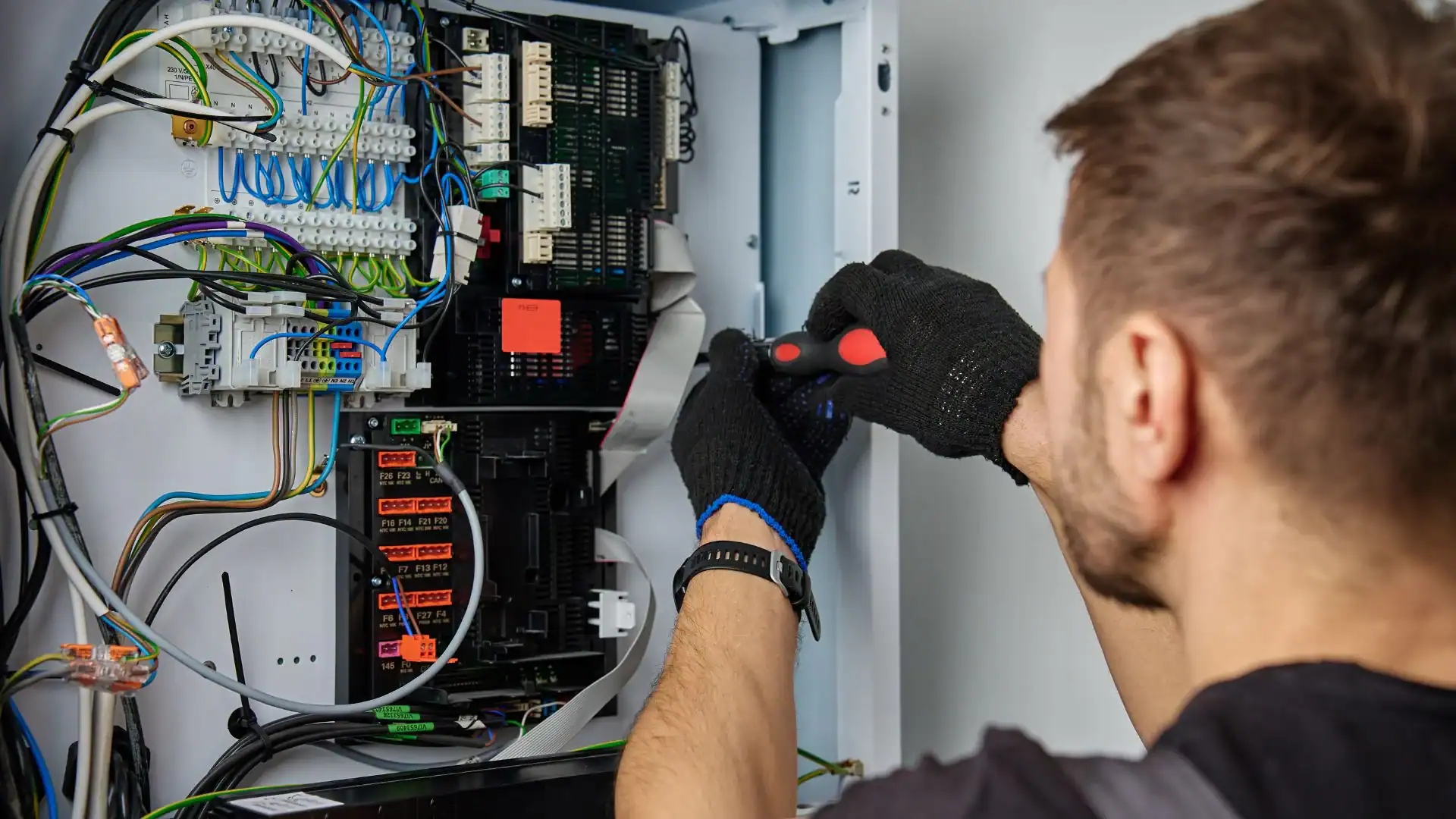
The distribution of electricity is dependent on the wiring. A power surge can occur if the wiring is exposed or damaged. A wire that is exposed or damaged offers very little resistance to electricity, so any conductive material could spike the current to dangerous levels. We have listed a few indicators that may indicate wiring problems without going into your drywall.
1) Outlets have visible burns marks or a burning smell
2) Vibrations or buzzing sounds coming from outlets
3) Circuit Breakers Trip Frequently
Contact Electrical Service Providers (ESP) if any of these signs are true.
3. Lightning
Lightning strikes can easily cause damage to your electrical system that is designed to channel electricity. Your electrical system will accept an excessive amount of current if lightning strikes it. This causes a huge surge, which can cause a power outage. If you don’t have surge protection, it is a good idea to unplug all unused appliances and devices during severe storms.
4. Blackout/Power Outage
A power outage can be expected during a storm or a power grid breakdown. It’s possible for it to be unexpected, but it can still cause damage. After power is restored, the surge in current can cause a power surge that damages any appliances previously unpowered.
Tips to avoid Power surge at Home
Anytime power surges can happen, they can cause damage to your appliances or even cause major power outages at your home. Power surges are basically an abrupt, large-scale surge of voltage that runs through your sockets and electrical wires. These surges can last milliseconds, but they can cause severe damage.
Lightning, faulty wiring and issues with the power grid or electrical supply, as well as transformer problems, can all cause power surges. Power surges can occur due to faulty wiring, lightning, faulty wiring, uneven electrical supply or power grid issues and transformer problems. This can cause a variety of electrical hazards and even accidents. You must take all precautions to avoid a power surge and protect your home and family.
1. Whole home surge suppressor installation
You need a device that can prevent surges in power. These devices can be connected to service panels and act as a gateway for electricity. The suppressor will immediately shut down the power supply and redirect the current to ground wire if the voltage or electrical supply starts to rise. Thermal fuses and other equipment that can warn you if your home is experiencing power surges are also helpful. To protect all electrical units and appliances, including cable wires, you can use whole-house units.
2. Protect electronic devices that are susceptible to power surges
Surge suppressors will not be sufficient for many electrical appliances. Power surges can still affect electronic equipment such as computers, air conditioners, and other electronics. A separate device such as the UPS uninterrupted power supply, attached to sensitive appliances, helps in balancing the voltage and prevents it from being damaged. Power stations and power strips for phone and cable lines.
3. Removing electronic appliances
Be careful with electronic equipment. Make sure to turn off the TV and computer when not in use. You should reduce the amount of time you use devices that require a lot of voltage, such as the air conditioner. To avoid power surges, switch off as many electronic devices you can. This will reduce the risk of power surge. You should not overload your outlets with plugs from different brands.
4. Repairing circuits that are too full
You should not have more than one plug in one socket for any one device. Many households have multiple devices that can be plugged into one socket. All large electronic equipment should have its own circuit. To distribute electricity evenly and prevent surges from happening, multiple devices could be split into separate sockets.
Make sure your electrical system is in good health and make smart use of electronic devices.
Be careful with your appliances and ensure they are turned off when not in use. Avoid overloading circuits and reduce the time that high-voltage electronic equipment is being used. To prevent power surges from happening, take all precautions.
We can help you if you are experiencing power surge issues at your office or home.