Most homeowners focus on buying smart devices. Few think about whether their home's electrical system can support them—until breakers start tripping.
Share:
Summary:
You bought the smart thermostat. Downloaded the app. Followed the instructions. And now it’s not working the way it should—or worse, your breaker keeps tripping every time you run the dryer and charge your car.
The problem isn’t the device. It’s what’s behind your walls.
In 2026, smart home technology has moved beyond novelty into necessity for homeowners throughout Alamance County, Durham County, and the surrounding Triangle area. But most people are discovering a frustrating truth: the devices are ready, but their electrical systems aren’t. This guide breaks down why working with an electrical contractor who understands both power and home automation isn’t optional anymore—it’s essential for any serious smart home installation. If you’re experiencing unexpected breaker trips or other electrical issues, electrical troubleshooting can help identify what’s happening behind the walls.
There’s a difference between someone who can mount a Ring doorbell and someone who can ensure your home’s electrical system won’t fail when you add six more devices next year.
Smart home installers focus on devices. An electrical contractor who specializes in home automation focuses on infrastructure. One connects gadgets. The other makes sure your home can actually power them without overloading circuits, tripping breakers, or creating fire hazards that put your family at risk.
The distinction matters more now than ever. With the average smart home containing 15 to 20 connected devices in 2026, your electrical panel, wiring, and circuit capacity have become the foundation everything else depends on. Skip that foundation, and you’re building on sand—especially in older homes common throughout Chatham County, Orange County, and Guilford County, NC.
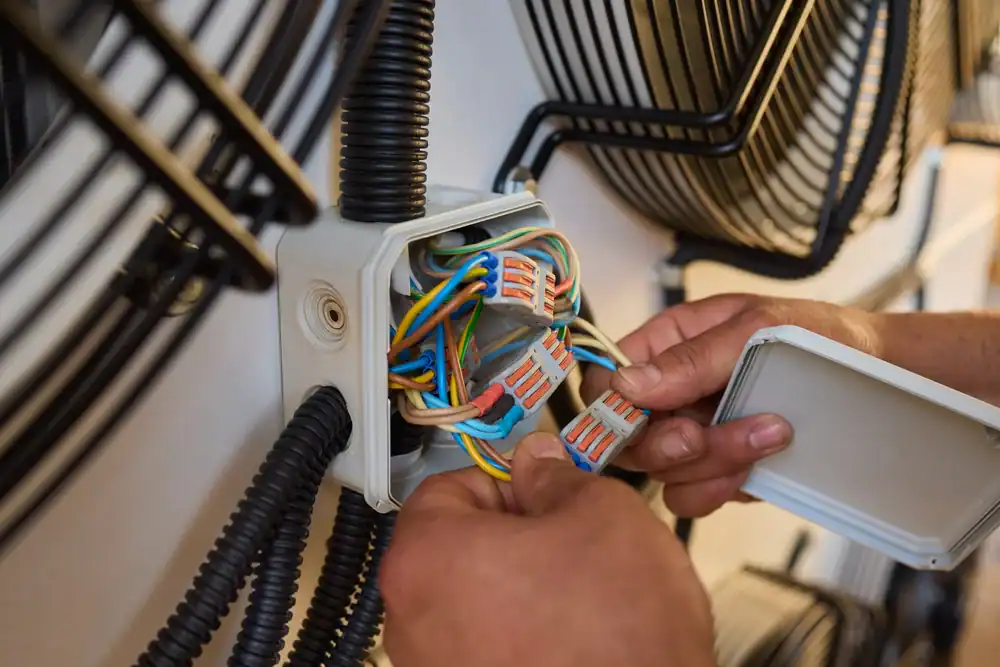
Your electrical panel doesn’t get the attention your voice assistant does. But it’s doing the actual work that makes integrated electrical systems function.
Every smart device you add increases the load on your electrical system. Smart thermostats, security cameras, lighting controls, entertainment systems, EV chargers—they all draw power. And if your panel was installed 20 or 30 years ago, it wasn’t designed for this level of demand.
Older panels max out at 100 or 150 amps. Modern smart homes often need 200 amps or more. Add an electric vehicle charger, and you’re looking at a 40 to 50 amp draw just for that one device. Throw in a smart HVAC system, a few security cameras running 24/7, and automated lighting throughout the house, and you’re pushing limits that weren’t meant to be pushed.
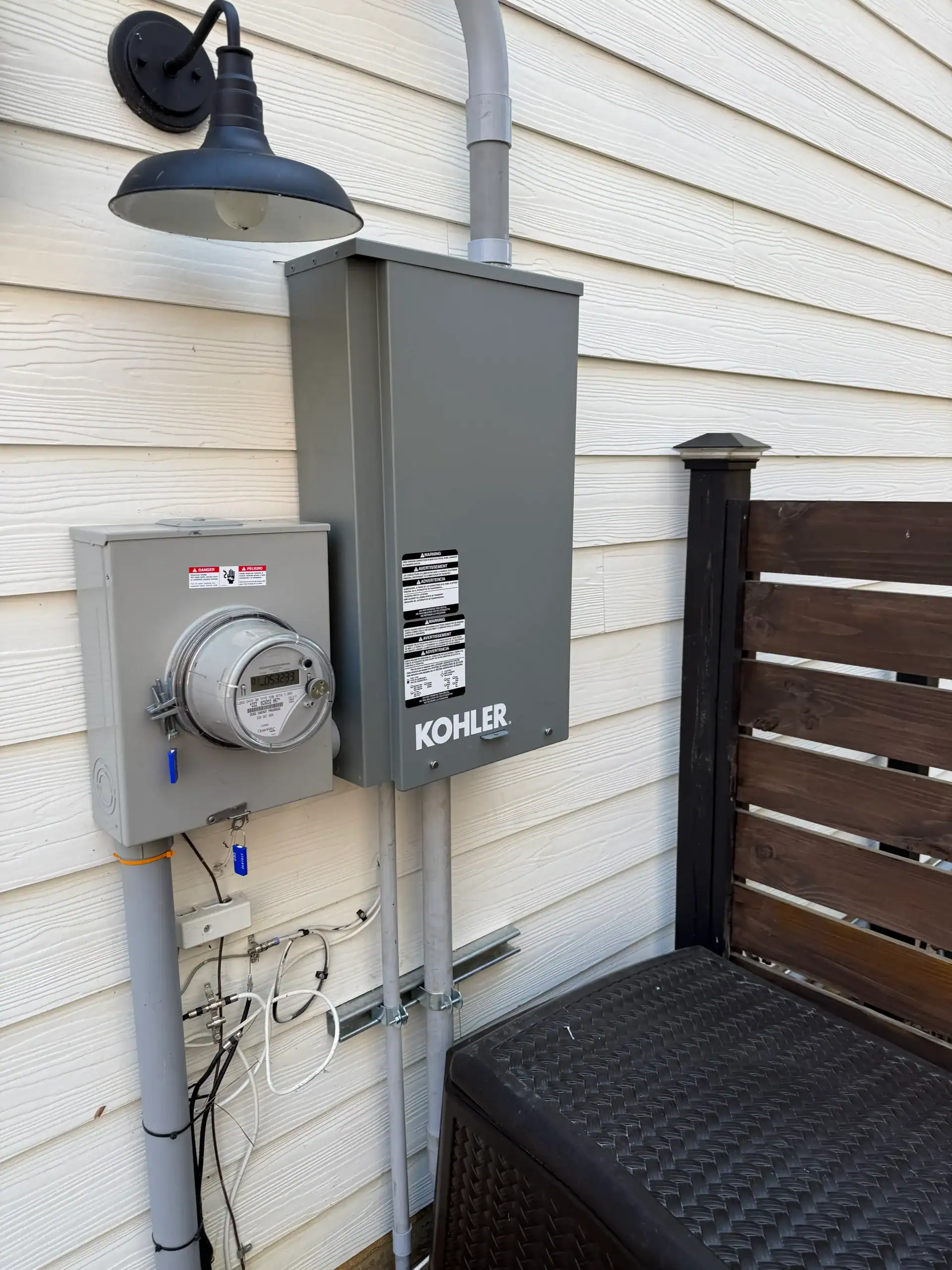
That’s where smart panel upgrade technology changes the equation completely. Modern smart panels don’t just distribute power—they manage it intelligently. They monitor every circuit in real time. They balance loads automatically. They let you see exactly where your energy is going and give you control over individual circuits from your phone, which is critical for IoT home safety.
More importantly, smart panels with load management features can help you avoid the $4,000 to $15,000 cost of a utility service upgrade. Instead of increasing the power coming into your home, they intelligently distribute what you already have. When you plug in your EV at night, the panel might temporarily reduce power to your pool pump or delay your water heater cycle. You get the charging you need without overloading your system.
We don’t just install a panel when you work with us. We design a system that grows with you. We assess your current usage, plan for future additions, and ensure every circuit is properly sized and protected. That’s not something you get from a device installer following a YouTube tutorial—and it’s why homeowners in Durham County, NC and beyond are learning that their electrical contractor needs to be their home automation expert from day one.
Your smart doorbell keeps going offline. Your security cameras drop their feed at random times. Your automated lights flicker or don’t respond to commands. You assume it’s a Wi-Fi problem or a bad device.
It’s probably your electrical system failing under modern demands.
Smart devices are sensitive to power fluctuations in ways traditional appliances aren’t. Voltage drops, loose connections, inadequate grounding, and overloaded circuits all cause problems that look like device failures but are actually infrastructure failures. This is especially common in homes throughout Alamance County, NC and Orange County, NC, where many houses were built before smart home installation was even a consideration.
Here’s what happens: Your home’s wiring degrades over time. Connections loosen. Breakers wear out. Neutral wires develop resistance. These issues might not affect a lamp or a toaster, but they absolutely affect devices with microprocessors that expect clean, stable power for proper IoT home safety.
Then there’s the compatibility nightmare most homeowners face when attempting DIY smart home installation. You buy a Nest thermostat, Ring cameras, Philips Hue lights, and an Amazon Echo. Each one uses a different protocol—Wi-Fi, Zigbee, Z-Wave, Bluetooth. Your thermostat needs its own app. Your lights need another. Your security system needs a third. Nothing talks to anything else, and you’re juggling five apps just to turn off the lights and lock the door. This isn’t home automation—it’s home frustration.
When you work with us as your electrical contractor who specializes in integrated electrical systems, we approach this differently. We start by assessing your electrical infrastructure—not just whether it meets code, but whether it can reliably support the devices you want. We check for proper grounding, adequate circuit capacity, and clean power delivery. We identify problems before they cause failures.
Then we help you choose devices that actually work together as a cohesive system. We know which systems integrate well, which require hubs or bridges, and which protocols make sense for your home’s layout. We understand that a Zigbee mesh network needs devices close enough to relay signals, and we plan accordingly.
Most importantly, we handle the wiring that makes everything reliable. Battery-powered sensors are convenient until you’re changing batteries every few months. Hardwired devices don’t have that problem, but they need proper installation by a qualified electrical contractor. We run the low-voltage wiring for sensors, cameras, and control panels. We ensure network infrastructure—ethernet drops, access points, central hubs—has the power and connectivity it needs.
This is the difference between buying devices and building a real smart home. One leaves you frustrated. The other gives you the automated, efficient home you actually wanted.
Want live answers?
Connect with a Electrical Service Providers expert for fast, friendly support.
Most homeowners throughout Guilford County, NC and the surrounding areas don’t think about their electrical system until something goes wrong. By then, you’ve already bought devices that don’t work properly, wasted time troubleshooting problems you can’t fix, and maybe even created safety hazards you don’t know about.
Here’s how to get ahead of that before you invest in another smart device. Look at your electrical panel. If it’s more than 20 years old, it probably wasn’t designed for the load you’re putting on it now. Count your available breaker slots. If you’re out of space, you can’t add circuits for new devices without a smart panel upgrade.
Check how often your breakers trip. If it’s happening regularly, you’re overloading circuits. That’s not just inconvenient—it’s dangerous. Breakers trip to prevent fires. If they’re tripping often, your system is telling you it can’t handle what you’re asking it to do, and no amount of smart home installation will fix an inadequate electrical foundation.
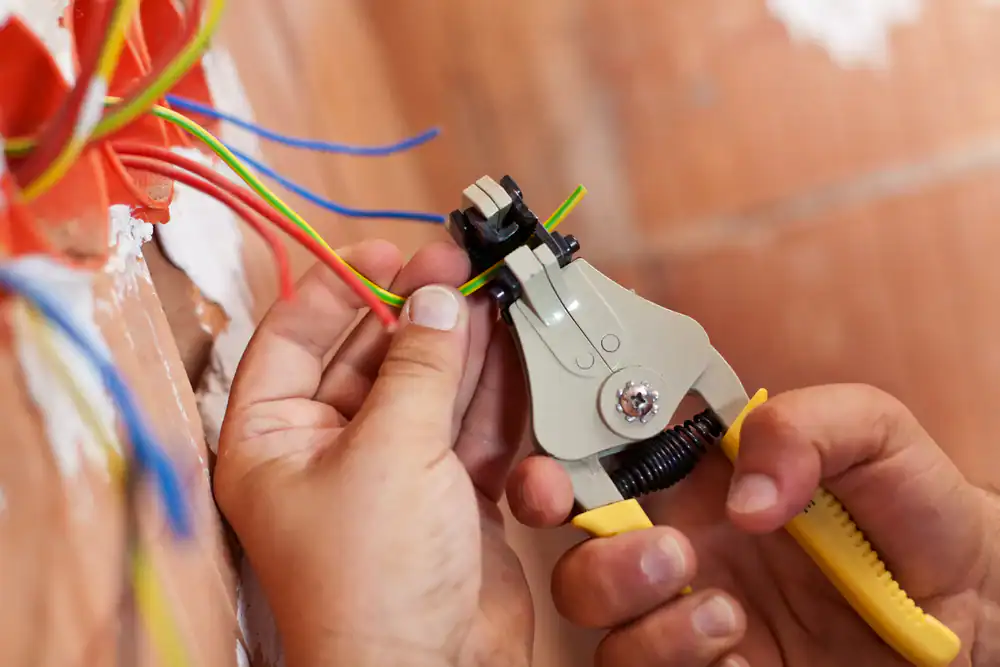
When we evaluate your home for smart technology, we’re looking at things most homeowners never consider—but that determine whether your home automation investment succeeds or fails.
We start with your main service. How many amps is your service rated for? Is it adequate for your current usage plus the devices you want to add? If you’re planning to install an EV charger, a smart HVAC system, or multiple high-draw appliances, this matters more than you think. Many homes in Chatham County, NC and Alamance County, NC were built with 100-amp service that simply can’t support modern smart home demands.
Next, we assess your panel for a potential smart panel upgrade. How many circuits do you have? How many are available? What’s the condition of your breakers? Are they modern arc-fault or ground-fault breakers, or are they outdated models that don’t provide the protection smart devices need for proper IoT home safety?
We look at your wiring throughout the home. Homes built before the 1970s often have aluminum wiring, which requires special consideration for integrated electrical systems. Older homes might have knob-and-tube wiring that can’t safely support modern loads. Even newer homes sometimes have undersized circuits that can’t handle the continuous draw of always-on smart devices.
Grounding is critical for any serious smart home installation. Many smart devices require proper grounding to function correctly and safely. Older homes often have ungrounded outlets or inadequate grounding systems. We identify these issues and correct them before you install devices that won’t work without proper grounding.
We evaluate your network infrastructure as part of comprehensive home automation planning. Smart homes run on data as much as electricity. Where are your Wi-Fi dead zones? Do you need hardwired ethernet for reliability? Where should access points go to ensure coverage? How will you power those access points and any network equipment?
Finally, we plan for the future—something we always do as your home automation expert. What do you want to add in the next few years? Solar panels? Battery backup? More EV chargers? A pool with automated controls? Smart appliances? A whole-home generator? Planning for these additions now prevents costly rework later and ensures your integrated electrical systems can scale with your needs.
This kind of assessment isn’t something you can do yourself, and it’s not something a device installer thinks about. It requires understanding both electrical systems and smart home technology—and knowing how they interact. That’s why homeowners in Durham County, NC and throughout the Triangle area are choosing electrical contractors who can serve as their home automation expert, not just their electrician.
DIY smart home installation looks appealing until you calculate what it actually costs when things go wrong—and in homes throughout Orange County, NC and Guilford County, NC, things go wrong more often than most homeowners expect.
Start with the obvious: improperly installed electrical work creates fire hazards. According to the National Fire Protection Association, electrical failures are a leading cause of home fires. When you’re dealing with devices that draw continuous power, run 24/7, or control critical systems like heating and security, the stakes are higher than mounting a picture frame. IoT home safety isn’t just about cybersecurity—it starts with proper electrical installation.
Then there’s the cost of devices that don’t work as promised. You buy a $300 smart thermostat, spend three hours trying to install it, and discover your HVAC system needs a common wire that wasn’t included in the original installation. Now you need an electrical contractor anyway, plus you’ve wasted your time and possibly damaged your system.
Or you install smart lighting throughout your house, only to find that your dimmers cause the LED bulbs to flicker or hum. You didn’t know that not all dimmers work with all bulbs, and now you’re replacing either the switches or the bulbs—or both. This is the kind of integrated electrical systems knowledge that separates successful home automation from expensive mistakes.
Compatibility issues multiply costs quickly when you skip professional smart home installation. You buy devices from different brands without understanding that they don’t integrate. Now you’re stuck with multiple apps, no automation between systems, and a “smart home” that’s actually less convenient than the old-fashioned switches you replaced.
The biggest cost comes from inadequate planning. You add devices one at a time without considering your electrical system’s capacity. Eventually, you overload a circuit or max out your panel. Now you need a smart panel upgrade that could have been planned and budgeted from the start—but instead, it’s an emergency expense that stops your smart home project in its tracks.
Compare that to working with us as your electrical contractor and home automation expert from the beginning. Yes, professional installation costs more upfront. But you get integrated electrical systems that work reliably, integrate properly, and scale as you add devices. You avoid the cost of fixing DIY mistakes, replacing incompatible devices, or upgrading infrastructure you should have addressed first.
You also get something harder to quantify but equally valuable: peace of mind. You know your electrical work is code-compliant, properly permitted, and safe. You know your devices are installed correctly and will function as intended. You know your system can handle what you’re asking it to do, today and in the future.
In North Carolina, electrical work requires permits and must be performed by licensed electricians. That’s not bureaucracy—it’s safety. Permits ensure work is inspected and meets code. Licensed electricians carry insurance that protects you if something goes wrong. DIY electrical work might save money in the moment, but it can void your homeowner’s insurance, create liability issues, and cause problems when you sell your home. For homeowners in Alamance County, NC, Durham County, NC, and surrounding areas, this isn’t a risk worth taking.
Smart home technology isn’t going away. It’s becoming standard in homes throughout Chatham County, NC, Orange County, NC, and across the Triangle region. The question isn’t whether your home will eventually have smart devices—it’s whether your electrical system will support them properly when you need it most.
The homeowners who get this right are the ones who start with infrastructure, not devices. They work with an electrical contractor who understands both the power requirements and the integration challenges of modern home automation. They plan for growth, not just immediate needs. And they prioritize reliability and IoT home safety over cutting corners.
If you’re in Alamance County, Durham County, Chatham County, Orange County, or Guilford County and you’re ready to build a smart home that actually works the way it should, ESP Providers can help you get there. We’ve been serving North Carolina homeowners since 2002, and we understand what it takes to make modern technology work in real homes with real electrical systems—because we’re not just electrical contractors, we’re your smart home partners.
Article details:
Share:
Continue learning: