Your home's electrical system faces more demands than ever. Discover what you need to protect your family, electronics, and peace of mind in 2026.
Share:
Summary:
Your lights flicker when the AC kicks on. Your breaker trips more often than it used to. Or maybe you just watched your neighbors lose power for three days during the last storm while their frozen food spoiled and their sump pump sat useless. You’re starting to wonder if your home is actually ready for what comes next.
Here’s the thing: your electrical system wasn’t built for the life you’re living now. Between smart thermostats, home offices, electric vehicle chargers, and everything else pulling power, most homes are working harder than they were designed to handle. Add in aging infrastructure and unpredictable weather, and you’ve got a situation that deserves more than hope and crossed fingers.
This home safety checklist isn’t about selling you on every upgrade under the sun. It’s about understanding what actually matters for your home, your budget, and your family’s safety—from surge protection to backup power and everything in between. Let’s start with the backbone of it all.
The average home today runs more devices than any electrical system from 20 or 30 years ago was designed to support. You’ve got computers, medical equipment, security systems, and appliances that cost thousands of dollars—all vulnerable to power surges, outages, and electrical failures.
The numbers tell the story. Over 31,000 electrical fires happen in U.S. homes every year, and nearly 70% of those trace back to faulty wiring or damaged electrical equipment. If your home was built before 1990, there’s a decent chance the original wiring is still in place, and it may not meet the safety standards we follow today. An aluminum wiring inspection can help identify potential wiring concerns in older homes.
Then there’s the weather. North Carolina sees its share of storms, and power outages aren’t exactly rare. When the grid goes down, you’re not just losing Netflix. You’re losing refrigeration, climate control, and in some cases, the ability to power medical devices or keep your home secure. For a lot of families in Alamance, Durham, Chatham, Orange, and Guilford Counties, that’s not just inconvenient—it’s a real problem.
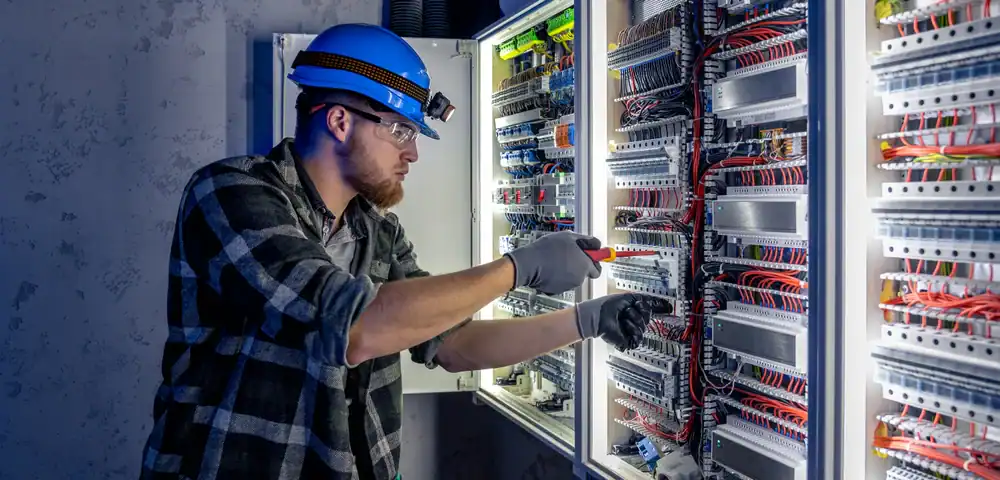
An electrical audit isn’t the same as the quick once-over a home inspector does when you buy a house. Those inspections are visual—they test a few outlets, flip some switches, make sure the lights turn on. An audit goes deeper.
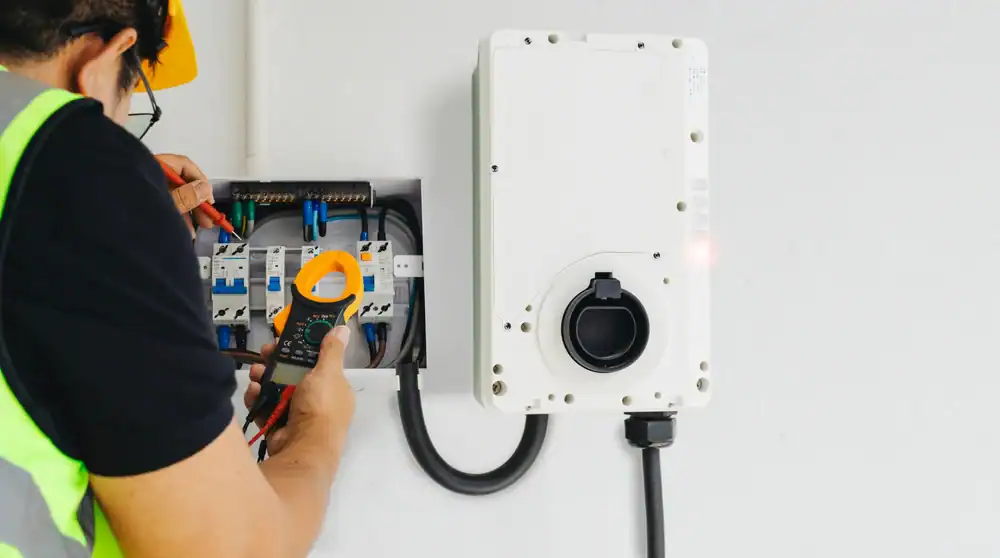
A licensed electrician will open your main panel and look at how your circuits are loaded, how your wiring is terminated, and whether your system matches the way you actually use your home. We’re checking for code violations, yes, but also for things like loose connections, backstabbed receptacles, outdated wiring types, and whether your panel has the capacity to handle your current demand.
The goal is to find problems before they become dangerous. Flickering lights, warm outlets, breakers that trip regularly—these aren’t just annoying. They’re symptoms of something that needs attention. An audit identifies the root cause and gives you a clear picture of what’s safe, what’s risky, and what can wait.
You’ll also get recommendations grouped by priority. Safety-critical items come first—things like missing GFCI protection in bathrooms or overloaded circuits. Then capacity and reliability concerns, like whether your panel can support adding a generator or EV charger down the line. Finally, convenience upgrades that improve how your home functions day to day.
The U.S. Consumer Product Safety Commission recommends inspecting your electrical system every six months, but realistically, most homeowners benefit from a professional audit every few years—or sooner if you’ve added major appliances, noticed new issues, or your home is over 30 years old. The inspection typically takes one to two hours and costs between $150 and $300, depending on the size and complexity of your home.
If we find issues during the audit, we’ll give you a written estimate for repairs. Addressing small problems early almost always costs less than waiting until something fails completely or causes damage. And in some cases, fixing outdated wiring or upgrading your panel can actually lower your home insurance premiums.
Most people think of surge protection as those power strips you plug your computer into. And yes, those help—but they’re not the full story. A whole-house surge protector is installed directly at your main electrical panel, and it protects everything in your home, not just the devices plugged into one outlet.
Here’s what most homeowners don’t realize: up to 80% of power surges actually come from inside your home. When your HVAC system kicks on, your refrigerator compressor cycles, or your dryer starts up, those create small voltage spikes. They’re not dramatic, and you probably won’t notice them, but over time they degrade your electronics. Your two-year-old fridge that just stopped working? It might not have been a defect—it could’ve been death by a thousand cuts.
Then there are the big surges—lightning strikes, utility grid fluctuations, or power restoration after an outage. Those can fry everything in one shot. A whole-house surge protector detects the spike and diverts the excess voltage into the ground before it reaches your wiring. It reacts in less than a nanosecond.
The upfront cost is higher than a power strip—typically $300 to $600 for the device, plus $100 to $300 for professional installation. But compare that to replacing a $2,000 refrigerator, a $1,500 HVAC control board, your home office setup, and every other device that got hit. The math works out fast.
One thing to know: whole-house surge protectors aren’t perfect. They’re rated by something called VPR—voltage protection rating—which determines the maximum voltage they’ll let through. A unit with a high VPR might still allow smaller surges to pass. That’s why a layered approach works best. Install a whole-house unit at the panel for major protection, and use quality plug-in surge protectors for your most sensitive electronics like computers and home theater equipment.
Your home also needs proper grounding for a surge protector to work correctly. If your grounding system is faulty or outdated, the surge protector can’t divert the excess voltage safely. We’ll check this during installation, and in some cases, you may need to upgrade your grounding before adding surge protection.
Whole-house surge protectors typically last three to five years, depending on how many surges they absorb. Some models have indicator lights that show when the unit is still functioning. When it’s time for replacement, we can swap it out quickly since the wiring is already in place.
Want live answers?
Connect with a Electrical Service Providers expert for fast, friendly support.
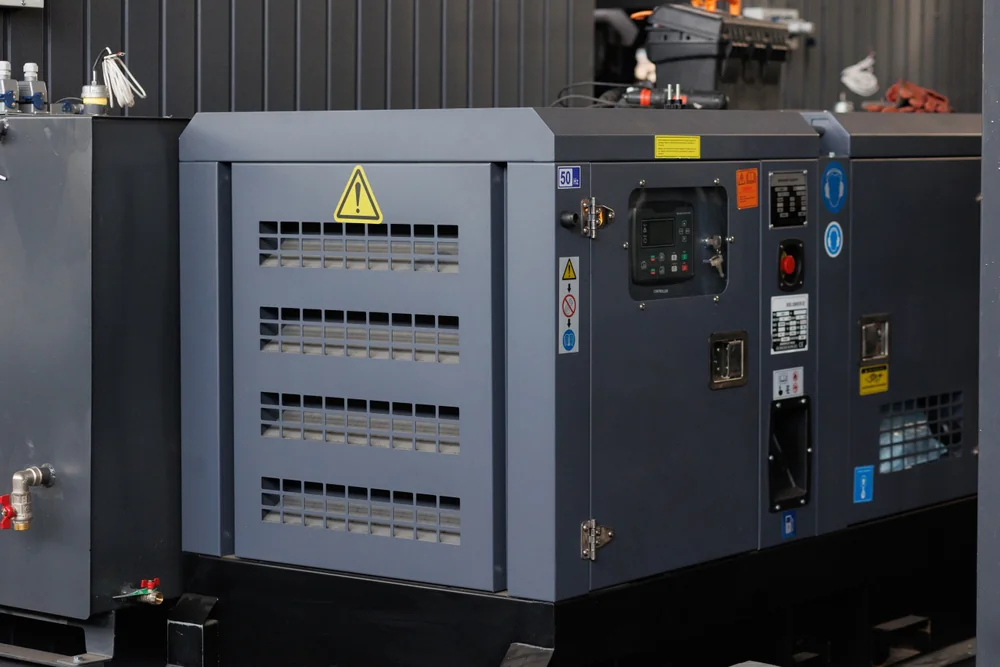
Generators have come a long way from the loud, gas-guzzling portable units your neighbor drags out during a storm. Modern standby generators are permanently installed outside your home, run on natural gas or propane, and start automatically the moment your power goes out. You don’t flip a switch or run extension cords. The system handles it.
The question most people ask first is cost. A whole-house generator typically runs between $6,000 and $11,000 installed, with the generator itself costing $3,000 to $6,000 and labor adding another $3,000 to $5,000. That includes the transfer switch, concrete pad, gas line connections, permits, and wiring. If your home doesn’t have an existing gas line, you’ll need to factor that in as well.
Partial generators—ones that power select circuits instead of your entire home—cost less, usually $3,000 to $12,000. The tradeoff is you’ll need to decide in advance which systems matter most. Lights, refrigeration, a few outlets, your furnace or AC, maybe a sump pump. Everything else stays off until utility power returns.

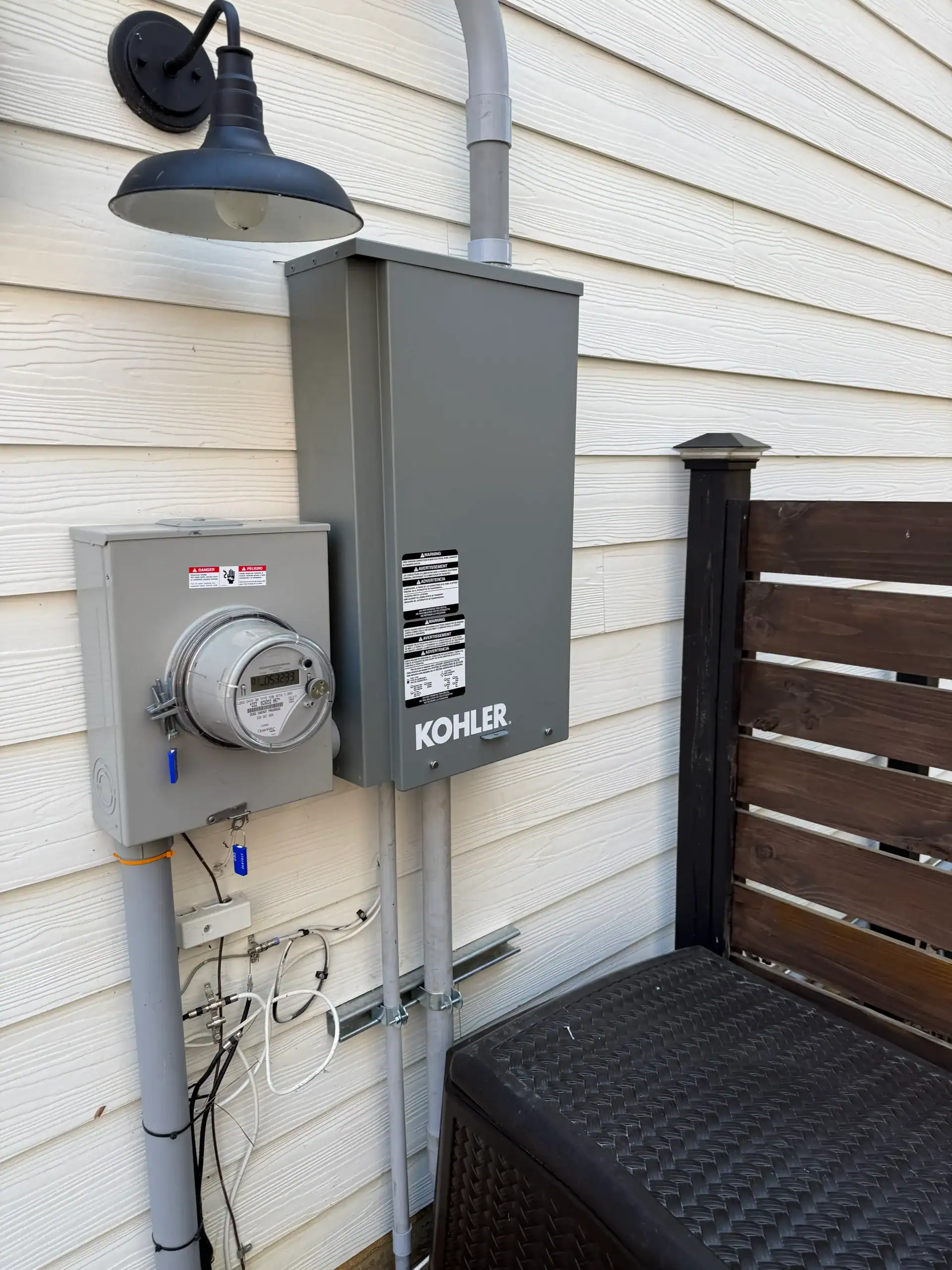
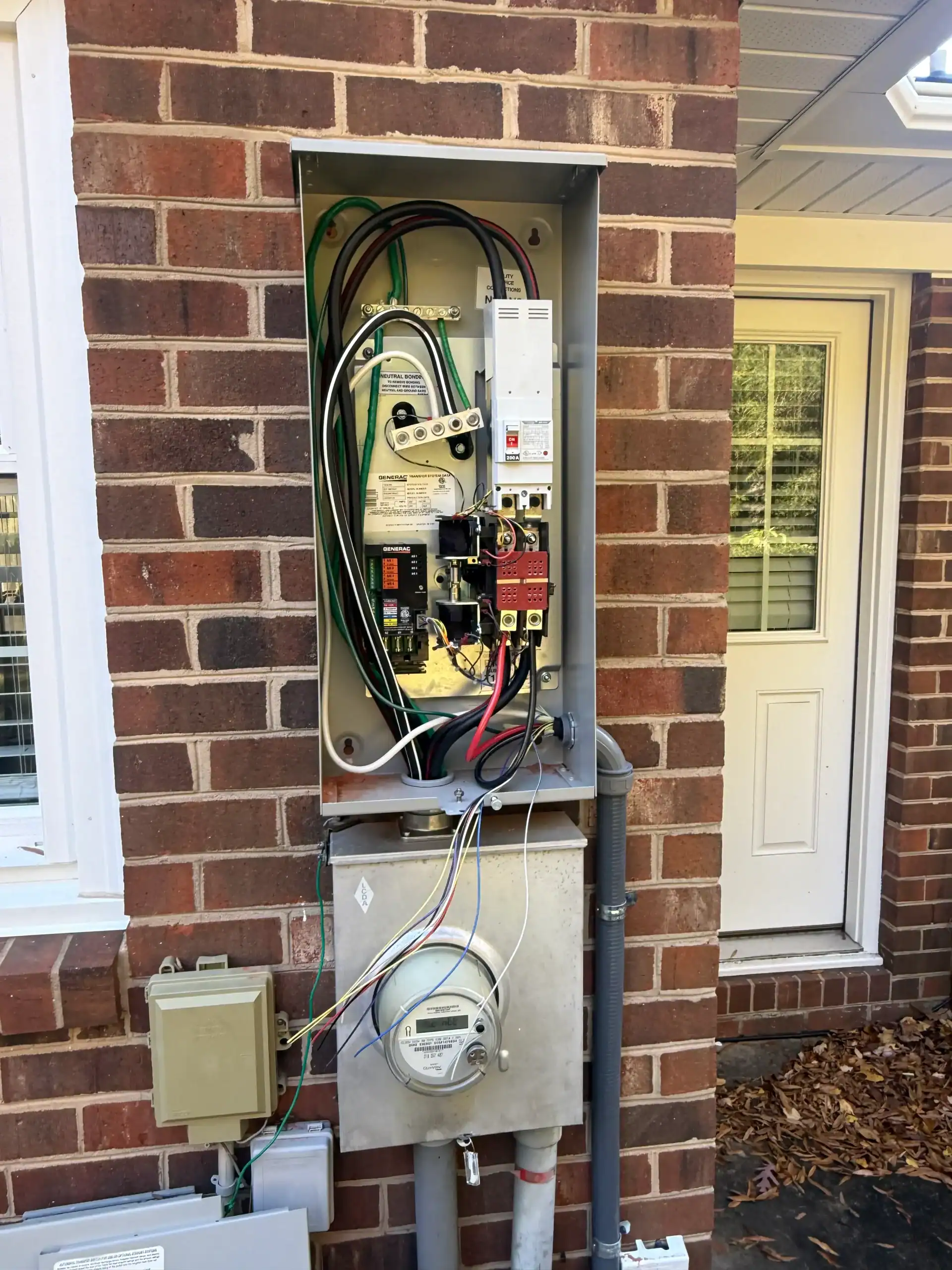
The automatic transfer switch is the brain behind your generator system. It’s installed next to your main electrical panel and monitors your utility power constantly. The moment it detects an outage, it signals the generator to start and then switches your home’s power source from the grid to the generator. When utility power comes back, it switches everything back and shuts the generator down.
The whole process takes about 10 to 20 seconds. You’ll notice a brief flicker, but that’s it. No fumbling with flashlights, no manual startup, no guessing if the power’s coming back anytime soon. For homes with medical equipment, sump pumps, or security systems, that automatic response is everything.
There are two main types of transfer switches: service disconnect and load center. A service disconnect switch powers your entire electrical panel directly. If you have a generator large enough to handle your whole home, this is the simpler option. You’ll need a transfer switch rated to match your panel’s amperage—if you have a 200-amp main breaker, you need a 200-amp transfer switch.
A load center switch is hardwired to select circuits on your main breaker. It’s used when you have a smaller generator that can’t power everything at once. We wire in the circuits you prioritize—typically essentials like lights, heating, refrigeration, and a few outlets. This setup involves more labor since each circuit has to be individually connected, but it allows you to use a smaller, less expensive generator.
Some transfer switches also include load shedding or power management features. Let’s say your generator is running and both of your AC units try to start at the same time. Without load management, that surge could overload the generator and trip the main breaker, shutting down power to your whole home. With load management, the switch delays the second AC unit until the first one stabilizes, or it temporarily shuts off a less-critical appliance to free up capacity. It’s smart, and it means you can often get by with a smaller generator than you’d otherwise need.
Transfer switch installation takes about four hours and typically costs around $1,200, though that can vary depending on your home’s setup and how far the generator is from your panel. We’ll also handle permits and inspections, which are required in most areas. This isn’t a DIY project—connecting a generator without a proper transfer switch is illegal in most places and extremely dangerous. It can backfeed power into the utility lines, which puts line workers at risk and can cause fires.
One more thing: your home’s grounding and surge protection should be in place before you install a generator. The transfer switch itself often includes built-in surge protection, but it’s worth confirming that your system is properly grounded and protected from voltage spikes.
Generator sizing isn’t about guessing—it’s about calculating your actual power needs in kilowatts. A small home might need 8 to 10 kW to cover the basics. A larger home with central air, electric heat, or multiple high-draw appliances could need 22 kW or more. Get it wrong, and you either overpay for capacity you’ll never use or end up with a generator that can’t handle your load.
We’ll walk through your home and add up the wattage of everything you want to run during an outage. Refrigerators, freezers, lights, furnace or AC, well pump if you have one, sump pump, garage door opener, a few outlets for charging devices or running a coffee maker. Each of those has a running wattage and a startup wattage—appliances with motors need a surge of power to get going, then settle into a lower draw once they’re running.
For example, a central AC unit might use 3,500 watts while running, but it could need 7,000 watts or more to start. If you have two AC units and they both try to start at the same time, that’s a serious load. This is where power management in your transfer switch becomes important, or you size up to a larger generator that can handle the peak demand.
Fuel type matters too. Natural gas generators connect directly to your home’s gas line, which means you have an essentially unlimited fuel supply as long as the gas utility is running. Propane generators use a tank, which you’ll need to refill periodically, but propane can be stored indefinitely without degrading. Some generators are dual-fuel, giving you flexibility depending on what’s available or more affordable in your area.
Standby generators are built to last. With proper maintenance, you’re looking at 15 to 30 years of service, or 10,000 to 30,000 hours of runtime. They run a self-diagnostic test once a week—you’ll hear it kick on for a few minutes, then shut back down. That’s normal, and it’s how the system makes sure everything’s ready when you actually need it.
Maintenance is straightforward but necessary. You’ll want an annual inspection where a technician checks the oil, filters, battery, and connections, runs a load test, and confirms the transfer switch is operating correctly. Most manufacturers recommend this, and some require it to keep your warranty valid. Annual service contracts typically run $200 to $650, depending on the generator size and what’s included.
One last consideration: noise. Modern standby generators are quieter than the portable units most people picture, but they’re not silent. If your generator is close to a bedroom window or your neighbor’s property line, placement matters. We’ll help you choose a spot that meets code requirements for clearance and ventilation while minimizing noise impact.
You don’t have to do everything at once. Start with an electrical audit to understand where your home stands today. That gives you a clear picture of what’s safe, what’s at risk, and what makes sense for your budget and priorities.
If your home has aging wiring, an outdated panel, or you’re adding major appliances, those upgrades come first. Surge protection is a relatively low-cost layer of defense that protects everything downstream. And if power outages are a real concern—whether it’s for medical equipment, food storage, or just peace of mind—a backup generator is an investment that pays off the first time you need it.
The goal isn’t to sell you on everything. It’s to help you make decisions based on your actual situation, not fear or guesswork. Your home’s electrical system is too important to ignore, and the right upgrades can save you money, prevent damage, and keep your family safe for years to come.
If you’re in Alamance, Durham, Chatham, Orange, or Guilford County and want to talk through what makes sense for your home, we’ve been helping homeowners in North Carolina since 2002. As a factory-authorized Generac dealer, we can walk you through audits, surge protection, generator installation, and any electrical work your home needs.
Article details:
Share:
Continue learning: