Your home wasn't wired for the smart devices you're installing. Most DIY attempts fail—and cost $3,200 to fix. Here's what actually works.
Share:
Summary:
You bought the smart thermostat. Downloaded the app. Followed every step in the instructions. Now it won’t power on, refuses to connect, or keeps tripping your circuit breaker.
This scenario plays out in homes across North Carolina every week. Most houses built before 2015 lack the electrical infrastructure modern smart devices need. Missing neutral wires, overloaded circuits, and outdated panels turn straightforward upgrades into expensive problems. Failed DIY smart home installations now cost an average of $3,200 to repair.
The gap between what your home has and what smart technology requires is where frustration begins. Professional smart home electrical services can help ensure your home’s wiring and electrical system are ready for modern connected devices. Here’s what you need to know before buying another device.
Smart home integration isn’t about devices. It’s about electrical infrastructure.
When people imagine “smart homes,” they picture controlling lights from their phone or adjusting temperature from the office. That’s the visible part. The real challenge is ensuring your electrical system can support constant connectivity without overloading circuits or creating compatibility failures.
Your home’s wiring was designed for a different era—basic lighting, standard outlets, major appliances. Smart devices add continuous power draws, require specific wiring configurations, and demand network connectivity your electrical panel wasn’t built to handle. That gap between existing infrastructure and smart technology requirements is where most problems start.
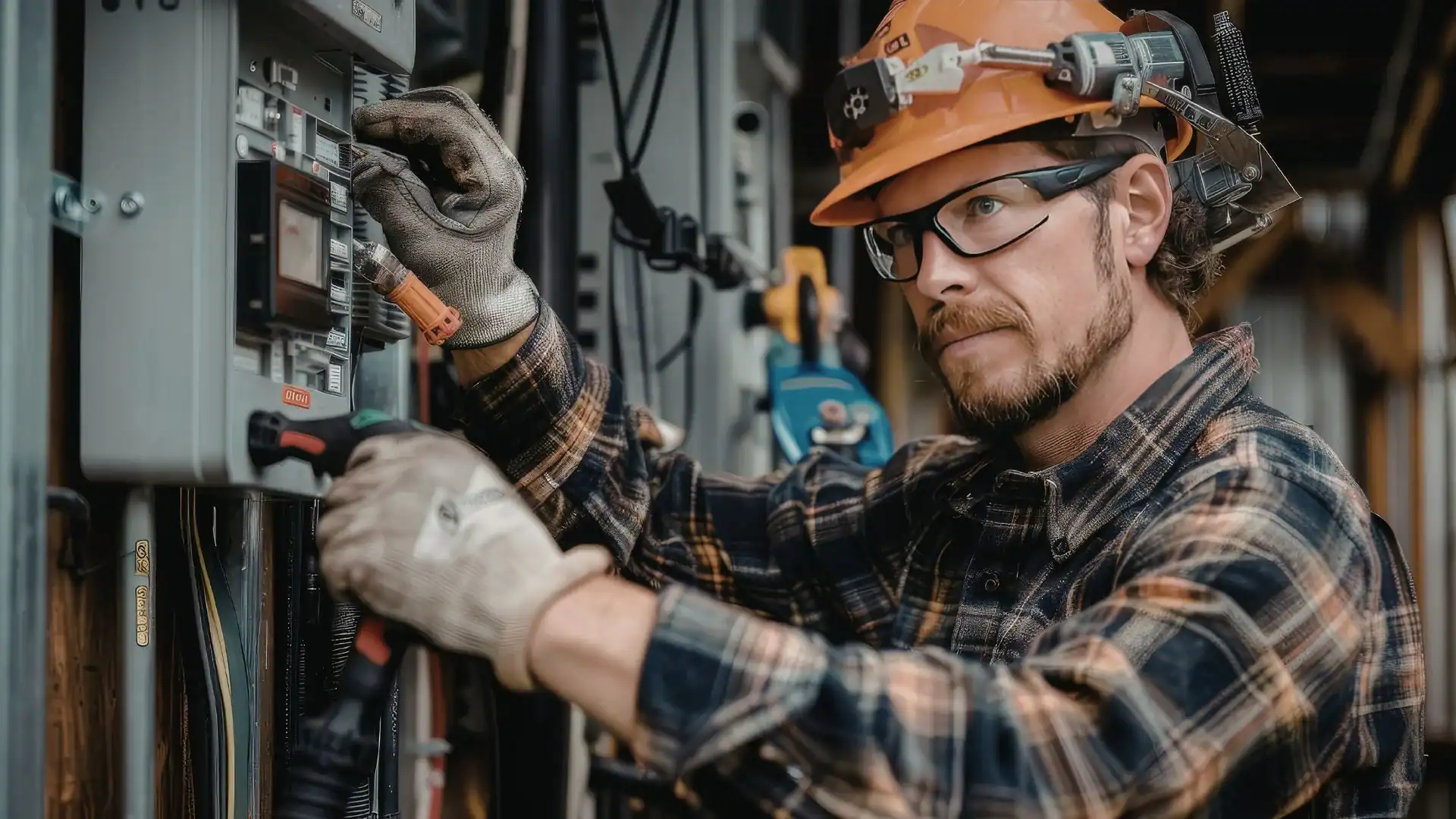
Walk into most homes built before 2015 and you’ll find the same problem: missing neutral wires at switch locations. Smart switches, dimmers, and many thermostats require that neutral wire. Without it, your options shrink or you’re facing rewiring.
Circuit load creates another common failure point. A single 15-amp circuit that once powered a few light bulbs now supports smart switches, motion sensors, security cameras, and wireless access points. Stack enough devices on one circuit and you’ll trip breakers or create voltage drops that make devices behave erratically.
Older electrical panels compound the issue. If your panel is near capacity, adding smart home devices means upgrading before you can proceed. Homes with outdated wiring like knob-and-tube or aluminum face safety concerns beyond just making smart lights function.
The C-wire issue surfaces constantly with smart thermostat installation. Many older HVAC systems lack a common wire run to the thermostat location. Adapters and power extenders exist, but these workarounds don’t reliably work with every system. Sometimes the only proper solution involves running new wire from your HVAC unit to the thermostat—work that requires electrical expertise and code knowledge.
Location affects performance more than most homeowners expect. Smart devices communicate with your router and with each other. Thick walls, metal studs, and distance from wireless access points create dead zones where devices drop offline or respond slowly. Planning electrical and network infrastructure together prevents connectivity problems later.
Random smart device purchases rarely work together. Different manufacturers use different communication protocols—Zigbee, Z-Wave, Wi-Fi, Bluetooth, Thread. Some devices communicate. Many don’t.
A smart hub acts as translator. It’s the central connection point where devices communicate and coordinate. Skip the hub or choose the wrong one and you’ll collect devices that work independently but never as a unified system. Three different apps, zero automation between devices, and a setup more complicated than the old switches you replaced.
The Matter protocol is reshaping compatibility. It creates universal communication between brands and platforms, but adoption is still rolling out. Not every device supports Matter yet, and older devices won’t all receive updates. Building a smart home system in 2026 requires knowing which devices work with Matter and which don’t—it prevents buying incompatible hardware.
Platform choice shapes your entire system. Building around Amazon Alexa, Google Home, or Apple HomeKit? Each has strengths and limitations. Some devices work with all platforms. Others lock you into one ecosystem. Making this decision early prevents discovering your new smart lock won’t communicate with your existing voice assistant.
Professional smart home electrician services go beyond wiring. We design systems where devices actually coordinate. That means understanding which devices need hardwired connections versus wireless, positioning wireless access points for reliable coverage, and configuring networks so smart home traffic doesn’t slow your internet. It’s the difference between a system that works and one requiring constant troubleshooting.
Scalability matters more than people realize initially. You might start with smart lighting in three rooms, but what happens when you add security cameras, smart locks, motorized shades, and whole-home audio? If electrical infrastructure wasn’t planned for expansion, every addition becomes a new project. Planning for growth means adding devices later is straightforward instead of complicated.
Want live answers?
Connect with a Electrical Service Providers expert for fast, friendly support.
Lighting and climate control are where most homeowners begin with automation. They’re visible, they reduce energy costs, and they add convenience. They’re also where DIY installations most commonly fail.
Automated lighting control sounds straightforward until you open the switch box and discover wiring that doesn’t match instructions. Smart switches need neutral wires, proper grounding, and sometimes specific load requirements. Install incorrectly and you’ll see flickering lights, unreliable response, or premature device failure.
Smart thermostats bring their own complications. Compatibility with your HVAC system isn’t automatic. Some systems require specific wiring. Others need configuration settings that aren’t obvious from installation guides. Mistakes mean improper heating and cooling cycles, confusing error codes, or systems that won’t activate.
The difference between smart lighting that works and lighting that frustrates you comes down to proper installation. We start by evaluating existing wiring. We identify which circuits have capacity for additional load, where neutral wires are absent, and whether your switches are compatible with devices you want to install.
Load calculation matters more than most realize. LED bulbs draw less power than old incandescent bulbs, but smart switches controlling them draw power continuously. Total all switches on a circuit and you might be closer to capacity than expected. We know how to balance loads across circuits to prevent overload.
Dimmer compatibility trips up many installations. Not all LED bulbs work with all smart dimmers. Some combinations cause buzzing, flickering, or limited dimming range. With experience in smart home technology, we know which products work reliably together and can recommend combinations that deliver smooth performance.
Three-way and four-way switch configurations confuse DIY attempts. Converting them to smart switches requires understanding existing wiring setup and sometimes running additional wires. It’s rarely a straightforward swap, and errors mean switches that don’t control lights properly or don’t communicate with your system.
Wireless communication between switches and hubs must be reliable. That means positioning switches within range of your hub or repeaters, avoiding interference from other wireless devices, and sometimes adding network infrastructure for solid connectivity throughout your home. Professional home automation wiring includes testing signal strength and adjusting placement to eliminate dead zones.
Automation programming transforms smart lighting from novelty to useful. You can set schedules, create scenes for different times, and trigger lights based on motion sensors or other events. But if underlying electrical installation isn’t solid, automation becomes unreliable. Lights that don’t respond when triggered, scenes that work intermittently, and schedules that drift all trace back to installation issues that should have been addressed initially.
Smart thermostats promise energy savings up to 30% and remote control convenience, but only with proper compatibility and correct installation. First step: understanding your system type—forced air, heat pump, dual fuel, radiant, or other configurations. Not every smart thermostat works with every system.
The C-wire problem surfaces repeatedly. Many smart thermostats need continuous power, requiring a common wire from your HVAC system to the thermostat. Older systems often lack this wire at the thermostat location. Adapters exist but aren’t always reliable. Running a new C-wire is the proper solution, requiring access to your HVAC unit and fishing wire through walls—not simple DIY work.
Wiring configuration errors are the most common installation mistake. Thermostats have terminals labeled R, W, Y, G, C, and sometimes others depending on your system. Connect wires to wrong terminals and heating and cooling won’t function properly. Heat pumps and dual-fuel systems add complexity with reversing valves and auxiliary heat requiring specific configuration.
Voltage compatibility requires verification. Most residential HVAC systems run on 24 volts, which smart thermostats are designed for. Some systems use different voltages or have proprietary controls incompatible with standard thermostats. Checking compatibility before purchase prevents discovering your new thermostat won’t work with your system.
Calibration and placement affect performance significantly. Thermostats must sense accurate temperature, which means avoiding direct sunlight, drafts, or locations that don’t represent overall home temperature. Poor placement leads to short cycling, uncomfortable temperatures, and systems running more than necessary. Professional smart thermostat installation includes choosing optimal location and calibrating for accurate readings.
System configuration extends beyond wiring. Heat pump settings, staging for multi-stage systems, fan control, and humidity settings all require correct programming. Miss a setting and you might have heating and cooling running simultaneously, excessive fan operation, or systems failing to reach desired temperature. With familiarity in both HVAC systems and smart technology, we know how to configure everything for efficient operation.
Smart home technology delivers on its promises when your electrical system supports it properly. That requires correct wiring, adequate circuit capacity, compatible devices, and installation following electrical code.
You can skip the compatibility headaches, failed DIY attempts, and expensive repairs for problems that shouldn’t exist. Professional installation means smart devices work reliably from the start, your system is designed to expand as needs change, and you’re enjoying convenience instead of troubleshooting connectivity.
If you’re in Alamance County, Durham County, Chatham County, Orange County, or Guilford County, NC and ready for smart home technology that actually functions, we bring the experience to do it right. Since 2002, we’ve handled electrical installations throughout central North Carolina, understanding both electrical requirements and smart home technology shaping how homes work in 2026.
Article details:
Share:
Continue learning: