Your aging home's electrical system wasn't built for today's demands. Discover five critical upgrades local electricians recommend to keep your family safe and your home running smoothly.
Share:
Summary:
Your home has character. It has history. But if it was built more than 30 years ago, it also has an electrical system that wasn’t designed for how you live today.
Back then, homes didn’t need to power laptops, smart TVs, electric vehicle chargers, or the dozens of devices you plug in daily. The wiring, panels, and outlets that worked fine in 1985 are now working overtime—and showing it. Flickering lights when you run the microwave. Breakers that trip when you use the hair dryer and coffee maker at the same time. Outlets that feel warm to the touch.
These aren’t just inconveniences. They’re warning signs. And we see them every day in aging homes throughout Alamance, Durham, Chatham, Orange, and Guilford Counties. Here are the five upgrades we recommend most often—and why each one matters for your safety, your home’s value, and your peace of mind. For older homes that need a modern electrical foundation, electrical panel installation may be an important upgrade to consider.
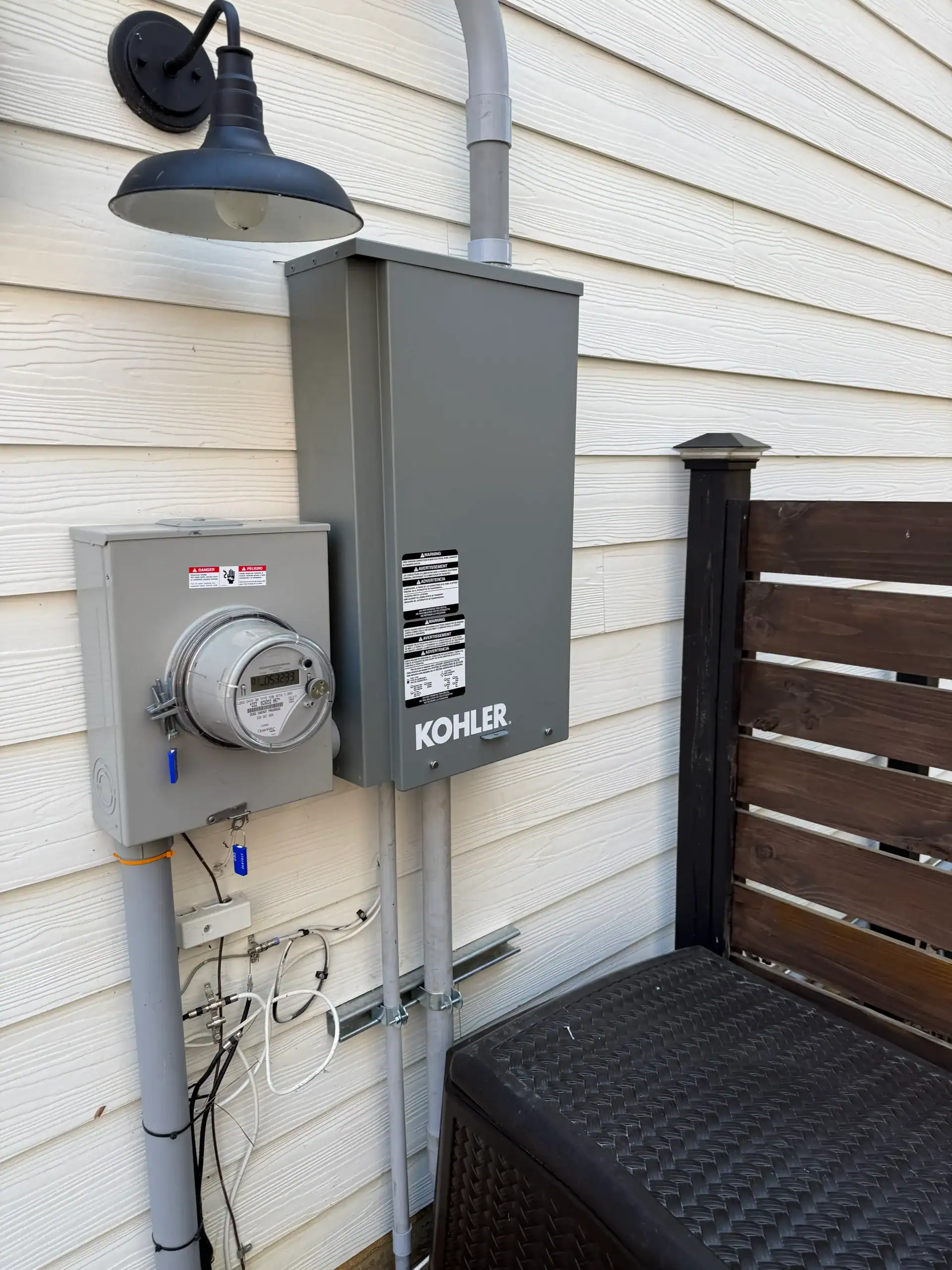
Your electrical panel is the heart of your home’s power system. It takes electricity from the utility company and distributes it to every room, outlet, and appliance. If your home was built before 1990, you probably have a 60-amp or 100-amp panel. That was plenty back then.
It’s not anymore. Modern homes need at least 200 amps to safely power everything from central air conditioning to kitchen appliances to home offices. When your panel can’t keep up, breakers trip constantly, lights dim when appliances kick on, and you’re left juggling what you can use at once. Worse, an overloaded panel creates a real fire risk.
Upgrading to a 200-amp panel gives your home the capacity it needs. You stop worrying about which appliances you can run together. Your system operates safely within its limits. And if you ever plan to sell, a modern panel is something buyers and inspectors look for.
Not every aging home needs a panel upgrade right away, but there are clear signs your system is asking for help. If your circuit breakers trip frequently—especially when running normal appliances—that’s your panel telling you it can’t handle the load. You shouldn’t have to think about whether you can run the dishwasher and the dryer at the same time.
Flickering or dimming lights are another giveaway. When lights dim the moment your air conditioner kicks on, it means your electrical system is being pushed beyond its capacity. That’s not just annoying—it’s a sign your home is working harder than it should to keep up.
Warm outlets or a warm panel are serious red flags. Electrical components shouldn’t generate noticeable heat. If your breaker box feels warm to the touch, or if outlets are hot when you unplug something, that’s a sign of dangerous overheating. Don’t ignore it.
If your home still has a fuse box instead of circuit breakers, you’re overdue for an upgrade. Fuses were phased out decades ago because they’re less reliable and less safe than modern breakers. They blow out instead of simply tripping, and many homeowners make the mistake of replacing them with the wrong amperage, which creates fire hazards.
Finally, if you’re adding major appliances—like an electric vehicle charger, a hot tub, or a home addition—your existing panel likely won’t support the extra demand. We can assess your current system and tell you whether an upgrade is necessary before you make those additions.
Panel upgrades aren’t just about convenience. They’re about safety. An outdated or overloaded panel is one of the leading causes of electrical fires in older homes. Electrical issues cause over 51,000 home fires every year in the United States, resulting in deaths, injuries, and billions of dollars in property damage. Upgrading your panel eliminates that risk and brings your home up to current electrical codes.
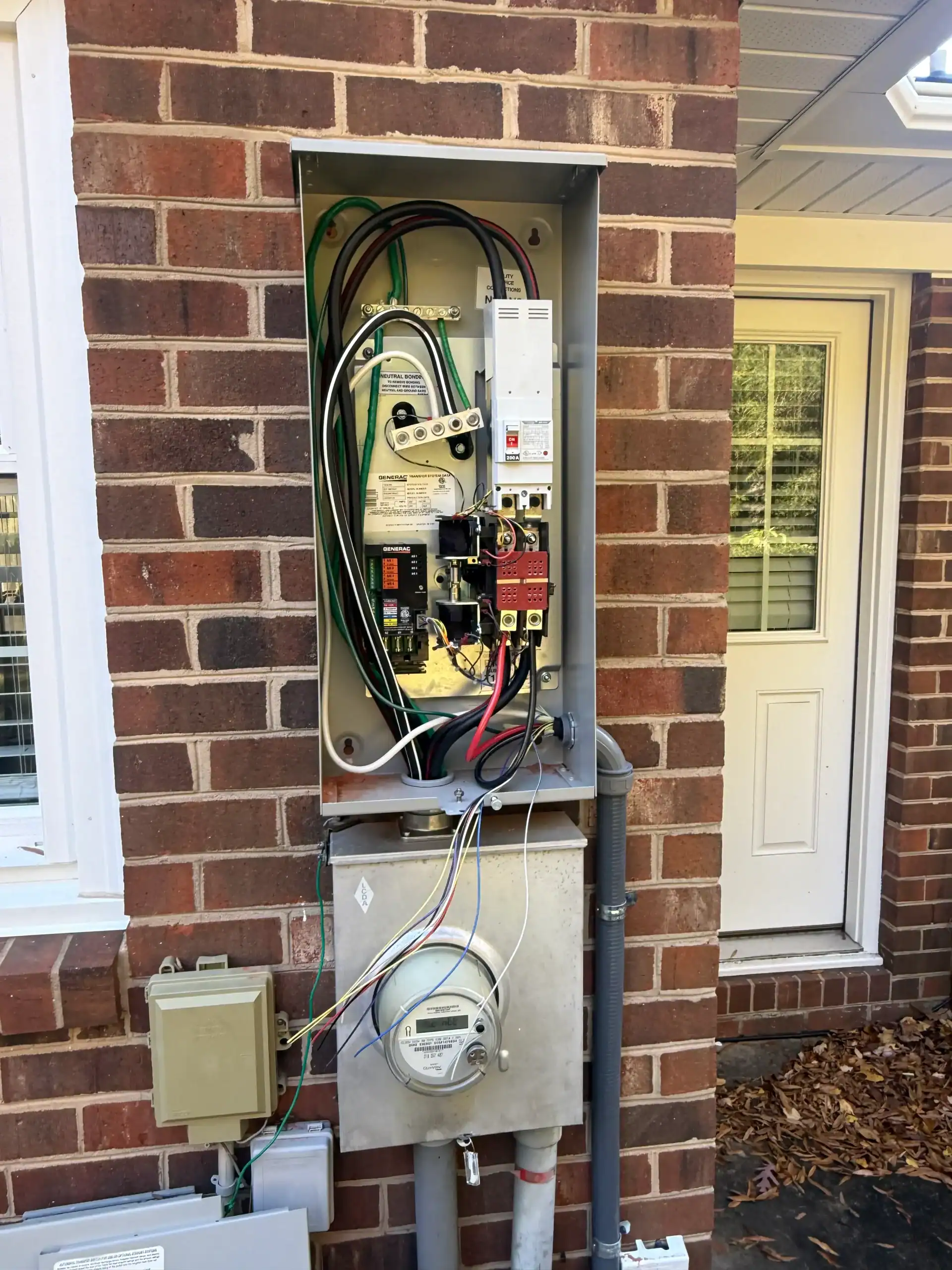
A full electrical panel upgrade isn’t just swapping out the old box for a new one. It’s a comprehensive update to your home’s electrical infrastructure. We start by assessing your home’s total power needs—what you’re using now and what you might add in the future. That determines the size of panel you need.
The actual upgrade involves replacing the old panel with a new 200-amp model, updating the main service cable from the meter to the panel, and installing new circuit breakers. We also ensure proper grounding, which is critical for safety and code compliance. In many cases, we’ll add AFCI (arc fault circuit interrupter) breakers in bedrooms and living areas to protect against electrical fires, and GFCI (ground fault circuit interrupter) protection in kitchens, bathrooms, garages, and outdoor areas to prevent shock hazards.
The work also includes coordinating with your utility company and local building inspectors. We pull the necessary permits, schedule inspections, and make sure everything meets current National Electrical Code standards. That documentation is important—not just for safety, but for insurance and resale purposes.
As for cost, a typical panel upgrade in North Carolina ranges from $1,500 to $4,000, depending on your home’s specific needs and the complexity of the installation. If your home requires additional work—like upgrading the meter base, replacing the main service cable, or bringing other parts of your electrical system up to code—the cost can be higher. Some utility companies may also need to upgrade their equipment, which can add to the timeline.
Most panel upgrades can be completed in one to two days. You’ll be without power for several hours during the installation, so plan accordingly. If you have critical electrical needs—like medical equipment or work-from-home requirements—discuss those with us ahead of time so we can minimize disruption.
The investment is significant, but so is the return. You get a safer home, the capacity to power modern appliances, compliance with current codes, and increased home value. For many homeowners in Alamance, Durham, Chatham, Orange, and Guilford Counties, a panel upgrade is the single most important electrical improvement they can make.
Want live answers?
Connect with a Electrical Service Providers expert for fast, friendly support.
If your home was built or renovated between 1965 and 1972, there’s a good chance it has aluminum wiring. At the time, aluminum was seen as a cost-effective alternative to copper because copper prices were skyrocketing. Electricians used it widely, and building codes allowed it. Nobody knew then what we know now.
Aluminum wiring is a fire hazard. Not because aluminum itself can’t conduct electricity—it can—but because of how it behaves over time. Aluminum expands and contracts much more than copper when it heats up and cools down. That constant movement loosens connections at outlets, switches, and junction points. Loose connections create gaps, and gaps create resistance. Resistance creates heat. Heat creates sparks. Sparks create fires.
Homes with aluminum wiring installed before 1972 are 55 times more likely to have fire hazard conditions than homes with copper wiring. That’s not a small risk. It’s a serious one. And it’s why we recommend addressing aluminum wiring as soon as it’s discovered.
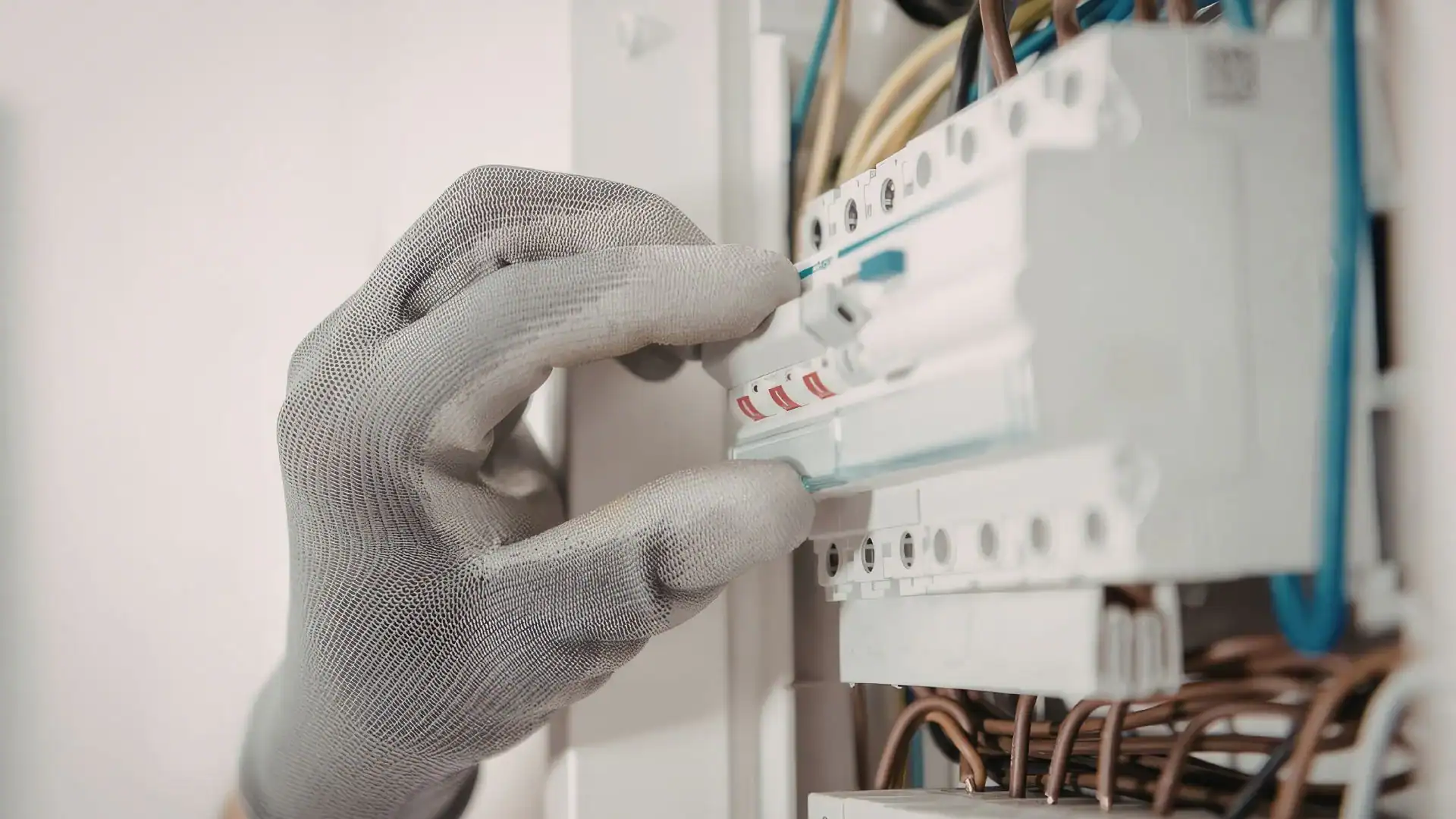
The easiest way to check is to look at the wiring itself. If you can safely access your electrical panel, look for labels on the cables. Aluminum wiring will usually have “AL” or “Aluminum” stamped on the cable jacket. The wire itself will also be silver or gray, whereas copper wiring is distinctly copper-colored.
You can also check outlets and switches. Turn off the power to the circuit first—this is important—then carefully remove the cover plate from an outlet or switch. If the wires connected to it are silver instead of copper-colored, you likely have aluminum wiring. Don’t touch the wires or terminals. Just look.
Another clue is the age of your home. If it was built or had major electrical work done between 1965 and 1972, aluminum wiring is a strong possibility. That was the peak period for its use in residential construction. Homes built before or after that window are less likely to have it, though it’s not impossible.
You might also notice warning signs that suggest aluminum wiring problems. Outlets or switches that feel warm to the touch, even when nothing is plugged in, are a red flag. Flickering lights that aren’t tied to a specific appliance can also indicate loose connections. If you smell burning plastic near an outlet or switch, or if you see discoloration or scorch marks on cover plates, those are serious warning signs that require immediate attention.
If you’re not sure, give us a call. We can inspect your home’s wiring and give you a definitive answer. Don’t guess. Aluminum wiring isn’t something to take lightly, and a professional inspection is the only way to know for certain what you’re dealing with.
You have three main options for dealing with aluminum wiring, and the right choice depends on your home’s condition, your budget, and your long-term plans. The most thorough solution is complete rewiring. That means replacing all the aluminum wire in your home with copper. It eliminates the problem entirely and gives you a modern, safe electrical system. It’s also the most expensive and disruptive option, since it often requires opening walls and ceilings to access the wiring.
Complete rewiring makes the most sense if you’re already doing a major renovation, if your home has other electrical issues that need addressing, or if you want the peace of mind that comes from knowing the problem is fully resolved. For many homeowners in older neighborhoods throughout Durham, Chapel Hill, Burlington, and surrounding areas, rewiring is the gold standard—especially if they plan to stay in the home long-term.
The second option is called pigtailing, and it’s a more affordable middle ground. Pigtailing involves connecting a short piece of copper wire to the end of each aluminum wire using a special connector approved by the Consumer Product Safety Commission. The copper pigtail then connects to your outlets, switches, and fixtures. This method addresses the most dangerous connection points—where aluminum meets other metals—without requiring a full rewire.
The two most common pigtailing methods are COPALUM crimp connectors and AlumiConn connectors. COPALUM is considered the gold standard by the CPSC, but it requires specialized tools and a certified technician. AlumiConn connectors are also CPSC-approved and can be installed by any licensed electrician. Both methods are considered permanent repairs when done correctly, though they don’t address the aluminum wiring itself—just the connection points.
The third option is replacing outlets and switches with devices specifically rated for aluminum wiring. These are labeled CO/ALR (Copper/Aluminum Rated) and are designed to handle the expansion and contraction that causes problems with standard devices. This is the least expensive option, but it’s also the least comprehensive. It reduces risk at outlets and switches, but it doesn’t address junction boxes, light fixtures, or other connection points where aluminum wiring can fail.
We typically recommend pigtailing as the best balance of cost, effectiveness, and safety for homeowners who aren’t ready to rewire completely. It significantly reduces fire risk, it’s far less disruptive than a full rewire, and it’s recognized by insurance companies and home inspectors as a legitimate repair. Whatever option you choose, make sure the work is done by a licensed electrician who understands aluminum wiring and follows CPSC guidelines.
Your home’s electrical system is easy to ignore until something goes wrong. But by then, the problem has usually been building for years. The good news is that you don’t have to tackle everything at once. Start with an electrical safety inspection. We can walk through your home, assess your system, and give you a clear picture of what needs attention now and what can wait.
From there, prioritize based on safety first. If you have aluminum wiring, an outdated panel, or any signs of overheating or fire risk, those should move to the top of your list. Upgrades that improve convenience—like adding outlets or installing GFCI protection—can come next. The key is having a plan and working with someone who knows aging homes and understands the unique challenges they present.
If you’re in Alamance, Durham, Chatham, Orange, or Guilford County and your home is showing signs that its electrical system needs help, reach out to us at ESP Providers. With over 20 years of experience serving local communities and a Master Electrician with 35+ years in the field, we understand what older homes need to stay safe, functional, and up to code.
Article details:
Share:
Continue learning: