Your appliances face up to 100 power surges monthly. Learn how professional surge protection stops expensive damage before it starts—and why plug strips aren't enough.
Share:
Summary:
Your refrigerator stops cooling. Your HVAC system won’t turn on. Your smart TV suddenly goes dark. If this sounds familiar, you’re not alone—and you might be dealing with power surge damage without realizing it.
Most homeowners across Alamance County, Durham County, and the surrounding areas don’t think about surge protection until something expensive breaks. By then, you’re facing repair bills that range from a few hundred to over a thousand dollars. The frustrating part? Much of that damage was preventable.
Here’s what you need to know about how residential surge protection actually works, what it protects, and why it might be one of the smartest investments you make for your home. We’ll cover the hidden threats damaging your appliances right now, the real costs you’re risking, and the protection strategy that actually works.
Power surges aren’t just about lightning strikes during summer storms. Your home experiences dozens of small voltage spikes every single month, and most of them come from inside your own house.
Every time your HVAC system kicks on, your refrigerator compressor cycles, or your washing machine starts up, it creates a brief demand for power that can send a voltage spike through your electrical system. These internal surges account for about 80% of the power fluctuations your electronics experience. The other 20% come from external sources—utility company switching, transformer issues, downed power lines, and yes, lightning strikes.
Here’s the problem: voltage spikes don’t have to be dramatic to cause damage. Your home’s electrical system is designed to deliver around 120 volts. During a surge, that voltage can jump to hundreds or even thousands of volts for just milliseconds. That’s enough to stress circuit boards, degrade electronic components, and shorten the lifespan of everything plugged into your walls.
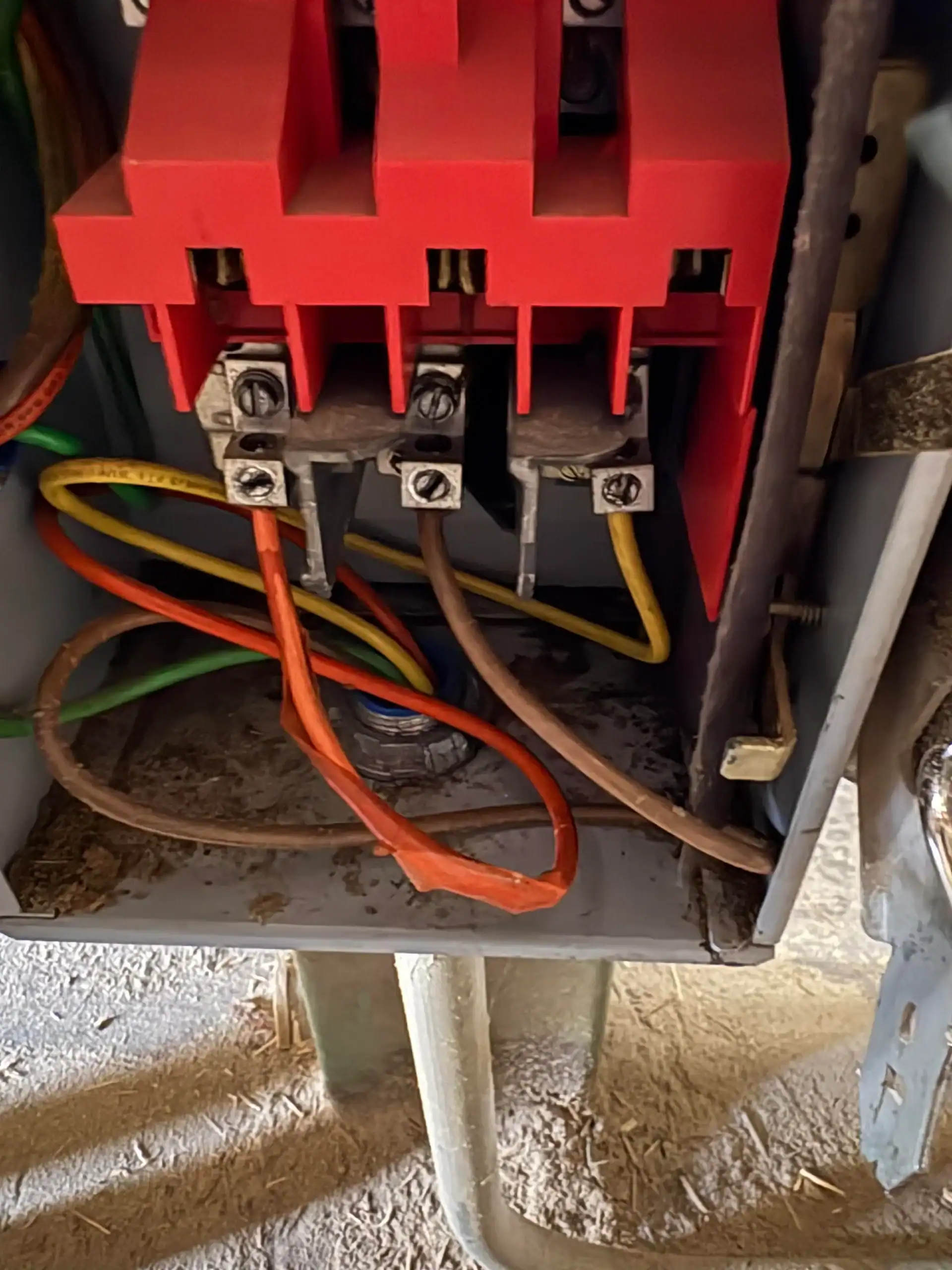
Think of power surges like speed bumps for your electronics. One speed bump at high speed might not total your car, but hit a hundred of them and you’ll start seeing problems. That’s exactly what’s happening to your appliances.
When a voltage spike hits, it forces excessive current through the delicate components inside your devices. Circuit boards, microprocessors, and control systems aren’t built to handle these sudden jolts. The heat generated during these brief moments creates what engineers call “arc faults”—tiny electrical fires inside the equipment that slowly burn away at connections and components. Small damage, repeated constantly, adds up fast.
Your two-year-old refrigerator that suddenly stops working? That HVAC system that failed years before it should have? Many times, the root cause is cumulative damage from repeated small surges. The appliance didn’t break because it was poorly made. It broke because it was slowly degraded by electrical stress you never even noticed.
This is why homes today experience what experts call “death by a thousand cuts.” Each surge is small enough to go unnoticed but significant enough to cause microscopic damage. Over months and years, that damage adds up until a critical component finally fails. By the time you call for repairs, you’re looking at replacing expensive parts like compressors, control boards, or motors—repairs that often cost $500 to $1,300 or more.
The challenge for homeowners in places like Durham County, Chapel Hill, Burlington, and Greensboro is that North Carolina’s weather makes this problem worse. We average 40 to 50 thunderstorms every year, with the majority hitting during June, July, and August. Lightning doesn’t even have to strike your house directly to cause problems. It can hit power lines up to 10 miles away and send a massive surge through the grid straight into your home.
And here’s something most people don’t realize: lightning can strike even when it’s not raining at your location. You could be enjoying a sunny afternoon while a storm miles away sends a voltage spike through your electrical panel. That’s why waiting until you see dark clouds isn’t a protection strategy—it’s a gamble with your appliances.
Walk into any home and you’ll find plug strips behind the TV, under the desk, and next to the entertainment center. Most people assume these are protecting their electronics. In reality, they’re offering minimal protection and leaving your most valuable equipment completely exposed.
Standard plug strips—even ones labeled as “surge protectors”—are designed to handle small, point-of-use surges. They might protect your laptop or TV from a minor voltage fluctuation, but they’re powerless against larger surges from lightning strikes or major utility issues. Many cheap power strips offer such low-level surge suppression that they’re barely better than a regular extension cord. You get what you pay for, and $15 doesn’t buy much protection.
But here’s the bigger issue: plug strips can’t protect anything that’s hard-wired into your electrical system. Your HVAC system, electric water heater, built-in oven and range, garbage disposal, and often your washer and dryer are all connected directly to your circuit breaker panel. There’s no outlet to plug a surge protector into. These appliances—which often represent the most expensive equipment in your home—are sitting completely undefended against voltage spikes.
Add up what you’ve invested in these systems. A new HVAC system costs thousands of dollars. A quality refrigerator runs $1,000 to $3,000 or more. Your electric range, washer, and dryer are each significant investments. Modern homes easily have $15,000 or more worth of electronics and appliances. Yet most of that value is protected by nothing more than hope and luck.
This is where whole-home surge protection changes the equation. Instead of defending individual outlets, a whole-home surge protector installs at your main electrical panel where power enters your house. It stops surges before they can reach any circuit—protecting everything from your HVAC system to your phone charger. It’s the difference between guarding the front door versus trying to lock every window after someone’s already inside.
For homeowners in Alamance County, Chatham County, Orange County, and Guilford County, this comprehensive protection makes even more sense given our regional storm patterns. You’re not just protecting against the occasional lightning strike. You’re defending against the constant internal surges from your own appliances, the external surges from an aging power grid, and the seasonal thunderstorm activity that defines North Carolina summers. That’s a lot of threats for a plug strip to handle—which is exactly why it can’t.
Want live answers?
Connect with a Electrical Service Providers expert for fast, friendly support.
Let’s talk numbers, because this is where surge protection stops being a “nice to have” and starts being obvious financial sense.
A professionally installed whole-home surge protector typically costs between $300 and $800. That’s a one-time investment that protects your entire home for anywhere from two to five years, depending on how many surges it absorbs. Compare that to what you’ll pay when appliances start failing.
Refrigerator repairs average $150 to $400 for minor issues, but jump to $700 to $1,300 if you need compressor work or sealed system repairs. HVAC repairs often start at several hundred dollars and climb quickly from there. A failed control board in your washer or dryer? That’s $300 to $600. Even your dishwasher or microwave can cost $200 to $400 to repair when voltage damage takes out key components.
Now multiply those costs by the number of vulnerable appliances in your home. One major surge event from a nearby lightning strike could damage multiple systems at once. Suddenly you’re not looking at one repair bill—you’re facing several, all hitting at the same time. That $600 surge protector installation starts looking pretty smart when you’re staring down $2,000 in appliance repairs.
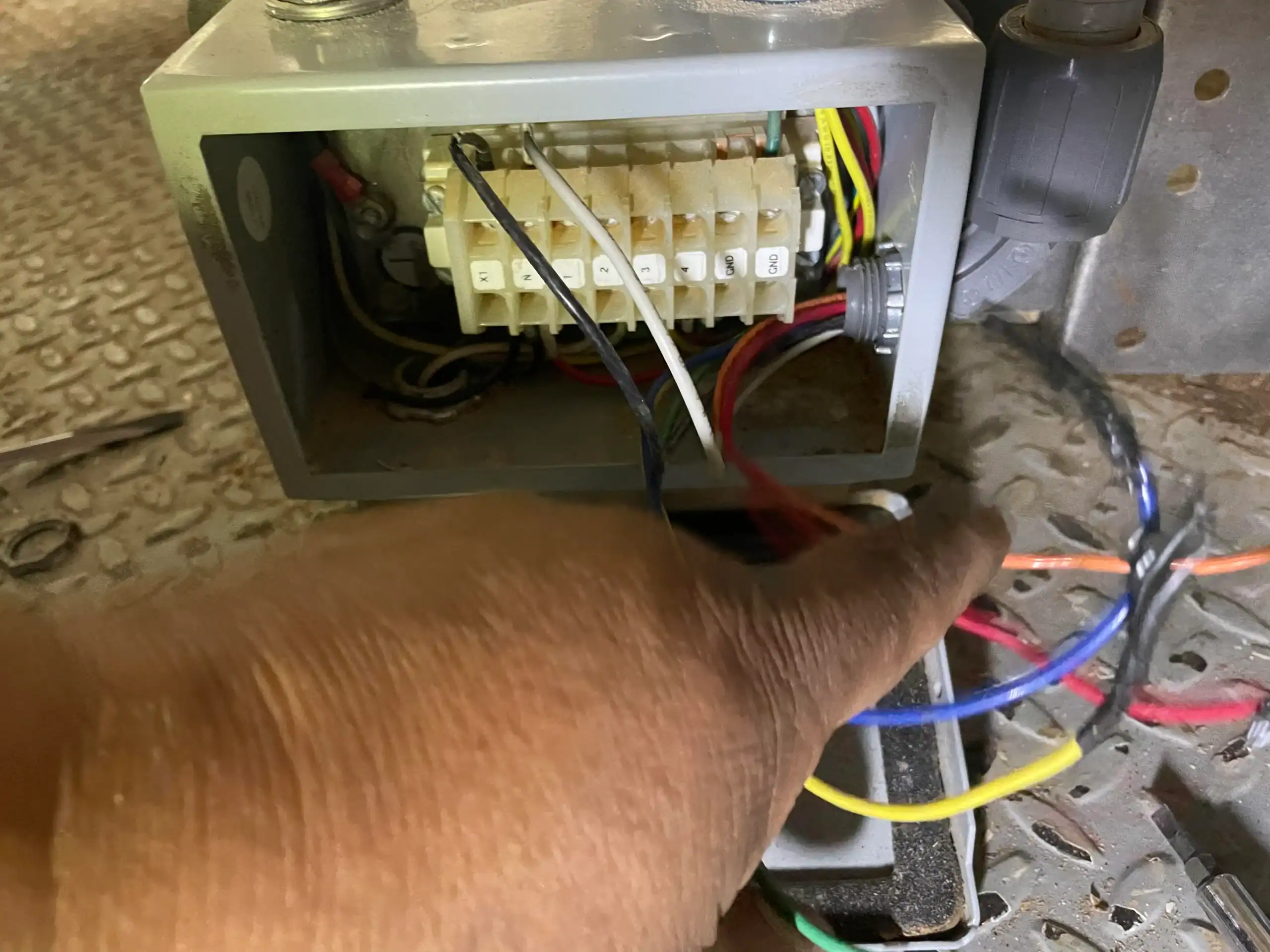
When your refrigerator stops working, you’re not just facing a repair bill. You’re dealing with spoiled food, the stress of finding a repair technician quickly, and the disruption to your daily routine. If it’s the middle of summer in Durham or Greensboro and your AC goes out, you’re looking at uncomfortable days (or nights) while waiting for service. These aren’t minor inconveniences—they’re major disruptions to your life.
The average refrigerator repair costs between $275 and $400, but that’s for straightforward issues like a faulty thermostat or ice maker problems. If the compressor fails—which is exactly the kind of damage power surges cause—you’re looking at $500 to $800 in parts and labor. At that point, many homeowners start questioning whether it makes more sense to replace the entire unit, which brings costs up to $1,000 to $3,000 or more. Either way, you’re paying far more than surge protection would have cost.
HVAC repairs follow a similar pattern. A service call starts with diagnostic fees, then climbs based on what’s wrong. Control boards, which are particularly vulnerable to voltage spikes, can cost $300 to $600 to replace. Compressor replacement in an AC unit? That’s often $1,500 to $2,500. These aren’t small expenses, and they rarely happen at convenient times. Murphy’s Law says your AC will die during the hottest week of summer, not during mild spring weather when you can wait a few days for service.
What makes this especially frustrating is that surge damage often isn’t covered by standard appliance warranties. Most manufacturers specify that their warranty doesn’t cover damage from external electrical issues, including power surges. Your homeowner’s insurance might cover lightning damage in some cases, but many policies have exclusions for surge damage, particularly if it’s from an internal source like your own appliances cycling on and off. You’re on your own for the repair costs.
This is the reality homeowners face without proper surge protection: you’re self-insuring against a risk that happens regularly. Every thunderstorm, every time your AC kicks on, every utility company switching event is another chance for damage. The question isn’t whether surges will happen—it’s whether you’ll be protected when they do.
Professional whole-home surge protection shifts that equation. For less than the cost of a single major appliance repair, you get comprehensive coverage that defends every circuit in your home. It’s installed at your electrical panel by a licensed electrician, which means it’s done correctly and maintains your equipment warranties. The device itself typically lasts several years, and many come with connected equipment warranties that provide additional coverage if something does fail. That’s real protection, not crossed fingers.
Your circuit breaker panel does an important job—it prevents electrical fires by shutting off power when circuits overload or short circuit. But circuit breakers weren’t designed to stop voltage spikes. They’re looking for sustained overloads or dangerous shorts, not the millisecond voltage jumps that damage electronics. Different threat, different defense.
This is why homes need both circuit breaker protection and surge protection. They defend against different threats. Your breakers protect the wiring and prevent fires. Surge protection defends the equipment connected to that wiring. Neither does the other’s job, and you need both working together.
Modern electrical panels can include arc fault circuit interrupters (AFCIs) and ground fault circuit interrupters (GFCIs), which add layers of safety against specific hazards. AFCIs detect dangerous arcing conditions that could cause fires. GFCIs protect against ground faults that could cause shocks. Both are valuable, but neither stops power surges from damaging your appliances.
When you combine proper circuit breaker safety with whole-home surge protection, you’re creating a comprehensive defense system. The circuit breakers protect against overloads and shorts. The AFCIs protect against arc faults in your wiring. The GFCIs protect against shock hazards in wet areas. And the surge protector defends everything against voltage spikes. Each component handles a specific threat, and together they make your home significantly safer.
For homeowners in Chatham County, Orange County, and surrounding areas, this layered approach makes particular sense. North Carolina’s electrical code requirements have evolved to include many of these protections in new construction, but older homes often lack comprehensive coverage. Having a licensed electrician evaluate your electrical panel and recommend appropriate upgrades—including surge protection—ensures you’re not leaving gaps in your home’s defenses.
Electrical fire prevention is serious business. According to national fire safety data, electrical malfunctions contribute significantly to residential fires, with arc faults alone causing thousands of house fires annually. Proper circuit protection, combined with surge protection, reduces multiple risks at once. You’re not just protecting your appliances from voltage damage—you’re also reducing fire risk and improving overall electrical safety. That’s protection that makes sense on multiple levels.
Here’s what it comes down to: you can pay a little now for protection, or pay a lot later for repairs. The math isn’t complicated, but the decision requires action before something breaks.
Whole-home surge protection isn’t a luxury upgrade. It’s a practical investment that defends the thousands of dollars you’ve already spent on appliances, electronics, and home systems. For less than the cost of one major appliance repair, you get comprehensive coverage that works around the clock to stop voltage spikes before they cause damage.
The homeowners who benefit most are the ones who act proactively. They understand that North Carolina’s thunderstorm season, aging power infrastructure, and the constant cycling of modern appliances create ongoing risk. They recognize that plug strips aren’t enough and that their most expensive appliances have no protection at all. And they know that professional installation by a licensed electrician ensures the system works correctly and maintains their equipment warranties.
If you’re in Alamance County, Durham County, Chatham County, Orange County, or Guilford County and you’re ready to stop gambling with your appliances, we can help. With over 20 years serving Burlington, Chapel Hill, Durham, Greensboro, and surrounding communities, we bring the experience and expertise local homeowners need. Our licensed electricians provide professional surge protector installation with transparent flat-rate pricing—you’ll know the cost before work begins. Contact us to discuss whole-home surge protection that actually protects what matters.
Article details:
Share:
Continue learning: