The first 15 minutes of a power outage matter more than most people realize. Here's how to stay calm, stay safe, and figure out what's actually going on.
Share:
Summary:
The power just went out. Your phone screen is the only light in the room, and you’re not sure if it’s the whole street or just your house. That moment — right there — is when most people either do the right things or waste valuable time on the wrong ones.
The first 15 minutes of an emergency power outage matter more than most homeowners realize. What you check, what you unplug, and what you do with your generator can protect your home, your appliances, and your family. This guide walks you through it, step by step, without the panic.
The very first thing to do — before you touch a single breaker — is look out the window. Are your neighbors’ lights on? Is the street dark or lit up? That one observation tells you more than anything else in the next 15 minutes.
If your neighbors have power and you don’t, the problem is almost certainly inside your home. Duke Energy isn’t coming to fix it, and waiting on their outage map to update won’t help you. If the whole street or neighborhood is dark, it’s likely a grid issue and your job becomes managing the situation safely until power is restored.
This distinction matters because the steps you take next are completely different depending on the answer.
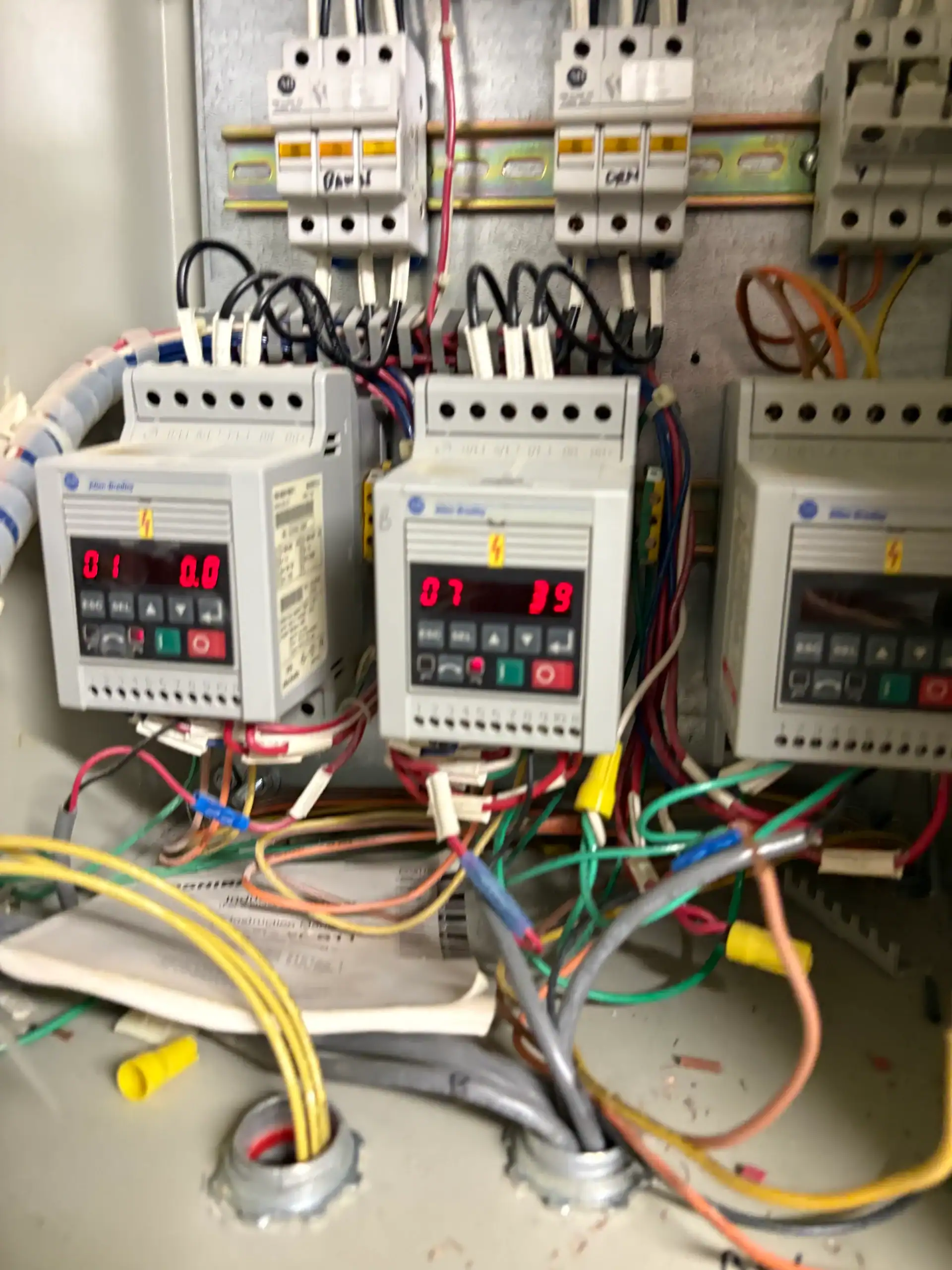
This is the scenario that catches people off guard. You look outside, and every house on the block has lights on except yours. It’s disorienting, and the instinct is still to call Duke Energy — but that call won’t get your power back.
When only your home has lost power, the most common causes are a tripped main breaker, an overloaded circuit, a failing electrical panel, or a wiring fault somewhere in the system. Older homes throughout Alamance County are especially prone to this. Many were built with 60- to 100-amp panels that weren’t designed for the electrical load of a modern household — multiple refrigerators, HVAC systems, EV chargers, home offices. When that load gets pushed too far, something gives.
Go to your electrical panel. It’s usually in a utility room, basement, garage, or hallway. Open the door and look at the breakers. A tripped breaker will sit in a middle position between ON and OFF — it won’t be fully flipped to either side. To reset it, push it firmly all the way to OFF first, then back to ON. If it holds, you may be back in business. If it trips again immediately, stop. Don’t keep forcing it.
A breaker that trips repeatedly is doing exactly what it’s designed to do — protecting you from an overload, a short circuit, or a ground fault somewhere in the wiring. Forcing it to stay on is how electrical fires start. At that point, the problem needs a licensed electrician, not another reset attempt.
One more thing worth checking: if you have a newer home or a panel installed in the last 20 years, look for a main breaker at the top of the panel. Sometimes a single surge or overload trips the main, cutting power to the entire house even though every individual breaker looks fine.
If the whole neighborhood is dark, the problem is almost certainly on Duke Energy’s end. Duke Energy is the primary utility serving Alamance County, covering Burlington, Mebane, Graham, Gibsonville, and most of the surrounding area. You can report an outage or check restoration status through their website or by calling their outage line directly.
Here’s something worth understanding about how Duke Energy restores power: they prioritize essential services first — hospitals, emergency facilities, water treatment plants. After that, they work to restore the largest groups of customers before addressing individual homes. If you’re on a rural road outside Mebane or a side street in Graham, you may be waiting longer than your neighbors closer to a main line. That’s not a malfunction — it’s how the restoration process works.
In Alamance County, tree damage is the most documented cause of Duke Energy outages. The county’s tree canopy and rural road network mean that high winds and severe storms regularly bring branches and whole trees down on power lines. After Tropical Storm Chantal moved through in July 2025, parts of Alamance County experienced significant flooding, road closures, and power outages — with a tornado reported near Lebanon Road in Mebane. Storms like that can leave individual neighborhoods dark for hours while crews work through dozens of downed lines across the county.
While you wait for restoration, keep the refrigerator and freezer doors closed as much as possible. A refrigerator will hold a safe temperature for about four hours if left unopened. A full freezer can hold for 24 to 48 hours. Don’t rely on “it still feels cold” as your test — if you have a thermometer, use it. Food is safe below 40°F. Above that, the clock is running.
If you’re on a well in rural Alamance County, remember that your well pump runs on electricity. No power means no water, which adds a layer of urgency to an already stressful situation. That’s worth planning for before the next storm rolls through.
Want live answers?
Connect with a Electrical Service Providers expert for fast, friendly support.
Whether you’re waiting on Duke Energy or waiting for an electrician, the 15 minutes after the lights go out are when most of the avoidable mistakes happen. A few simple steps can protect your appliances, your family, and your home from hazards that most people don’t think about until it’s too late.
The biggest ones aren’t complicated — but they’re easy to skip when you’re stressed and searching for flashlights in the dark. Taking two minutes to handle these now prevents a second problem on top of the outage you’re already dealing with.
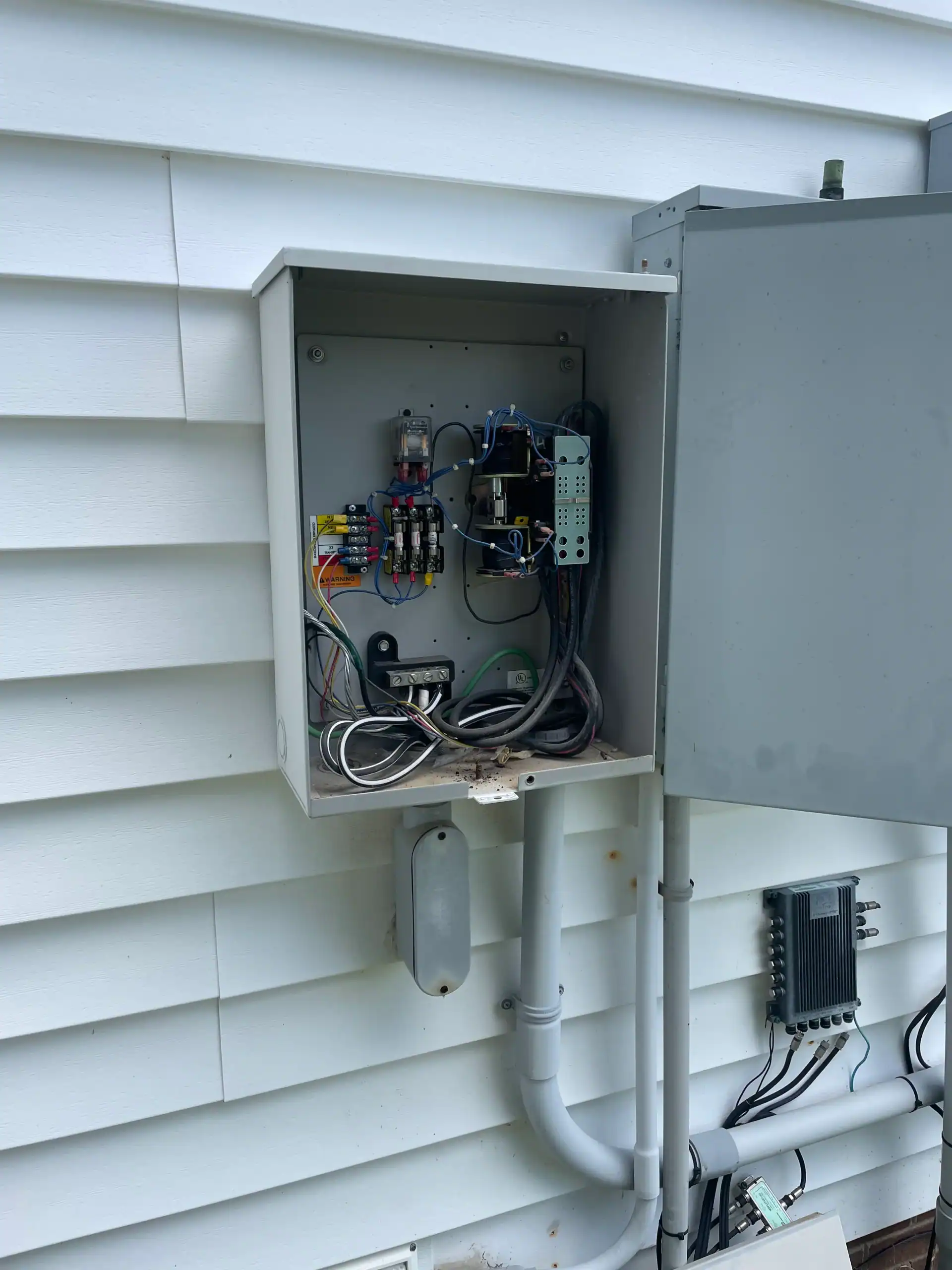
This one surprises people. Most homeowners think the danger is during the outage — but one of the most common sources of appliance damage actually happens when power comes back on.
When the grid restores, voltage doesn’t always return at a perfectly steady level. Surges and spikes in the first moments of restoration can damage electronics, appliances, and HVAC equipment. Televisions, computers, gaming systems, and smart home devices are all vulnerable. The fix is simple: unplug sensitive electronics before power comes back, and wait a few minutes after restoration before plugging them back in. Leaving one lamp plugged in gives you a signal that power has returned without putting your equipment at risk.
For major appliances — refrigerators, washing machines, HVAC systems — give it about 15 minutes after restoration before turning them back on. This isn’t just about protecting your equipment. It also helps prevent overloading the grid in the immediate aftermath of a large-scale outage, when thousands of homes are all drawing power at the same moment.
If your home experiences frequent surges or you’ve had appliances damaged during past outages, a whole-home surge protection system is worth a serious conversation. It’s a permanent solution that protects everything in the house at the panel level, not just the devices on a power strip. We install them regularly for homeowners throughout Alamance County who are tired of replacing electronics after every bad storm.
If you have a portable generator, the outage is the moment you find out whether you know how to use it safely. And a lot of people don’t — not because they’re careless, but because the risks aren’t obvious until something goes wrong.
Carbon monoxide is the danger. Generators produce it in significant quantities, and it’s colorless and odorless. You won’t smell it. You won’t see it. The symptoms — headache, dizziness, nausea — can be mistaken for stress or dehydration until they’re not. The CDC is clear on this: generators must be placed at least 20 feet away from windows, doors, and attached garages. Running one in a garage, even with the door open, is not safe. The gas accumulates faster than ventilation can clear it.
This comes up every time a major storm hits Alamance County. After outages from tropical systems and severe thunderstorms, emergency rooms across North Carolina see carbon monoxide cases tied directly to improper generator use. It’s preventable every single time.
The other mistake is connecting a portable generator directly to your home’s wiring without a proper transfer switch. Doing this — sometimes called backfeeding — creates a serious electrocution risk for utility workers trying to restore power on the line outside your home. It’s also illegal. If you want your generator to power your home’s circuits, it needs to be connected by a licensed electrician with the right equipment.
If you’re running a portable generator safely outdoors, keep it away from the house, use heavy-duty outdoor extension cords rated for the load, and never refuel it while it’s running or still hot.
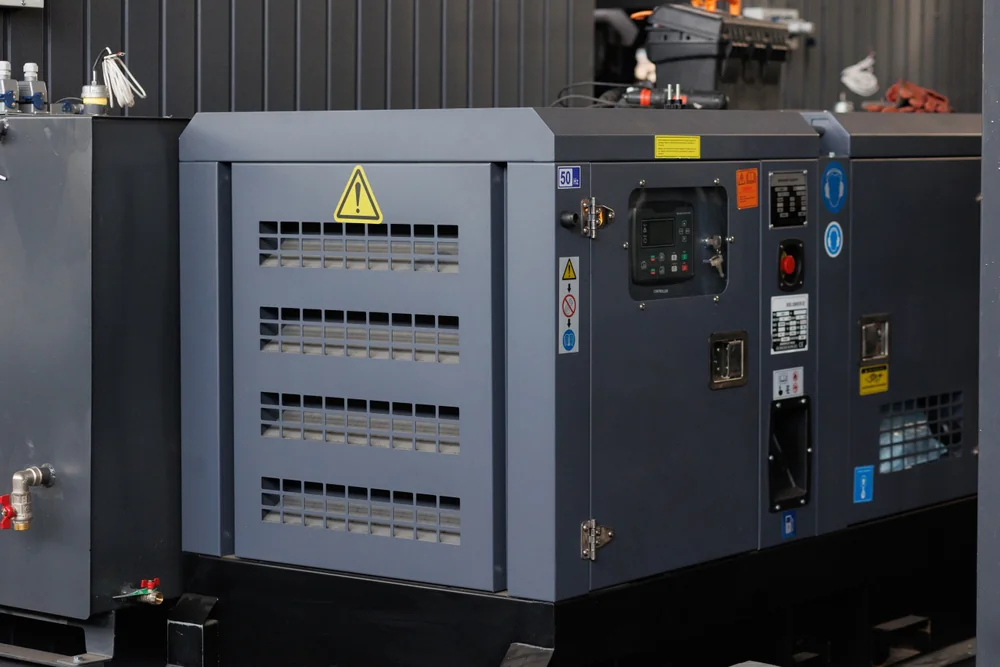
If you’ve been thinking about a standby generator — the kind that kicks on automatically when the power goes out — this is the moment that thought becomes a real priority. We’re one of North Carolina’s first Level III certified service providers for Eaton/Cutler Hammer generators, and we install and service them throughout Alamance County. When the next storm comes through, a properly installed standby generator means you don’t have to think about any of this.
If your neighbors have power and you don’t, you’ve already ruled out the utility. If your breaker tripped and won’t stay reset, you’ve already ruled out a simple fix. At that point, there’s an electrical problem inside your home that needs a licensed electrician — not another reset attempt, not a YouTube video, not waiting until morning.
We offer 24/7 emergency electrical service throughout Alamance County, and when you call, a real person answers. No voicemail, no automated system, no callback window. We’ll talk through what you’re seeing, give you a flat-rate price before we touch anything, and get there with a fully stocked truck so most jobs can be handled in a single visit.
ESP Electrical Service Providers has been serving Burlington, Graham, Mebane, and the surrounding communities since 2002. If you’re in the dark and the problem is yours to solve, give us a call at 336-228-3300.
Article details:
Share:
Continue learning: